


The Ultimate Front-Row Seat to the 2027 Solar Eclipse in Egypt
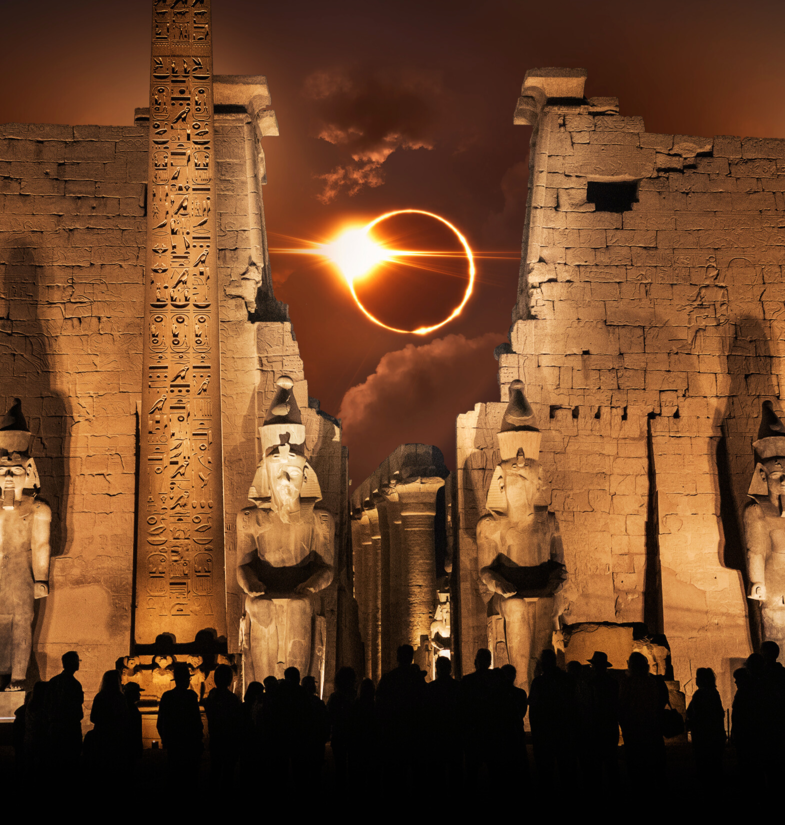
On 2 August 2027, one of the longest total solar eclipses of the century will pass over Egypt. Archaeological Paths is offering travellers a once-in-a-lifetime opportunity to witness the event from a site celebrated as “Egypt’s discovery of the century”, alongside the famous archaeologist who uncovered it.
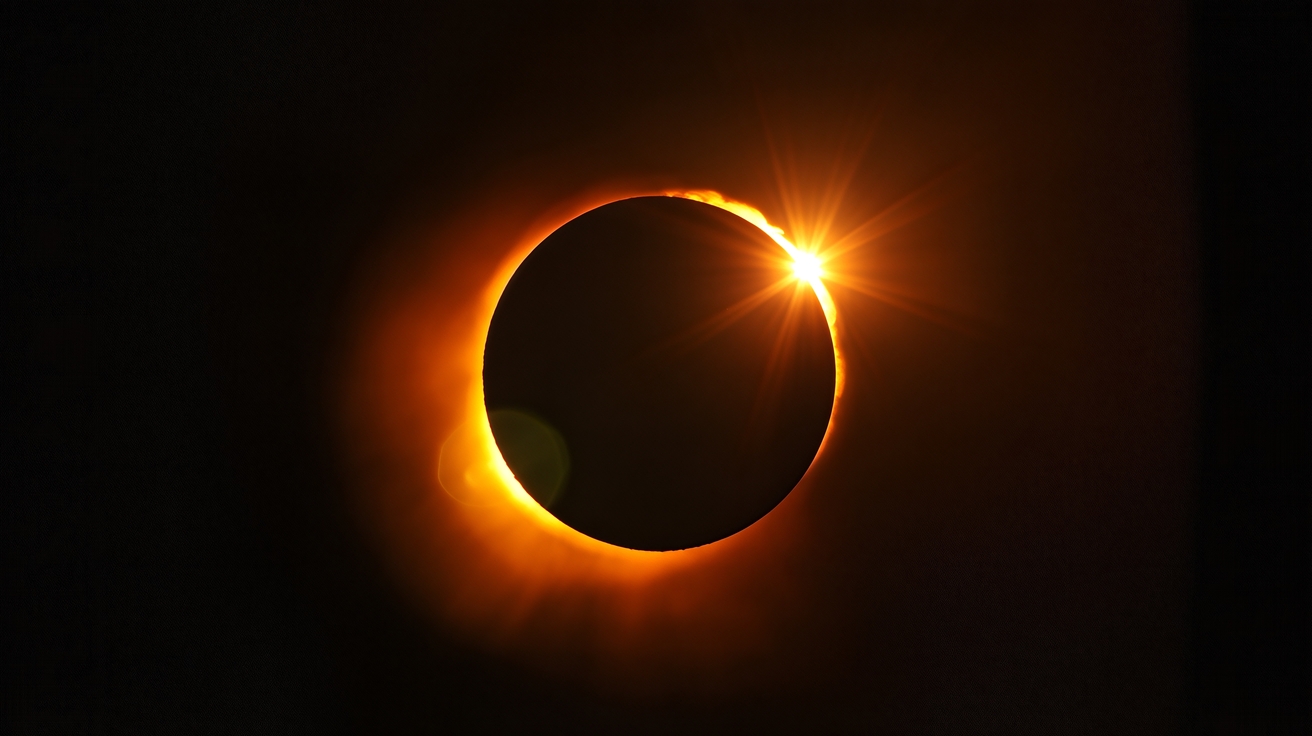
On 2 August 2027, something extraordinary will happen in the skies above Egypt. For approximately six minutes and 22 seconds, the midday sun will disappear behind the moon, casting the ancient city of Luxor into an eerie twilight. Daylight will fade, temperatures may fall, and the sun’s luminous corona will become visible around the moon’s dark silhouette. It promises to be one of the most remarkable astronomical events of our time, drawing travellers and eclipse enthusiasts from across the world.
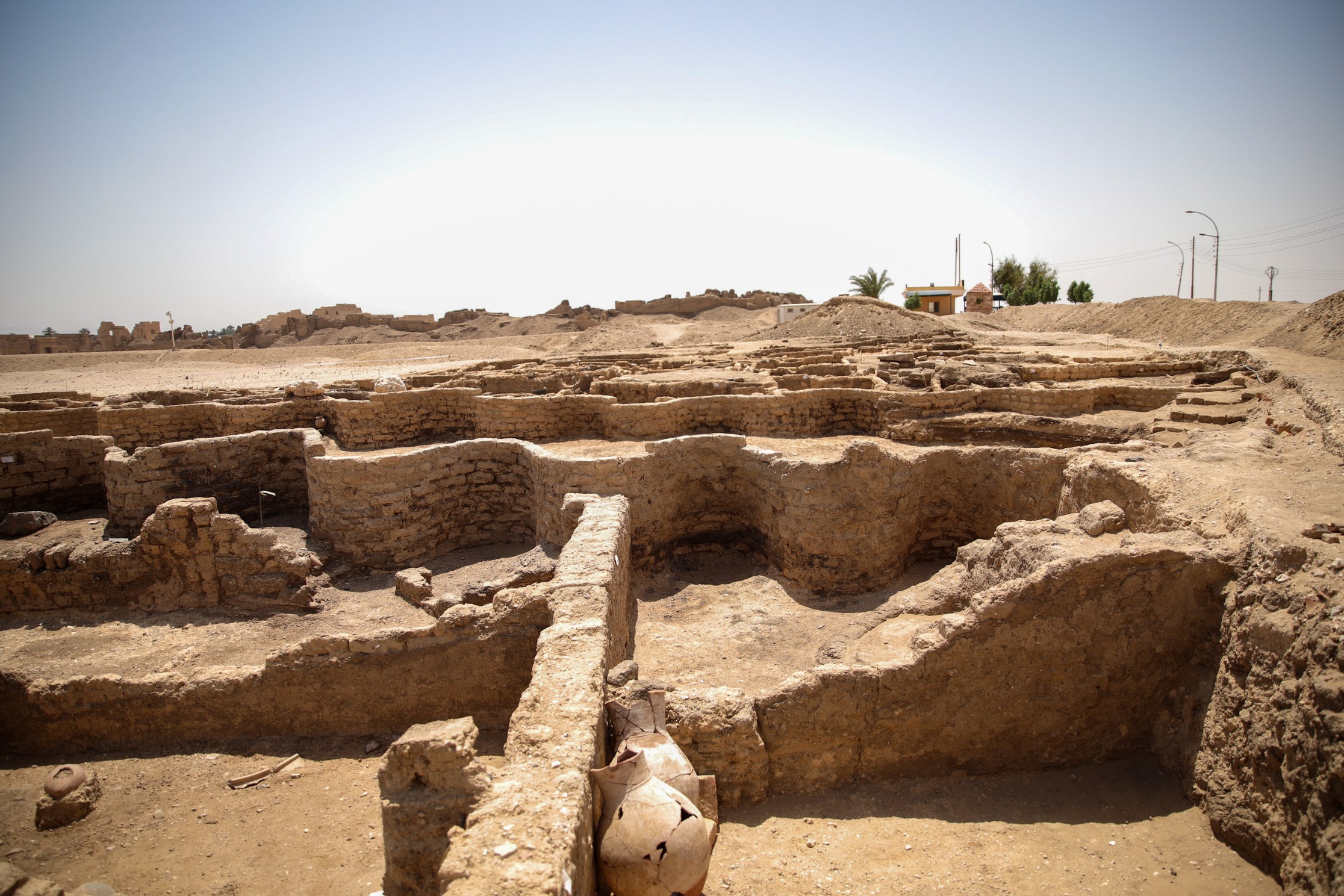
For a select group, however, the experience will be even more extraordinary. Rather than gathering at a crowded monument or watching from the deck of a Nile cruise ship, guests travelling with luxury tour operator Archaeological Paths will observe the phenomenon from one of Egypt’s most fascinating archaeological discoveries: the Lost Golden City.
The event is significant. With totality lasting approximately six minutes and 22 seconds in Luxor, the eclipse will be the second-longest of the 21st century, surpassed only by the total solar eclipse of July 2009. Most total eclipses offer much less time to observe the sun’s corona, making the extended period of darkness particularly exciting for astronomers and enthusiasts alike. What’s more, a total solar eclipse of comparable duration will not occur again until 2114.
Luxor is especially well placed to witness the spectacle, lying close to the point of greatest eclipse. Its location in Egypt’s arid Nile Valley also offers favourable prospects for clear skies in August. Although the astronomical conditions are exceptional, the chance to experience them in a place of such historical magnitude is what makes the Archaeological Paths journey especially intriguing.
Situated on Luxor’s West Bank, the Lost Golden City was brought to international attention in 2021 following excavations led by renowned Egyptian archaeologist Dr. Zahi Hawass. Dating back more than 3,000 years to the reign of Pharaoh Amenhotep III, the settlement is considered one of the most important archaeological discoveries made in Egypt in recent decades. Its remarkably preserved mudbrick buildings, streets, workshops and domestic objects have offered valuable insights into everyday life during one of ancient Egypt’s most prosperous periods.
The city’s ancient name, The Dazzling Aten, also lends particular merit to the occasion. Aten was the solar deity whose worship would later become central to the religious reforms of Pharaoh Akhenaten, Amenhotep III’s son. With its connections to ancient Egyptian solar beliefs, the site provides a fitting setting in which to observe an event that would have inspired both wonder and curiosity thousands of years ago.
Today, the Lost Golden City remains an active archaeological site, closed to ordinary tourist visits. For the 2027 eclipse, however, Archaeological Paths has arranged special access through Egypt’s Ministry of Tourism and Antiquities, allowing its guests to enter an area normally inaccessible to the public.
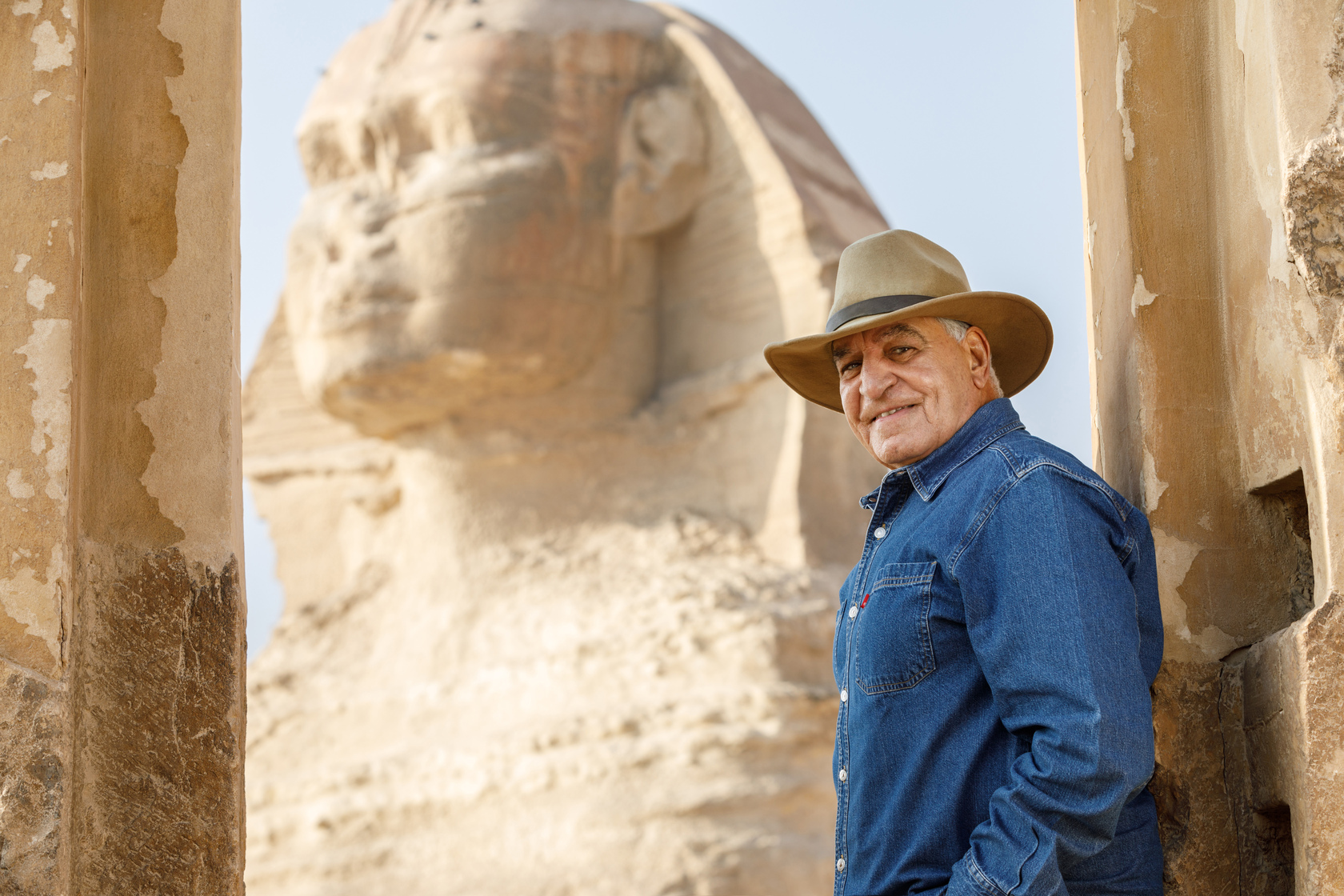
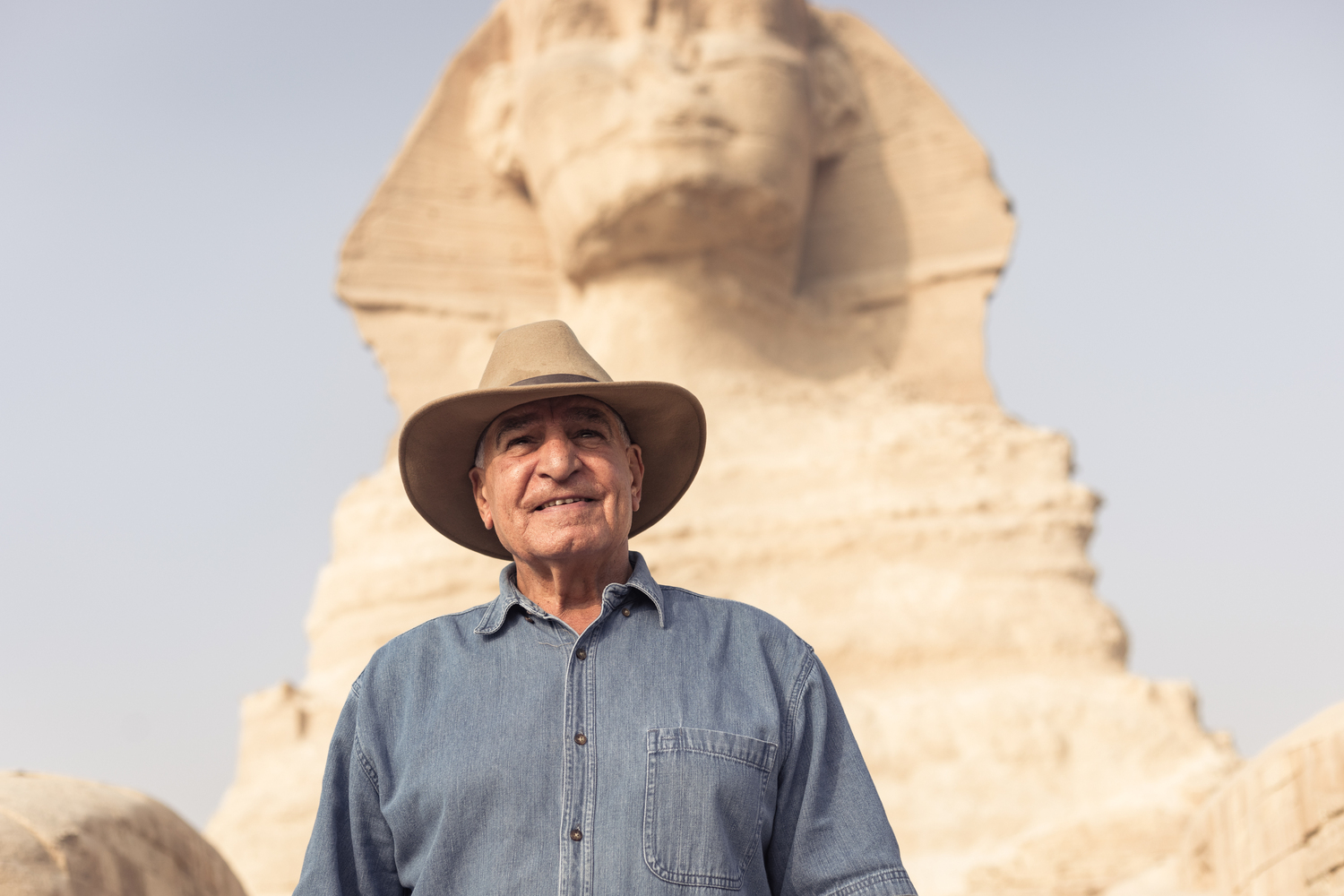
Making the experience even more memorable is the presence of Dr. Hawass himself. One of the world’s best-known archaeologists and a former Egyptian Minister of Antiquities, Hawass has spent decades excavating, researching and bringing the country’s ancient history to international audiences. Having led the team responsible for uncovering the Lost Golden City, he will accompany guests during the eclipse, sharing his knowledge of the site and its importance to our understanding of ancient Egypt.
This is a rare opportunity to explore an extraordinary archaeological discovery with the person who helped bring it to light. Guests will also attend a special lecture by Hawass, offering further insight into his research and some of Egypt’s most significant recent discoveries.
An astronomy expert will be present, too, explaining the science behind the eclipse and guiding guests through its different stages. The combination of archaeological expertise and astronomical insight promises a deeper appreciation of both the setting and the event unfolding above it.
While the eclipse is undoubtedly the highlight, Archaeological Paths has designed a much broader journey around it, with a choice of eight-, ten- and fourteen-day itineraries exploring some of Egypt’s greatest historical treasures.
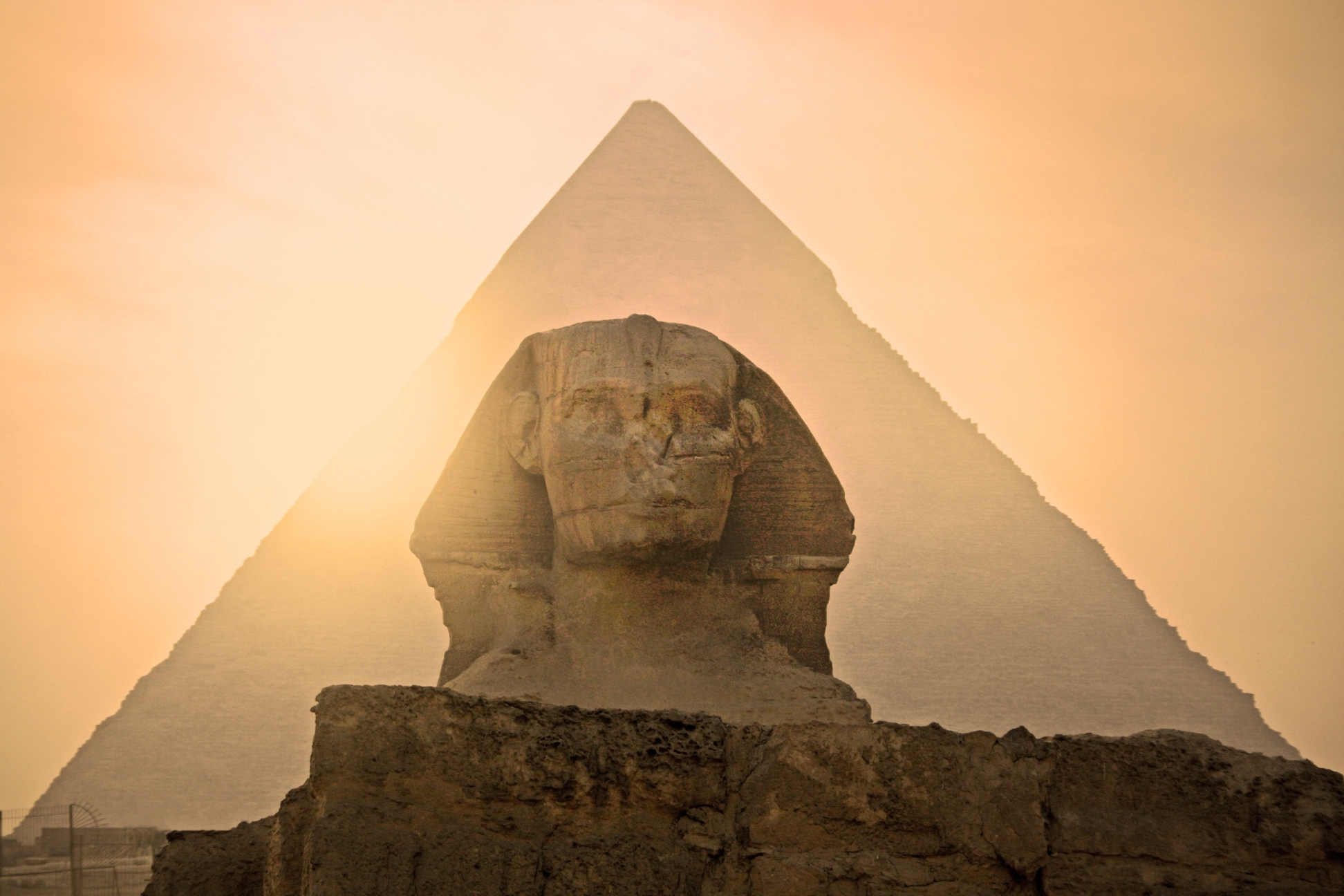
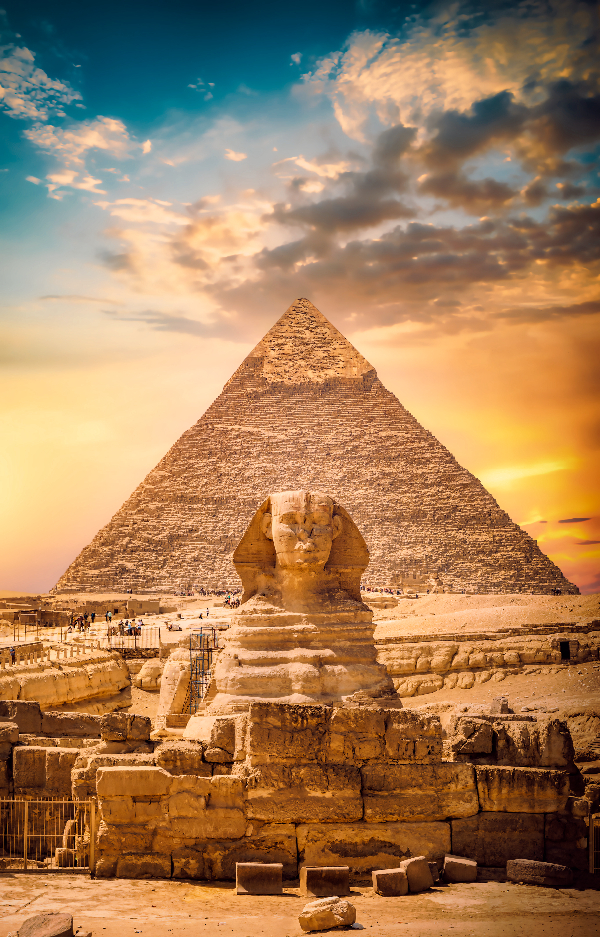
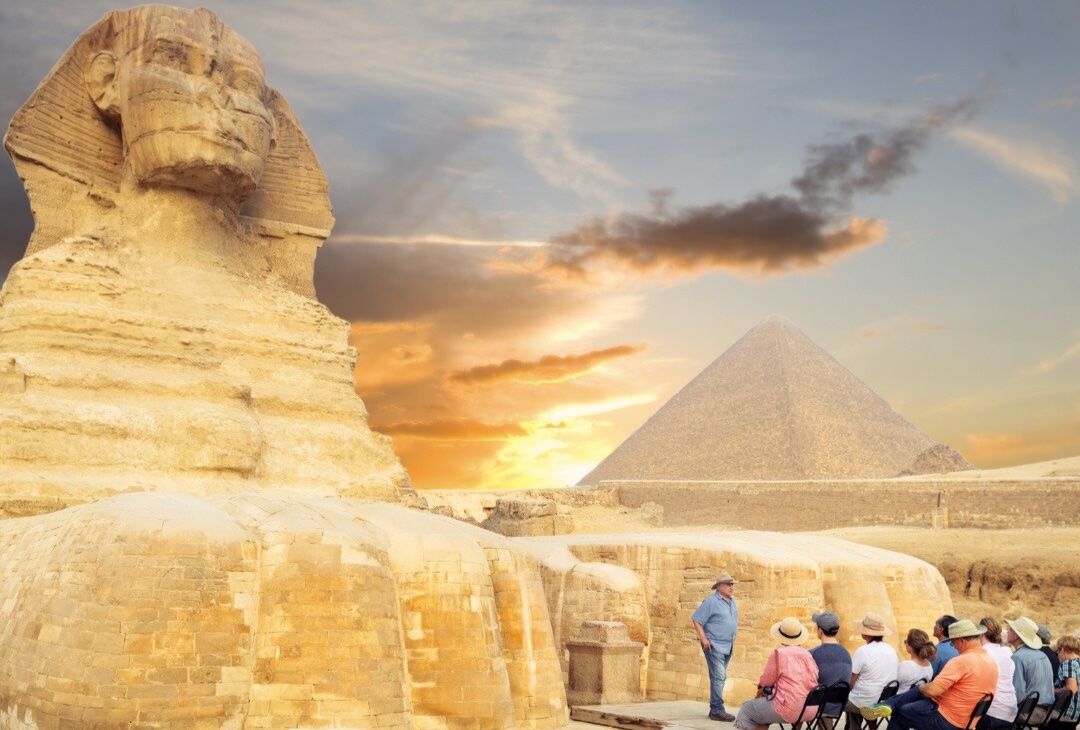
In Cairo, the experience includes private access to the Giza Plateau, allowing guests to explore the pyramids away from the usual crowds. Special arrangements also provide entry to areas of the Great Pyramid of Khufu normally closed to visitors, along with an unusually close encounter with the Great Sphinx. At the Grand Egyptian Museum, a VIP visit enables guests to discover its remarkable collections in the company of leading Egyptologists, including Dr. Tarek El-Awady, who was closely involved in the museum’s development.
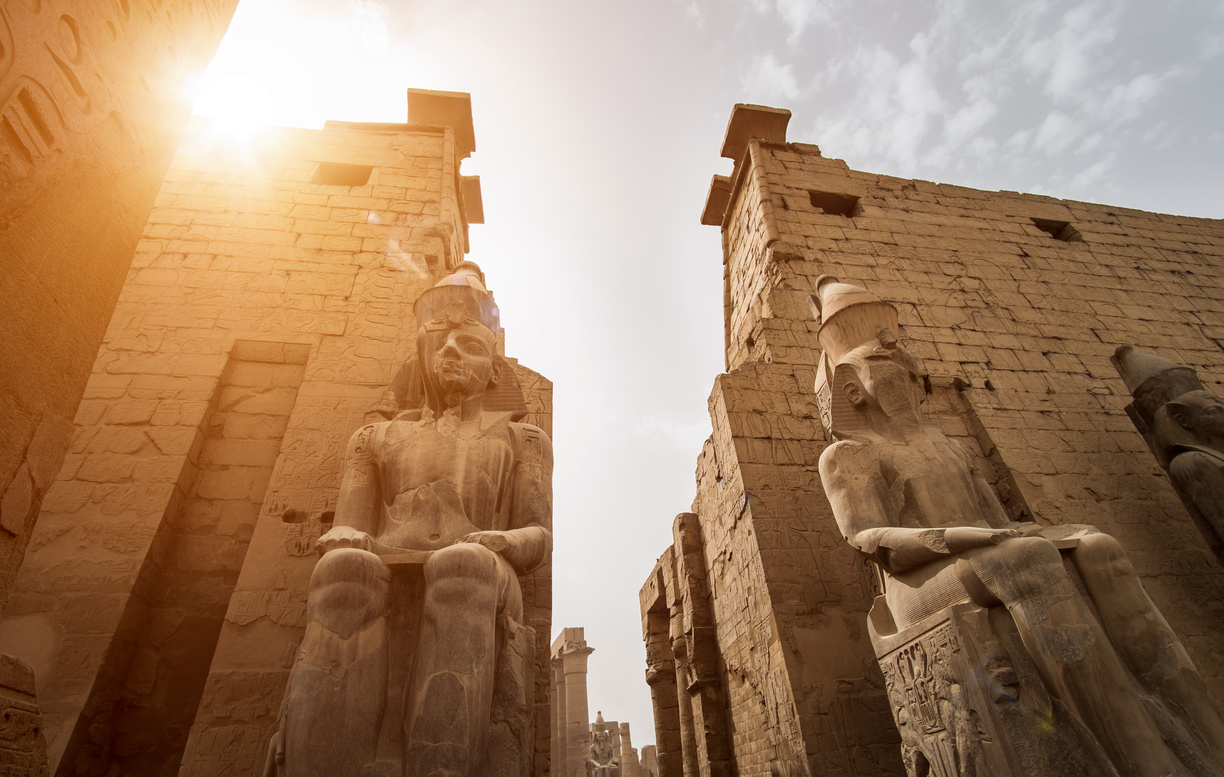
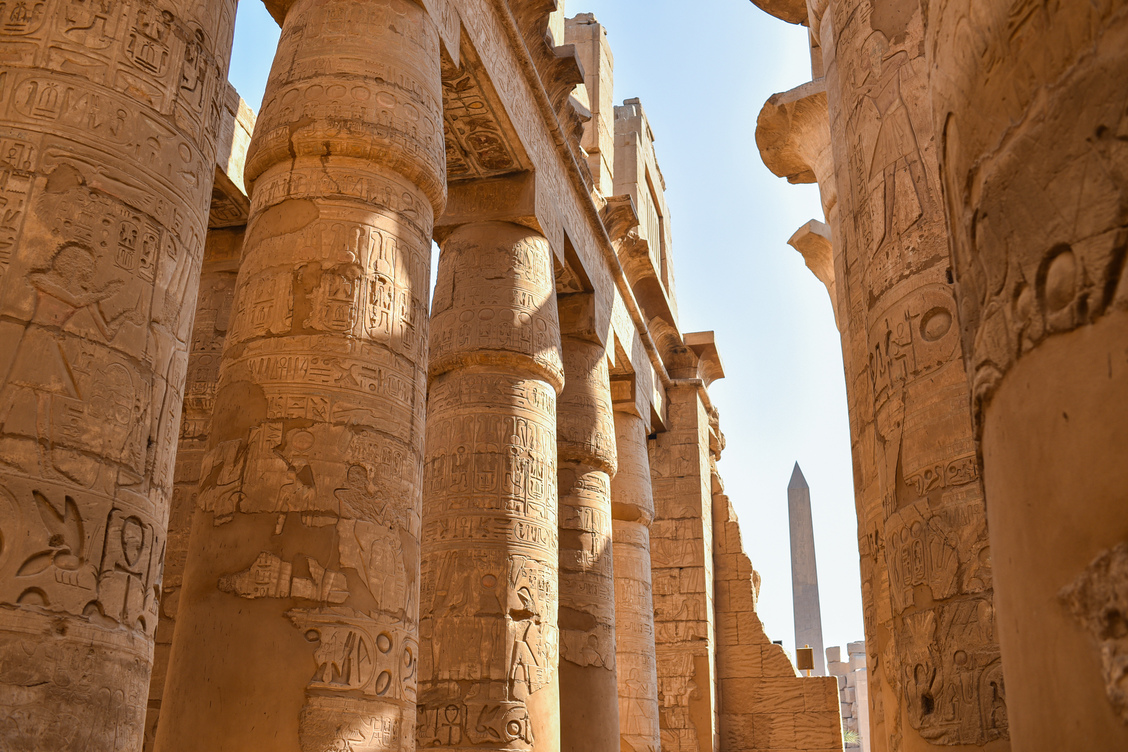
Further south, the journey takes in the monumental temples of Karnak and Luxor, the richly decorated royal tombs of the Valley of the Kings and the impressive Mortuary Temple of Hatshepsut. The longer itineraries extend the experience with a luxury Nile cruise and visits to other celebrated archaeological sites, including Edfu, Kom Ombo, Philae and the magnificent rock-cut temples of Abu Simbel. The fourteen-day programme also explores lesser-visited parts of Middle Egypt, including Tell el-Amarna, the ancient capital established by Akhenaten.
Throughout the journey, expert-led visits, carefully arranged private access and luxury accommodation allow travellers to experience Egypt’s incredible heritage with a level of intimacy not possible on a conventional tour.
Yet even among the pyramids, temples and royal tombs, the eclipse promises to be a moment unlike any other. For a little over six minutes, guests will stand within an ancient city associated with the worship of the sun, accompanied by the archaeologist who uncovered it, as daylight gives way to darkness over Luxor. Thousands of people will travel to Egypt to witness the 2027 eclipse, but very few will have the opportunity to experience it quite like this.
For more information about Archaeological Paths’ Egypt Solar Eclipse 2027 tours, including the available itineraries, visit the links below…
Archaeological Paths
Web: archaeologicalpaths.com
Tel: 917 724 2772
Email: contact@archaeologicalpaths.com
Instagram: @archaeologicalpaths
Facebook: @archaeologicalpaths
YouTube: @ArchaeologicalPaths
Necessary cookies are absolutely essential for the website to function properly. These cookies ensure basic functionalities and security features of the website, anonymously.
| Cookie | Duration | Description |
|---|---|---|
| __cfduid | 1 month | The cookie is used by cdn services like CloudFare to identify individual clients behind a shared IP address and apply security settings on a per-client basis. It does not correspond to any user ID in the web application and does not store any personally identifiable information. |
| _abck | 1 year | This cookie is used to detect and defend when a client attempt to replay a cookie.This cookie manages the interaction with online bots and takes the appropriate actions. |
| bm_sz | 4 hours | This cookie is set by the provider Akamai Bot Manager. This cookie is used to manage the interaction with the online bots. It also helps in fraud preventions |
| cookielawinfo-checbox-analytics | 11 months | This cookie is set by GDPR Cookie Consent plugin. The cookie is used to store the user consent for the cookies in the category "Analytics". |
| cookielawinfo-checbox-functional | 11 months | The cookie is set by GDPR cookie consent to record the user consent for the cookies in the category "Functional". |
| cookielawinfo-checbox-others | 11 months | This cookie is set by GDPR Cookie Consent plugin. The cookie is used to store the user consent for the cookies in the category "Other. |
| cookielawinfo-checkbox-advertisement | 1 year | The cookie is set by GDPR cookie consent to record the user consent for the cookies in the category "Advertisement". |
| cookielawinfo-checkbox-necessary | 11 months | This cookie is set by GDPR Cookie Consent plugin. The cookies is used to store the user consent for the cookies in the category "Necessary". |
| cookielawinfo-checkbox-performance | 11 months | This cookie is set by GDPR Cookie Consent plugin. The cookie is used to store the user consent for the cookies in the category "Performance". |
| ts | 3 years | This cookie is provided by the PayPal. It is used to support payment service in a website. |
| ts_c | 3 years | This cookie is provided by PayPal when a website is in association with PayPal payment function. This cookie is used to make safe payment through PayPal. |
| viewed_cookie_policy | 11 months | The cookie is set by the GDPR Cookie Consent plugin and is used to store whether or not user has consented to the use of cookies. It does not store any personal data. |
Functional cookies help to perform certain functionalities like sharing the content of the website on social media platforms, collect feedbacks, and other third-party features.
| Cookie | Duration | Description |
|---|---|---|
| akavpau_ppsd | session | This cookie is provided by Paypal. The cookie is used in context with transactions on the website. |
| nsid | This cookie is set by the provider PayPal. This cookie is used to enable the PayPal payment service in the website. | |
| tsrce | 3 days | This cookie is set by the provider PayPal. This cookie is used to enable the PayPal payment service in the website. |
| x-pp-s | session | This cookie is set by the provider PayPal. This cookie is used to process payments from the site. |
Performance cookies are used to understand and analyze the key performance indexes of the website which helps in delivering a better user experience for the visitors.
| Cookie | Duration | Description |
|---|---|---|
| YSC | session | This cookies is set by Youtube and is used to track the views of embedded videos. |
Analytical cookies are used to understand how visitors interact with the website. These cookies help provide information on metrics the number of visitors, bounce rate, traffic source, etc.
| Cookie | Duration | Description |
|---|---|---|
| _ga | 2 years | This cookie is installed by Google Analytics. The cookie is used to calculate visitor, session, campaign data and keep track of site usage for the site's analytics report. The cookies store information anonymously and assign a randomly generated number to identify unique visitors. |
| _gid | 1 day | This cookie is installed by Google Analytics. The cookie is used to store information of how visitors use a website and helps in creating an analytics report of how the website is doing. The data collected including the number visitors, the source where they have come from, and the pages visted in an anonymous form. |
Advertisement cookies are used to provide visitors with relevant ads and marketing campaigns. These cookies track visitors across websites and collect information to provide customized ads.
| Cookie | Duration | Description |
|---|---|---|
| _fbp | 3 months | This cookie is set by Facebook to deliver advertisement when they are on Facebook or a digital platform powered by Facebook advertising after visiting this website. |
| fr | 3 months | The cookie is set by Facebook to show relevant advertisments to the users and measure and improve the advertisements. The cookie also tracks the behavior of the user across the web on sites that have Facebook pixel or Facebook social plugin. |
| IDE | 1 year 24 days | Used by Google DoubleClick and stores information about how the user uses the website and any other advertisement before visiting the website. This is used to present users with ads that are relevant to them according to the user profile. |
| test_cookie | 15 minutes | This cookie is set by doubleclick.net. The purpose of the cookie is to determine if the user's browser supports cookies. |
| VISITOR_INFO1_LIVE | 5 months 27 days | This cookie is set by Youtube. Used to track the information of the embedded YouTube videos on a website. |
Other uncategorized cookies are those that are being analyzed and have not been classified into a category as yet.
| Cookie | Duration | Description |
|---|---|---|
| _gat_gtag_UA_120081375_1 | 1 minute | This cookie is installed by Google Analytics. The cookie is used to calculate visitor, session, campaign data and keep track of site usage for the site's analytics report. The cookies store information anonymously and assign a randomly generated number to identify unique visitors. |
| _gat_gtag_UA_83740222_1 | 1 minute | This cookie is installed by Google Analytics. The cookie is used to calculate visitor, session, campaign data and keep track of site usage for the site's analytics report. The cookies store information anonymously and assign a randomly generated number to identify unique visitors. |
| _mcid | 1 year | No description |
| ak_bmsc | 2 hours | No description |
| CONSENT | 16 years 9 months 2 days 6 hours | No description |
| ec_store_chameleon_font | session | This cookie is provided by Ecwid and it is used to save the font utilised in the website's online store. |
| enforce_policy | 1 year | No description |
| l7_az | 30 minutes | No description |
| LANG | 9 hours | No description |
| x-cdn | This cookie is provided by Paypal and is used in context with shopping transactions on the website's store. |