


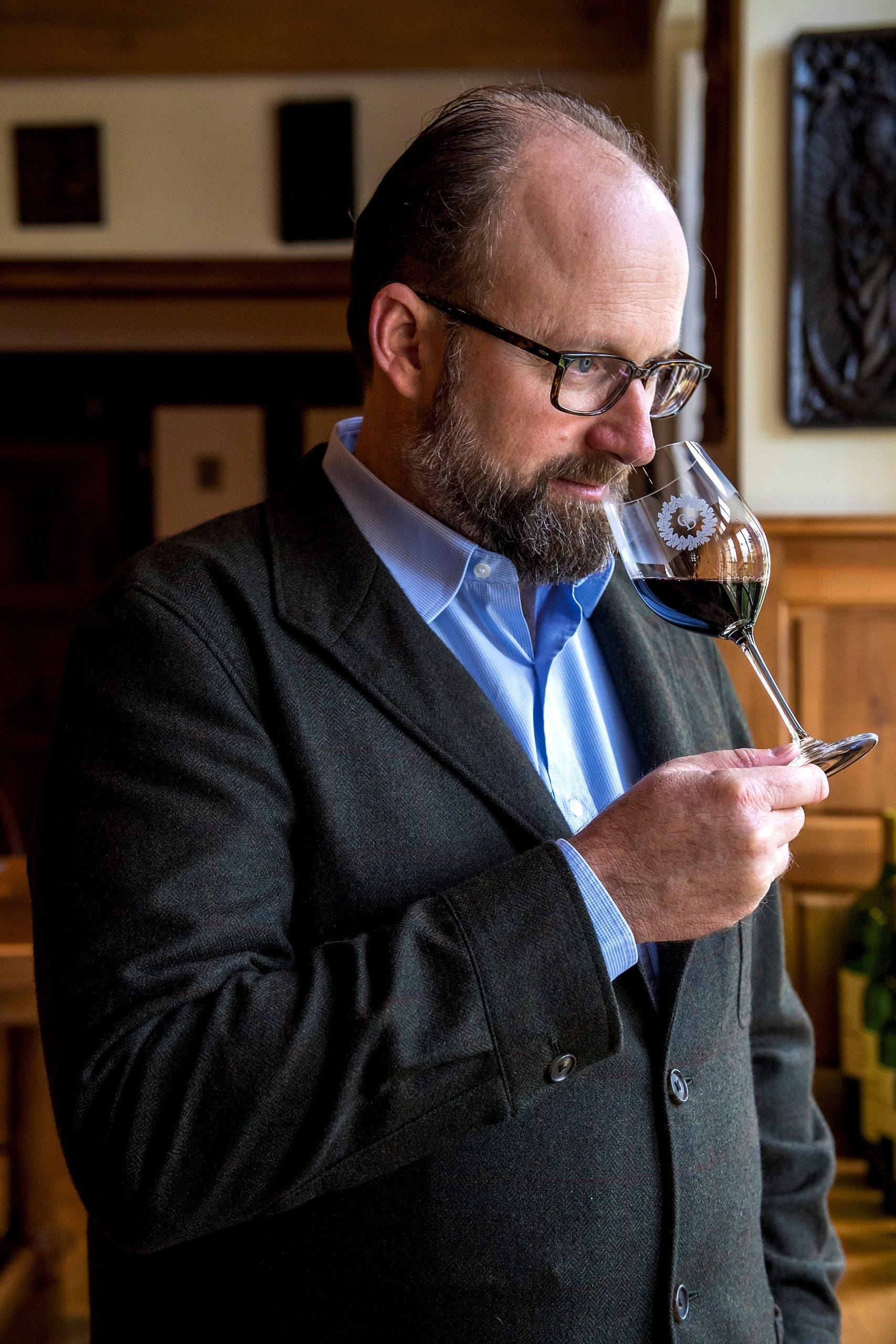
Above: Prince Robert of Luxembourg, Chairman & CEO of Domaine Clarence Dillon © Francois Poincet
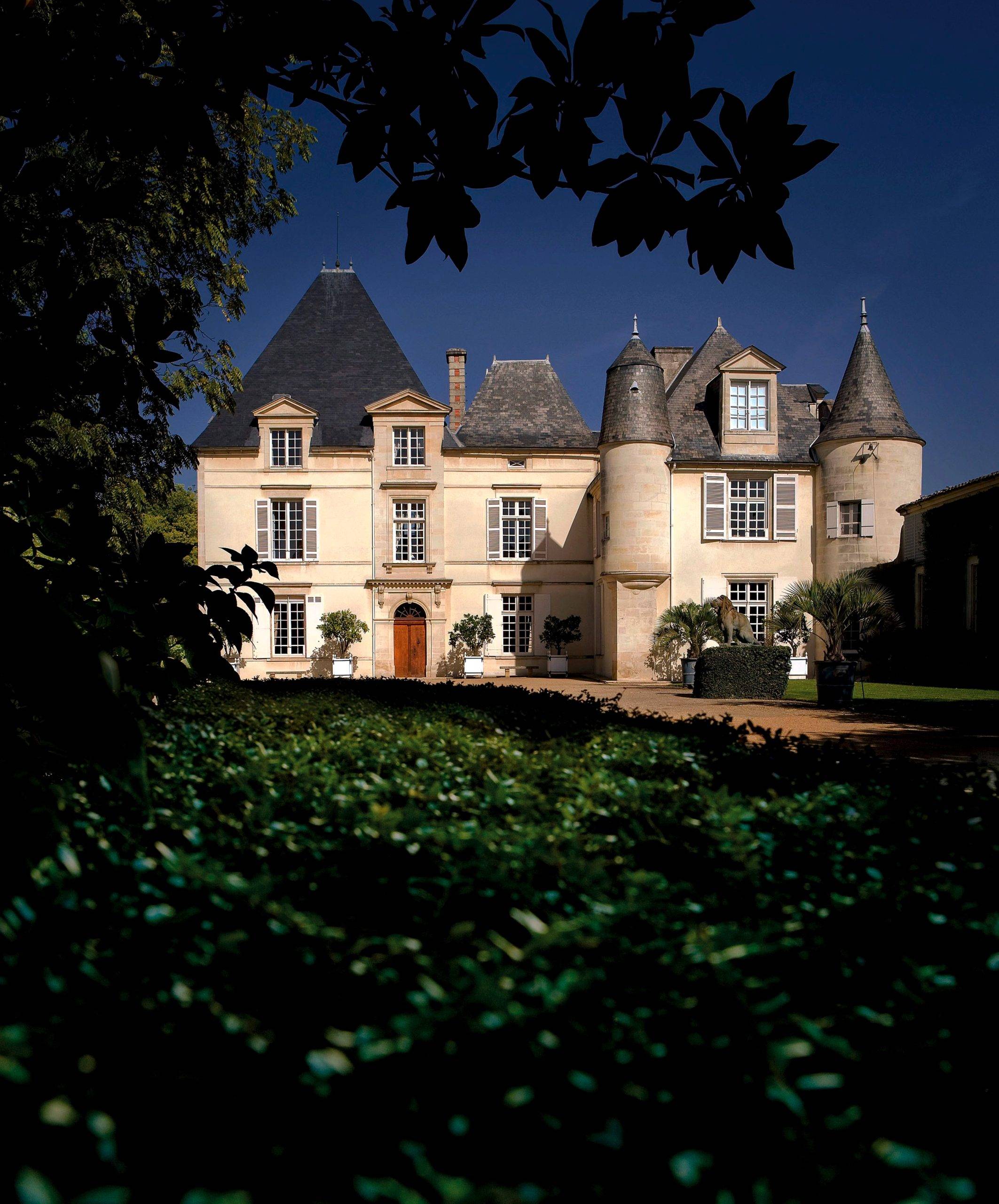
Above: The historic Château Haut-Brion, renowned as one of the most prestigious wineries in Bordeaux
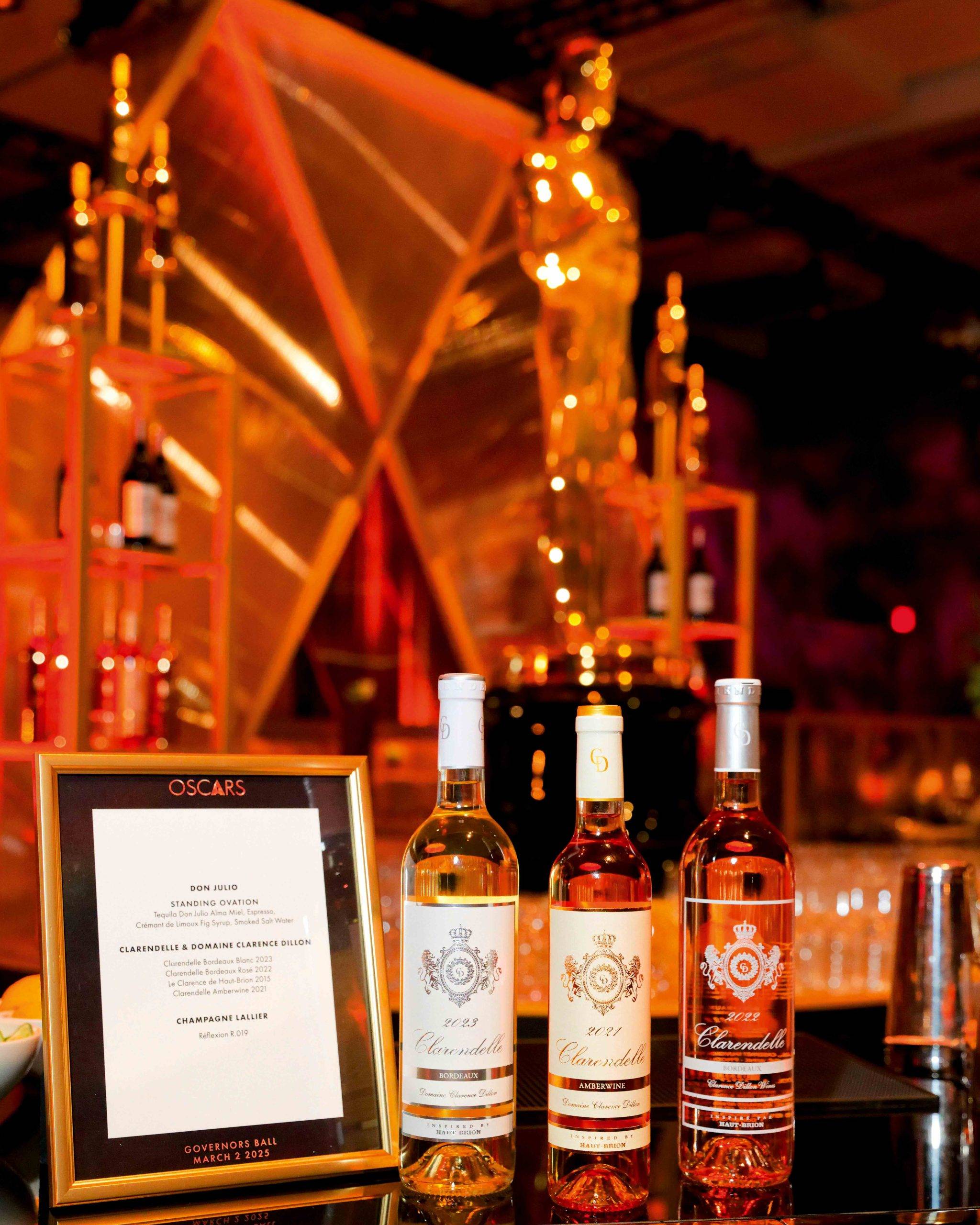
Above: Domaine Clarence Dillon is the official Oscars & Academy Museum of Motion Pictures partner © A.M.P.A.S.
When Prince Robert of Luxembourg joined Domaine Clarence Dillon three decades ago, he wasn’t stepping into a position so much as stepping into history. As the great-grandson of Clarence Dillon—who acquired Château Haut-Brion in 1935—Prince Robert represents the fourth generation in a family whose name is now etched into the bedrock of Bordeaux’s winemaking world. But far from resting on legacy, he has infused it with energy, creativity, and vision.
“I represent the fourth generation of a family that’s been involved with winemaking since my great-grandfather acquired Château Haut-Brion in 1935,” Prince Robert explains. “When I arrived, it really was just one estate. We had no offices on site, no offices in Paris. We had an accountant who came once a week to look at the books. It was a very different environment. No money had been taken out of the company for over 60 years. It was not considered an investment. It was really just a passion project.”
That model, he understood, could not sustain itself. “When I joined, the message I got was just ‘make great wine’, which is a very comfortable place to be in. But I told my grandfather that wasn’t enough. I wasn’t interested in just being a caretaker. I wanted to build a future.”
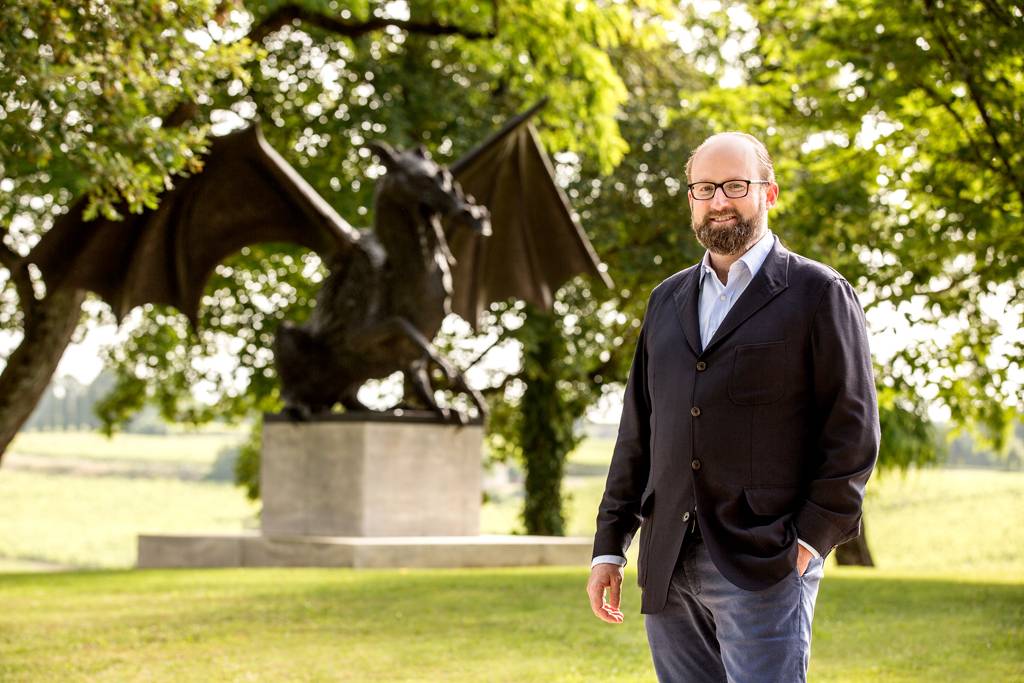
Above: Prince Robert of Luxembourg at Château Quintus, one of the wine estates owned by Domaine Clarence Dillon
That future began with growth—not just in scale but in spirit. Under Prince Robert’s leadership, Domaine Clarence Dillon expanded into new estates, including Château La Mission Haut-Brion (Grand Cru Classé de Graves) and Château Quintus (Saint-Emilion Grand Cru); launched a highly curated wine retail business, La Cave du Château, in Paris and Bordeaux; and founded Le Clarence, a two-Michelin-starred restaurant in the French Capital. United by more than ambition, these ventures represent the group’s unwavering commitment to excellence and Prince Robert’s deep desire to offer something authentic. “We’ve always focused on the top end of whatever it is that we do—in the greatest quality,” he says. “But soul is important to me, and differentiation matters.”
However, excellence, in Prince Robert’s world, doesn’t just mean polish. As Domaine Clarence Dillon looks toward its 90th anniversary, the family group is no longer defined solely by what’s in the bottle. It is, instead, a living ecosystem of vineyards and voices, experiences and ideas, all rooted in heritage but always evolving—and Le Clarence perfectly encapsulates this sweet spot between tradition and novelty. Housed in a Parisian mansion that mirrors Prince Robert’s Bordeaux château, it’s a culinary paradox by design. Traditional décor contrasts playfully with the unpredictable brilliance of the restaurant’s ever-evolving, no-menu cuisine, creating what Prince Robert describes as a “dislocation” that makes the experience memorable.
“Le Clarence was never about chasing trends,” he says. “We went countercurrent. I have always wanted to produce something that is true and therefore legitimate, something that people can feel. Today, I find that in many places—the fancy hotels and restaurants—they all seem quite similar. It’s the same decorator, the same style. But when we live something that is different, and therefore somewhat unique and also imperfect—like our wines—that gives them an extra dimension. Which is ultimately about seeking the sublime.”
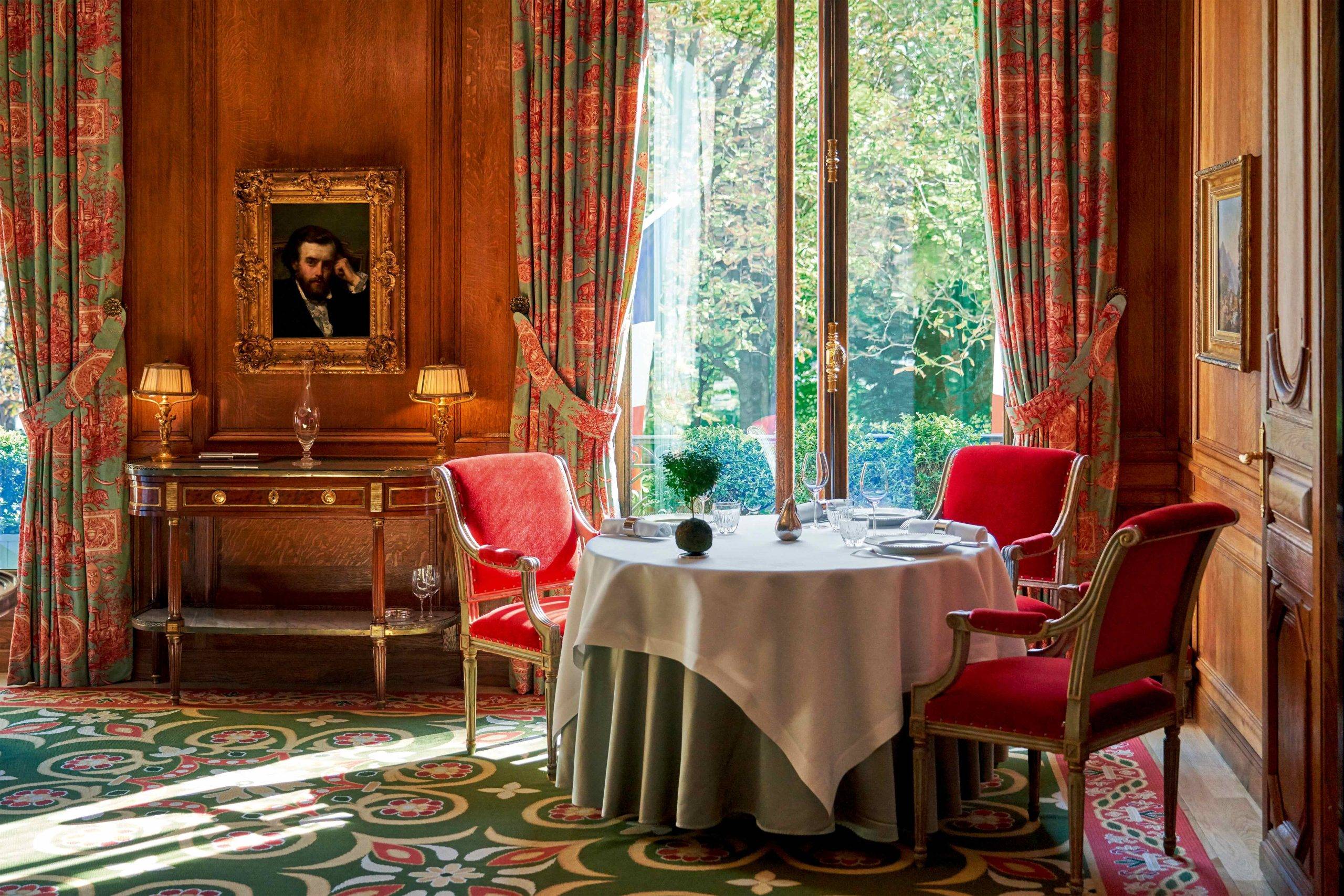
Above: Dining area at Le Clarence, the two-Michelin-starred restaurant in Paris owned and operated by Domaine Clarence Dillon © Richard Haughton
Perhaps nowhere is the search for the sublime more visible than in the way the company engages directly with its audience. From creating the Clarendelle label, now a respected name in accessible fine wine, to cinematic product placements and a growing digital presence, Prince Robert has steadily pulled the company closer to the people who drink its wines, allowing Domaine Clarence Dillon to expand its reach without diluting its identity.
Central to this identity is the understanding that wine is more than a product; it is a narrative medium and an ever-evolving legacy. “We’ve had vines planted since the first century AD. These wines have been enjoyed for over 2,000 years. So, how do you maintain relevance today for people who are only just discovering wine? That’s the challenge— and the joy,” says Prince Robert. The next chapter in his engagement strategy is the launch of a dedicated hospitality company, scheduled for autumn 2026. “I don’t know exactly what it will look like yet,” he admits. “But it will be groupwide. It’ll touch on all our different entities.”
Innovation has become a hallmark of Prince Robert’s work at Domaine Clarence Dillon, and 2026 will mark yet another significant milestone: the launch of an ambitious new visitor experience at Château Haut-Brion. “We’re building what I hope will be not only the best winemaking facilities but also a carbon-neutral building and a cultural experience unlike anything else in Bordeaux,” he says. This includes a growing collection of over 6,000 gastronomic and oenological documents and artefacts—from papal wine orders to Charles de Gaulle’s presidential cellar logs. “It’s become the biggest collection of gastronomic and wine antiquarian books of its type in the world, and we’re using these objects and anecdotes as props, if you will, to guide people through and tell our stories.”
And while prestige follows Domaine Clarence Dillon, accessibility remains a goal. “We want to be open for everyone—and yet we can’t be open to everyone. There’s a challenge in maintaining soul and exclusivity without becoming exclusionary.”
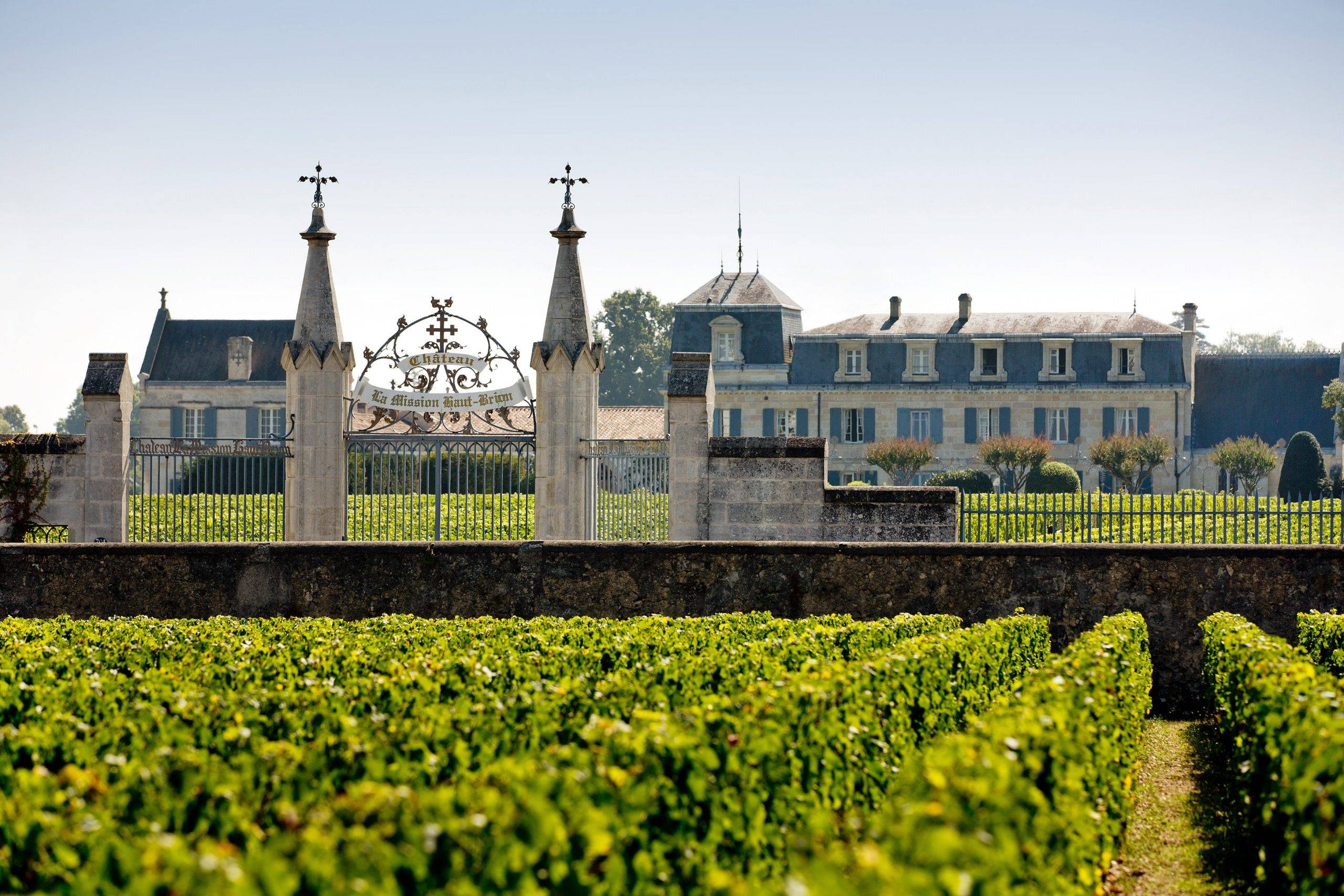
Above & Featured: Château La Mission Haut-Brion in Pessac-Léognan is one of the wine estates owned by Domaine Clarence Dillon © Leif Carlsson
Throughout his career, Prince Robert has also placed great emphasis on philanthropy and resilience, and this has taken an even more personal turn as of late. “My son was very ill and passed away recently, which changed everything for me. I stopped all international travel to focus on family. We also founded the POLG Foundation in his honour, and my wife is very focused on that. It’s been a challenging few years, but life is beginning to shift again.”
That shift includes stepping back from executive duties. In April, Prince Robert appointed the company’s first nonfamily CEO, allowing him to concentrate more fully on creativity and strategic growth—his forte, and the parts of the business he enjoys most. Another one of his strengths is long-term thinking. Whether through forging meaningful partnerships with the Oscars, crafting brand identities in Asian markets, or designing immersive visitor spaces, he sees Domaine Clarence Dillon not just as a company but as a cultural force.
“The younger generations are drinking less—but drinking better,” he notes. “And they want more than just a bottle. They want a story, an experience, something unique and authentic. That’s what we’re building.”
In many ways, the transformation of Domaine Clarence Dillon mirrors the man at its helm—rooted in heritage but never bound by it. “There’s always more to be done. We’re far from where I’d like to be,” he admits. “But that’s the point, isn’t it? You keep evolving.” And evolve he has—turning a historic estate into a living, breathing entity, as soulful as the wines it produces.
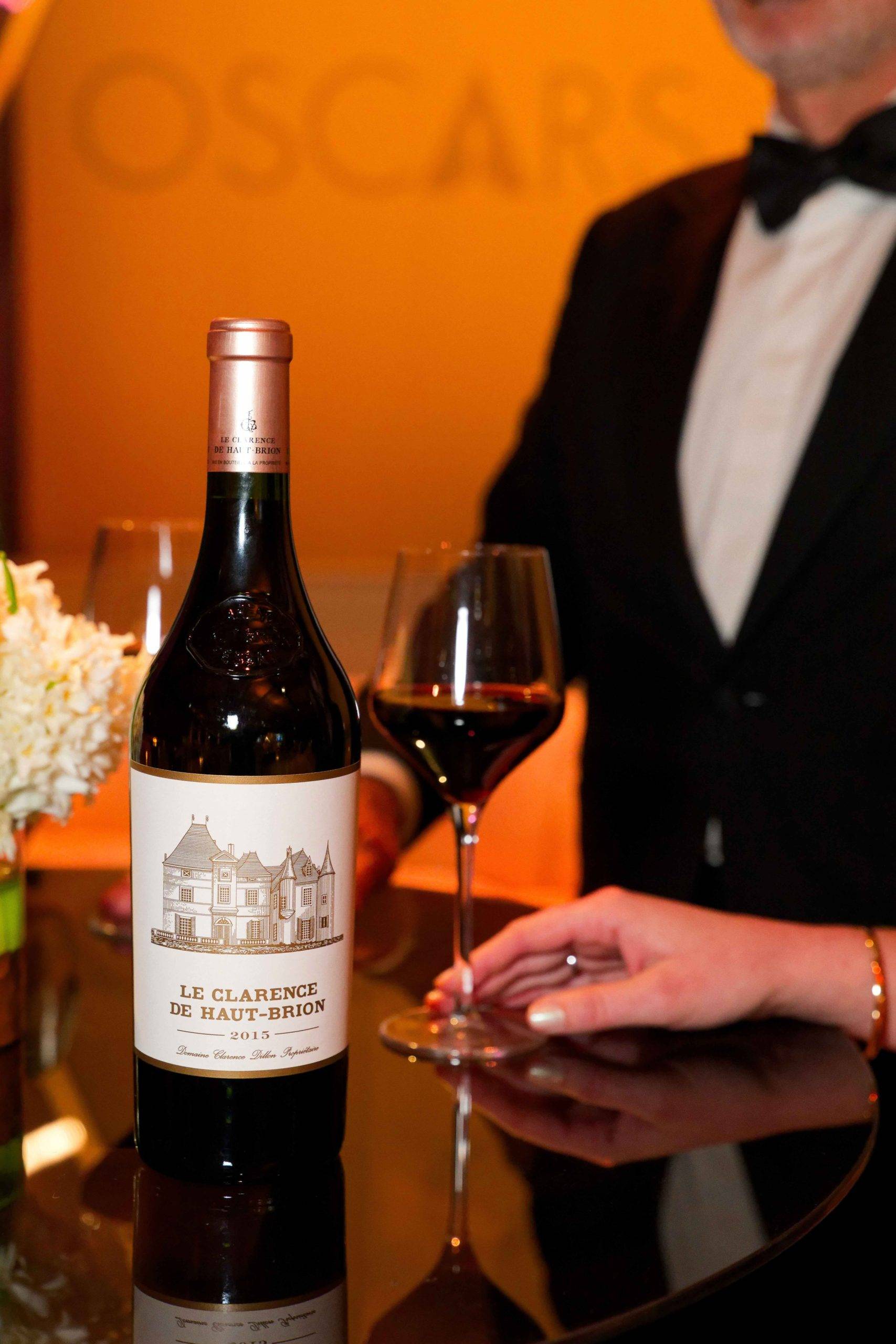
Above: Domaine Clarence Dillon’s wines at the Oscars & Academy Museum of Motion Pictures events © A.M.P.A.S.
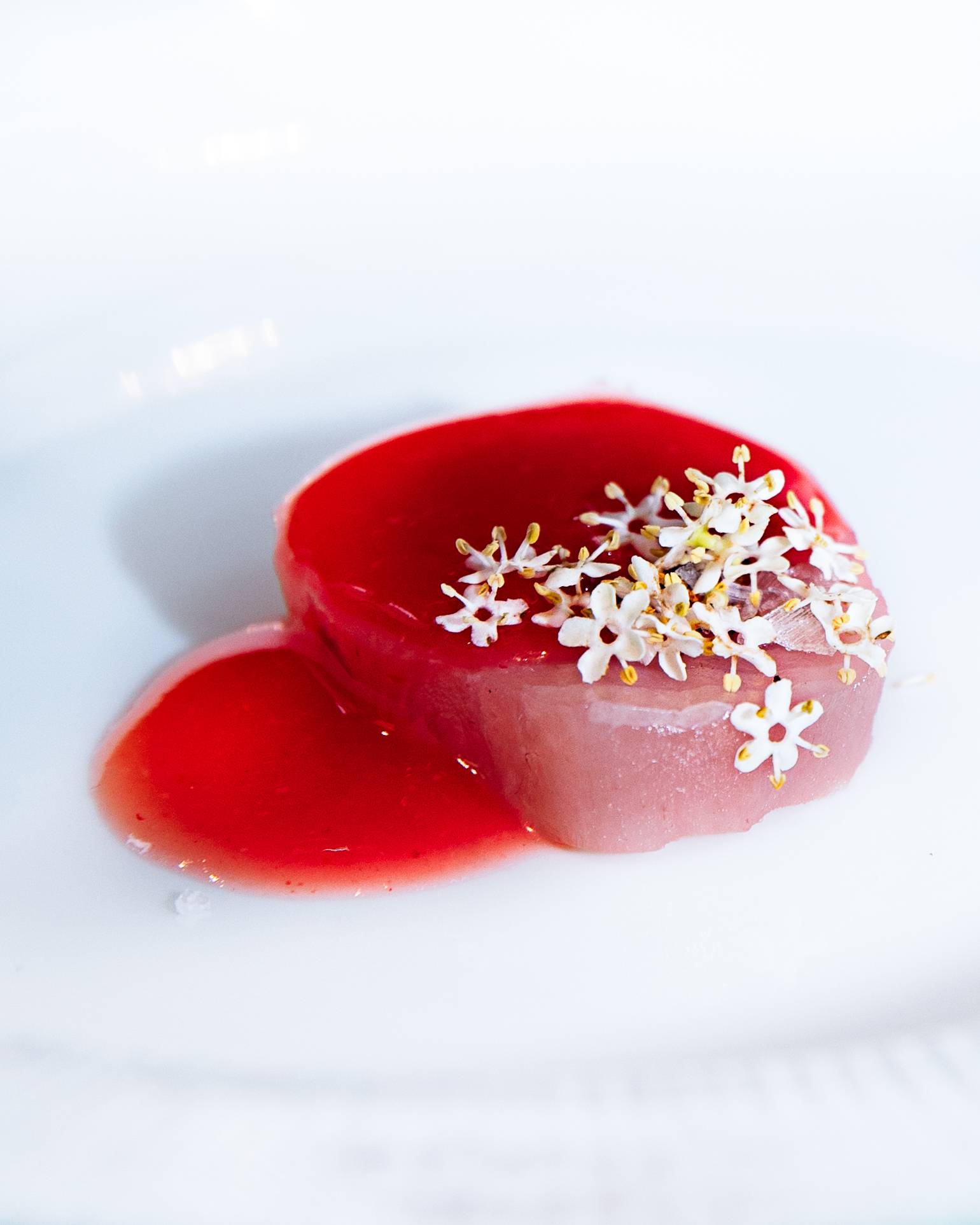
Above: Cuisine at two-Michelin-starred Le Clarence © Clemence Losfeld
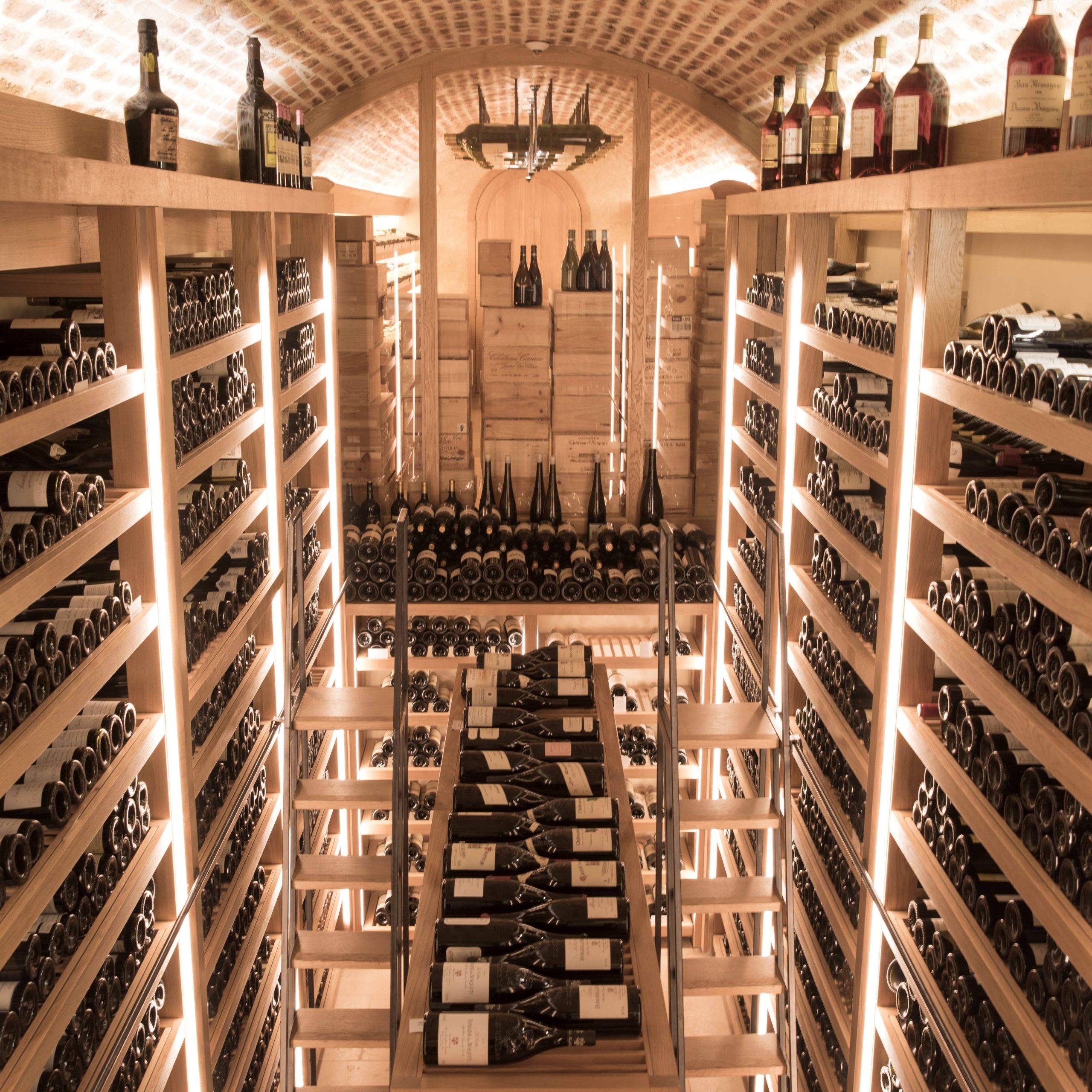
Above: The wine cellar at two-Michelin-starred Le Clarence in Paris
To find out more about Prince Robert of Luxembourg and Domaine Clarence Dillon, visit the website.