


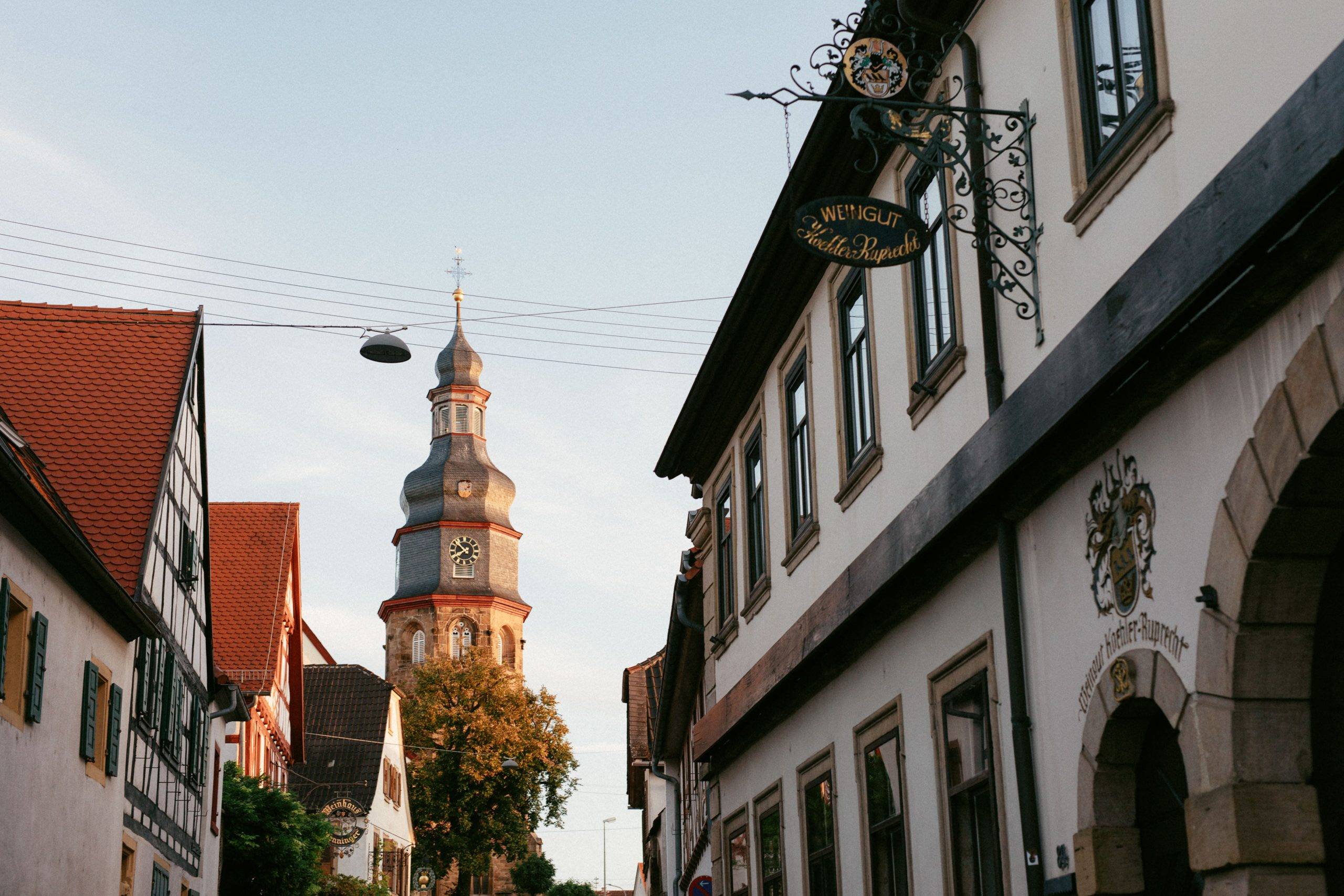
Wine fashion has a habit of moving quickly. Classifications shift, cellar methods evolve, labels change, and producers often adjust their language to suit the market’s mood. Koehler-Ruprecht, in the Pfalz village of Kallstadt, has taken a rather different view. Here, the point is not to look old-fashioned for the sake of it, but to protect a way of making wine that the estate believes still has meaning.
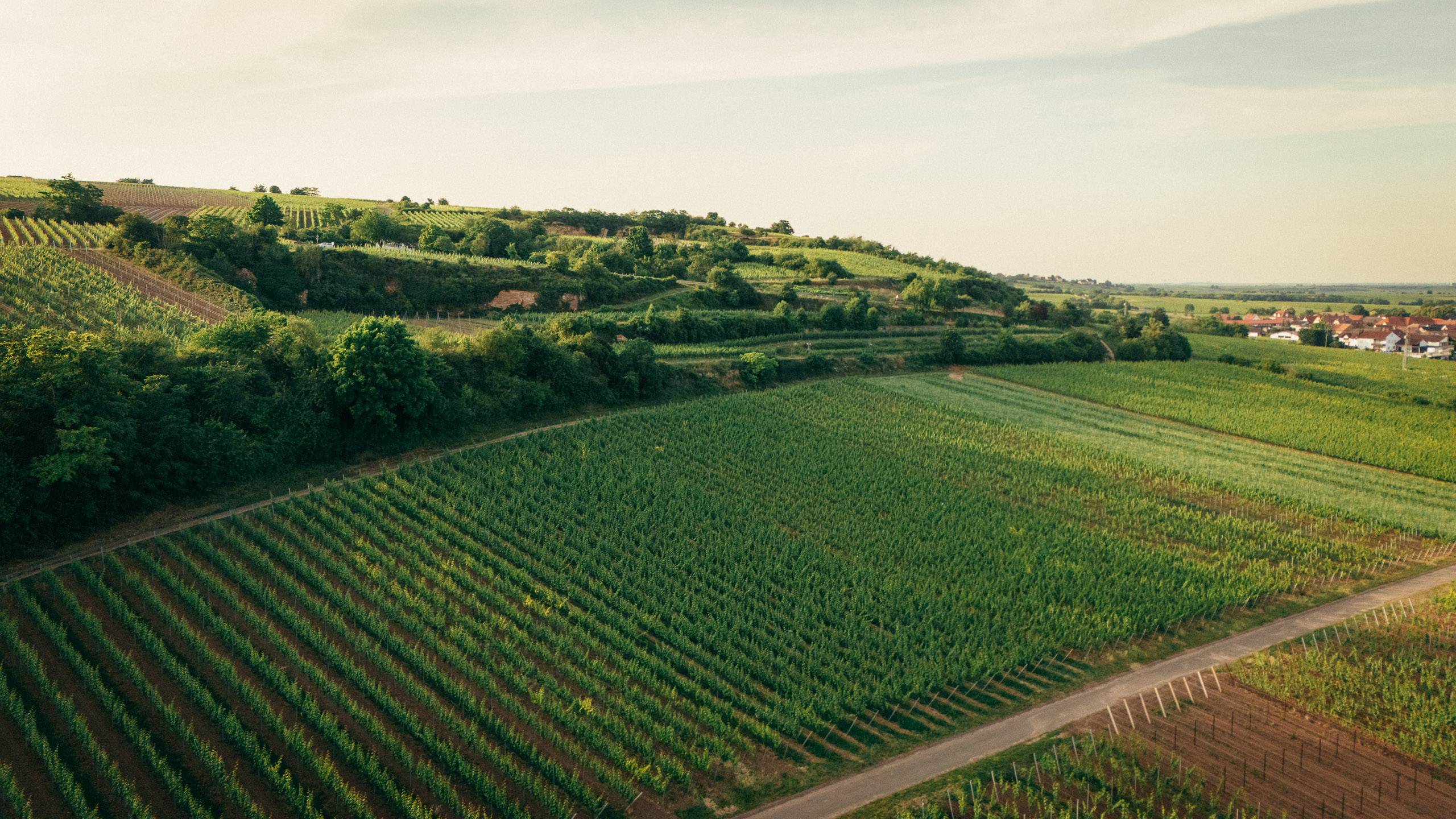
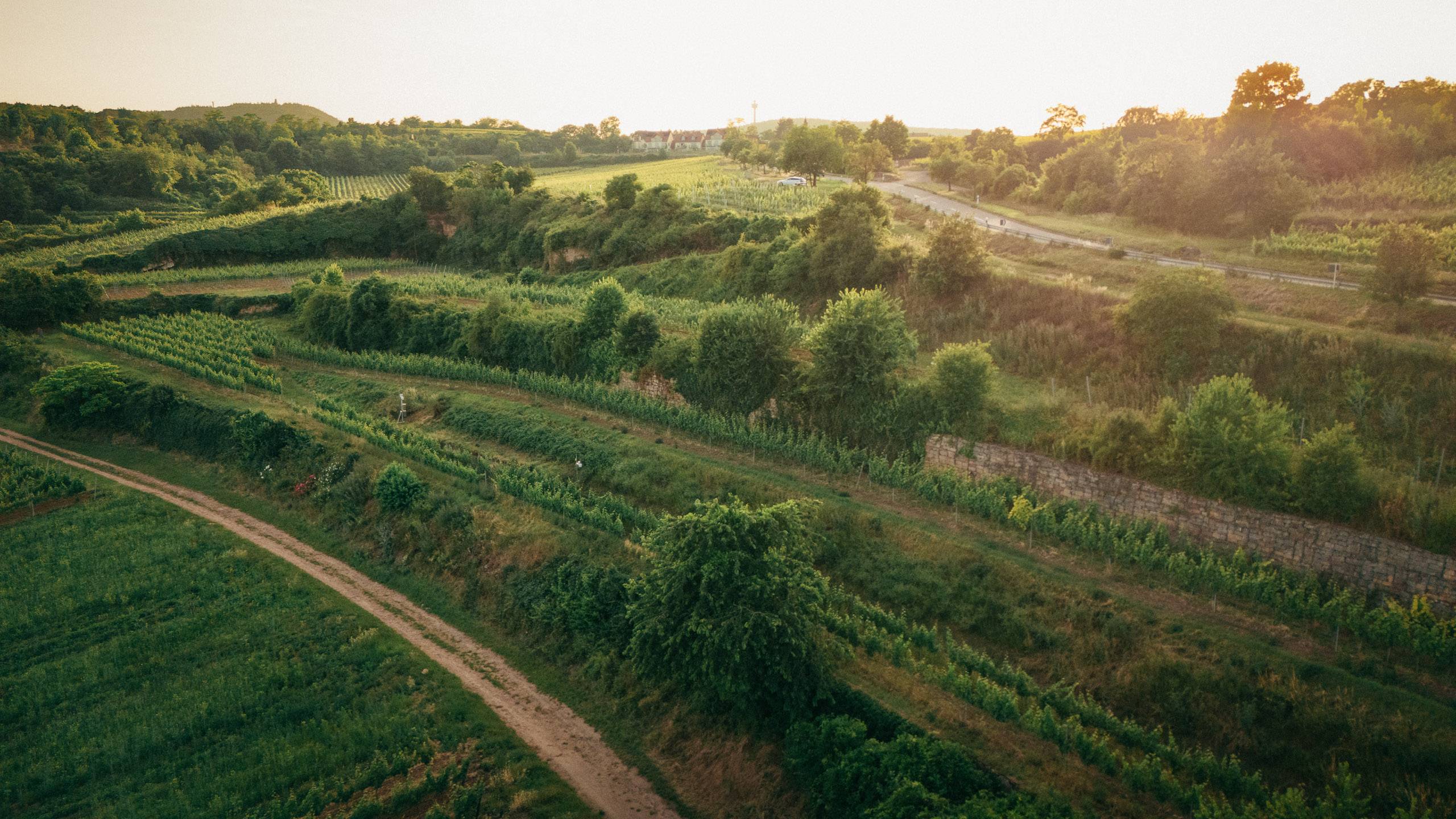
Set in the centre of Kallstadt on the German Wine Route, the winery farms 16 hectares of limestone-influenced vineyards, including important parcels in the celebrated Kallstadter Saumagen. It is one of the region’s historic names, but its reputation rests less on nostalgia than on a very clear sense of conviction. Koehler-Ruprecht produces wines with structure, texture and a strong expression of origin, shaped by selective hand harvesting, spontaneous fermentation and long ageing in old wood.
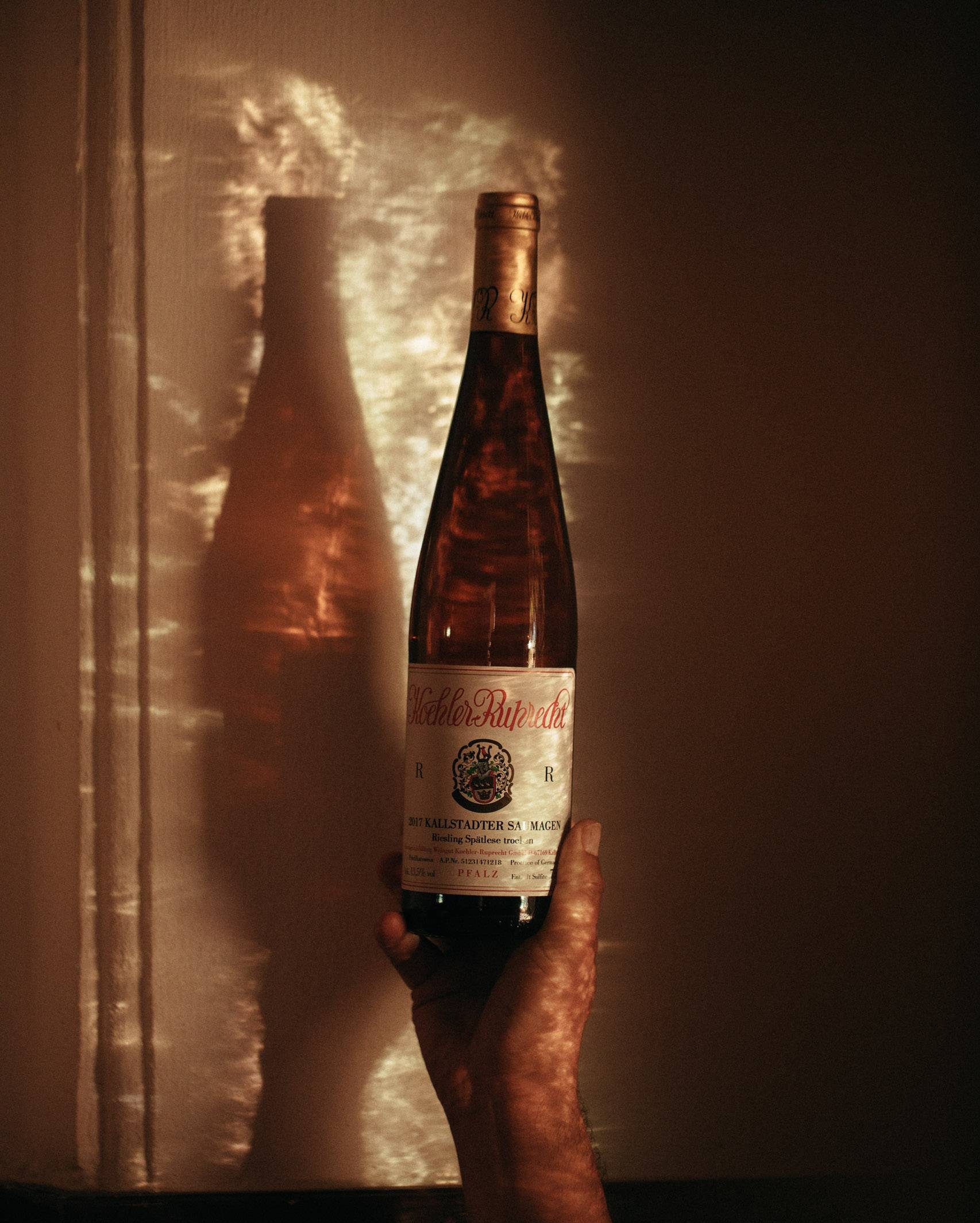
The defining point of the estate’s philosophy is its commitment to the traditional Prädikat categories. While many German producers have moved away from using terms such as Kabinett, Spätlese and Auslese for their top dry wines, Koehler-Ruprecht continues to treat them as essential markers of style and character. A Kabinett trocken, a Spätlese trocken and an Auslese trocken are not simply different levels on a label. For the estate, they are distinct wine types, each expressing a different relationship between ripeness, vineyard, vintage and structure.
This is more than a question of terminology. By remaining faithful to dry Prädikat wines, Koehler-Ruprecht accepts stricter legal requirements than many producers choose for comparable dry wines. Most importantly, the estate rejects chaptalisation entirely. There is no enrichment of must, no attempt to adjust the wine into a predetermined shape. The ripeness of the grapes and the character of that specific year are allowed to influence the overall character.
In a wine world often inclined towards intervention, this is a refreshing stance. Koehler-Ruprecht’s approach is not about refusing progress, but about knowing when not to interfere. The wines are not pushed towards consistency. They are expected to carry the marks of the vineyard and the season, even when those marks are subtle, difficult or less on-trend.
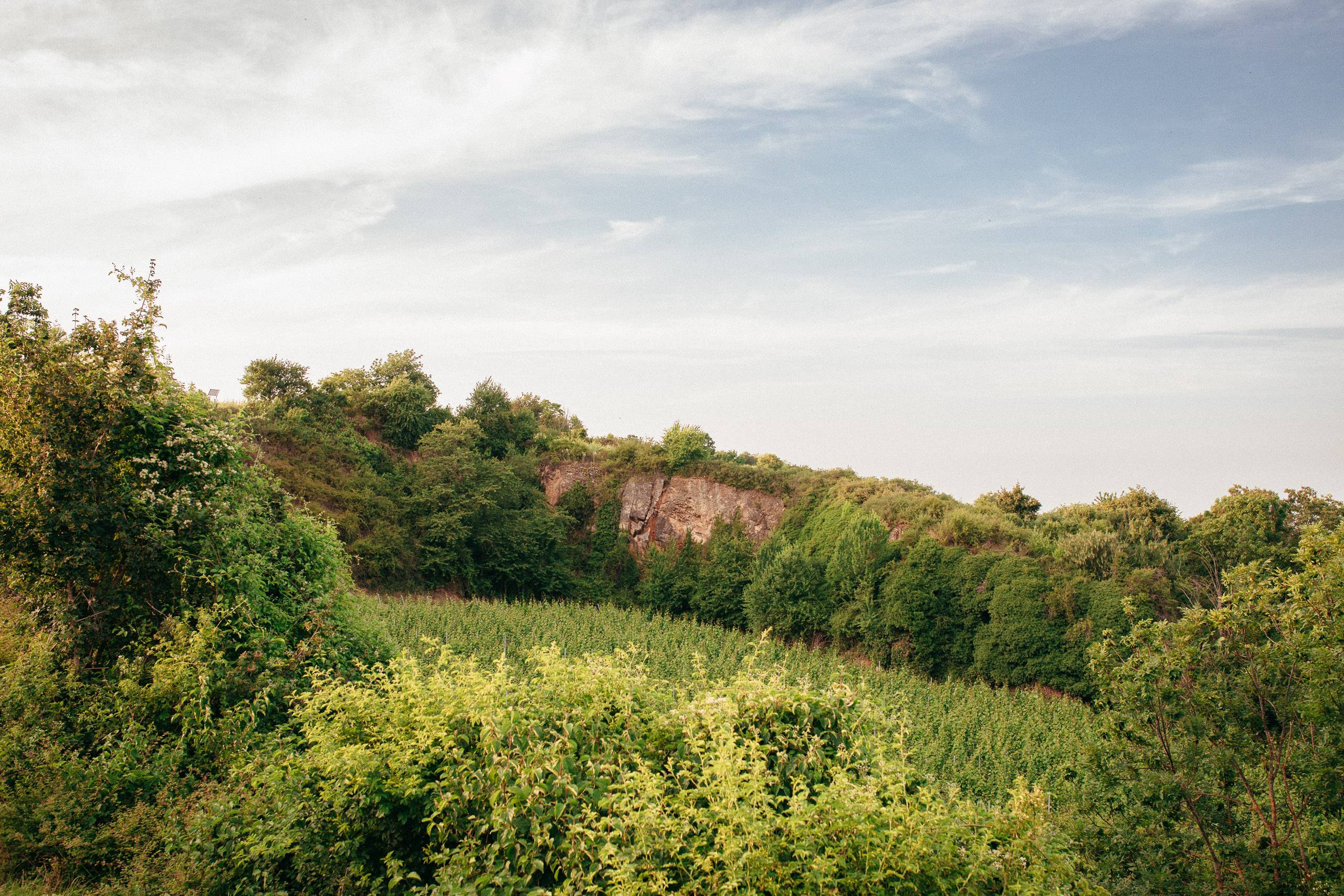
The Kallstadter Saumagen is central to that story. Lying on the western edge of the village, the site is widely regarded as one of Kallstadt’s finest vineyards and one of Germany’s great Riesling sources. Its limestone and sandstone soils help give the wines their mineral drive, savoury depth and capacity to age. The Wine Advocate has previously drawn attention to the Saumagen as one of Germany’s iconic Rieslings, and the site remains closely tied to Koehler-Ruprecht’s identity.
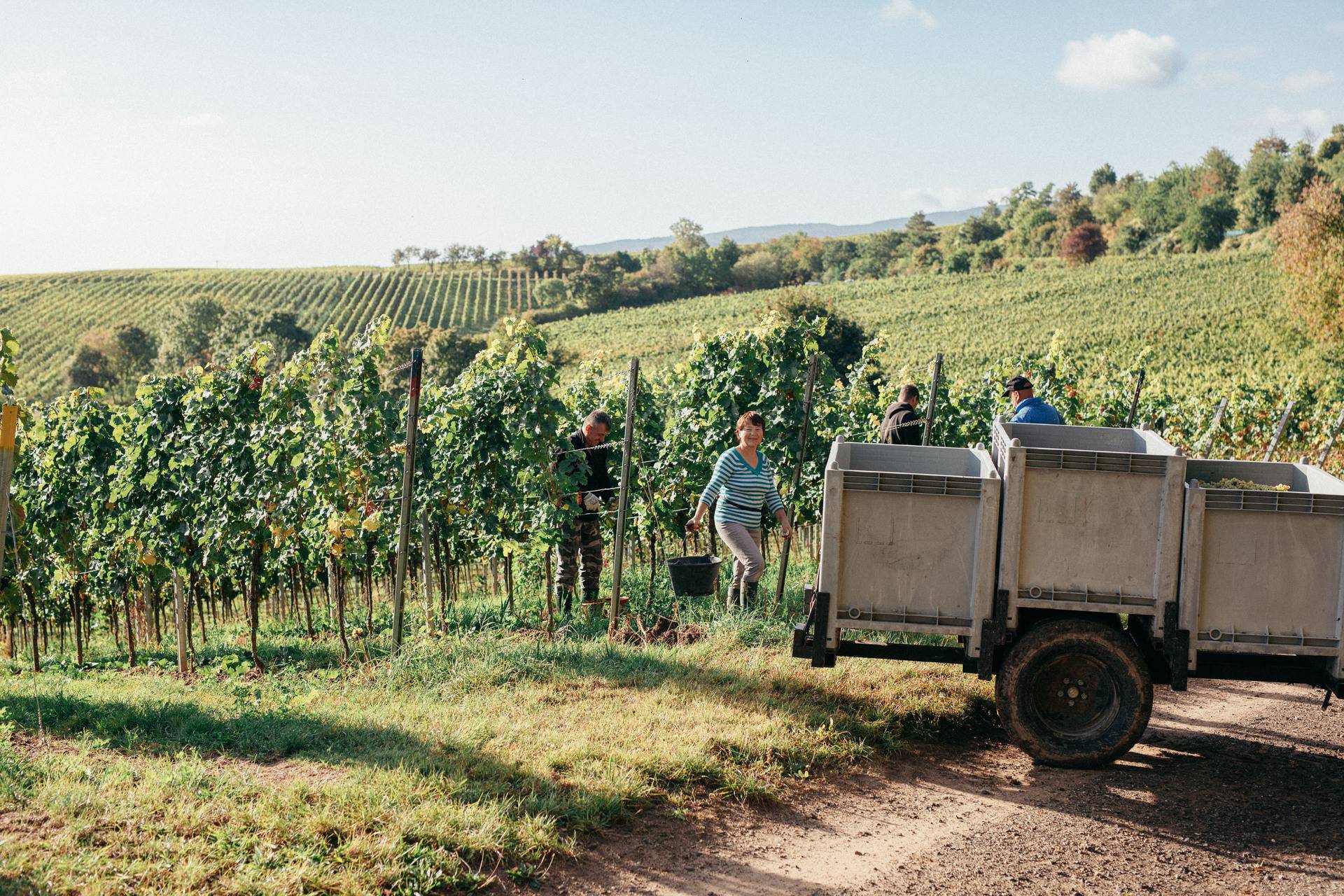
That identity begins in the vineyard. The estate avoids official certification, not because sustainability is an afterthought, but because it wants to retain the freedom to make decisions according to the needs of each parcel. Herbicides are entirely prohibited. Natural ground cover and mechanical soil cultivation are used instead, and when vineyard areas are replanted, the soil is given a longer rest period than legally required. Deep-rooting cover crops help restore vitality after years of cultivation.
Koehler-Ruprecht also takes a considered approach to plant protection. Rather than relying heavily on copper, which can accumulate in the soil over time, the estate uses potassium phosphonates, a method it regards as more ecologically responsible. It also works with selected biodynamic tools, including compost teas and plant extracts, to support the vines’ natural resilience.
There is also particular care bestowed upon the estate’s old vines, which are seen as one of its most valuable assets. Pruning is carried out in a way that minimises wounds and protects sap flow, with the aim of extending plant life. All single-vineyard wines are harvested by hand, often through multiple passes in the same parcel, so that grapes can be picked at the right point of physiological ripeness and separated according to the appropriate Prädikat level.
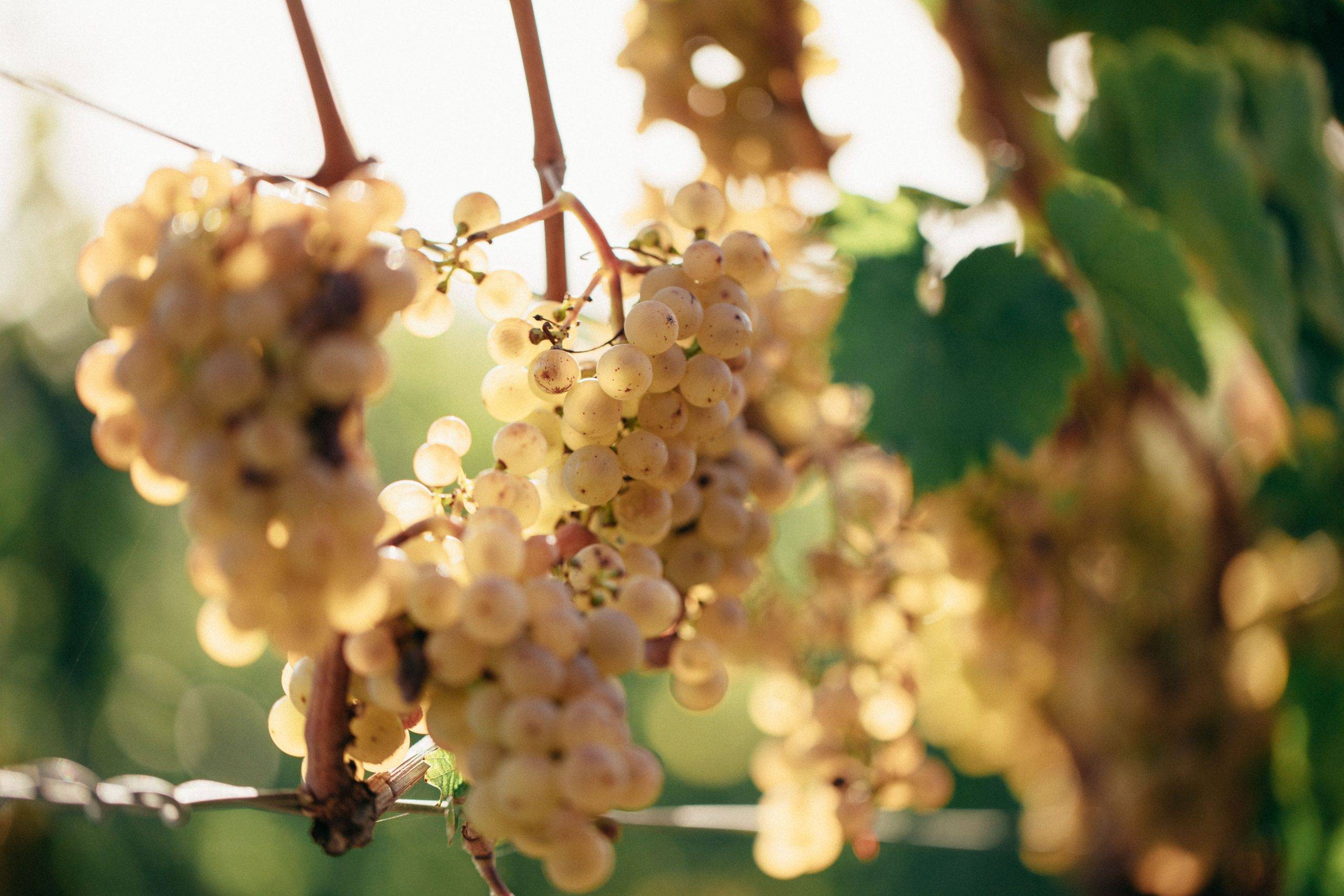
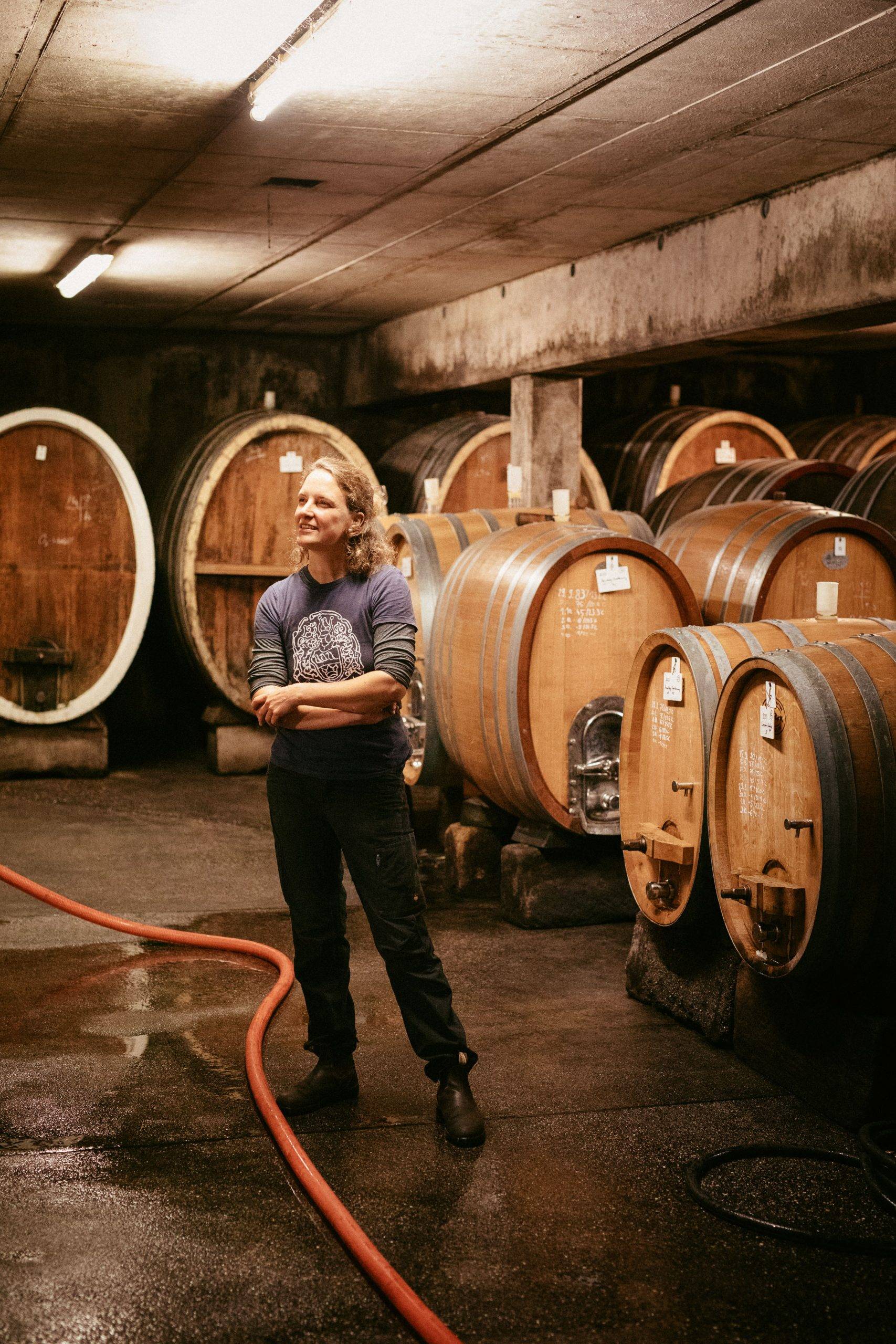
In the cellar, the methods are just as precise. Koehler-Ruprecht describes its work as low-intervention and deliberately old school. All wines ferment spontaneously, relying on the natural yeasts from the vineyards and the atmosphere of the historic cellar. Time, rather than technique, is the main tool.
The estate’s Rieslings are aged exclusively in large, used wooden casks made from Palatinate oak, along with a small number of very old chestnut casks. All of the Riesling casks are between 50 and 200 years old. Their purpose is not to add flavour. They are neutral vessels, valued for the gentle micro-oxygenation they provide and for the way they allow texture to develop without covering the wine with oak.
Every wine remains in cask for around 11 months, regardless of classification. During that period, there is only one racking, a decision that helps preserve structure and natural CO₂. Younger barrels are reserved for varieties such as Chardonnay, Pinot Blanc and Pinot Noir, where a different kind of ageing may be appropriate. Among the estate’s most distinctive wines are the “R” bottlings from the Saumagen. These are not created according to a formula. They emerge through natural selection, drawn from specific plots and casks that, over the course of ageing, show a particular depth, tension or individuality.
Koehler-Ruprecht’s place in German wine is also guided by what it has chosen not to do. The estate is no longer part of the VDP, the influential association behind the Grosses Gewächs system, yet its top dry wines continue to fall outside that category because they remain tied to the traditional Prädikat system. For some drinkers, that distinction may seem technical. In the glass, it becomes clearer. These are wines that place natural ripeness, site and vintage above standardised hierarchy.
What makes Koehler-Ruprecht stand out today is not simply that it preserves tradition. It is that the tradition still feels useful. In an age when many wineries speak about authenticity, the estate has built its identity around a set of practical choices: no chaptalisation, hand harvesting, spontaneous fermentation, old neutral casks, patience in the cellar and a serious respect for the vineyard.
The result is a delightful selection of wines that feel both timeless and uniquely expressive. They aren’t meant to charm instantly or reveal all their secrets at once. They ask for attention, and often for time. For those willing to give it, Koehler-Ruprecht offers one of the clearest arguments for why dry Prädikat wine remains meaningful—not just as a piece of history, but as a vibrant expression of Riesling, limestone, and terroir.
To find out more about Koehler-Ruprecht and its wines, visit the links below:
Weingut Koehler-Ruprecht
Weinstraße 84
67169 Kallstadt
Germany
Web: koehler-ruprecht.com
Tel: +49 (0) 6322 1829
Email: info@koehler-ruprecht.com
Images © Lucie Greiner