



Review: The Royal Crescent Hotel & Spa
Rowena Marella-Daw samples a slice of life in an iconic corner of Bath.
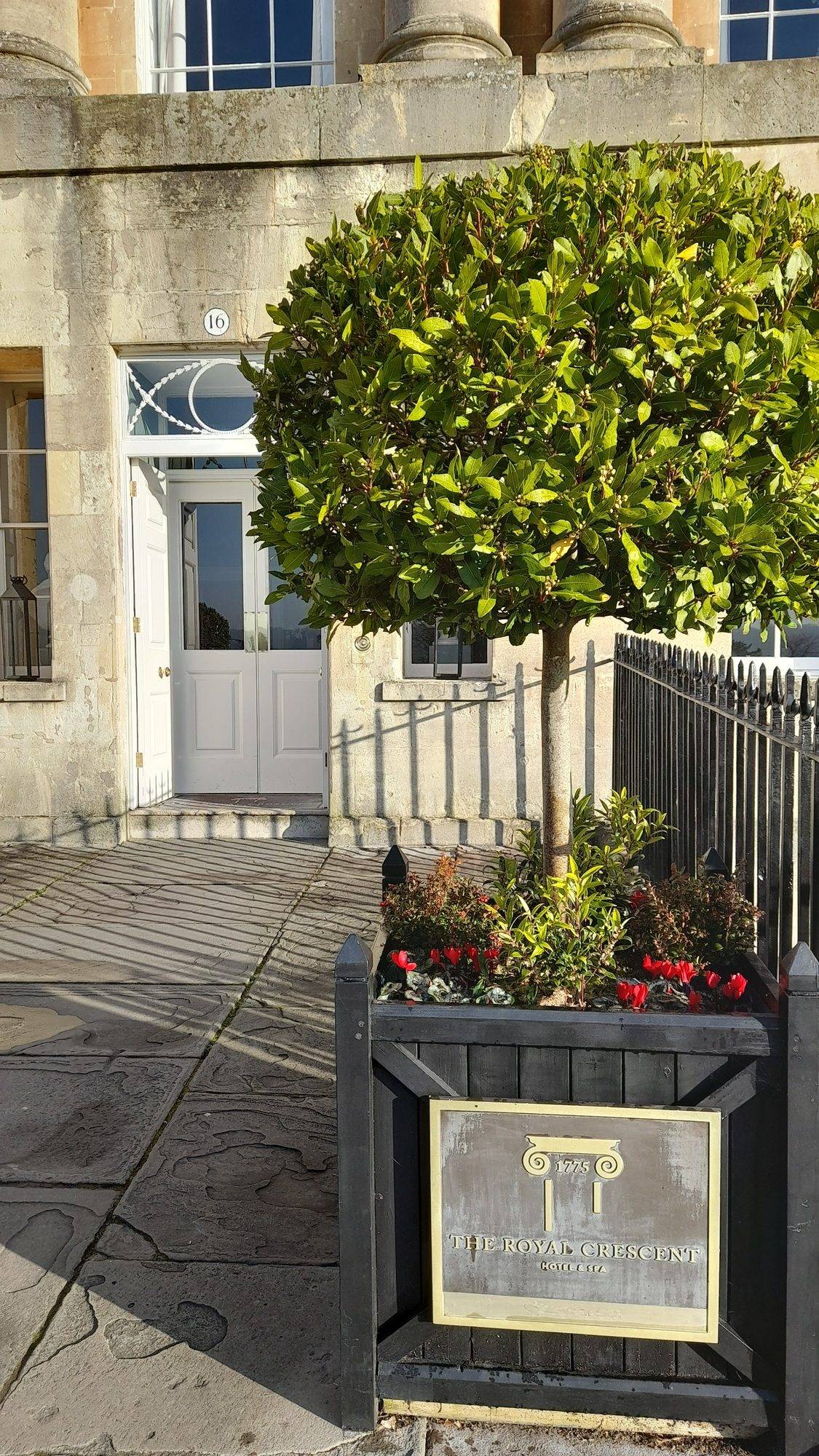
Hote entrance © Rowena Marella-Daw
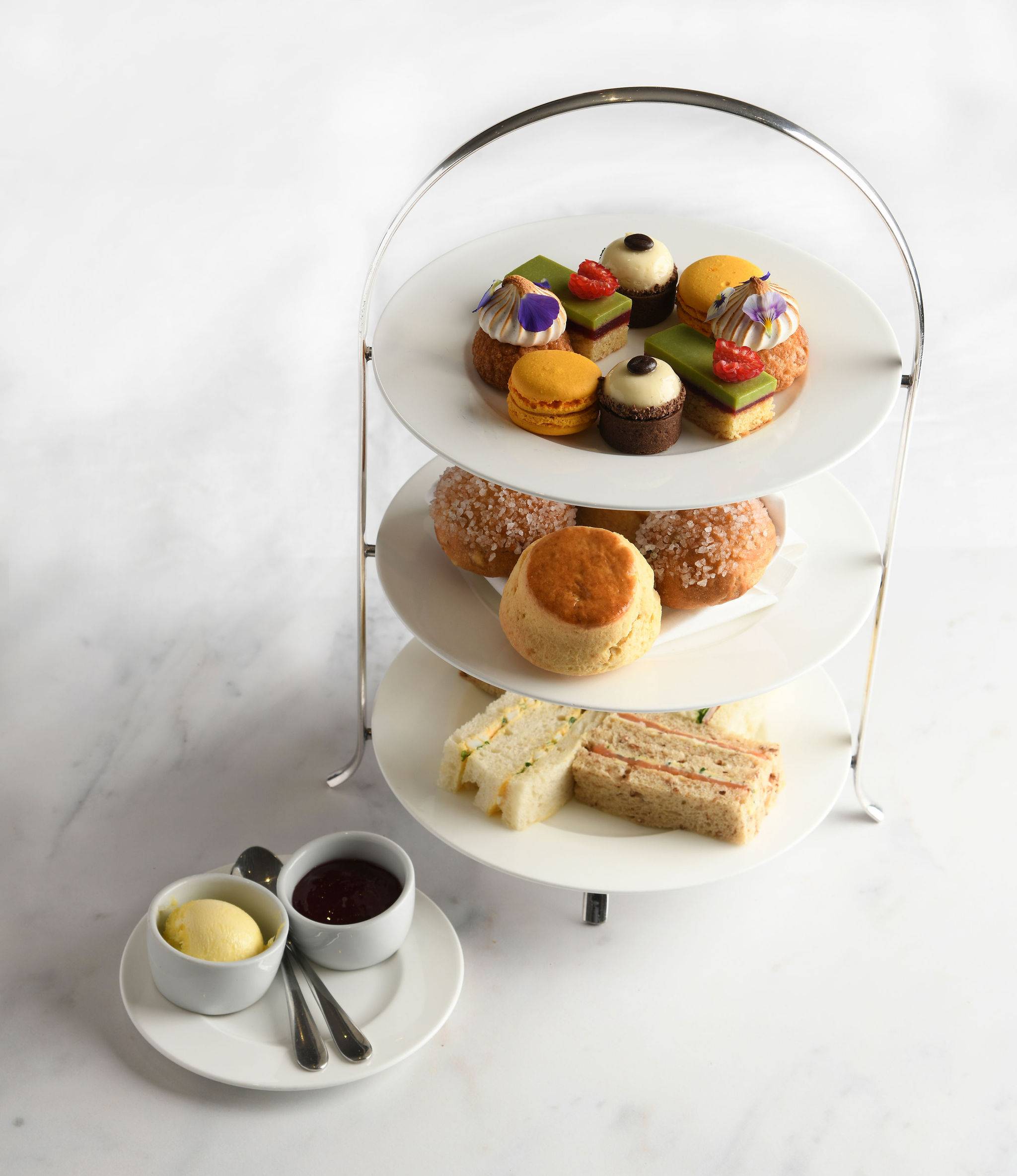
Afternoon Tea at The Royal Crescent Hotel & Spa
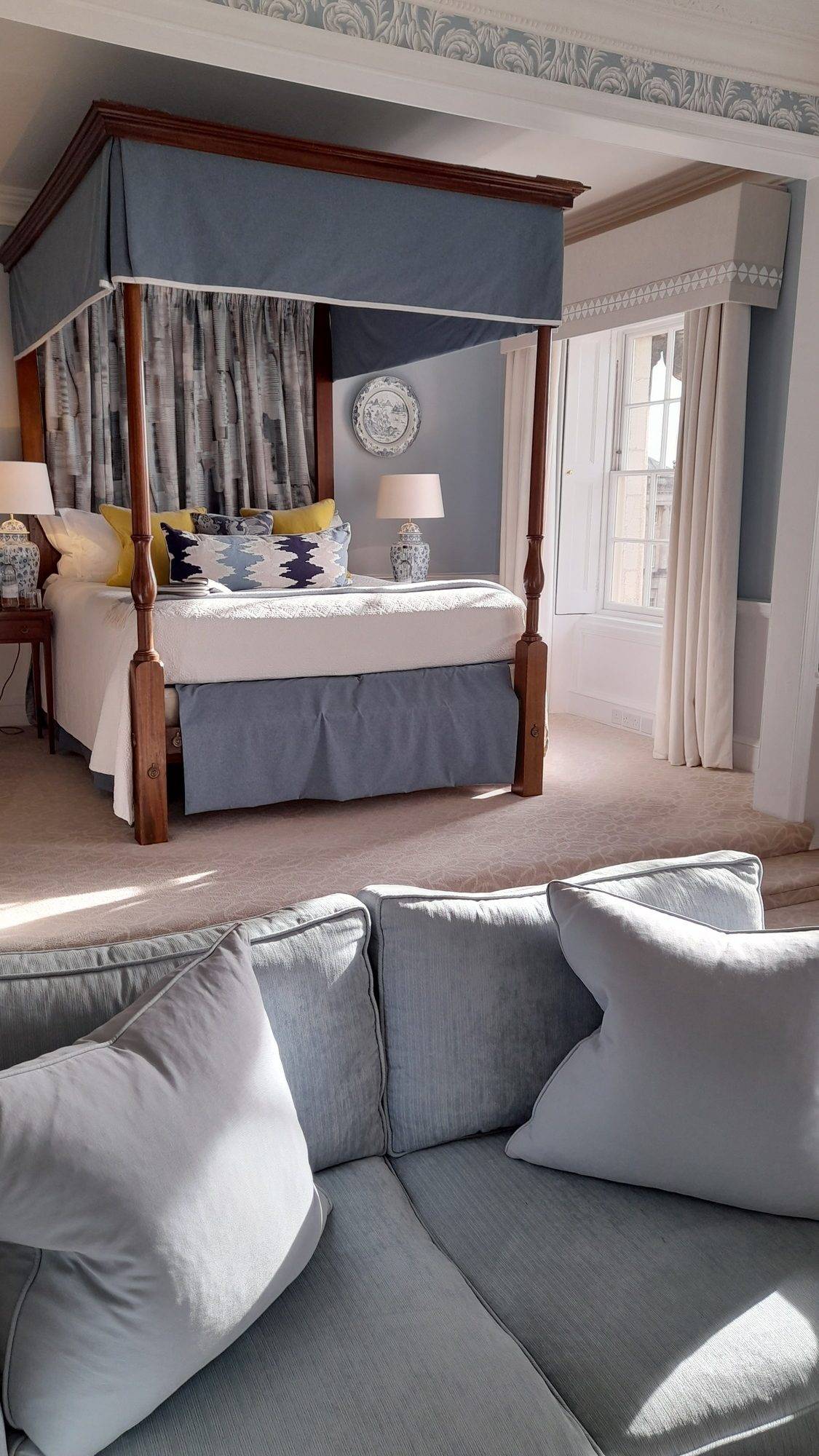
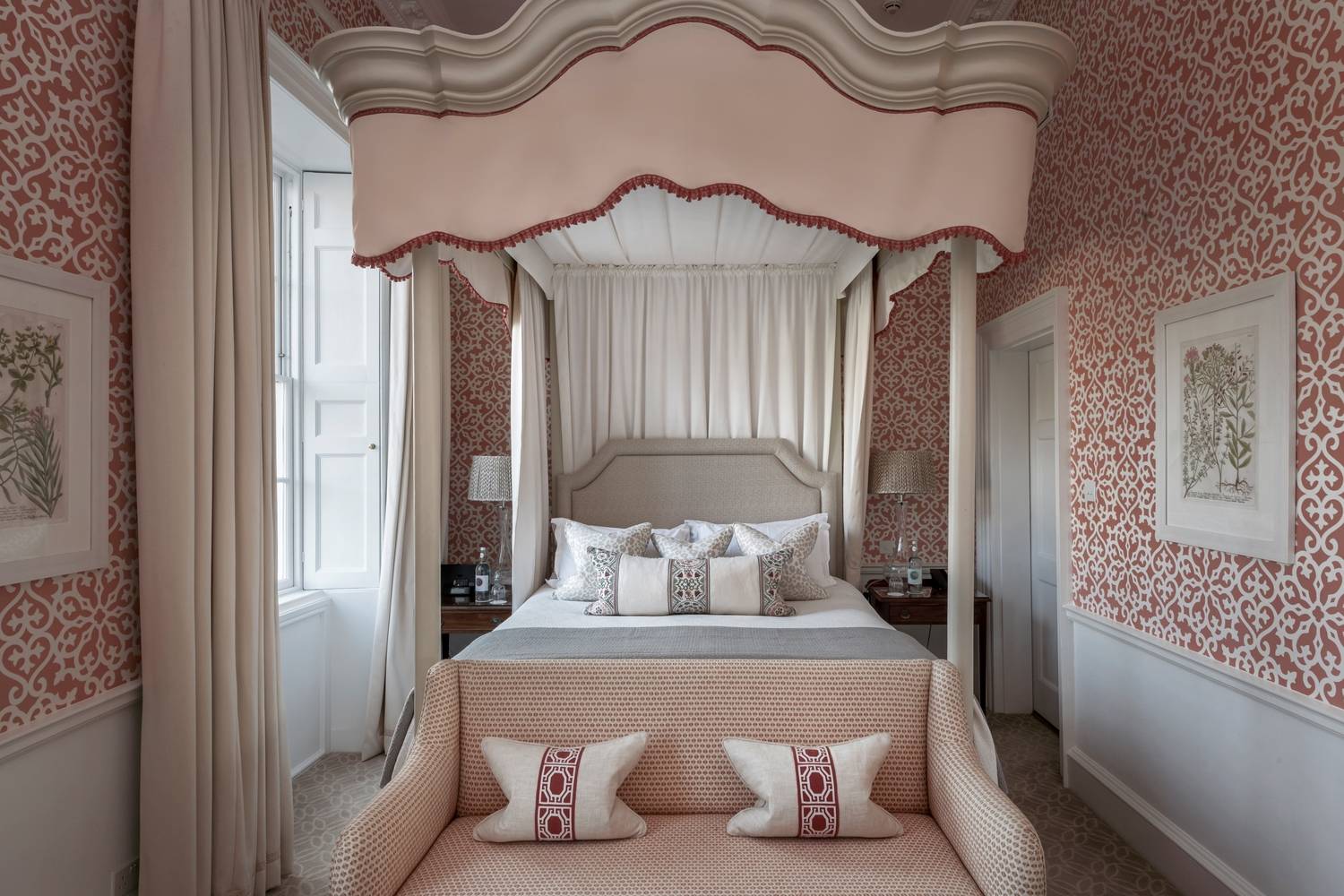
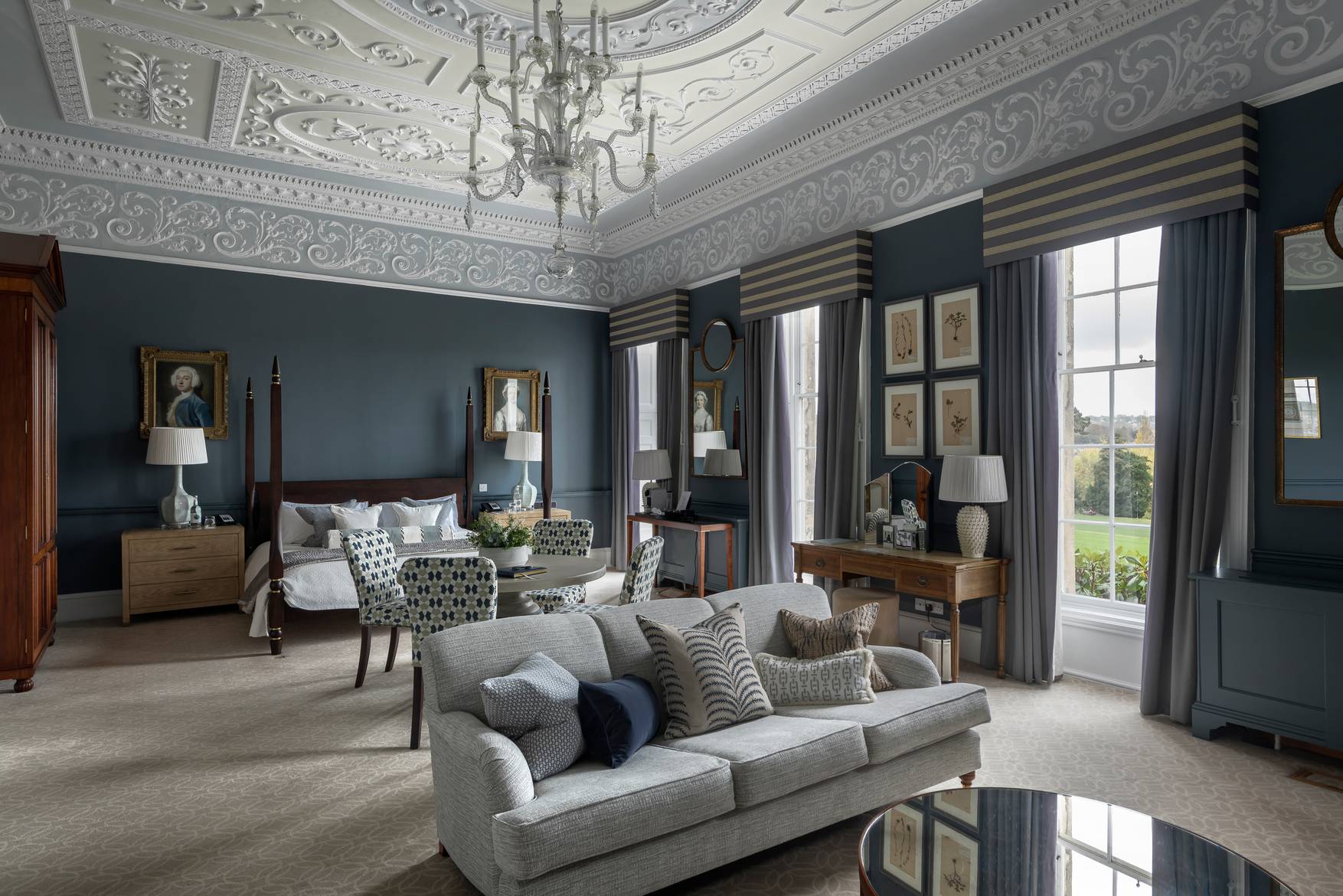
John Wood Suite © Rowena Marella-Daw
My distant memory of Bath from a brief visit many moons ago was that of a crescent-shaped building, grand and sturdy. Decades later, I’m back exploring this vibrant city and The Royal Crescent, a noble Georgian pile at the centre of which is The Royal Crescent Hotel & Spa, dipping into a slice of history once frequented by Jane Austen, Gainsborough, European aristocrats and illustrious figures, mostly honourable, others notorious.
After a long day perusing the Roman Baths, Bath Cathedral and other attractions, I trudge up the hill longing for the comfort of my hotel suite. Along the way, my thoughts drift back to the hedonistic ways of ancient Roman bathing rituals and the citizens’ unwavering devotion to their goddess Sulis Minerva.
But when the glory days of the Roman Baths came to an end after the invaders finally fled Britain in the 5th century, they could not have envisioned that the public baths they indulged in would become a world-famous 21st-century landmark. A legacy as significant as this earned the city its place in UNESCO’s list of World Heritage Sites, as well as recognition as one of Europe’s 11 Great Spa Towns.
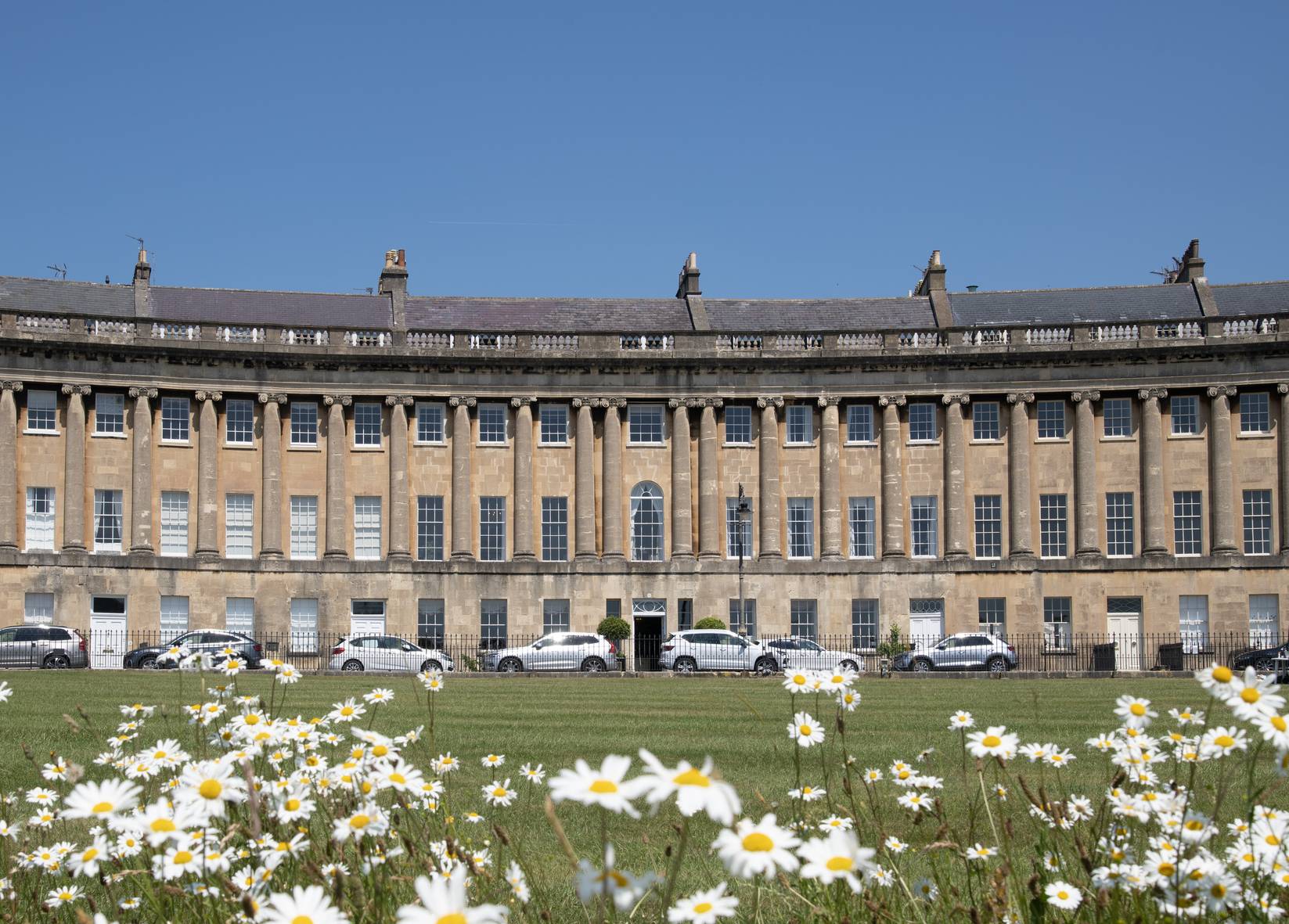
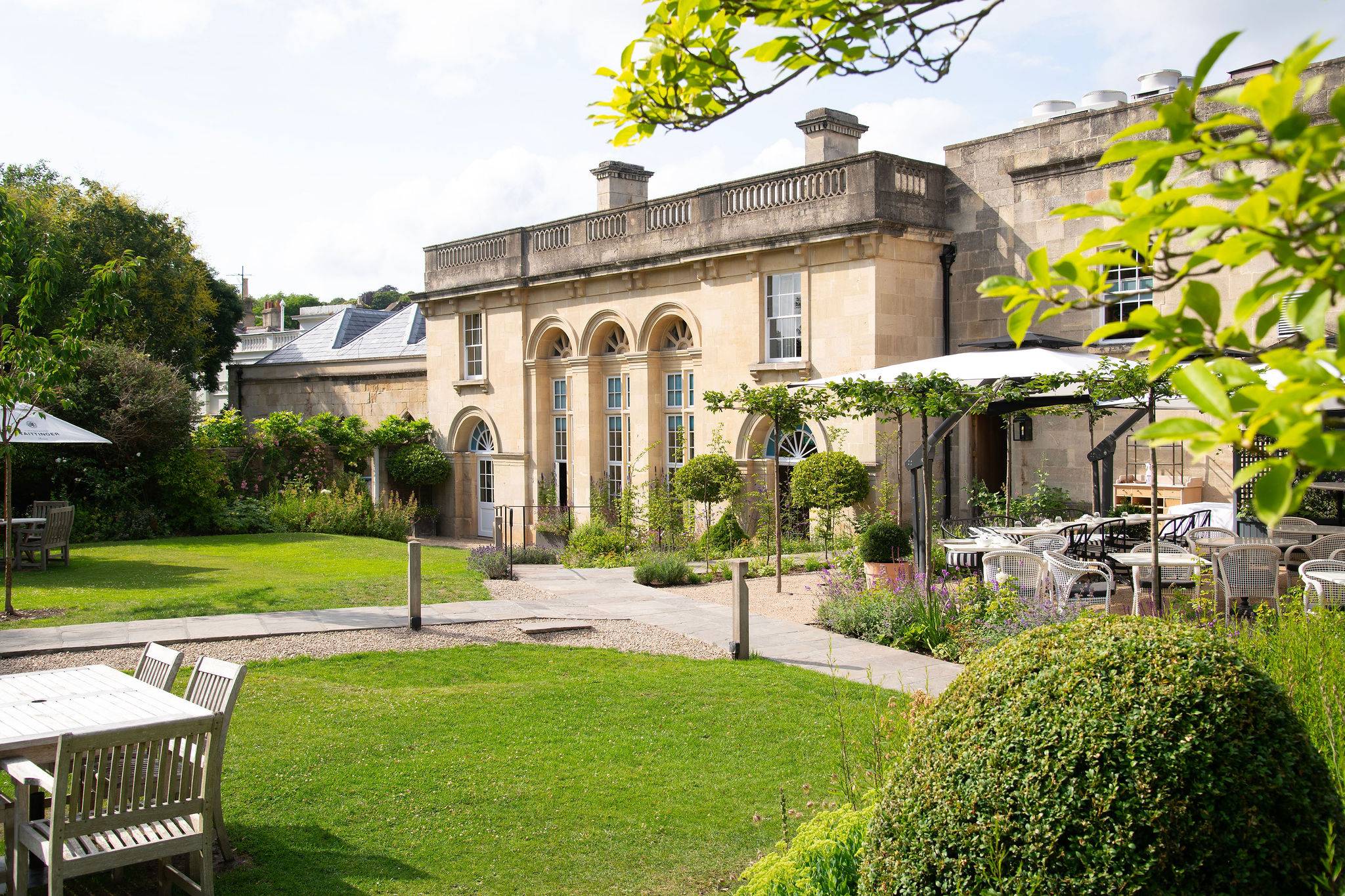
The Royal Crescent Hotel & Spa exterior
HISTORIC RETREAT
Approaching The Royal Crescent from the far end of a manicured lawn makes the uphill journey worthwhile, with the sight of a perfectly formed building standing like a majestic eagle spreading its wings. This fine example of 18th-century Georgian architecture was designed by John Wood the Younger and took several years to build, from setting the foundations in 1767 to completion in 1774. Perhaps bold and ambitious for its time, its 500-foot semi-circular structure is a feat of craftsmanship and symmetry, comprising 30 terraced houses, their graceful façade lined with 114 Ionic columns towering 47 feet across two floors. It is said to be the first crescent-shaped terrace in Europe.
The Royal Crescent’s significance goes beyond architectural distinction. It also became a symbol of Georgian high society lifestyle, a place where wealthy visitors from far and wide, intellectuals, scientists and artists lingered and mingled. The word ‘Royal’ was added to the generic name ‘The Crescent’ following a sojourn by Prince Frederick, Duke of York and Albany at townhouses No. 1 and No. 16.
But not all guests at The Royal Crescent were ascetic—quite the contrary. Privileged guests headed for the Assembly Rooms and squandered their wealth on gambling, a favourite pastime in Georgian Bath, although strict rules still applied to this hedonistic hobby. On a more cerebral level, The Crescent’s No. 16 was a regular venue for the Blue Stockings Society, founded by Elizabeth Montagu as an informal group of learned women who engaged in intellectual discussions. They boldly defied the stereotypical male attitudes that women didn’t need education and should be ‘confined to needlework and knitting’. They were the feminists of their time.
Inconspicuous and discreet, The Royal Crescent Hotel & Spa’s entrance door is painted in white to match the rest of the Crescent’s residential entrances. The only distinguishing mark is a pair of topiaries standing on either side of the steps and a subtle hotel logo branded on the planters. The hotel started life in 1950, when No. 16 opened its doors as a guesthouse, then expanded across to No. 15 years later.
Moving away from tradition, the walls in the entrance hall are wrapped in an artist’s grandiose rendering of luscious trees, mirroring the landscape outside. The absence of period furniture is refreshing, making way for a present-day feel with lively shades of ochre, orange and terracotta. Even the fabric prints are eclectic, infusing a light-hearted spirit to the space. And if the Georgian characters hanging in old-fashioned frames could talk, I dare say they would give it a nod of approval.
Clockwise from top left: hotel reception; Percy Blakeney Suite; hotel garden; Montagu’s Mews © Pete Helme Photography
NOBLE SUITES
Back in my suite, the huge four-poster bed beckons me for a nap—but not before a cup of Earl Grey tea. Of the 45 rooms, 18 suites are named after prominent figures who stayed at The Crescent or lived in the city during its glory days, including author Jane Austen, landscape artist Thomas Gainsborough, and William Herschel, the German-born musician and astronomer who first discovered the planet Uranus during his residency in Bath. My suite is named after John Wood the Younger, the building’s architect.
Through tall sash windows, a panorama of sprawling lawns and hills beyond unfolds—a scenario not dissimilar to what guests would have gazed at three centuries ago. Period features, such as an original mantel and cornices, work with modern accents, including chrome-based wall lamps and marble bathroom fixtures. The bed is raised high; I can imagine short guests like myself would have had to rely on a stool to get into bed. Somehow, I manage to clamber up without one.
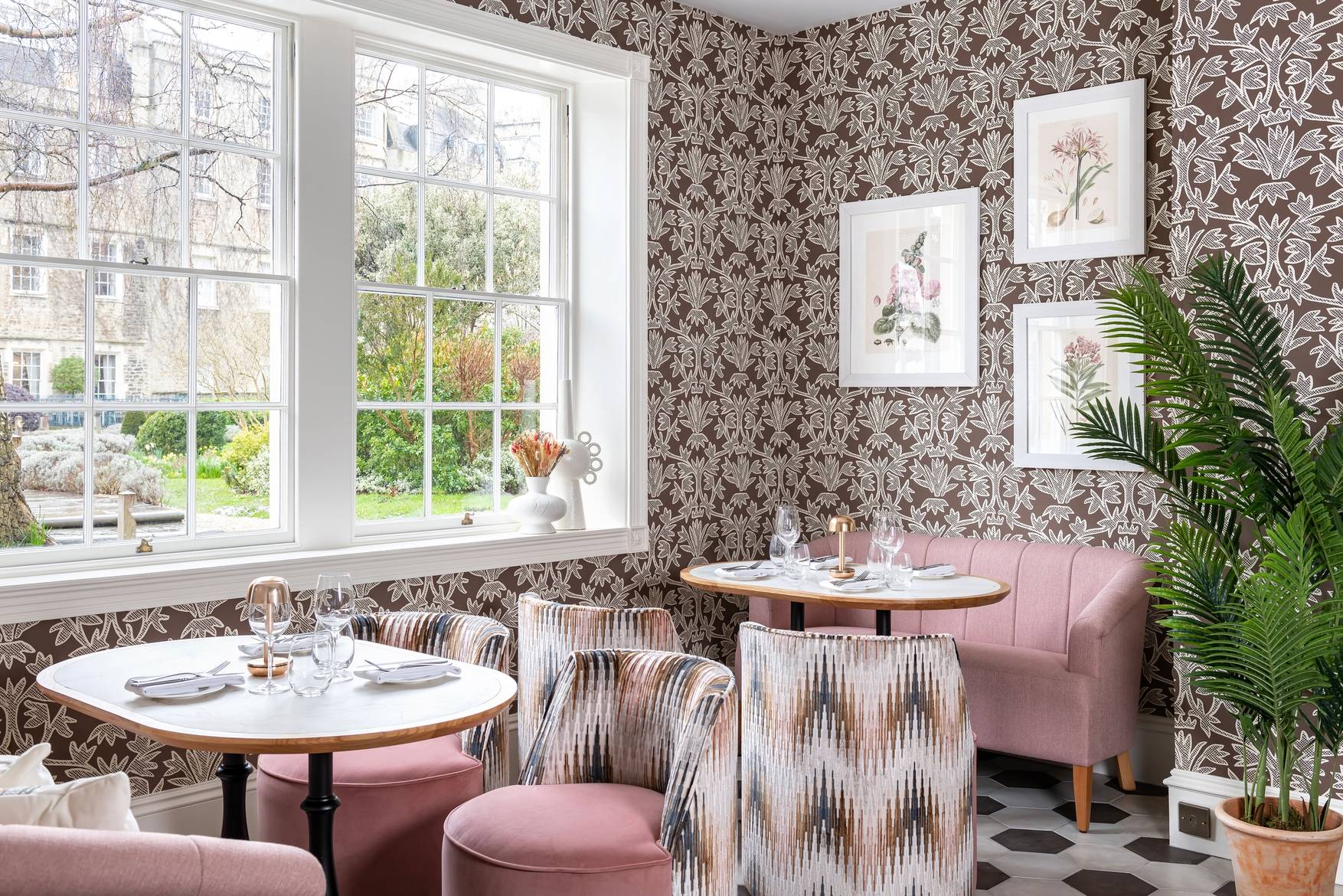
Waking up to a mild winter’s day, the air is crisp, frost delicately settles on the ground, and a veil of mist lingers. A hearty breakfast awaits at Montagu’s Mews, situated in a period building at the rear of the hotel. Between these two structures is a courtyard with a well-kept garden, and the restaurant is accessed through the hotel’s back entrance. Safety is paramount, and I’m relieved that the sandstone path leading to the restaurant had already been sprinkled with road salt.
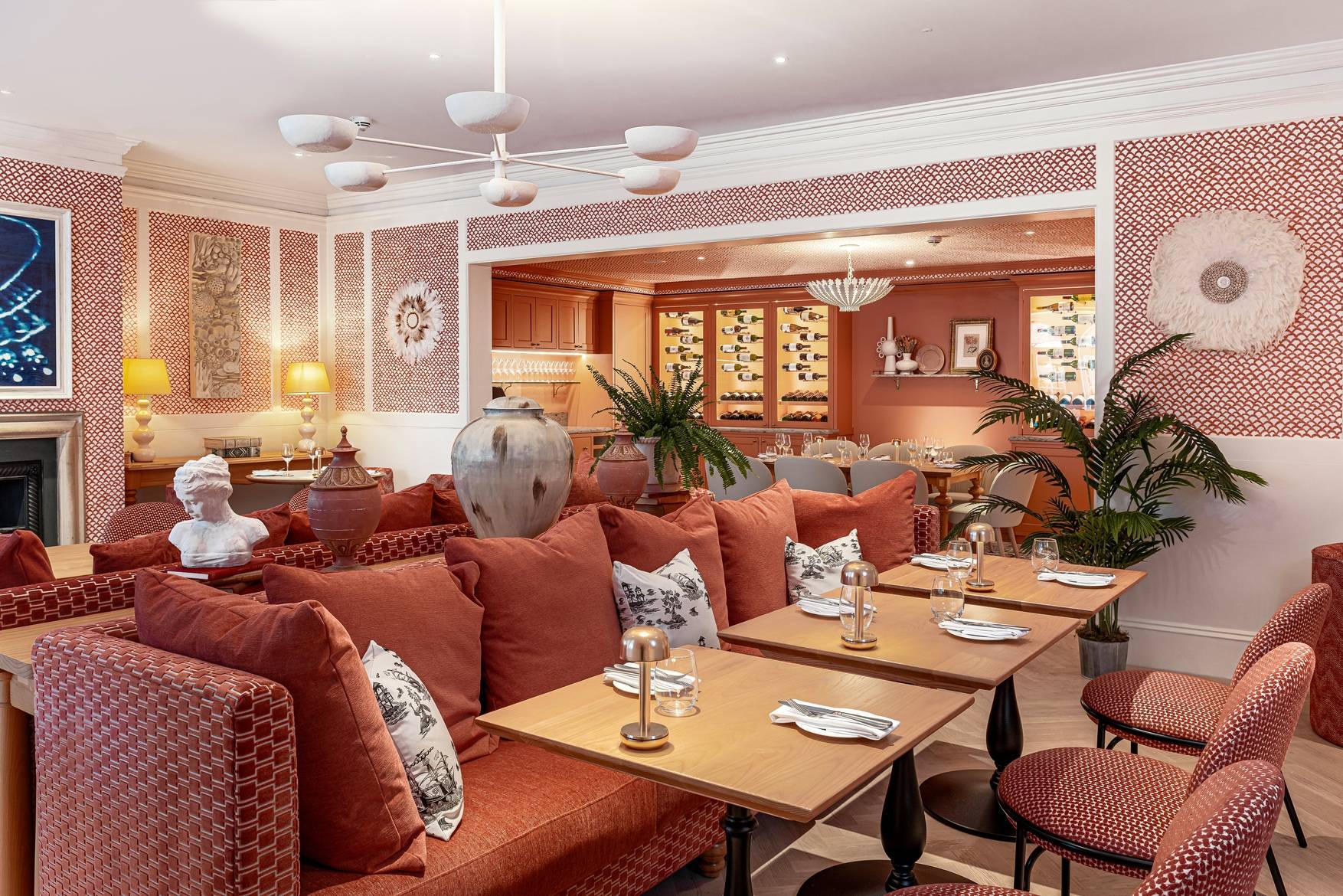
Natural light filters into the dining area, highlighting a warm palette graduating from rose pink to henna. I find the perfect table right by the window overlooking the garden and patio, where Traditional Afternoon Tea can be enjoyed during warmer months. But on a chilly morning, nothing beats a hearty breakfast in a cosy nook. Last night’s dinner was a tasty three-course meal of classic dishes, some of which are featured in the four- and six-course tasting menus created by Head Chef Martin Blake.
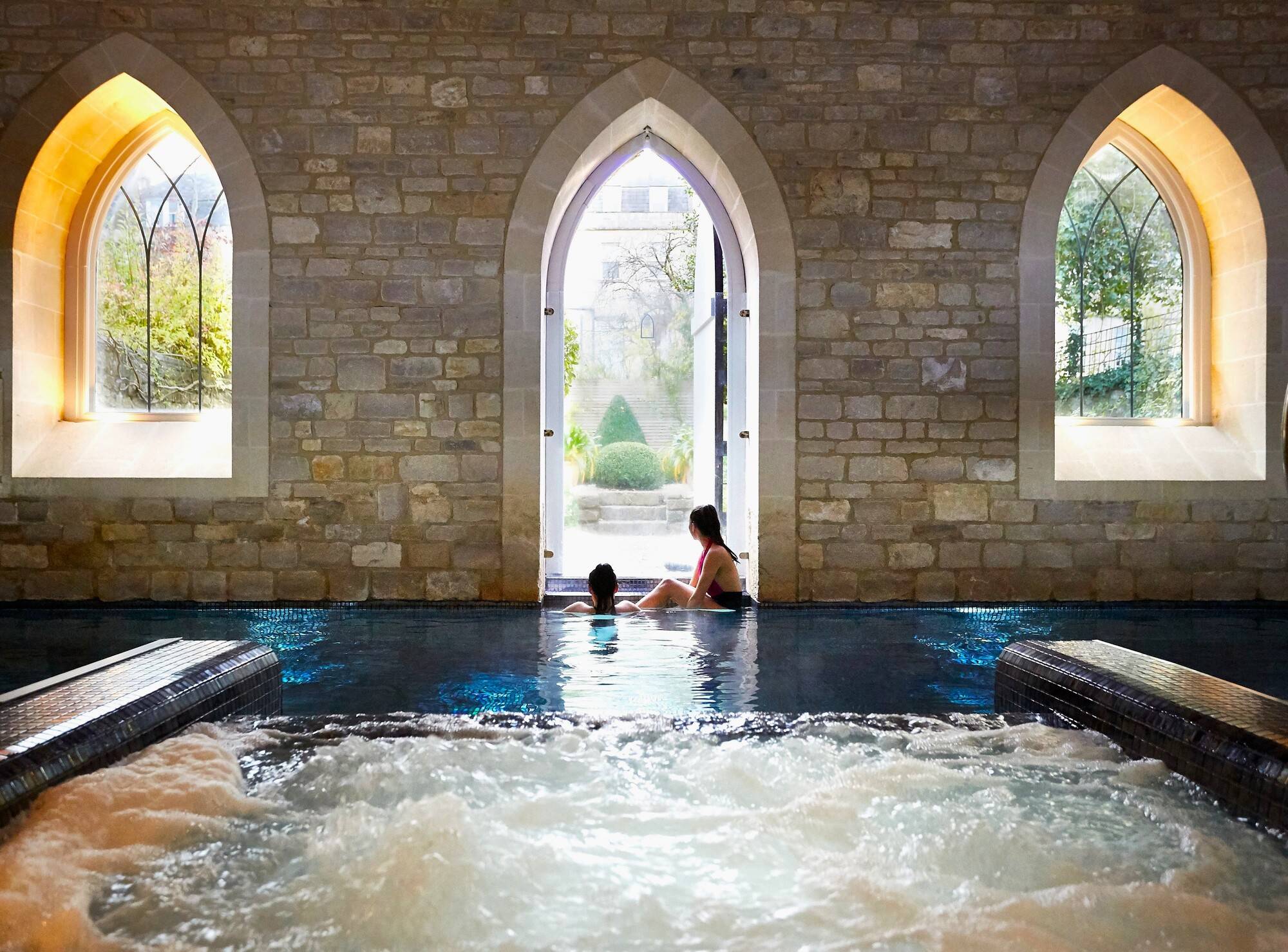
The small spa next door comprises a 12-metre pool, a vitality pool with massage jets, a steam room and a sauna. Narrow church-style windows create an unusually moody setting, although bathers accustomed to brightly-lit spas may find this a bit on the dark side.
Spa area at The Royal Crescent Hotel & Spa
THE LIFE OF RILEY
Speaking of bathing areas, the Thermae Bath Spa’s rooftop outdoor pool overlooking the cityscape sounds very enticing indeed. On the way there, upon the recommendation of the hotel concierge, I pop into No. 1 Royal Crescent, a museum managed by the Bath Preservation Trust. Here, I get a close glimpse of what life was like for affluent dwellers of this townhouse during the second half of the 18th century. Lavish meals were served in the finest collection of Bone China, silverware and crystal, and souvenirs collected from their travels are also on display.
Running late for my bathing session at the Thermae Bath Spa, the concierge books a cab, which arrives quicker than it takes to restart my phone. Back then, carriages would have been waiting to take guests dressed in their finery to a social gathering. Indeed, standards have changed, and while these days denim jeans and trainers are not frowned upon, an air of civility and grace still prevails around the hotel. I love the fact that it’s tucked far enough from the city’s touristy hustle and bustle, yet near enough to get to by foot or public transport.
I leave The Royal Crescent Hotel & Spa hoping that its history and cultural heritage will carry on for future generations to appreciate and enjoy.
Master Suite at The Royal Crescent Hotel & Spa
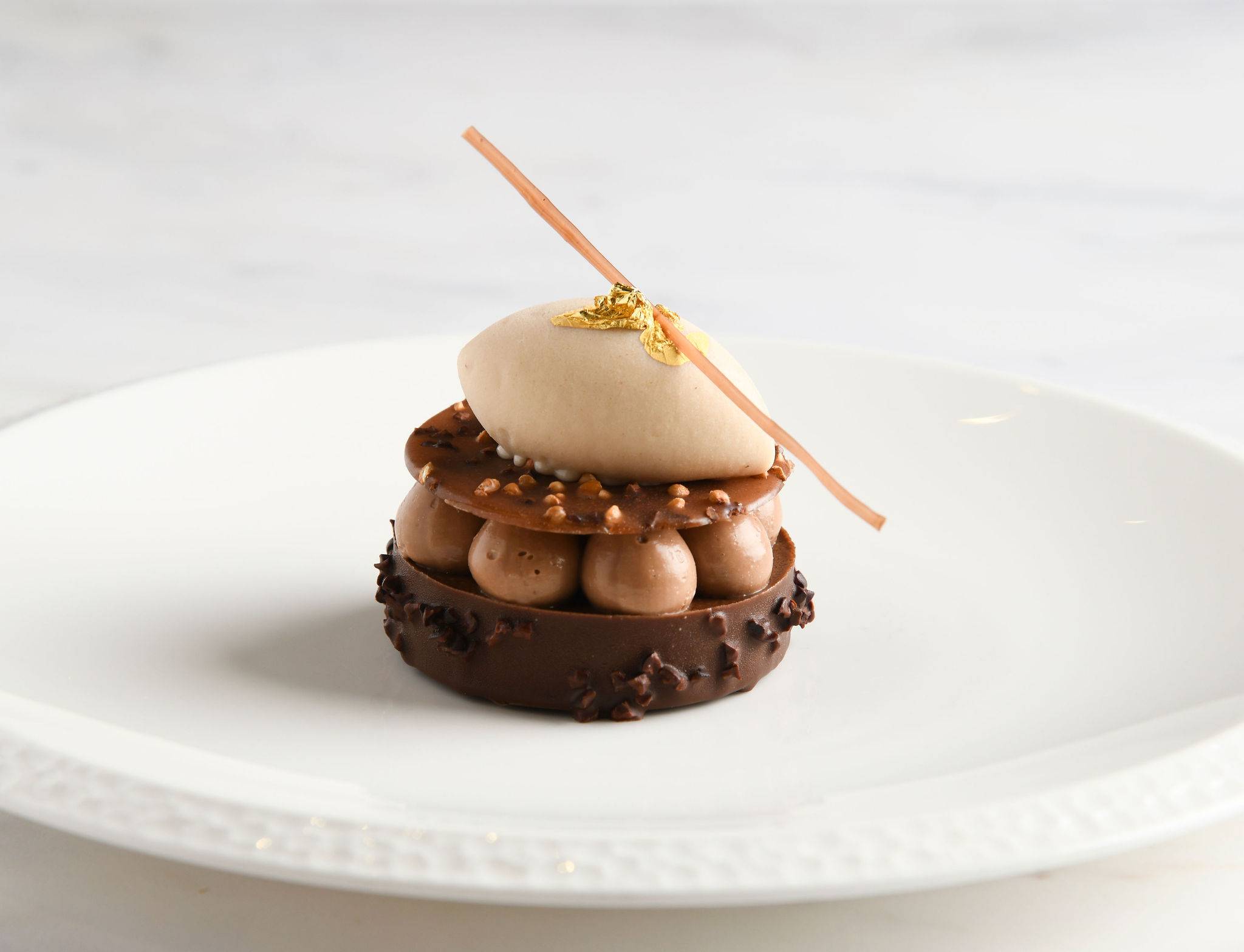
Cuisine at The Royal Crescent Hotel & Spa
Montagu’s Mews © Pete Helme Photography
To find out more about The Royal Crescent Hotel & Spa, visit the links below:
The Royal Crescent Hotel & Spa
16 Royal Crescent
Bath BA1 2LS
United Kingdom
Web: royalcrescent.co.uk
Tel: +44 (0) 1225 823333
Email: info@royalcrescent.co.uk
Instagram: @royalcrescent_hotel
Facebook: @TheRoyalCrescent
Necessary cookies are absolutely essential for the website to function properly. These cookies ensure basic functionalities and security features of the website, anonymously.
| Cookie | Duration | Description |
|---|---|---|
| __cfduid | 1 month | The cookie is used by cdn services like CloudFare to identify individual clients behind a shared IP address and apply security settings on a per-client basis. It does not correspond to any user ID in the web application and does not store any personally identifiable information. |
| _abck | 1 year | This cookie is used to detect and defend when a client attempt to replay a cookie.This cookie manages the interaction with online bots and takes the appropriate actions. |
| bm_sz | 4 hours | This cookie is set by the provider Akamai Bot Manager. This cookie is used to manage the interaction with the online bots. It also helps in fraud preventions |
| cookielawinfo-checbox-analytics | 11 months | This cookie is set by GDPR Cookie Consent plugin. The cookie is used to store the user consent for the cookies in the category "Analytics". |
| cookielawinfo-checbox-functional | 11 months | The cookie is set by GDPR cookie consent to record the user consent for the cookies in the category "Functional". |
| cookielawinfo-checbox-others | 11 months | This cookie is set by GDPR Cookie Consent plugin. The cookie is used to store the user consent for the cookies in the category "Other. |
| cookielawinfo-checkbox-advertisement | 1 year | The cookie is set by GDPR cookie consent to record the user consent for the cookies in the category "Advertisement". |
| cookielawinfo-checkbox-necessary | 11 months | This cookie is set by GDPR Cookie Consent plugin. The cookies is used to store the user consent for the cookies in the category "Necessary". |
| cookielawinfo-checkbox-performance | 11 months | This cookie is set by GDPR Cookie Consent plugin. The cookie is used to store the user consent for the cookies in the category "Performance". |
| ts | 3 years | This cookie is provided by the PayPal. It is used to support payment service in a website. |
| ts_c | 3 years | This cookie is provided by PayPal when a website is in association with PayPal payment function. This cookie is used to make safe payment through PayPal. |
| viewed_cookie_policy | 11 months | The cookie is set by the GDPR Cookie Consent plugin and is used to store whether or not user has consented to the use of cookies. It does not store any personal data. |
Functional cookies help to perform certain functionalities like sharing the content of the website on social media platforms, collect feedbacks, and other third-party features.
| Cookie | Duration | Description |
|---|---|---|
| akavpau_ppsd | session | This cookie is provided by Paypal. The cookie is used in context with transactions on the website. |
| nsid | This cookie is set by the provider PayPal. This cookie is used to enable the PayPal payment service in the website. | |
| tsrce | 3 days | This cookie is set by the provider PayPal. This cookie is used to enable the PayPal payment service in the website. |
| x-pp-s | session | This cookie is set by the provider PayPal. This cookie is used to process payments from the site. |
Performance cookies are used to understand and analyze the key performance indexes of the website which helps in delivering a better user experience for the visitors.
| Cookie | Duration | Description |
|---|---|---|
| YSC | session | This cookies is set by Youtube and is used to track the views of embedded videos. |
Analytical cookies are used to understand how visitors interact with the website. These cookies help provide information on metrics the number of visitors, bounce rate, traffic source, etc.
| Cookie | Duration | Description |
|---|---|---|
| _ga | 2 years | This cookie is installed by Google Analytics. The cookie is used to calculate visitor, session, campaign data and keep track of site usage for the site's analytics report. The cookies store information anonymously and assign a randomly generated number to identify unique visitors. |
| _gid | 1 day | This cookie is installed by Google Analytics. The cookie is used to store information of how visitors use a website and helps in creating an analytics report of how the website is doing. The data collected including the number visitors, the source where they have come from, and the pages visted in an anonymous form. |
Advertisement cookies are used to provide visitors with relevant ads and marketing campaigns. These cookies track visitors across websites and collect information to provide customized ads.
| Cookie | Duration | Description |
|---|---|---|
| _fbp | 3 months | This cookie is set by Facebook to deliver advertisement when they are on Facebook or a digital platform powered by Facebook advertising after visiting this website. |
| fr | 3 months | The cookie is set by Facebook to show relevant advertisments to the users and measure and improve the advertisements. The cookie also tracks the behavior of the user across the web on sites that have Facebook pixel or Facebook social plugin. |
| IDE | 1 year 24 days | Used by Google DoubleClick and stores information about how the user uses the website and any other advertisement before visiting the website. This is used to present users with ads that are relevant to them according to the user profile. |
| test_cookie | 15 minutes | This cookie is set by doubleclick.net. The purpose of the cookie is to determine if the user's browser supports cookies. |
| VISITOR_INFO1_LIVE | 5 months 27 days | This cookie is set by Youtube. Used to track the information of the embedded YouTube videos on a website. |
Other uncategorized cookies are those that are being analyzed and have not been classified into a category as yet.
| Cookie | Duration | Description |
|---|---|---|
| _gat_gtag_UA_120081375_1 | 1 minute | This cookie is installed by Google Analytics. The cookie is used to calculate visitor, session, campaign data and keep track of site usage for the site's analytics report. The cookies store information anonymously and assign a randomly generated number to identify unique visitors. |
| _gat_gtag_UA_83740222_1 | 1 minute | This cookie is installed by Google Analytics. The cookie is used to calculate visitor, session, campaign data and keep track of site usage for the site's analytics report. The cookies store information anonymously and assign a randomly generated number to identify unique visitors. |
| _mcid | 1 year | No description |
| ak_bmsc | 2 hours | No description |
| CONSENT | 16 years 9 months 2 days 6 hours | No description |
| ec_store_chameleon_font | session | This cookie is provided by Ecwid and it is used to save the font utilised in the website's online store. |
| enforce_policy | 1 year | No description |
| l7_az | 30 minutes | No description |
| LANG | 9 hours | No description |
| x-cdn | This cookie is provided by Paypal and is used in context with shopping transactions on the website's store. |