



Longevity is no longer defined by how long we live, but by how well. As preventative medicine evolves, one area is emerging as central to the conversation: hormonal health. According to Dr Berit Lavik, CEO of Apex Health, hormones function as the body’s operating system — silently governing metabolism, resilience, energy and long-term vitality.
“At Apex Health, we view hormones as the master regulators,” she explains. “When they are balanced, the body functions with clarity, strength and efficiency. When they are not, ageing accelerates — often quietly.”
Hormones regulate almost every process associated with ageing, from inflammation and tissue repair to circadian rhythm and metabolic health. Dr Lavik points to insulin and glucose control, cortisol rhythms, thyroid function and sex hormones as critical markers of healthy ageing, alongside regenerative signals such as DHEA and IGF-1.
“Fine-tuning these systems allows us to preserve not only physical performance, but cognitive sharpness and emotional resilience,” she says. “It’s the difference between simply living longer and living well for longer.”
One of the challenges with hormonal decline is how easily it is normalised. Fatigue, weight gain, mood changes and disrupted sleep are often accepted as inevitable signs of ageing, particularly in midlife.
Yet Dr Lavik cautions that these symptoms frequently signal deeper, subclinical imbalances long before a formal diagnosis is made. “Insulin resistance, disrupted cortisol rhythms, reduced DHEA, or imbalances between oestrogen and progesterone can quietly erode the body’s resilience,” she explains.
For men, the effects can be even more insidious. “Gradual testosterone decline often goes unnoticed until muscle strength, motivation and overall wellbeing are clearly affected.”
At Apex Health, hormonal optimisation always begins with lifestyle. Strength training, restorative sleep, balanced protein intake and adequate daylight exposure form the foundation for healthy hormonal signalling.
“These fundamentals cannot be bypassed,” says Dr Lavik. “They are non-negotiable if we want long-term results.”
Nutraceuticals such as magnesium, omega-3 fatty acids and adaptogens may offer additional support, while bioidentical hormone therapy — when appropriate and carefully monitored — can help restore physiological balance.
“The goal is not cosmetic correction,” she emphasises. “We look at measurable outcomes: improved VO₂ max, stronger bones, deeper sleep architecture and sustained daily vitality. We are restoring biological function.”



Rethinking hormone therapy myths
Hormone therapy remains one of the most misunderstood areas of longevity medicine. One common misconception, Dr Lavik notes, is that hormones offer a quick fix.
“They are powerful tools, but only when built on strong lifestyle foundations,” she says. “Without that groundwork, results are limited.”
Another persistent concern is risk. “Risk depends entirely on context — dosage, delivery method and monitoring,” she explains. “When therapy is personalised and data-driven, risks are significantly reduced.”
Hormonal ageing does not follow a universal blueprint. Apex Health designs longevity strategies that reflect the distinct hormonal landscapes of women and men.
For women, peri- and post-menopause often require support for progesterone — essential for sleep quality and emotional balance — alongside careful management of oestrogen to protect cardiovascular and bone health.
For men, metabolic optimisation and testosterone monitoring are prioritised, with close attention paid to prostate health.
“Timing, delivery and dosage are always individualised,” Dr Lavik says. “There is no one-size-fits-all approach to longevity.”
Few factors disrupt hormonal balance as profoundly as chronic stress and poor sleep. At Apex Health, clients are supported in resetting circadian rhythms through morning light exposure, structured bedtimes and carefully optimised sleep environments.
Breathing techniques, micro-breaks and targeted nutrition are also used to stabilise cortisol and melatonin rhythms. “When stress and sleep are addressed together, hormonal health often improves rapidly,” Dr Lavik notes.
Looking ahead, Dr Lavik believes the most exciting advances will come from precision diagnostics and peptide medicine. “Multi-omics and dynamic biological mapping will allow increasingly individualised dosing,” she says, “while peptides will open new possibilities for tissue-specific regeneration.”
She also highlights women’s post-menopausal metabolic and cognitive health as a key focus for future research — an area historically underexplored in longevity medicine.
Despite rapid innovation, the fundamentals remain unchanged. Light exposure, sleep quality, strength training, adequate protein intake and stress hygiene continue to form the backbone of long-term wellbeing.
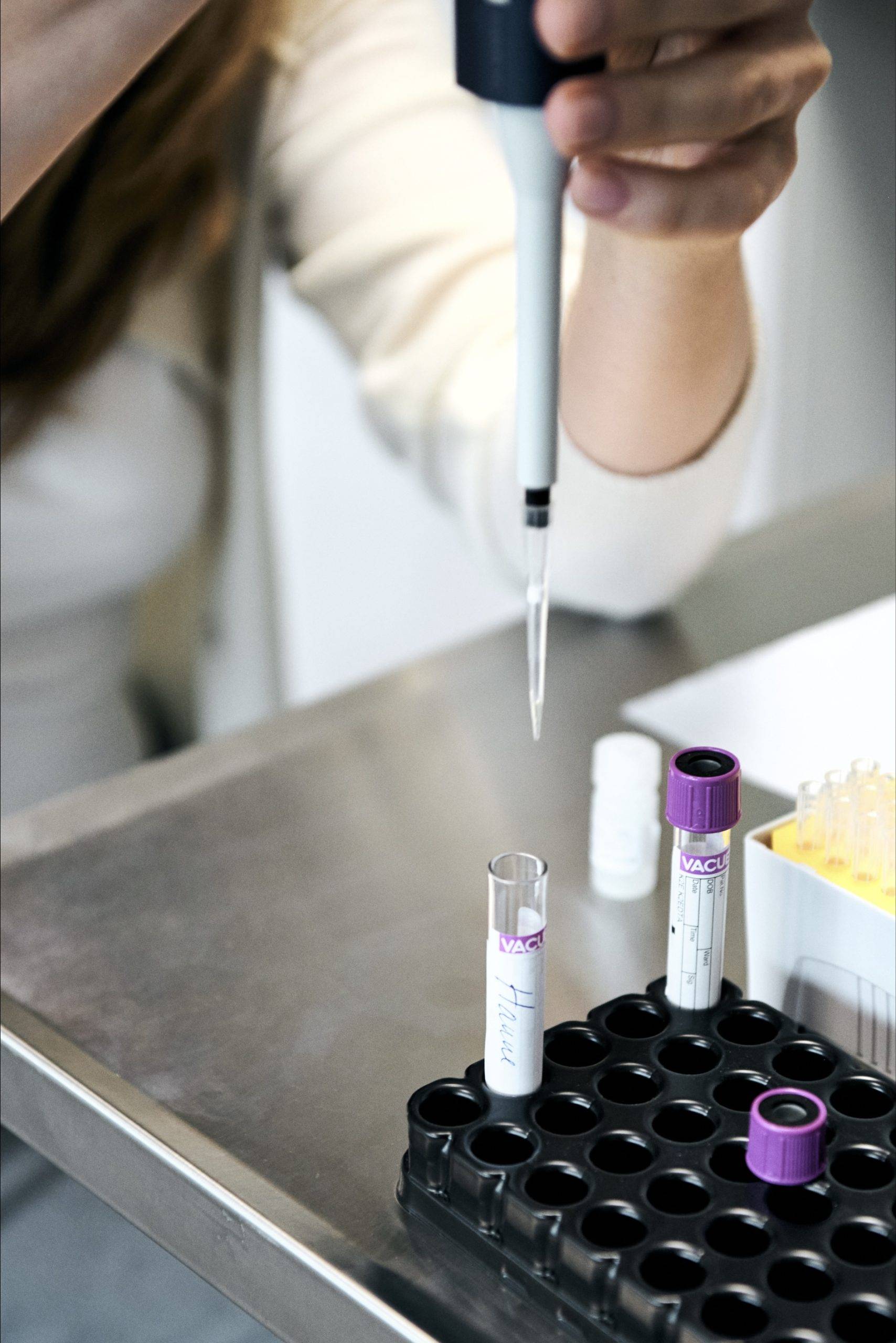
Testing insulin resistance, inflammatory markers, thyroid function, cortisol and DHEA levels, alongside sex hormones, offers what Dr Lavik describes as a clear picture of an individual’s “hormonal age”.
Ultimately, a hormone-smart approach to longevity blends personalised diagnostics, precise lifestyle interventions, targeted therapies when indicated and continuous monitoring.
“At Apex Health, we integrate data, circadian intelligence and evidence-based medicine,” Dr Lavik concludes. “Our mission is simple: to help people live longer lives defined by energy, balance and joy.”

To find out more about Apex Health, visit the links below:
Apex Health
Skodsborg Strandvej 125A, 3. sal
indgang via Medical Center
2942 Skodsborg
Denmark
Web: apexhealth.dk
Tel: +45 45 80 13 31
Email: info@apexhealth.dk