

OZEMPIC HAS BECOME A BUZZWORD IN WELLNESS CIRCLES. FROM YOUR PERSPECTIVE AS A COACH AND NUTRITIONIST, CAN YOU EXPLAIN HOW IT ACTUALLY WORKS INSIDE THE BODY?
Ozempic and other GLP-1 medications work by mimicking a natural hormone in the body that helps regulate blood sugar and appetite. They slow down how quickly food leaves the stomach and send stronger signals to the brain to say, “I’m full,” which means people tend to eat less without really trying. But what’s important to understand is that the medication doesn’t burn fat; instead, it simply suppresses hunger. So yes, it can lead to weight loss, but without building strong habits around food choices, movement, and mindset, that weight loss can be very hard to maintain once the medication stops. That’s where coaching becomes essential, to turn short-term changes into a long-term lifestyle.
THERE’S SO MUCH HYPE ABOUT THE RESULTS, BUT WHAT’S THE REALITY YOU SEE WHEN PEOPLE COME OFF MEDICATIONS LIKE OZEMPIC?
The reality is that many people regain weight once they stop taking Ozempic, and often do so quite quickly. I’ve seen it time and time again. Appetite returns, old habits creep back in, and if there’s been no real change in behaviour, mindset, or routine, it’s incredibly hard to maintain the results. What’s more, because muscle mass can be lost during the rapid weight loss phase, metabolism may be slower, which only makes it harder to keep the weight off. That’s why I’m such a big believer in using the time on medication wisely, to build structure, focus on strength training, improve nutrition, and set yourself up for sustainable results.
YOU DESCRIBE THE POST-OZEMPIC PHASE AS A ‘MISSED OPPORTUNITY’ FOR MANY. WHY IS THAT, AND HOW CAN PEOPLE MAKE THE MOST OF THAT CRITICAL TRANSITION WINDOW?
So many people use Ozempic as a quick fix, and that’s where the opportunity gets missed. While the appetite is suppressed and the scale is dropping, that’s the perfect time to lock in new habits, things like getting your protein in, learning how to volume eat, building strength, and understanding what your body specifically needs. If you wait until you come off the meds to figure all that out, it’s already so much harder. That transition phase is where the real work begins. It’s your chance to shift from relying on medication to relying on yourself. And when it’s done right, that’s where long-term change really sticks.
WHAT ARE THE MOST COMMON MISTAKES PEOPLE MAKE WHEN QUITTING WEIGHT-LOSS INJECTIONS, AND HOW DOES YOUR IT’S SO SIMPLE METHOD ADDRESS THEM?
The biggest mistake I see is people coming off the medication and going straight back to their old ways—skipping meals, snacking mindlessly, under-eating all day and overeating at night. Another big one is not prioritising muscle-building. They’ve lost weight but also lost strength, and now their metabolism is slower. My It’s So Simple method is all about structure, mindset, and sustainability. We focus on balanced meals, protein goals, and movement that you can easily maintain, while building discipline without obsession. I help women create a lifestyle they can live with, not just a short-term plan that falls apart when the injections stop.
YOU’VE SPOKEN ABOUT THE IMPORTANCE OF STRENGTH TRAINING DURING AND AFTER WEIGHT-LOSS MEDICATION USE. WHY IS THIS SUCH A GAME-CHANGER FOR LONG-TERM SUCCESS?
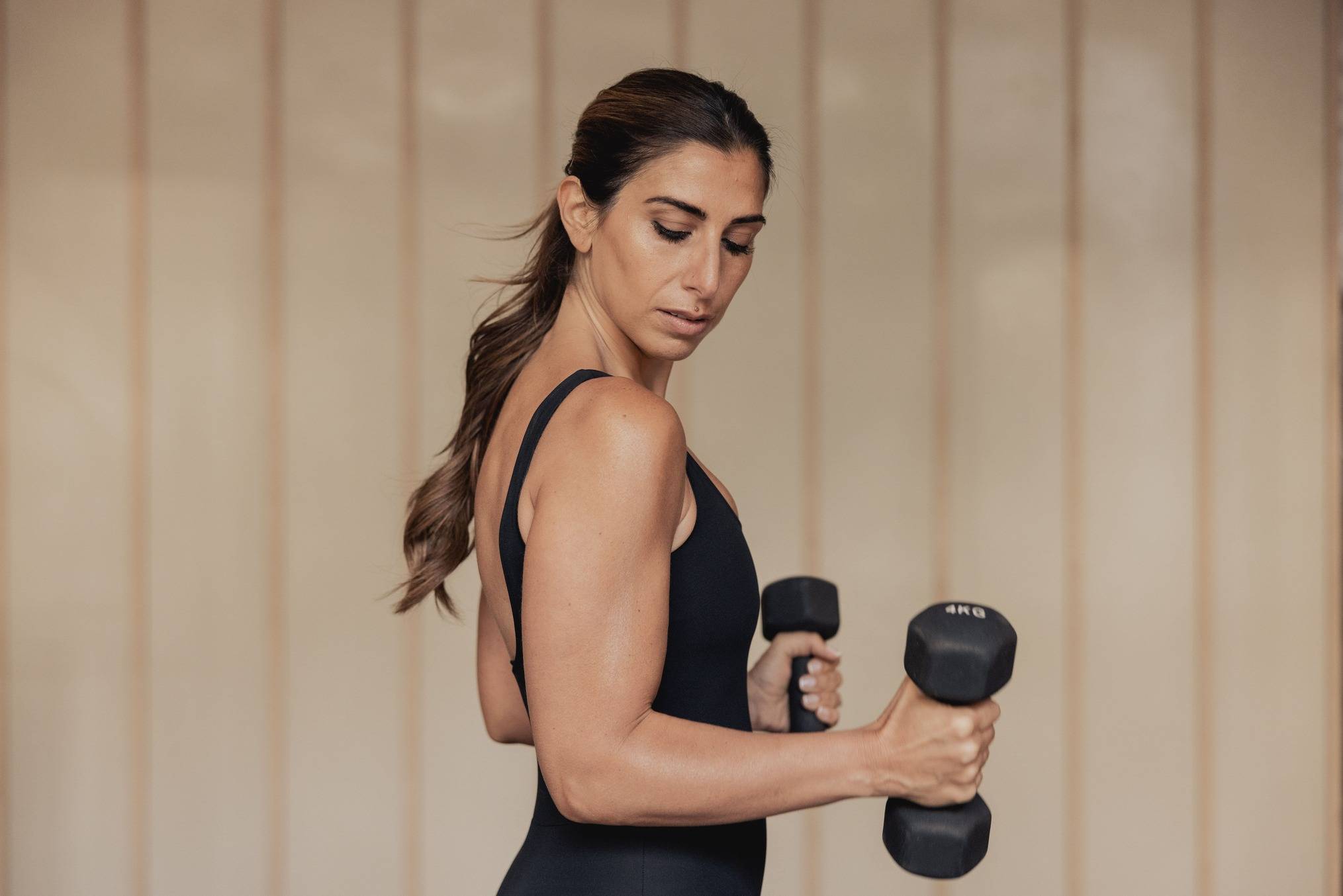
Muscle is everything when it comes to keeping the weight off. GLP-1s suppress appetite, so people often eat too little, and a lot of that weight loss comes from muscle, not just fat. That slows down your metabolism and makes it harder to keep the results. Strength training not only helps preserve muscle, but it also shapes your body, boosts your metabolism, and gives you that strong, healthy look most people want. In my coaching, we always train with intention, not just to get smaller, but to get stronger. That’s what makes the results stick.
HOW DO WEIGHT-LOSS INJECTIONS AFFECT METABOLISM AND MUSCLE MASS—AND WHAT CAN PEOPLE DO TO PREVENT REGAINING WEIGHT ONCE THEY STOP?
Weight loss injections often lead to very fast results, but they don’t protect your muscle mass, and that’s where people get caught out. When you’re eating less, especially without enough protein or strength training, your body will burn through both fat and muscle. That loss of muscle slows down your metabolism, which makes it harder to keep the weight off long-term. The best way to avoid this is by strength training regularly, eating enough protein, and not falling into the trap of under-eating just because you’re not hungry. Muscle is protective; it’s your secret weapon for maintaining results and the holy grail of life expectancy and quality of life.
YOU OFTEN HIGHLIGHT PROTEIN AS A KEY ELEMENT IN SUSTAINABLE WEIGHT LOSS. WHY IS IT SO VITAL, PARTICULARLY DURING THE POST-MEDICATION PHASE?
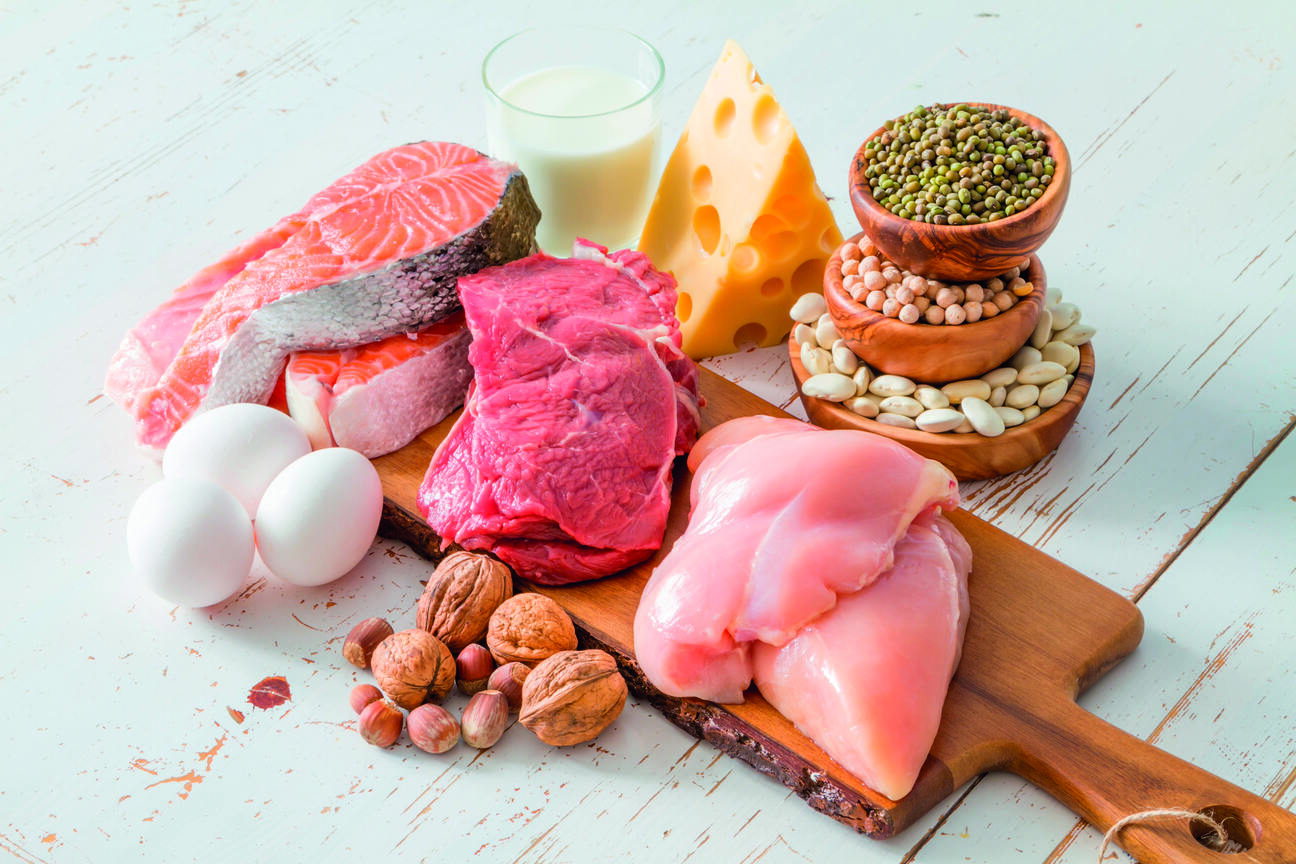
Protein is the one thing most people overlook, and it makes all the difference. It keeps you full, helps manage cravings, supports your metabolism, and most importantly, it protects your muscles. Especially after stopping medication, when your hunger comes back and your routine is a bit shaky, having enough protein at every meal can really help stabilise your appetite. It also helps prevent that “skinny fat” feeling when you lose weight but don’t feel strong or toned. In my programmes, we teach women how to build every meal around protein, so they feel satisfied, energised, and in control, coupled with building muscle and strength to fortify their quality of life.

ONE OF THE LESSER-KNOWN EFFECTS YOU’VE MENTIONED IS HOW THESE MEDICATIONS CAN CHANGE TASTE PREFERENCES. HOW SHOULD PEOPLE USE THAT TO THEIR ADVANTAGE?
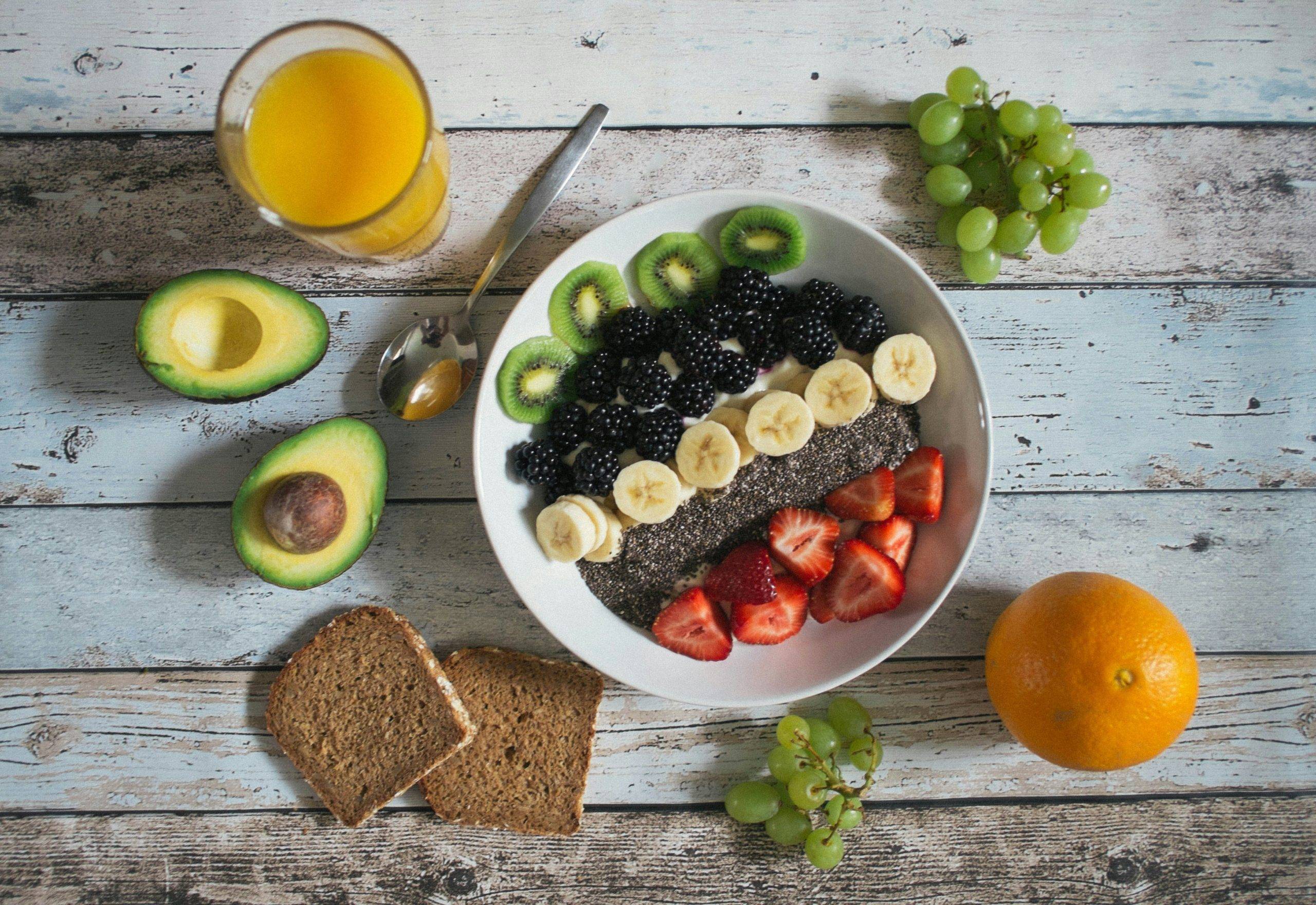
It’s something I’ve heard from a lot of women. Suddenly, their sweet tooth is gone, or they’re craving lighter, fresher foods. I always say: lean into it! If the medication is helping you shift away from sugar or processed snacks, use that time to explore new foods, build new habits, and get comfortable with balanced meals. It’s the perfect window to reset your palate and rewire some of those emotional eating patterns. You don’t want to just wait for cravings to come back, so take that opportunity to create new defaults that drive your goals.
HOW BIG A ROLE DOES MINDSET PLAY WHEN TRANSITIONING OFF MEDICATION, AND WHAT SUPPORT DO YOUR CLIENTS NEED EMOTIONALLY DURING THIS TIME?
Mindset is everything. Coming off the medication can feel overwhelming. Hunger returns, the scale might fluctuate, and self-doubt can creep in fast. That’s when women need real support, not just around food and training, but emotionally. I work closely with clients to remind them they’re not back at square one. This is a new phase, not a failure. We focus on daily wins, self-compassion, and rebuilding confidence in their own ability to stay consistent. It’s not about being perfect, but it’s about not giving up when things wobble. That emotional support and accountability make all the difference.
SLEEP IS ANOTHER FACTOR YOU’VE FLAGGED AS A BLIND SPOT. WHAT SHOULD PEOPLE KNOW ABOUT THE RELATIONSHIP BETWEEN SLEEP AND SUSTAINED WEIGHT LOSS?
Sleep is massively underrated, and it affects everything. When you’re not sleeping well, your hunger hormones go haywire, cravings increase, and it’s harder to make good decisions around food. You’re also more likely to skip your workouts, and your body becomes more stressed, which can impact fat loss—hello cortisol! Especially after coming off medication, when your appetite is already adjusting, poor sleep can completely throw things off. I always encourage my clients to treat sleep like they would a workout and make it non-negotiable. Because if your sleep isn’t right, your results won’t stick.
SOCIAL SITUATIONS—DINNERS OUT, EVENTS—CAN BE TRIGGERING WHEN APPETITE SUPPRESSION WEARS OFF. HOW DO YOU HELP CLIENTS BUILD THE CONFIDENCE TO NAVIGATE THESE WITHOUT REVERTING TO OLD HABITS?
At It’s So Simple, we focus on helping women build a solid foundation of habits, not just rely on willpower or medication. Appetite suppression might wear off, but education, mindset shifts, and self-trust stay. We teach our clients how to plan for social events, balance their meals, and enjoy food without guilt. Confidence comes from knowing that one meal doesn’t derail progress and that long-term success lies in consistency, not perfection.
FROM YOUR EXPERIENCE, WHAT DEFINES A SUCCESSFUL TRANSITION OFF GLP-1 MEDICATIONS LIKE OZEMPIC?
A successful transition means you’ve built the internal tools to manage your weight without relying on medication. That includes understanding how to nourish your body, being consistent with movement, and developing a healthy relationship with food. I’ve seen that those who succeed long term are the ones who use their time on GLPs to change their habits, not just pause them.
YOU’VE HELPED HUNDREDS OF WOMEN RECLAIM THEIR HEALTH. CAN YOU SHARE ONE TRANSFORMATION STORY THAT REALLY STUCK WITH YOU?
One client started Ozempic after years of yo-yo dieting. She came to us wanting more than just weight loss. She wanted energy, strength, and food freedom. We helped her build muscle, increase her protein intake, and ditch the all-or-nothing mindset. Over 12 months, she lost 22kg, stopped taking the medication, and now maintains her results through sustainable habits. But what really stuck with me was her joy. She said for the first time in decades, she felt in control and happy in her body.
FOR ANYONE CONSIDERING GLP-1S OR ALREADY TAKING THEM, WHAT’S THE ONE THING YOU WISH THEY KNEW BEFORE THEY START—AND BEFORE THEY STOP?
Before starting, it’s good to understand that these medications are a tool, not a solution. Use the opportunity to learn about your body, your habits, and how to fuel yourself well. Before stopping, don’t wait until the last injection to start preparing. Building muscle, strength training, and balancing your blood sugar are key to preventing weight regain, and this takes time. Think of it as a handover, from medication to lifestyle.
WHAT’S NEXT FOR IT’S SO SIMPLE? HOW DO YOU HOPE TO SHAPE THE EVOLVING CONVERSATION AROUND GLP-1S AND LONG-TERM WELLNESS?
We’ve expanded our programmes to support women using GLP-1s who want sustainable, long-term results, not just quick fixes. Our mission is to be the bridge between medication and lifestyle, helping women take control of their health from the inside out. As the conversation around GLP1s grows, I want It’s So Simple to lead with empathy, education, and a reminder that your body is not broken. It’s capable, strong, and worthy of lasting change.
–
Find out more online at itssosimple.co.uk and on Instagram at @itssosimple_rs