


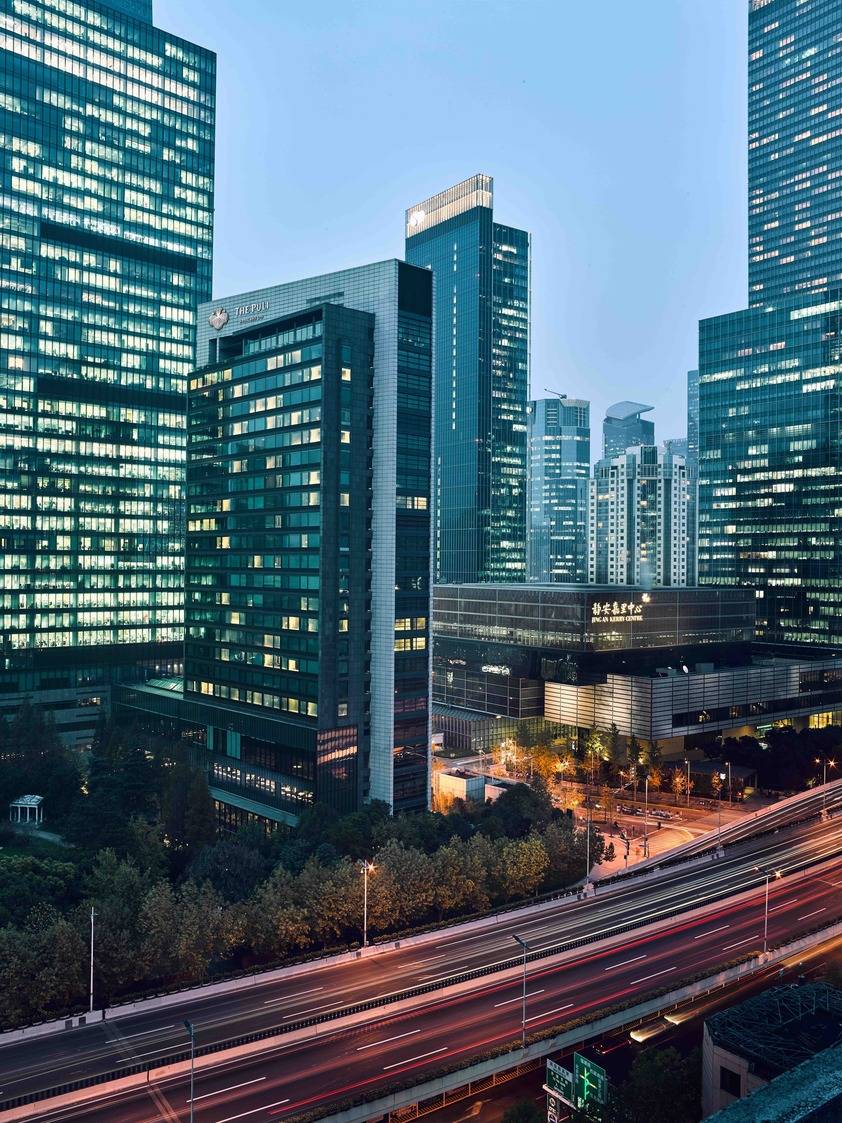

The PuLi Shanghai has always offered a welcome sense of calm in the middle of one of the world’s busiest cities. Now, as the hotel undergoes a major renovation, that feeling remains at the heart of the project. Rather than changing its identity, the aim is to build on what guests already value, with redesigned rooms, a dedicated wellness floor and new dining and social spaces.
A focus on wellbeing is emphasised throughout, from lighting, acoustics and materials to the way guests move through the hotel and the small rituals that shape their stay. Art, books and local craftsmanship will also play a larger role, giving the property a warmer, more personal feel.
In the following interview, Nicholas Liang, Vice President of Operations at The PuLi Group, discusses the thinking behind the renovation, how the hotel creates a sense of stillness in Shanghai, and how its approach will influence future The PuLi Group properties across Asia.
The PuLi’s Shanghai flagship is being entirely reimagined, yet the intention seems to be a quieter, more mindful evolution rather than a dramatic reinvention. How did wellbeing—in its broadest sense—guide the design brief from the outset?
Wellbeing has always been intrinsic to The PuLi Shanghai’s identity, so this renovation was never about reinvention, but renewal. The space has evolved around a holistic philosophy that values balance, stillness, and authentic connection. The redesign refines our philosophy, ensuring that every space supports restoration in subtle but intentional ways.
Wellness has been embedded into the architecture, flow, guest experiences and service rituals throughout the hotel. It is expressed through calm materials, intuitive spatial sequencing and deeply personalised touches, including our Hair Up Bar and the Bastien Gonzalez PEDI:MANI:CURE Studio, all of which have been designed to support a sense of balance in the heart of Shanghai.
The idea of designing for stillness in a hyper-accelerated city is compelling. How do you create a built environment that genuinely supports decompression, clarity and mental rest in the middle of Shanghai?
We create stillness through a deliberate journey of transition. From the moment guests step inside, lighting softens, acoustics shift, and materials ground the senses. The arrival sequence, anchored by the newly introduced tea ceremony, gently separates the energy of the city from the calm within.
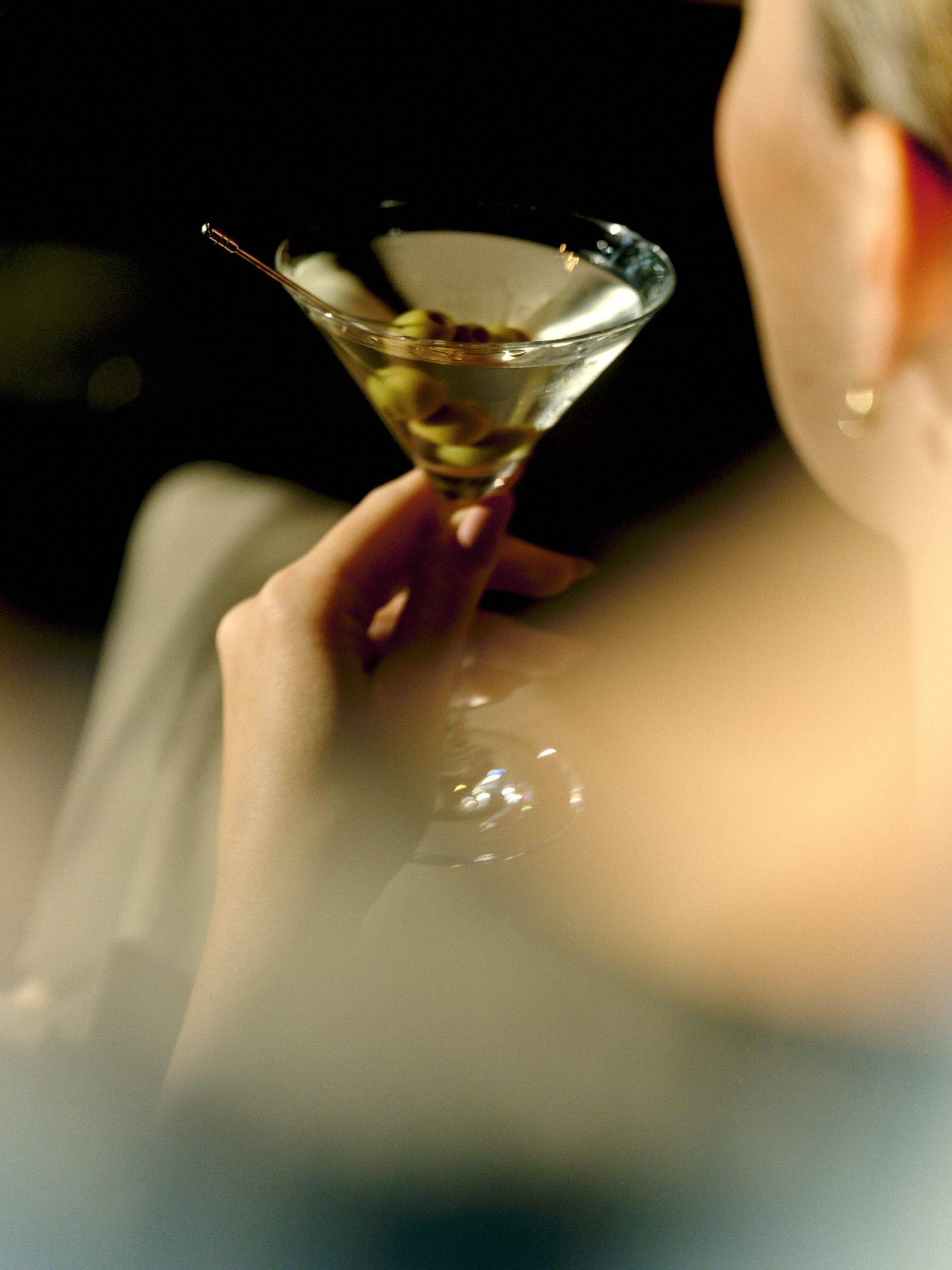
The dedicated wellness floor on Level 3 is deliberately positioned as a retreat, with the infinity pool framing views of Jing’an Park to extend the sense of space. The gym integrates mindful movement technology with an instructor-led personal training programme, such as Visio, to encourage presence and focus. Each turn reveals a new pocket of stillness, whether it’s a meditation nook, a sound-healing area, or a quiet corner at The Long Bar.
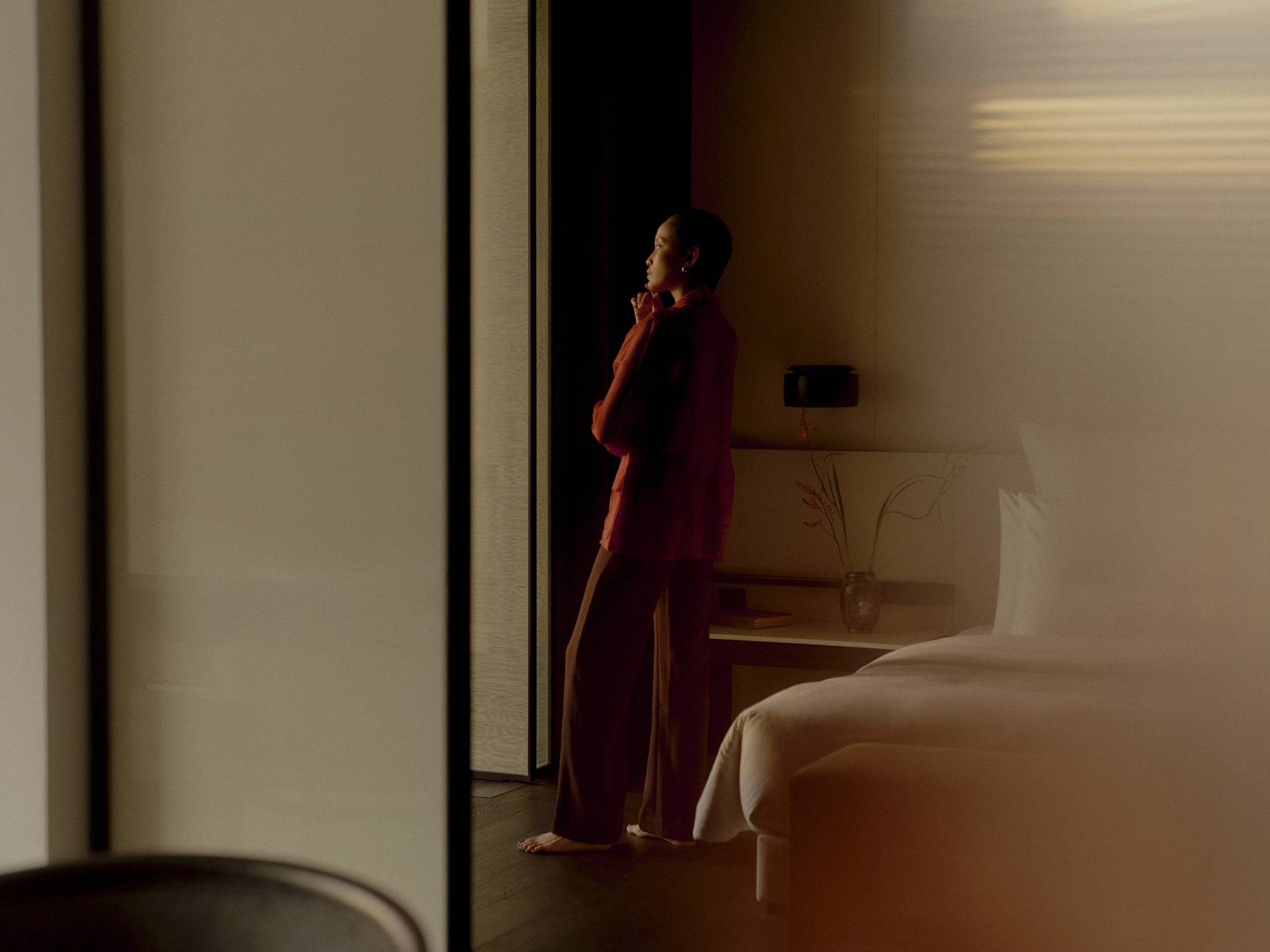
You’ve spoken about treating the rooms as ‘lived-in spaces’ rather than polished hotel settings. How does this approach encourage guests to slow down, settle in, and feel grounded—even during short stays?
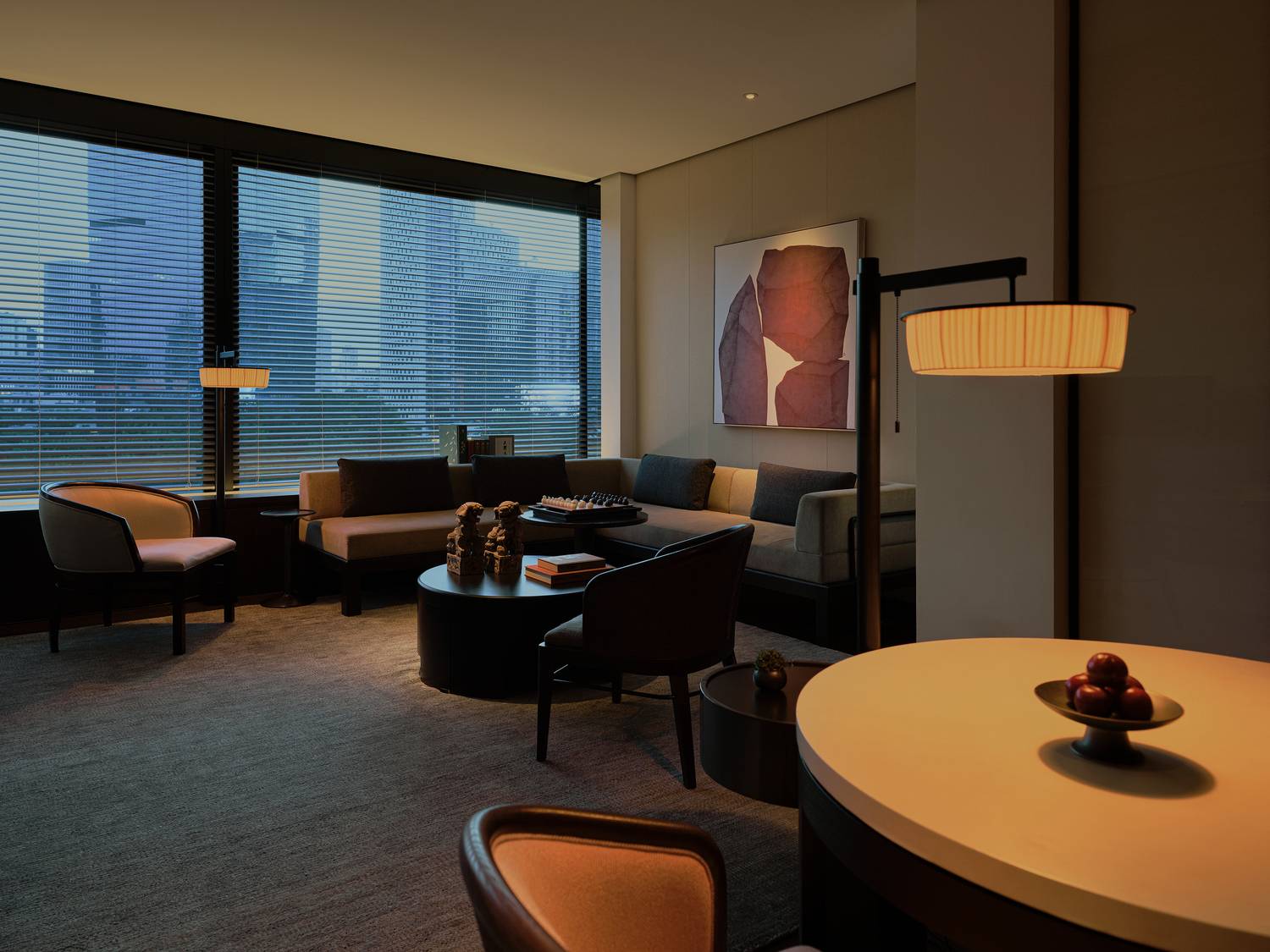
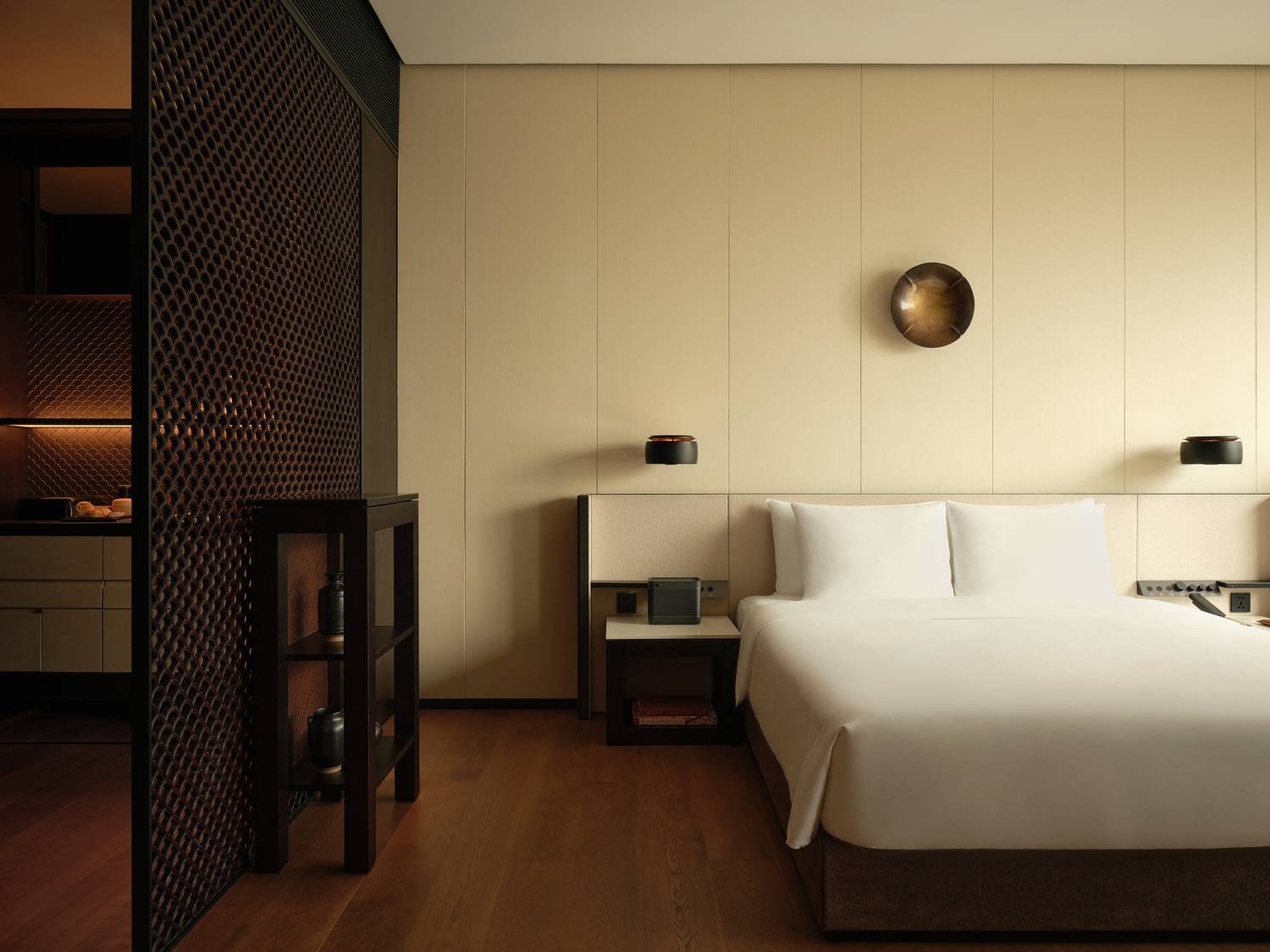
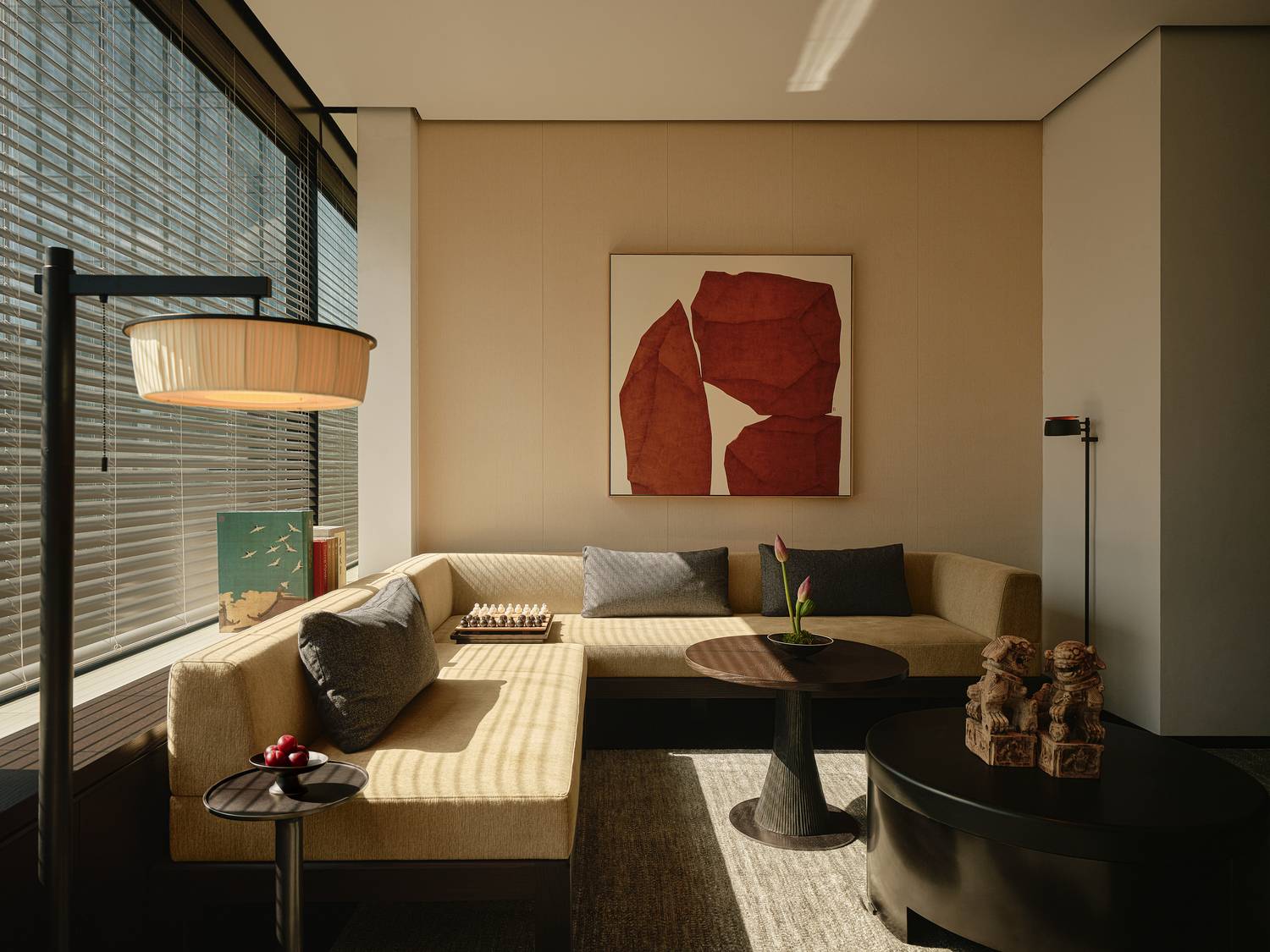
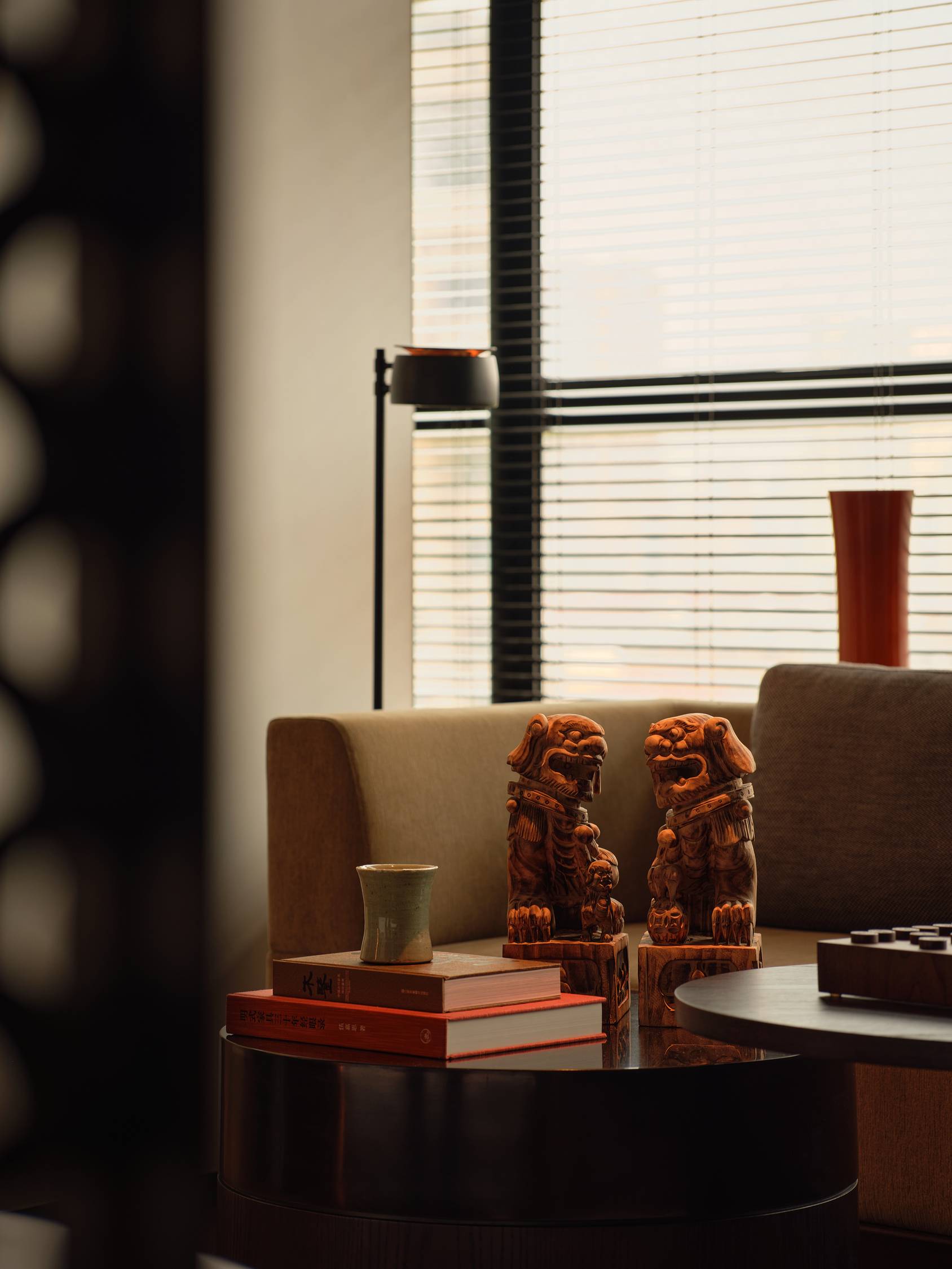
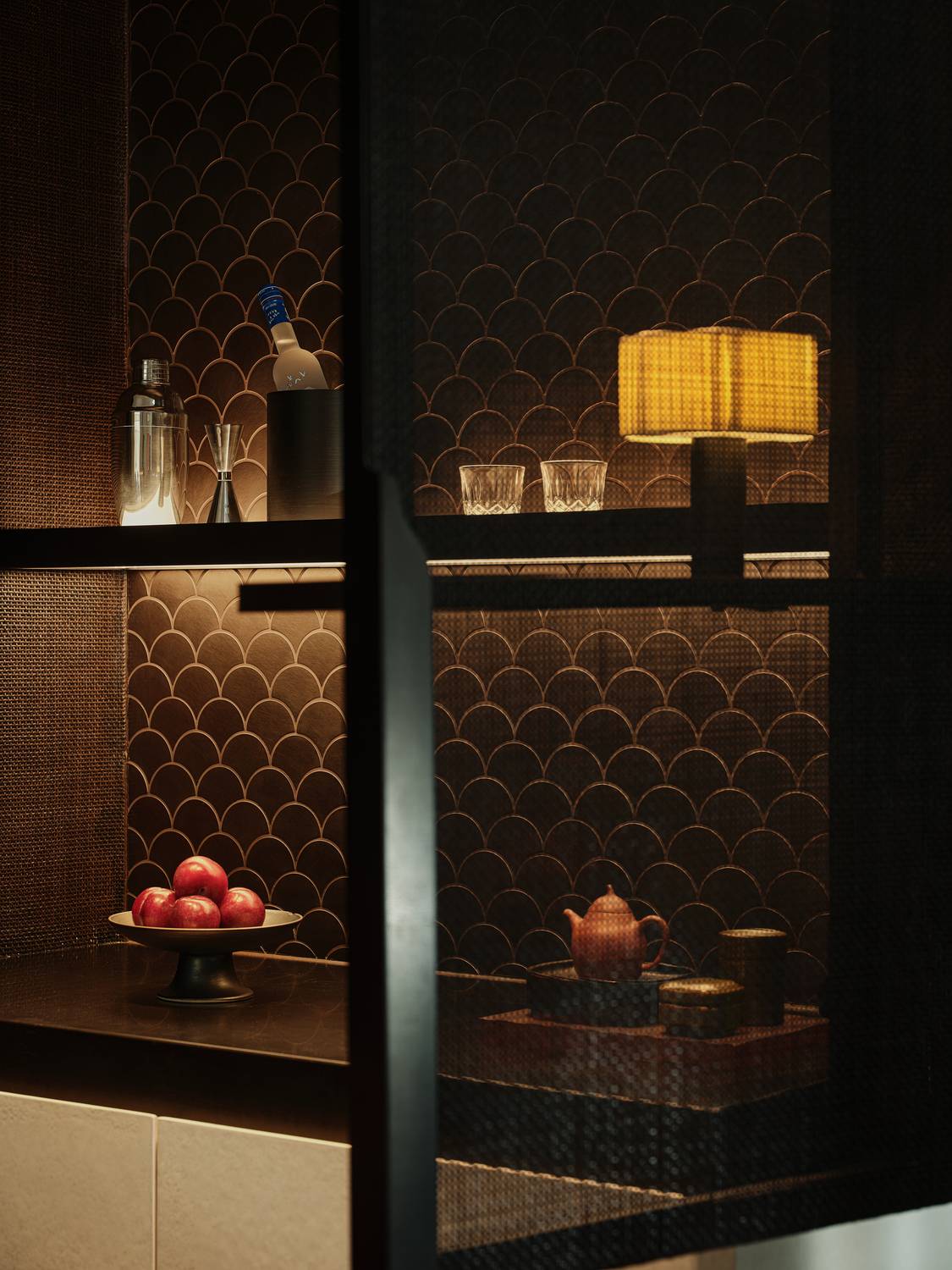
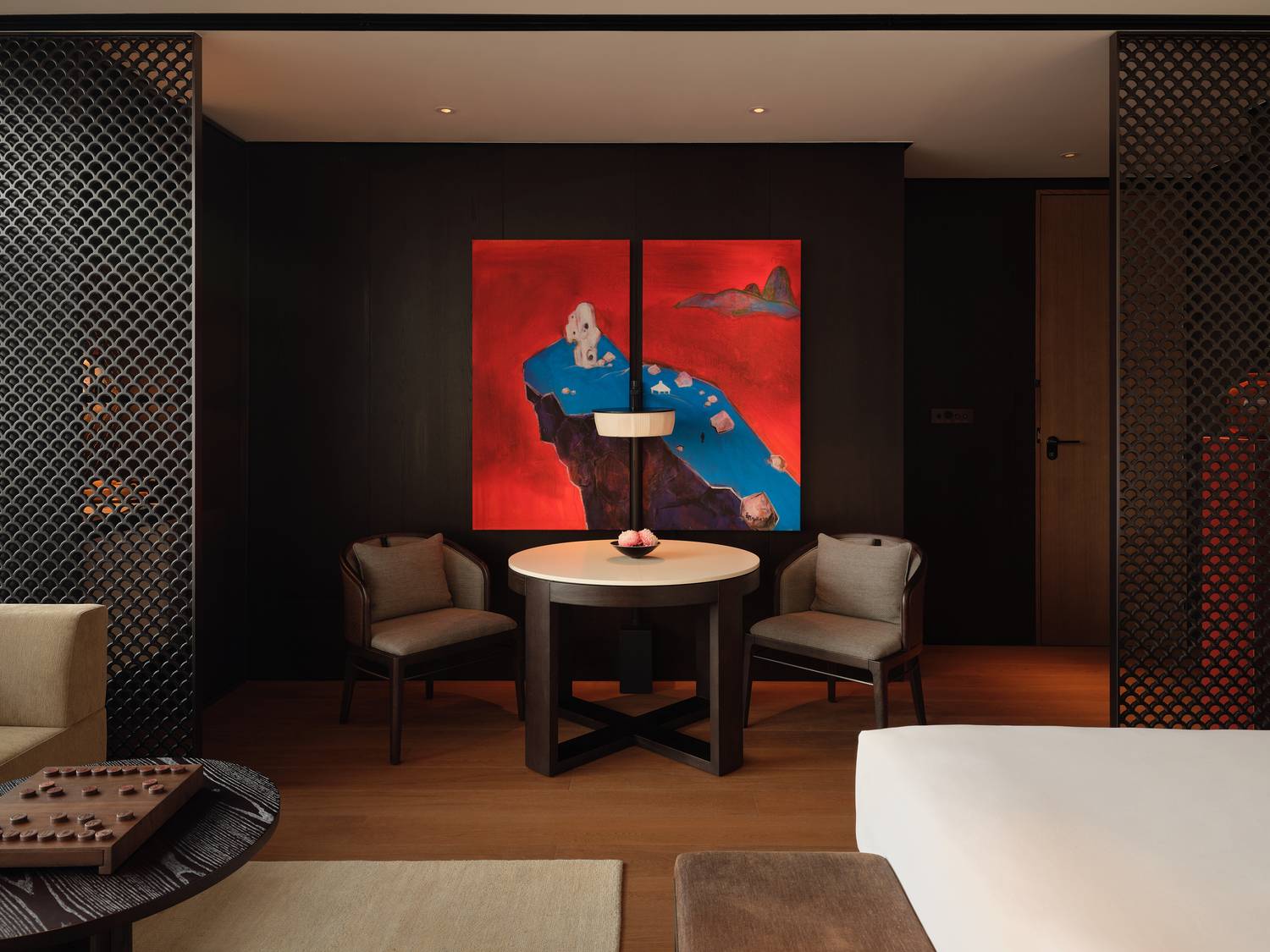
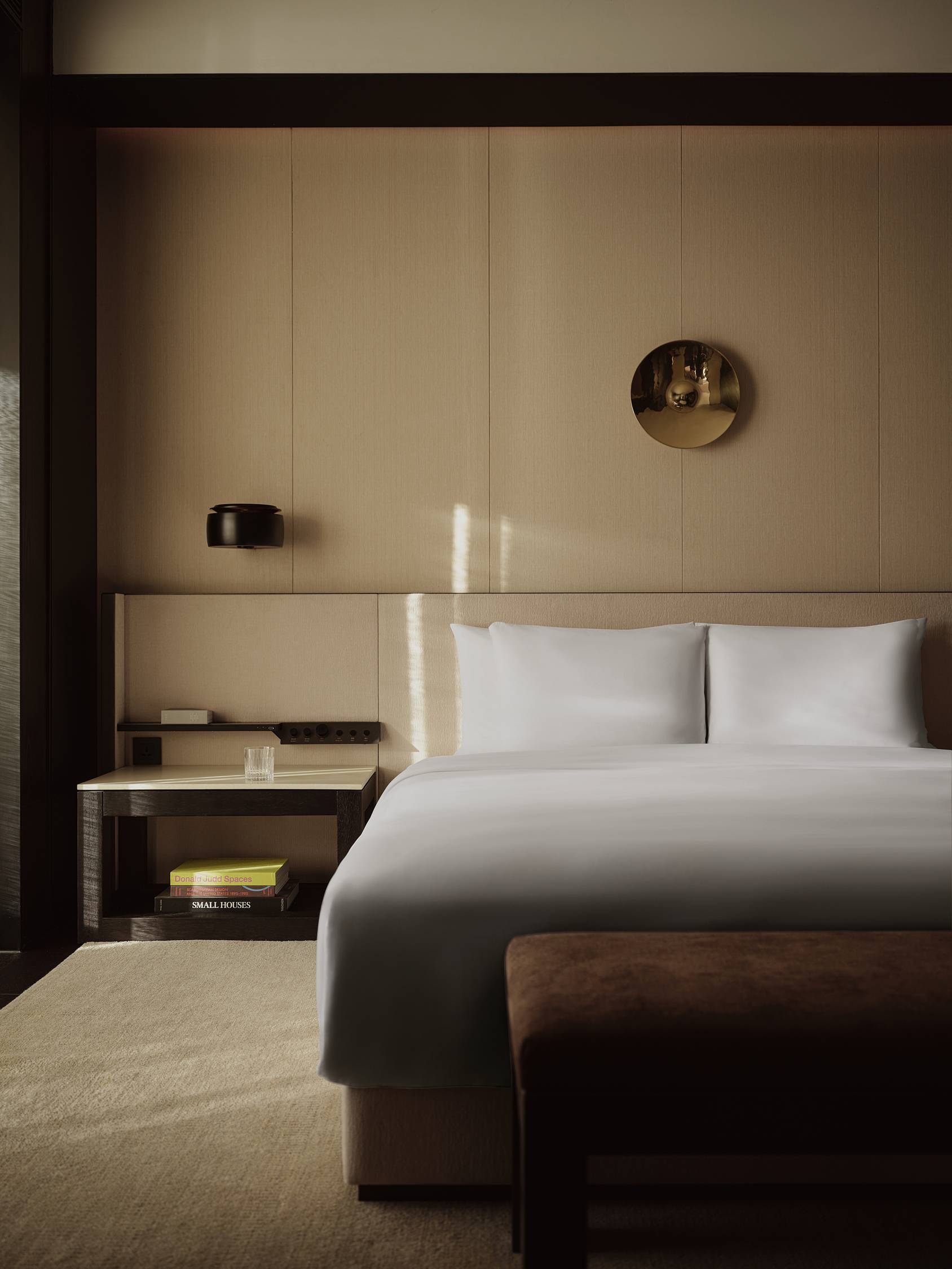
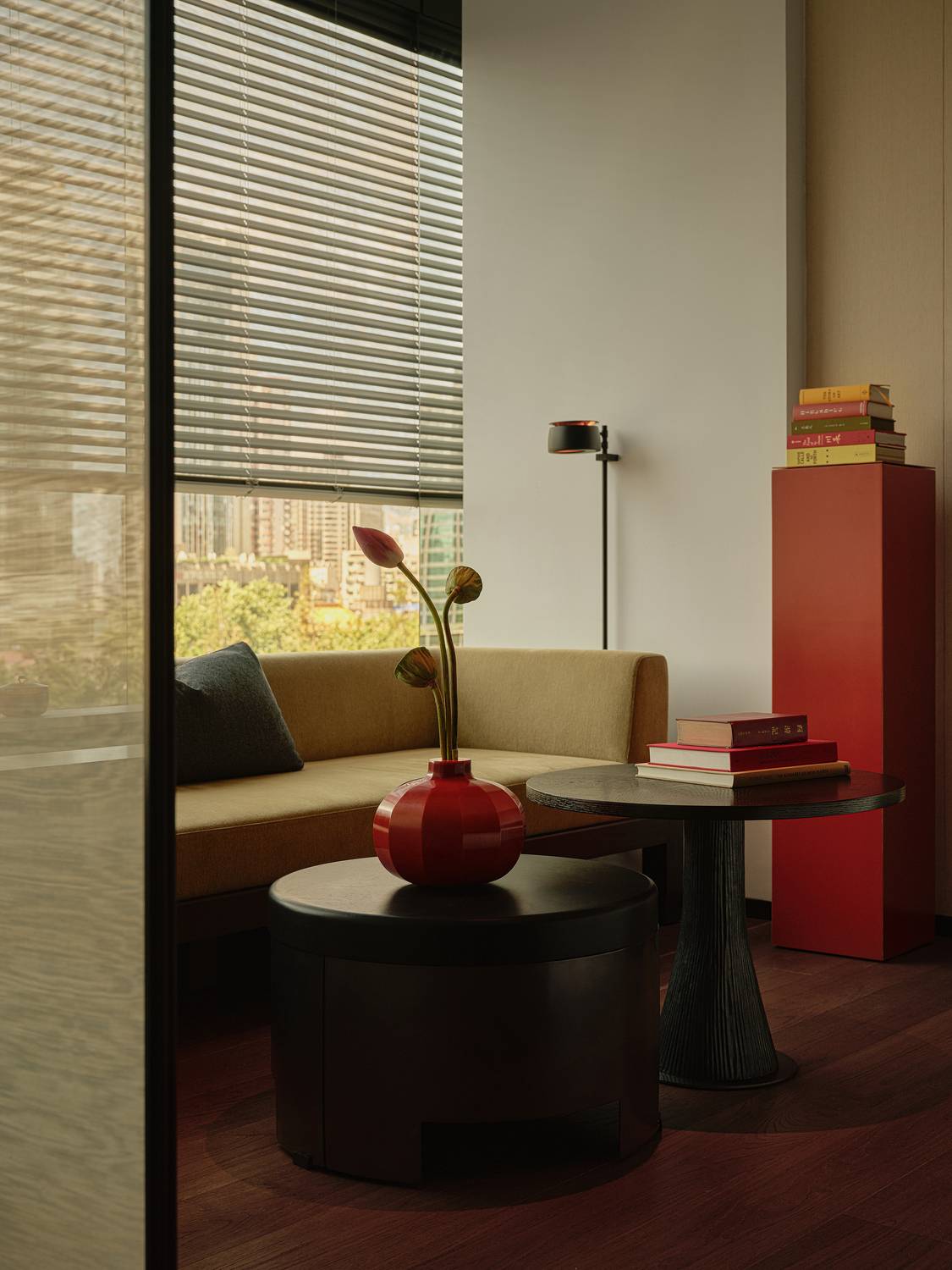
The renovated rooms have been redesigned to reflect a collector’s home—warm, personal, and layered with character, whilst retaining a sense of openness and tranquillity. Each space features distinctive design pieces, tactile materials, and curated objects that tell a story. From a lacquered tea box crafted through traditional urushi techniques to a hand-forged decorative copper mirror within each bedroom, there is an emphasis on artisanal craftmanship.
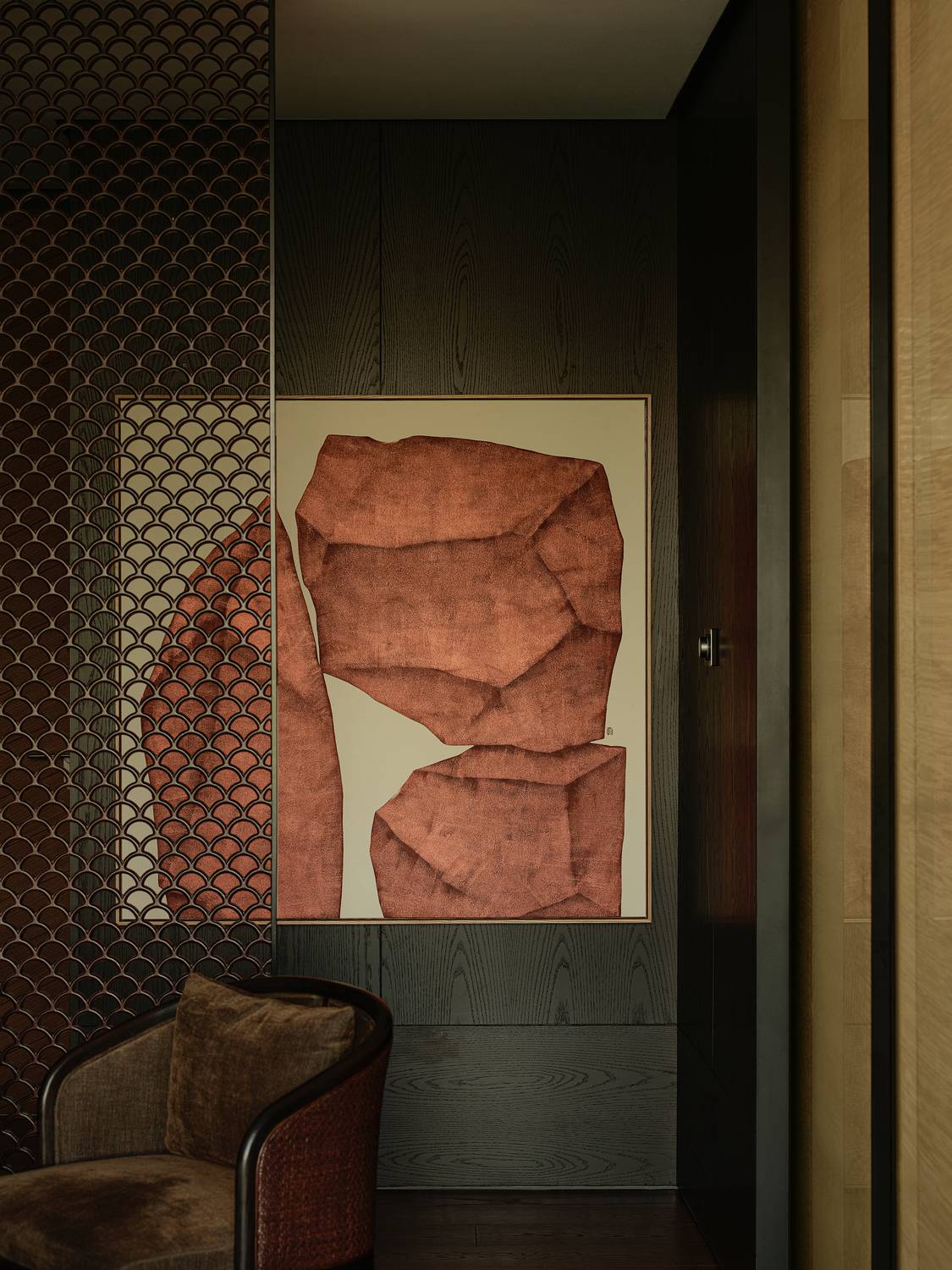
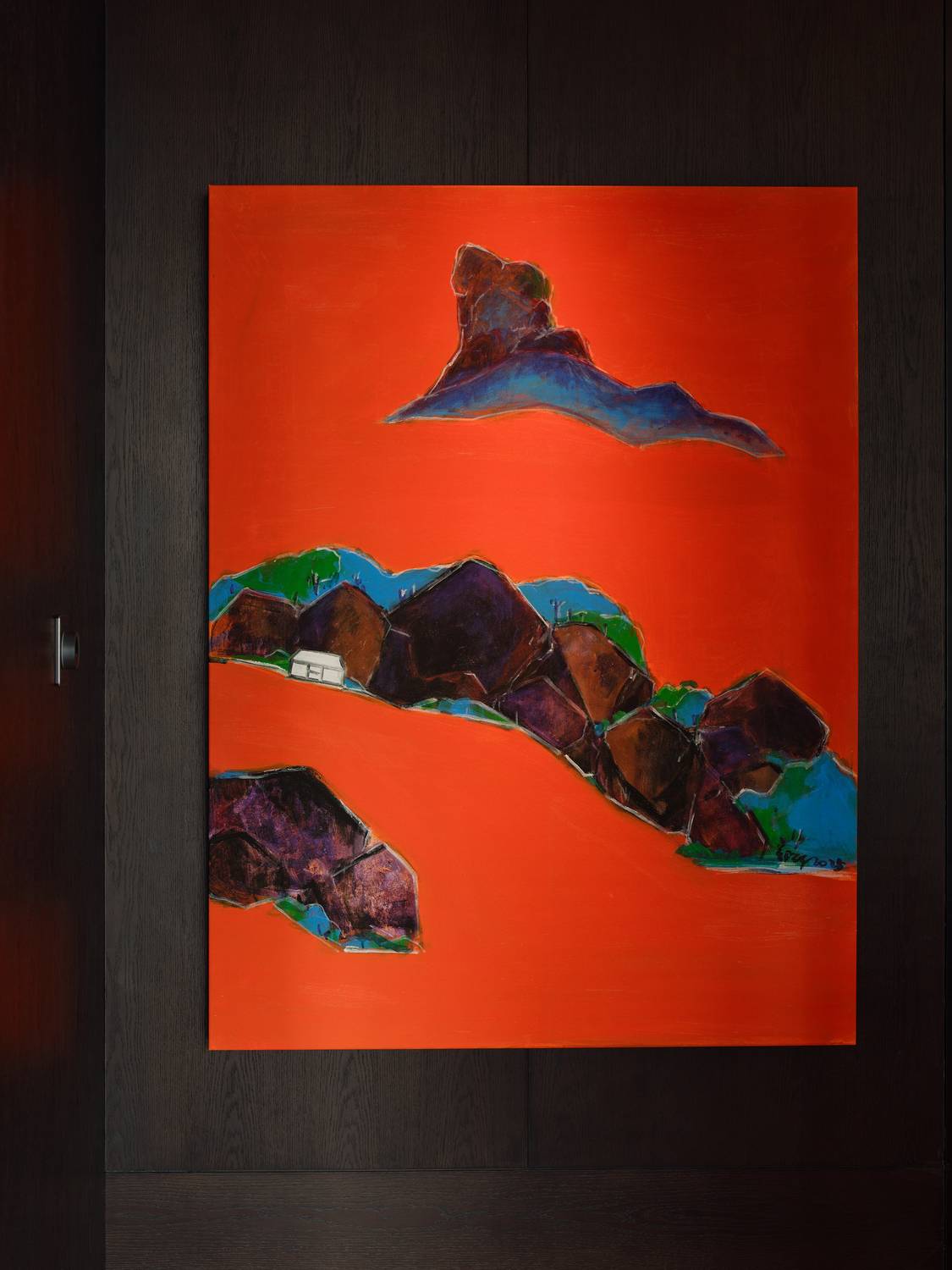
Each room houses privately commissioned artworks, offering compositions blending Eastern poetic tradition with Western expressive techniques, grounding the atmosphere with a strong sense of place. With the option for lighting and temperature control, and in-room fitness via the SOPHIA™ Mobile Set, guests can personalise their environment, shaping the room around their own wellbeing and rhythm. The result is a thoughtful and cocooning residential-inspired retreat where one feels instantly at ease.
Wellness in hotels often defaults to spas and gyms, but the PuLi seems to be reframing it as something more atmospheric and sensory. What spatial or design decisions help create a sense of internal spaciousness for guests?
At The PuLi Shanghai, wellness is conceived as a journey rather than a destination. Guided by an urban retreat philosophy, this approach will extend across our future pipeline of city hotels, each envisioned as an oasis within its surroundings. Serene yet vibrant, minimalist yet richly layered, every property will reflect the character and cultural touchpoints of its destination through thoughtful design and attention to detail.
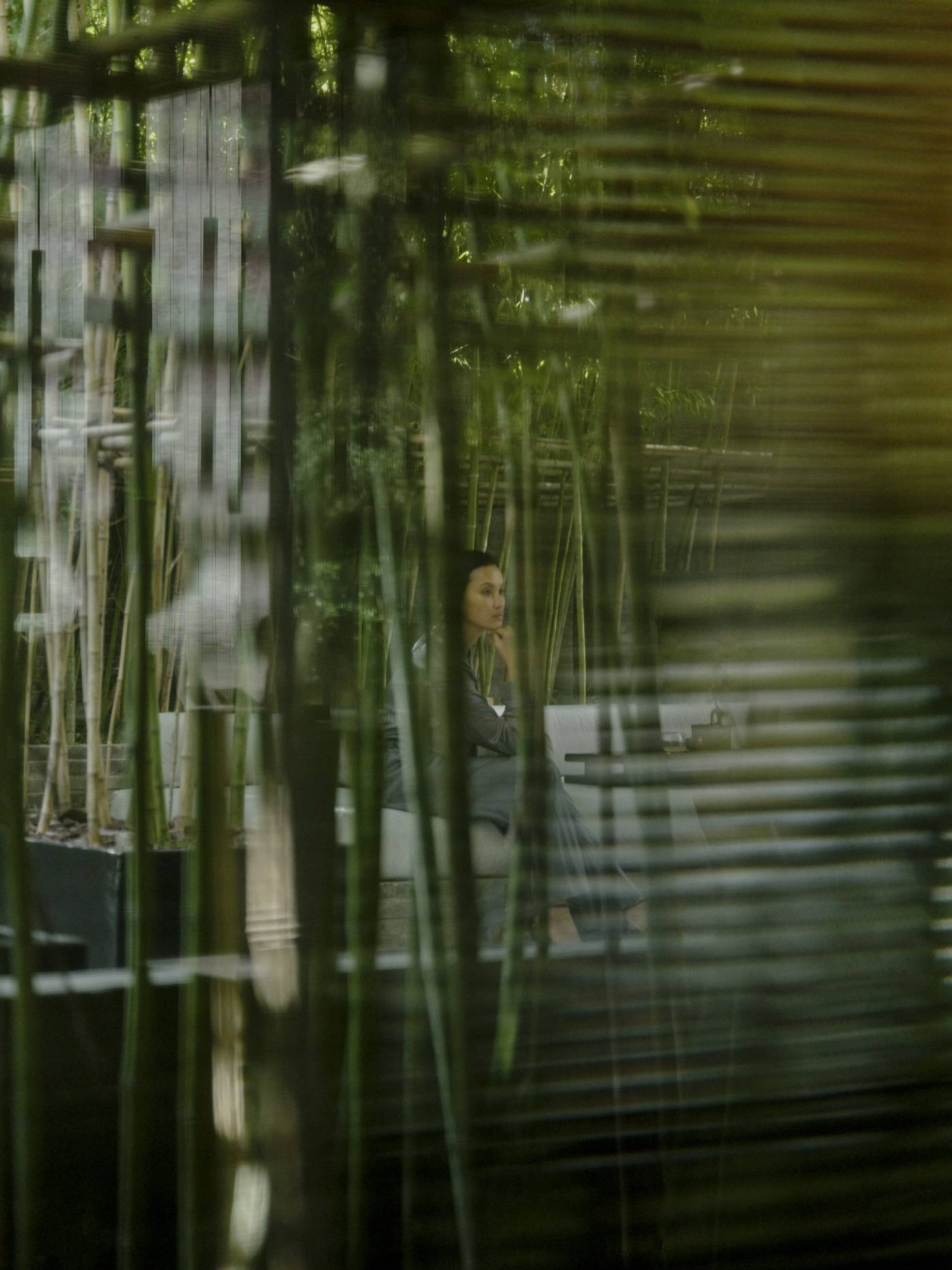
From the moment of arrival, the experience unfolds as a ritual of discovery. Lush greenery, calming music, balanced light and scent, and a welcoming tea ceremony deliver a calm rhythm, setting the tone for the stay. Spatial sequencing creates a sense of calm, with the hotel’s design favouring seclusion and intimacy over grand gestures. At The Garden Terrace, native Bamboo and the towering trees of Jing’An Park envelop guests in greenery, making the city feel worlds away. The new PuLi Bar and Grill will feature three distinct chambers, defined by shifts in lighting, acoustics, and service style, from immersive and expressive to rhythmic and social, then calm to intimate. This progression invites guests to move intuitively between spaces according to their mood and the experience they seek.
For the dedicated wellness floor, every turn reveals a new experience. One path leads to the fitness centre and PEDI:MANI:CURE Studio, another to the tranquil spa, before an intimate corridor that opens onto the parkview pool. This carefully sequenced journey creates a sense of spaciousness and serenity, setting the experience apart from more predictable hotel layouts through thoughtful design and architecture.
Light, acoustics and materiality profoundly influence how the body responds to a space. What were the most important environmental or sensory elements you reconsidered in the redesign to support guest wellbeing?
Lighting has always been central to the atmosphere at The PuLi Shanghai, working with the architecture to guide guests from the energy of Shanghai’s streets through a sequence of calming spaces, allowing the outside world to gradually recede.
In the redesign, we are enhancing this experience with contemporary lighting technology and wider louvres in the guest rooms, creating a richer range of atmospheres that support comfort and tranquillity throughout the stay. Acoustics and materiality were equally important, with layered textiles and natural finishes improving sound absorption across guest rooms and communal spaces, ensuring that quiet feels intentional rather than empty.
Together, these refinements create an understated sense of luxury, balance and calm, delivered with tact and discretion.
As part of this new phase, The PuLi is giving more weight to art, literature and cultural curation. How can these be instruments of wellbeing, not just aesthetic choices?
Art and literature are woven throughout the guest journey as tools for reflection and connection. Each property in the collection will evoke a “collectors’ residence” with locally curated art, books and bespoke design pieces. Within the guestrooms, bespoke works from contemporary Asian artists Zheng Zaidong and Tay Bak Chiang offer a contemporary interpretation of the ancient Chinese tradition of scholar’s rock appreciation, celebrating the beauty, symbolism and cultural significance of stone. This is teased through abstract ink compositions and expressive painting techniques, all of which explore the interconnection among nature, time, and human existence.
Beyond the guestrooms, the Library offers curated volumes for quiet contemplation, while design pieces placed throughout the hotel invite guests to pause, observe and engage with their surroundings more mindfully.
Additionally, we have launched a Creative Talks series, hosting intimate discussions with influential figures across design, culture, and mindfulness. We have found these moments of cultural engagement resonate with our guests, reflecting a growing demand for educational and authentic experiences.
Many modern travellers are seeking emotional restoration as much as physical rest. How did you design moments of pause, reflection or quiet ritual into the guest journey—whether through layout, flow or micro-details?
From the hotel’s inception, it was conceived as a sanctuary from the intensity of the city, a place where pause is not incidental but designed. The journey at The PuLi Shanghai is layered with intentional rituals, beginning at arrival with a grounding tea ritual that immediately shifts the pace. Throughout their stay, guests can join a community conversation, participate in a wellness class, or explore Shanghai’s hidden lanes on a walking tour. These details create an opportunity for guests to move at their own pace, engaging with intention rather than obligation. The available choice and flexibility across experiences give our guests freedom and space for emotional restoration.
The PuLi brand is expanding across Asia, yet the Shanghai property remains its emotional and cultural anchor. How does your approach to wellbeing translate across different cities while retaining the depth and intentionality of the flagship?
Shanghai embodies our philosophy of balanced refinement as a blend of Eastern serenity and cosmopolitan elegance. As we expand, each new property will interpret this balance in locally meaningful ways, whether through utilising indigenous materials, regional wellness traditions, or collaborations with local designers and cultural practitioners.
The dedicated wellness floor at The PuLi Shanghai sets a benchmark for holistic wellbeing across the group, offering guests and members a sanctuary of revitalisation through movement, nutritious culinary offerings, social wellness gatherings, and thoughtful practices designed to support deep, restorative sleep.
Tailor-made treatments use bespoke, organic formulations from Valmont and Swissline, two of the world’s leading creators of wellness products. The Hair Up Bar and the Bastien Gonzalez PEDI:MANI:CURE Studio have been selected exclusively for The PuLi Group, the latter being Bastien’s first site in mainland China, bringing a global leader in beauty to the portfolio and complementing Shanghai’s cosmopolitan audience.
The intention is to preserve the sense of sanctuary and human connection that defines The PuLi Shanghai, while allowing each destination to express its own character and story through unique techniques and materials.
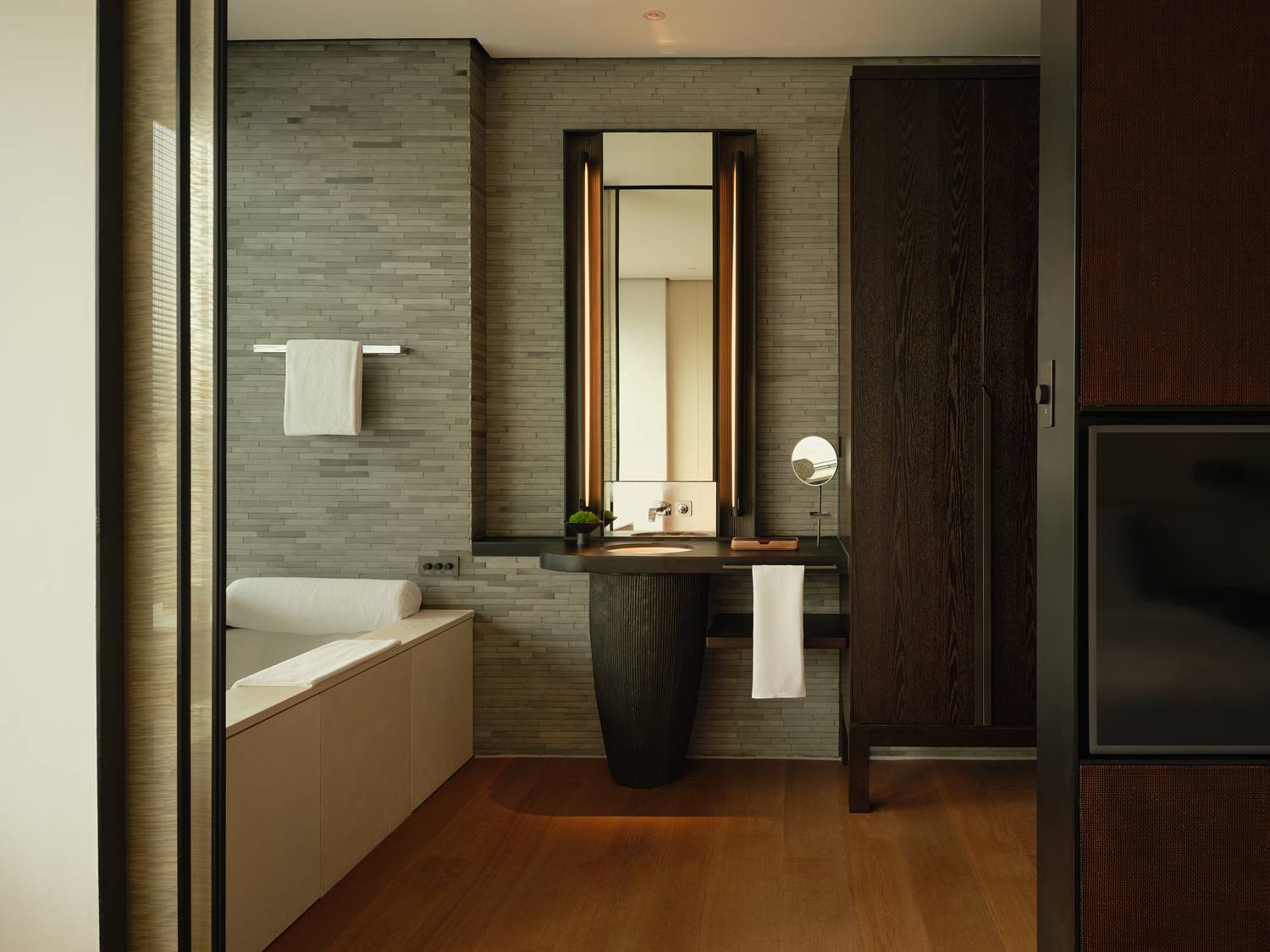
Material choices can significantly influence comfort and emotional ease. Which materials or textures did you prioritise to create a sense of warmth, tactility and human connection?
We embraced materials that express elegance through simplicity. In the dining and social spaces, warm woods and natural stone establish a grounded, tactile foundation. Within the guest rooms, patterns and textiles work in quiet harmony to create matte surfaces, soft upholstery, and handcrafted details, encouraging tactility and fostering a sense of warmth and human connection.
When guests step into the reimagined PuLi, what kind of internal shift do you hope they feel – and how does the design support that transformation?
We hope guests feel a gentle recentering from the pace of the dynamic city to a state of inner calm. At The PuLi Shanghai, this transformation unfolds through a sequence of sensory experiences: the grounded interiors upon arrival, the curated intimacy of each guest room, the calming Wellness Floor, and considered rituals at every step. We see it as not simply a stay, but a journey that guides guests from doing to being, from action to repose, allowing them to leave restored and rested.
To find out more about The PuLi Shanghai and book, visit the links below…
The PuLi Shanghai
1 Changde Road
久光 Jing’An, Shanghai
China, 200040
Web: thepuli.com
Tel: +852 3750 7561
Email: information@thepuli.com
Instagram: @thepulishanghai