



The effects of a demanding lifestyle are not always immediately visible. A person may remain productive and outwardly healthy while elevated cortisol, unstable blood sugar, poor sleep and low-grade inflammation gradually begin to affect energy, concentration and recovery. For Marina Domene, Head of Nutrition at SHA Spain, these quiet changes are an important reminder that performance is shaped as much by what happens within the body as by professional discipline or ambition.
Domene places anti-inflammatory nutrition at the centre of a more sustainable approach to health. Far from being a temporary diet or corrective measure, it is a way of supporting metabolic balance, mitochondrial function, gut health and cognitive performance over time. In this interview, she considers the physiological consequences of chronic exhaustion, the habits frequently encountered among executives, and why eating well should be regarded as a practical tool for both present-day performance and long-term health.
Many high-performing leaders still see recovery as something that comes after success. Why is this mindset no longer compatible with longevity or sustained performance?
Silent mental fatigue—manifested in irritability, errors in judgement, and reduced clarity—arises when output is prioritised above all else, weakening resilience and precision in decision-making. In a context of stress and high demands, recovery must be intentional and proactive, through healthy habits such as a balanced, anti-inflammatory diet, adequate restorative sleep, physical activity, conscious disconnection, etc. These help us maintain our internal energy and prevent ‘modern success syndrome,’ in which achievements accumulate while satisfaction and health deteriorate. Balancing effort and recharging is a smart strategy for thriving sustainably and indefinitely.
Burnout is often framed emotionally, but from a medical perspective, what is actually happening in the body and brain when recovery is consistently missing?
Chronic exhaustion resulting from insufficient recovery triggers a cascade of physiological and neurological alterations that transcend emotional fatigue, affecting key systems such as the endocrine, immune and nervous systems. It has been widely demonstrated that prolonged lack of rest hyperactivates the hypothalamic-pituitary-adrenal axis, causing a sustained increase in basal cortisol levels. This chronic activation promotes a state of systemic inflammation, alters insulin sensitivity and increases susceptibility to metabolic disorders.
In addition, sustained overload prevents adequate muscle repair, leading to the accumulation of microdamage, glycogen depletion and mitochondrial dysfunction, which compromises efficient ATP production. As a result, the immune system can enter a state of dysregulation characterised by increased pro-inflammatory cytokines, which promote autoimmune processes, greater susceptibility to infections, and the onset of chronic pain.

The concept of “recovery-led living” is gaining attention. What does this look like in practice for someone who remains ambitious and professionally engaged?
The concept of a ‘recovery-oriented life’ does not mean reducing ambition or lowering professional commitment, but rather understanding that sustained performance depends as much on recovery as it does on effort. In practice, it means planning rest with the same intention as work.
The rule of ‘more is better’ must be replaced with ‘better is sustainable’. Recovery is no longer an occasional reward but a performance tool. It means training, eating and disconnecting consciously to preserve energy, mental clarity and quality decision-making. In short, a recovery-oriented life is not a renunciation of excellence, but a strategy for maintaining it in the long term without sacrificing health, resilience or personal satisfaction.
From a longevity standpoint, how does chronic stress affect cognitive performance, decision-making and leadership clarity over time?
Chronic stress not only affects physical health, but also progressively impairs cognitive performance, decision-making quality and leadership clarity. Over time, sustained exposure alters fundamental brain structures such as the hippocampus—involved in memory and learning—the prefrontal cortex—key to planning, judgement, and emotional regulation—and the amygdala, related to emotional reactivity.
As a result, there is reduced mental flexibility and creativity, decreased working memory, a greater tendency toward impulsive or biased decisions, and a decline in the ability to accurately assess risks. In addition, prolonged exposure to stress accelerates processes linked to biological ageing, such as low-grade chronic inflammation and metabolic dysfunction.
When executives arrive at SHA, which health or performance indicators most commonly surprise them—and why are these signals so often overlooked?
Among the most common findings are elevated cortisol levels; metabolic abnormalities, such as increased glucose or insulin in apparently healthy individuals; markers of low-grade inflammation; and impaired sleep quality, characterised by high fragmentation or a low percentage of deep sleep. Low scores on cognitive tests, digestive function disorders—such as bloating or recurrent discomfort—inadequate eating patterns with diets rich in ultra-processed foods or excessive meat consumption, and low physical activity are also common.
These signs often go unnoticed for multiple reasons. The normalisation of fatigue makes chronic stress the standard. In addition, the absence of acute symptoms makes the deterioration progressive and silent.
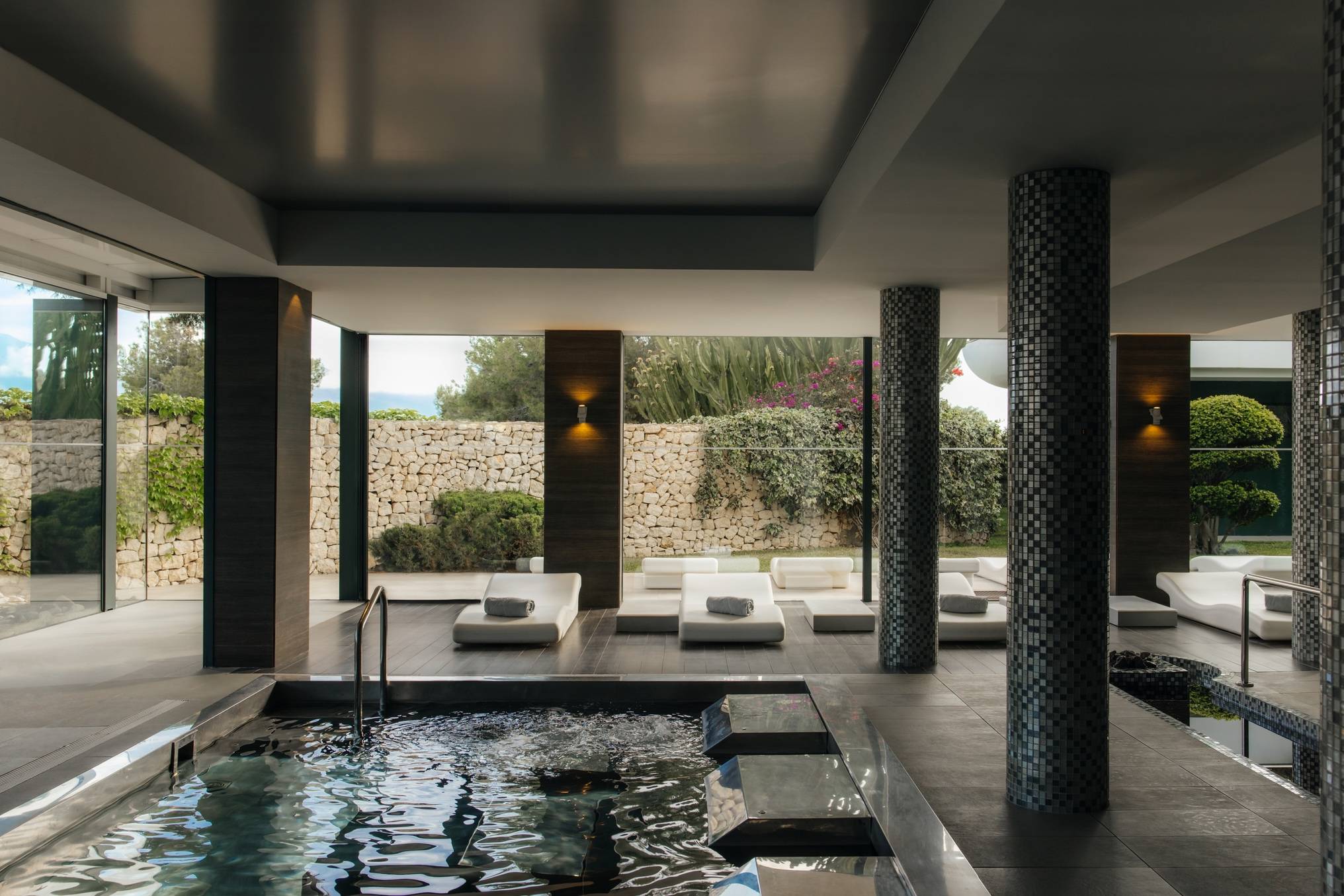
Why are structured reset environments more effective than attempting to restore balance within everyday life, even for highly disciplined individuals?
In everyday life, we are constantly exposed to the same triggers: continuous pressure, hyperconnectivity, incessant decision-making and high external expectations. In contrast, an environment specially designed for rebooting simultaneously modifies the context, stimuli and demands, eliminating disruptive factors and facilitating restorative behaviours without relying exclusively on self-discipline.
In addition, having a structured plan—where decisions such as what to eat, when to train, or when to rest are already predefined—reduces decision fatigue and frees up cognitive resources. This allows more mental energy to be devoted to processes of integration, strategic clarity, and deep reflection.
Do you see recovery becoming a core leadership capability in the future, alongside strategy, resilience and emotional intelligence?
Recovery is not simply rest; it is the ability to strategically regulate physical, mental, and emotional energy. A leader who does not recover properly ends up losing cognitive clarity, decision-making quality, and emotional stability.
Conversely, those who have already integrated recovery into their habits show greater strategic precision, better emotional regulation under pressure, sustained capacity for innovation, more balanced decisions, and greater consistency in long-term performance.
If there is one recovery habit or mindset shift that consistently delivers the greatest long-term return for sustained performance and healthy ageing, what would it be—and why?
If I had to choose a single habit with the greatest sustained impact on performance and healthy ageing, it would be adopting anti-inflammatory nutrition as a lifestyle, not as a temporary diet.
Chronic low-grade inflammation is one of the main drivers of metabolic, cognitive, and cardiovascular decline over time. Many functional and productive individuals maintain elevated inflammatory levels without obvious symptoms, but this condition silently impacts energy, mental clarity, and recovery capacity.
It acts directly on the physiological basis of performance by improving insulin sensitivity and stabilising energy, reducing systemic inflammation, protecting mitochondrial function and promoting gut health, all of which are key factors for better concentration, emotional regulation and reduced chronic fatigue.

To find out more about SHA Spain and its wellness programmes, visit the links below…
SHA Spain
Carrer del Verderol, 5
03581 L’Albir
Alicante, Spain
Web: shawellness.com
Tel: +34 865 61 41 47
Email: info@shawellness.com
Instagram: @shawellness