


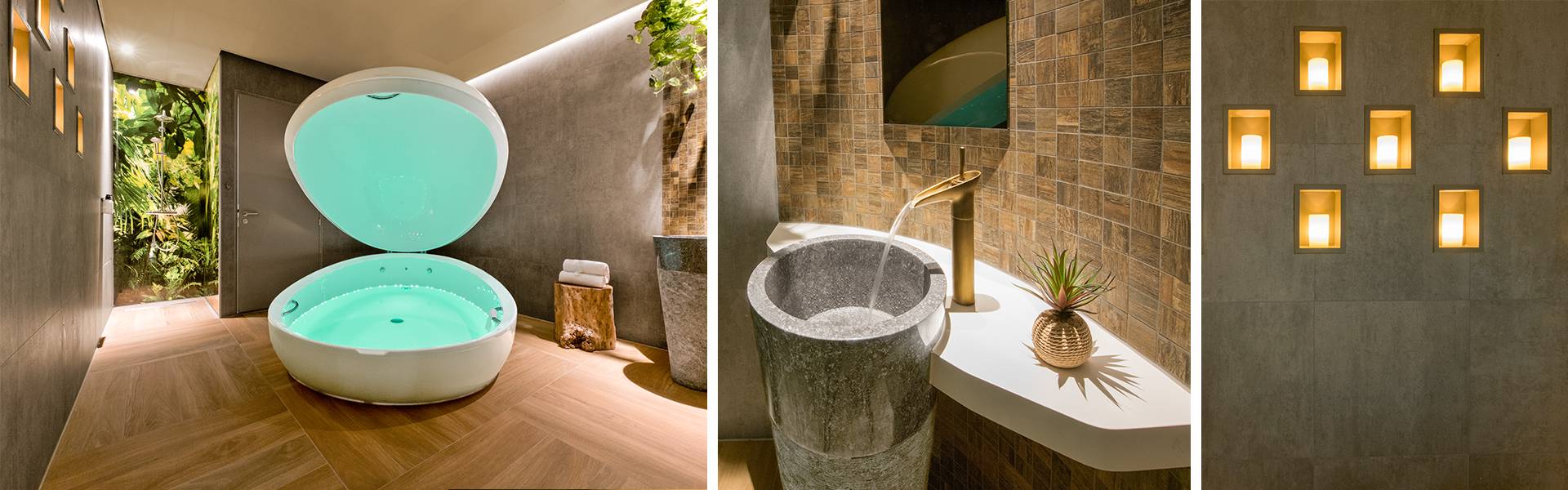
Modern wellness is increasingly defined not by what we add to our lives, but by what we take away. In a world of constant notifications, crowded schedules, and endless sensory input, the appeal of silence, stillness, and uninterrupted rest has never been greater. It is perhaps this shift that explains the growing popularity of flotation therapy, an experience designed to minimise external stimuli and create a rare opportunity for both mind and body to slow down.
Among the companies helping to shape this movement is Float Spa, a Hungarian manufacturer whose flotation systems can be found in wellness centres, luxury hotels, spas, and recovery facilities around the world. Combining sophisticated engineering with a focus on comfort, design, and wellbeing, the company has played a significant role in bringing floating into the mainstream wellness conversation.
We spoke with the team at Float Spa about the evolution of flotation therapy, the science and psychology behind the experience, and why more people than ever are seeking moments of complete disconnection in an increasingly connected world.
Floating therapy has moved from a niche wellness concept into a far broader conversation around stress management and recovery. What do you think has driven that shift in recent years?
The initial niche curiosity has indeed shifted to one of the mainstream recovery tools. I think this is in parallel with the growing demand for solutions that offer to reset the body and mind, which is driven by trends such as longevity, biohacking, and similar, as well as by the rising awareness among clients seeking supportive solutions.
For readers unfamiliar with the experience, how would you describe the sensation of a float session beyond the technical definition of sensory deprivation?
In short, I would say it is not about what you feel but what you do not, the absence of all feelings. Float therapy is based on the complete withdrawal of external stimuli.
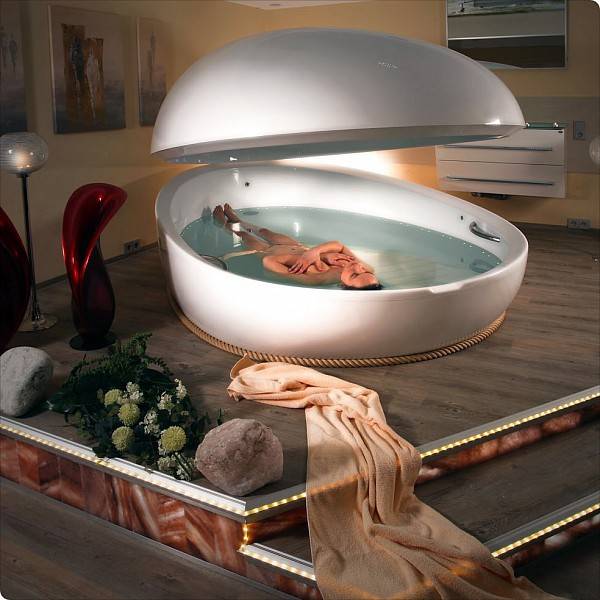
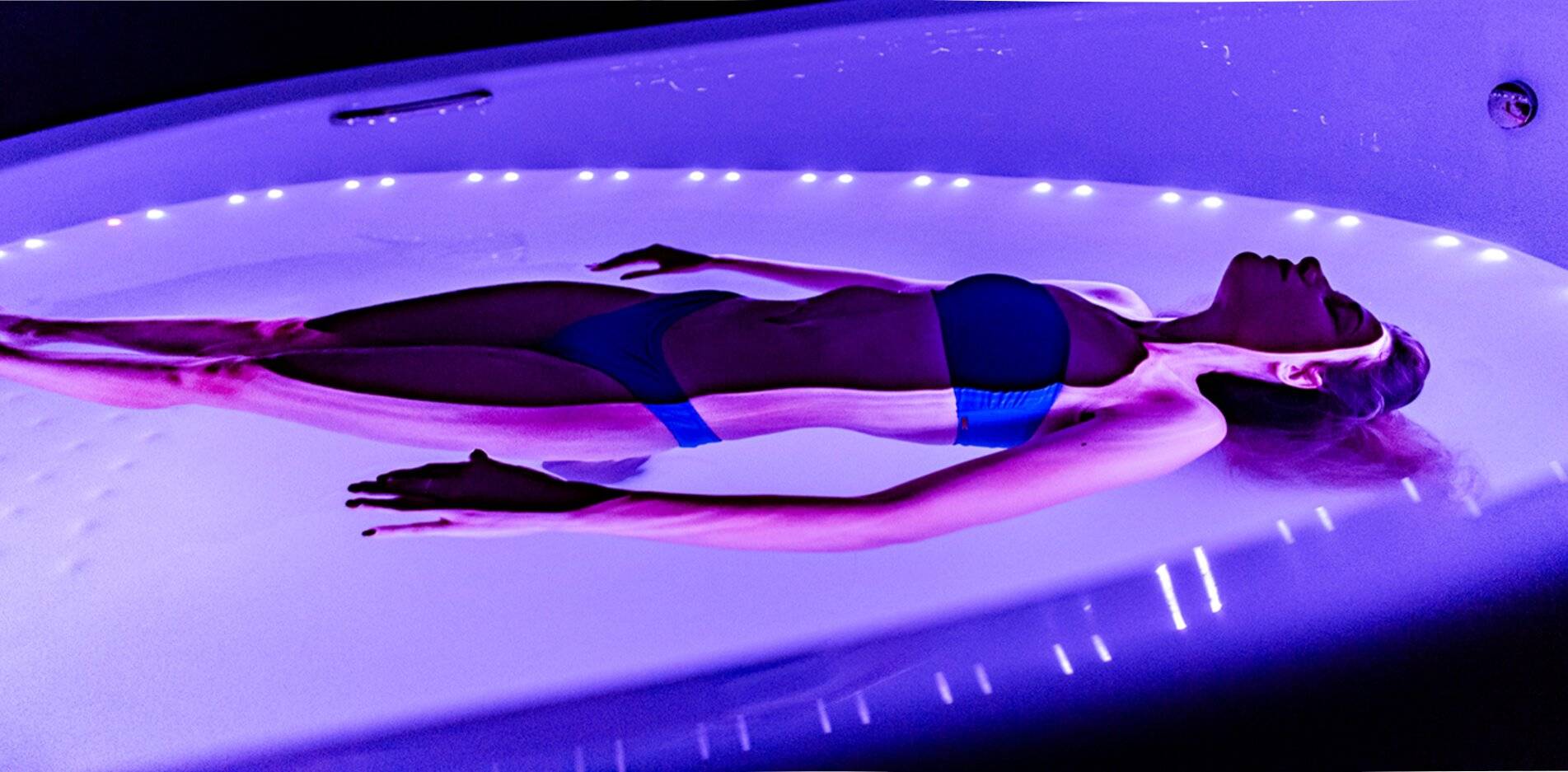
As its most significant effect, it relieves the body’s gravitational burden. You float on the surface of a highly concentrated saltwater solution. Weightlessness and the silky water’s skin temperature together make body boundaries fade away. There is nothing all around. Just rest and peace. At the end of a session, it all sums up in a deeply revitalising experience.
Float Spa places a strong emphasis on hygiene and engineering, particularly through its reservoir and filtration systems. Why was this such an important focus for the company from the beginning?
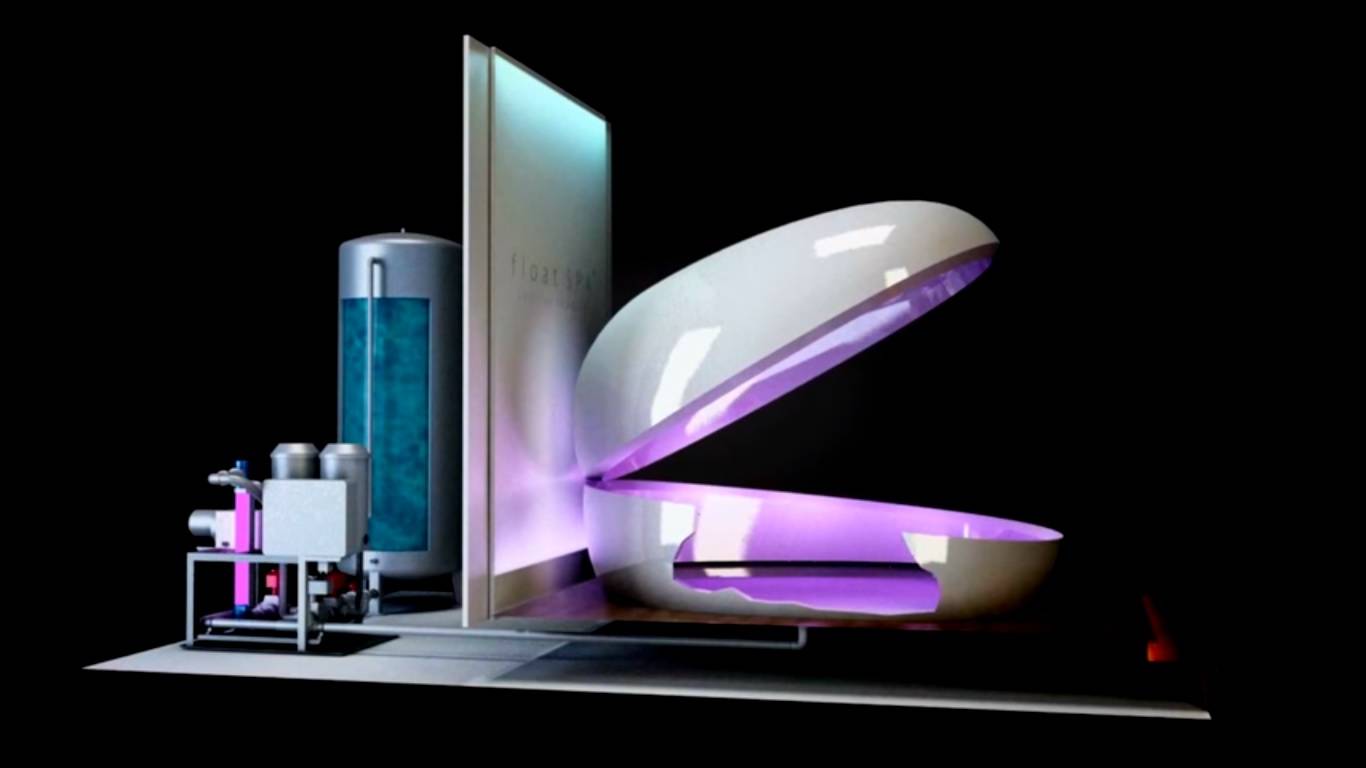
Research and testing went on for three years before the actual production started. The complete system is put together very thoughtfully. The concept was premium in every aspect, combined with the highest standards of hygiene. Float Spa was a pioneer in using an external water reservoir tank that ensures the water is filtered in 4+1 steps before and after each float session. Float Spa equals top premium quality and great design.
The design of the pods and rooms feels more architectural and refined than many traditional float tanks. How important is aesthetics within the overall floating experience?
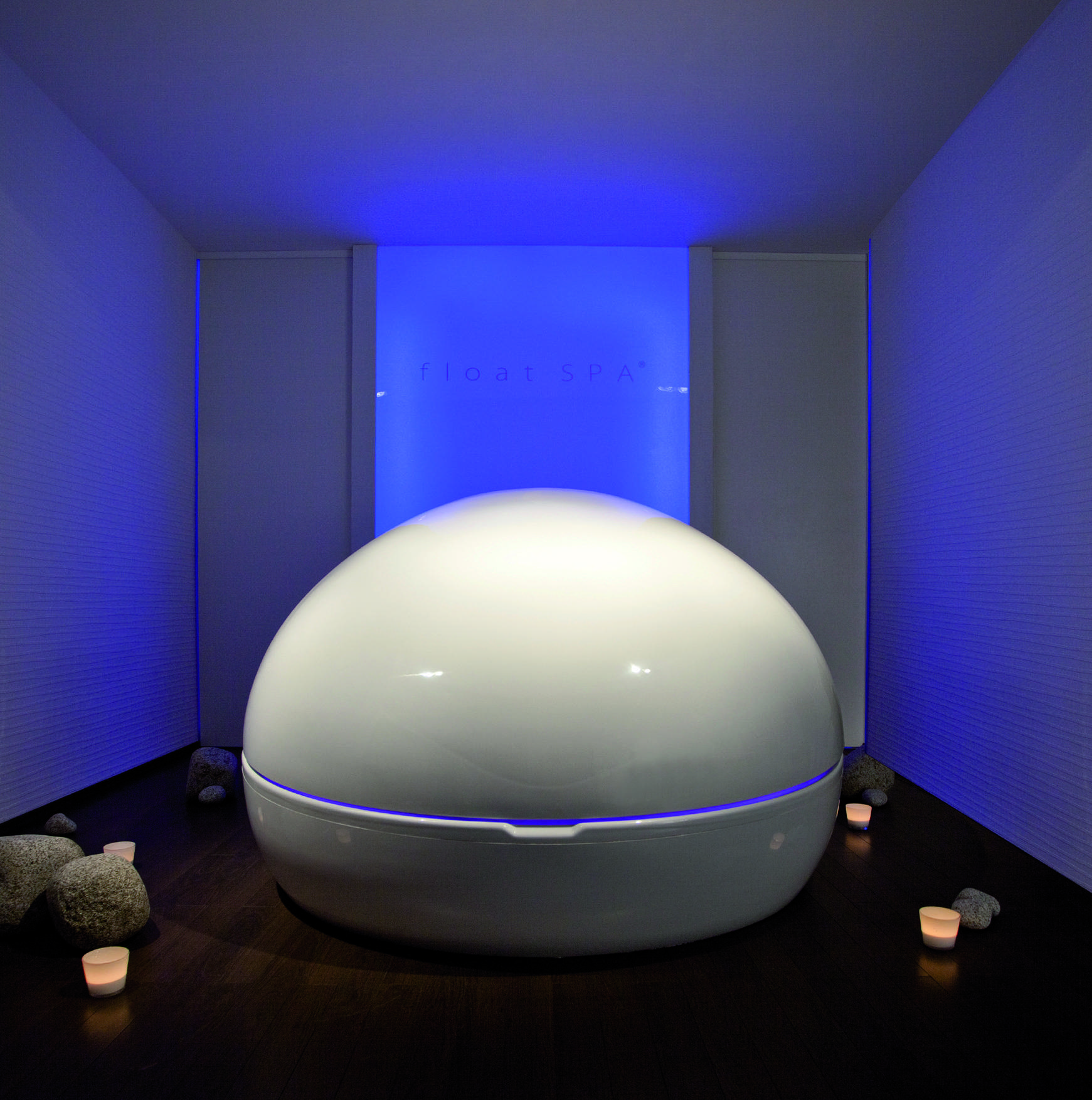
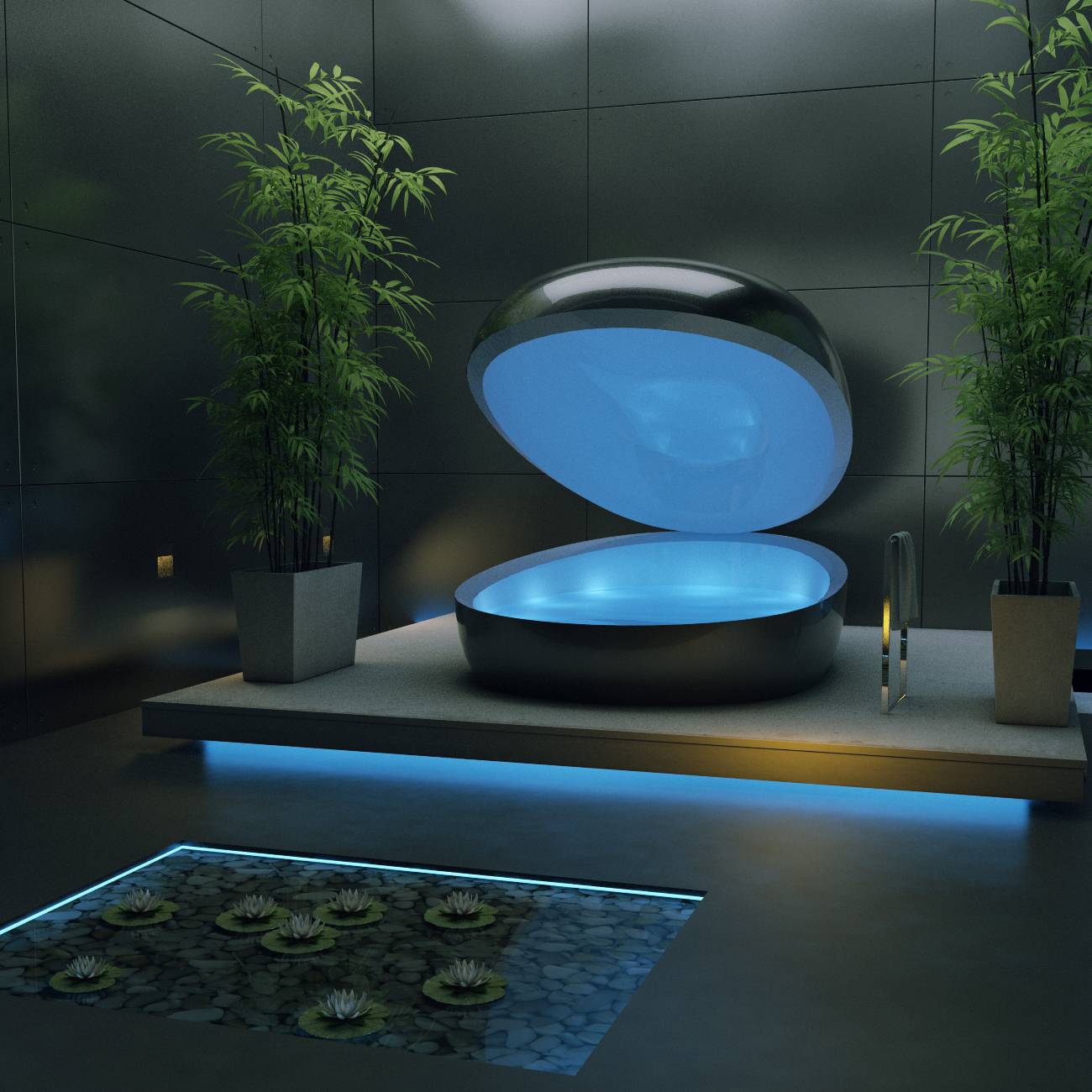
Aesthetics contributes to the premium experience. We are very proud of the unique shape of the Float Spa pod. It was designed by Andras Huszar, the architect and founder of the company, and won the Hungarian Design Award in 2011. The pod is very comfortable in size, ergonomic in shape, and the interior is surprisingly spacious even when closed. The top lid can be closed, left fully open, or stopped at any intermediate position. The top-quality, sanitary acrylic pool with the shiny surface also contributes to the luxurious floating experience.
Stress and overstimulation have become defining characteristics of modern life. In your view, why are people increasingly drawn to experiences centred around silence, stillness, and sensory reduction?
The aim is to reduce the strain on the nervous system and to provide it with the right conditions for rest and recovery. A float tank is guaranteed to be a perfect tool for that: it is one of the few places on Earth where you are physically unable to check your phone.
A further unique advantage is that flotation neutralises gravity, thus the brain stops dedicating significant resources to proprioception (the sense of self-movement and body position). Your brain normally spends more than 40% of its energy just dealing with gravity!
Have you noticed a shift in the type of clientele seeking out flotation therapy today compared to a decade ago?
As a manufacturer, we have a wide network of distributors who have direct contact with customers. I would suspect that even they could not provide this information, as they typically deal only with maintenance-related issues. Float centre operators could provide the best answer, rather than hotels, as hotel users are almost entirely hotel guests, not day spa visitors.
Float Spa systems are now installed across hotels, wellness destinations, sports facilities, and dedicated float centres internationally. How has the industry evolved globally since the company began?
We started research and product development in 2009. Modern technology, fibreglass float pods, and larger open floatation chambers have been developed. Between 2010 and 2015, the number of float centres in North America alone skyrocketed. As the industry has diversified, a number of professional sports teams have begun to purchase their own float tanks.
Later, the recognition was heavily aided by the rise of social media channels. There are still huge differences among countries in terms of the number of float locations, so there is room to grow. As the newest segment, private installations are rising as more float pods are installed in individual homes.
Many wellness treatments promise recovery or relaxation, yet flotation seems to occupy a unique space between mental wellness, physical recovery, and meditation. How do you see it fitting into the broader wellness ecosystem?
Floating is a relaxing magnesium-based anti-stress experience with many physical (magnesium absorption, detoxification, easing back pain, skin problems, asthma, hay fever) and mental benefits (stress, burnout, PTSD), making it a unique and complex recovery tool. Floatation is like a system reset button for the body that also enhances the effectiveness of other healthcare treatments.
Athletes, wellness travellers, and high-performance professionals have all embraced floating in different ways. Which benefits do clients tend to speak about most after their sessions?
These largely depend on the different lifestyles and daily routines. For regular sportspeople, magnesium-rich water relieves muscle tension and promotes rapid physical recovery, while frequent travellers can effectively fight jet lag with floatation. A 60-minute float can have the restorative effects of several hours of sleep. The list of benefits is way too long. Still, the ones that I hear time to time are that the sensation doesn’t end when you step out of the tank. It has lasting effects for the rest of your day. For those floating frequently, it brings cumulative benefits.
Float Spa often references the importance of achieving a deeply restorative “theta” state during floating. Why is this state so significant to the experience?
Floating naturally forces the brain to generate theta brainwaves, making it an excellent “bio-hack”. The theta state is where the body’s real maintenance happens, without having to do anything, purely by staying in this state. The longer we stay in the theta brainwave state, the more “background” work can happen. It reduces harmful stress hormones and stimulates the release of beneficial endorphins in the brain.
How much of the experience is psychological, and how much is physical?
Definitely both, but we can only talk about individual sensations. After a heavy workout or with a sore back, physical benefits are more valuable—maybe 70% physical —while after a stressful week or with a racing mind, the relaxation effect is more perceptible, and it will feel 70% psychological. Even though the one-time experience is impressive, regular floaters enjoy neurological benefits: improved sleep and lower baseline anxiety.
The wellness industry increasingly overlaps with hospitality and luxury travel. How are hotels and resorts integrating flotation therapy into their guest experiences today?
Besides float centres, hotels are our biggest customers. Hotels are either looking for something unique to add to their wet spa offerings or looking for a better revenue-generating service to replace something. Floating, as a touchless wellness experience, fits perfectly within this consideration. A new installation best proves its success when the hotel chain orders Float Spa pods for its other locations.
Flotation therapy is now an important part of the hydrothermal experiences offered by spas along the thermal journey. It is an essential part of the contrast therapy concept: users move from a sauna experience to a cold plunge and finish in a float tank to normalise the nervous system.
What are some of the most memorable or unusual Float Spa projects you’ve worked on internationally?
We had some unforgettable installations when we found that the interior we had prepared on site differed from the previously approved plans. These spice up the routine with some excitement, but our colleagues’ prompt, creative solutions have always been successful in such cases. Memorable destinations include multi-unit float centres across the US, places hidden in the high mountains of Switzerland and locations like Sri Lanka and the Maldives.
Float Spa systems are manufactured in Hungary but installed worldwide. How do you balance technical precision and manufacturing quality with the highly personal nature of wellness experiences?
As a manufacturer, we uphold our quality standards through ISO and other quality certifications. We do not deal with wellness clients directly; some of our distributors do. This is a very valuable know-how. The technical and wellness staff are different, of course, but the concept and the passion come from one hand. An example of this is the truly exclusive Permsal Magnesium Experience.
Sustainability and water usage are increasingly important considerations in wellness infrastructure. How has Float Spa approached these conversations from a technical standpoint?
Float Spa pods are extremely economical with low energy consumption. The high-end filtration system is capable of processing the entire volumes of water, using UV light and skin-friendly hydrogen peroxide to ensure water quality. Premium materials guarantee long-term usage; we have over 15-year-old flotation pods still in operation.
There is often a misconception that floating is only for wellness enthusiasts or experienced meditators. What would you say to someone considering their first float session?
Floating weightlessly is an amazing freedom and brings physical relief even if nothing else happens. The popularity of floating also stems from the radical level of “forced” mindfulness it offers, which is easier for beginners to achieve than, for example, traditional seated meditation. Floatation is a doorway to a deeper state of consciousness. The magnesium-rich water creates a perfect microclimate in which inhaling salt air naturally improves respiratory and skin health. Many positive effects come naturally, effortlessly—just simply float.
Looking ahead, where do you see floatation therapy evolving over the next five to ten years?
I definitely expect floatation to be more widely recognised with steady growth in several countries. Credibility is one of the most important factors driving widespread adoption: the benefits of floatation are now scientifically validated by clinically proven evidence. This develops confidence and opens new possibilities for medical and rehabilitation programs.
On the other hand, I expect that the focus among users will shift more from treatment to prevention, as a float pod is already a wellbeing tool for highly health-conscious people to maintain physical and mental health.
Finally, in a world that rarely slows down, what do you think people are truly searching for when they step into a float tank?
People’s nervous systems are constantly bombarded by blue light, notifications, and the squeezing of more hours into a day. We all seek techniques or places that revitalise ourselves. We all need to regain balance from time to time. Floating offers an overall solution: physical recovery and a mental “unplug” at the same time.
Of course, the purpose of use may vary from person to person, but the additional features serve these demands. Clients can personalise the experience: sound, light, and aromatherapy are included in all our systems. One can listen to his/her own music, sound therapy or even a guided meditation through the built-in underwater speaker. The open pool comfortably fits two people and, with its added features, can be used for both wellness and fun.
To find out more about Float Spa and its products, visit the links below…
Float Spa
Budapest, Bécsi út 195
1032 Hungary
Web: floatspa.com
Tel: +36 70 321 7637
Instagram: @float_spa_kft
Facebook: @FloatSpaPremiumFloatingTank