



Modern working life has made constant activation remarkably easy to normalise. Full diaries, immediate replies and uninterrupted access to information can appear to be signs of commitment, even as attention becomes more fragmented and the nervous system loses its ability to disengage. María Paz Vidal Villegas, Senior Psychologist in The Cognitive Unit at SHA Spain, argues that ambition cannot override these physiological limits indefinitely.
Burnout, she explains, is rarely a sudden event. It more often develops through small, easily rationalised changes: disrupted sleep, irritability, reduced focus, heightened sensitivity to threat and an increasing difficulty tolerating uncertainty. Because high performers are often particularly adept at compensating, these shifts may remain hidden until cognitive and emotional flexibility have already begun to decline. Here, Vidal Villegas discusses the psychology of overwork, the relationship between identity and productivity, and why genuine resilience lies not simply in enduring pressure, but in knowing how to return to a regulated state.
“Stress is one of the, if not the, biggest diseases of the 21st century. And yet it is one of the most socially acceptable. It does not generally appear as something to be treated but something to be squeezed and honed. Ambition, responsibility, competence, being indispensable, working 24/7. It is not stigmatised, like many psychological disorders, but admired.
What was once a defence mechanism for humans to respond to real danger has now become yet another maladaptive behaviour. Luckily, most of us do not experience real life-or-death threats anymore, but our brain and body do not know that when they respond with the same physiological and psychological mechanisms to nowadays “micro-threats”. Urgency has become the norm, our new culture; it is slowly engulfing us all. Overwhelmed timelines, back-to-back meetings and commitments, “urgent” emails and the expectation of immediate response and unlimited on-call time.
Technology has further accelerated this phenomenon. Smartphones have dissolved the boundary between work and pause. We have allowed them to invade our private space, bringing even more “micro-threats” that require our attention. Notifications, messages, updates are continuous stimuli that demand our nervous system remain alert and ready for action. Always in survival “fight-or-flight” mode, but never truly in “rest-and-restoration”.
We live in “rush mode” not only because of ambition, but because the architecture of modern tools requires it. Attention is repeatedly redirected. Focus rarely completes a full cycle before interruption. Many adults who never struggled with attention earlier in life now describe distractibility, mental restlessness, difficulty sustaining depth. What appears as new pathology is often chronic overstimulation. The prefrontal cortex, repeatedly fragmented, loses the conditions necessary for sustained executive function. Attention becomes reactive rather than intentional.
Modern productivity systems reinforce this atmosphere. They reward speed, volume, visible intensity, constant availability. Sympathetic activation performs well in these conditions. It sharpens focus in the short term, increases motivation, and drives output. On dashboards and performance reviews, this looks like excellence. But what is being rewarded is sustained activation, not sustainable regulation. Rest, meanwhile, has been reframed. It is no longer understood as biological maintenance; it is treated as indulgence. Something earned after achievement. Something justified only once productivity has been proven. This is a problem in and of itself.
And so stress creeps in unnoticed… Not as crisis, but as normalisation. The nervous system recalibrates upward. Activation becomes baseline. Calm feels unfamiliar.
At first, the effects are subtle and mainly go unnoticed: shallow and little sleep, increased irritability, muscle tension, digestive changes, headaches that seem situational. Over time, the body begins to show more persistent signs as many systems become dysregulated. Chronic stress is associated with anxiety disorders, depressive symptoms, panic episodes, insomnia, burnout syndromes, and substance misuse as a compensatory strategy. It contributes to hypertension, metabolic dysregulation, insulin resistance, gastrointestinal disorders, chronic inflammation, immune vulnerability, and cardiovascular disease. In other words, it can kill us.
Cognitively, the mid- to long-term consequences are equally significant. Sustained cortisol exposure affects hippocampal functioning and memory consolidation. The prefrontal cortex operates with reduced efficiency, diminishing planning capacity, impulse control, and cognitive flexibility. The amygdala becomes more reactive, biasing perception toward threat. Ambiguity feels riskier. Criticism feels sharper. Uncertainty becomes harder to tolerate. Strategic thinking narrows. Creativity declines. Working memory becomes less reliable. Emotional regulation requires more effort. Decision-making shifts from reflective to reactive.
Psychologically, identity begins to reorganise around survival rather than expansion. When activation is chronic, the system prioritises safety over exploration. Curiosity decreases. Playfulness recedes. Depth is replaced by urgency. Even joy can feel muted because the nervous system struggles to fully shift into restorative states. None of this happens overnight. It happens gradually, incrementally, so much so that the narrowing feels like adaptation.
Stress is socially acceptable precisely because it initially enhances performance. It can make you feel sharper, more driven, more alive. That short-term effectiveness hides the long-term erosion. By the time the cost is visible in the form of cognitive fatigue, emotional volatility, attention instability, and physical illness, the nervous system has often been compensating for years.
If stress reshapes the nervous system through repetition, restoration must also be practised intentionally. Caring for oneself is not a reward at the end of productivity; it is a structural intervention. The body needs uninterrupted periods without stimulation; moments where no response is required, no performance is expected. Deep sleep must be protected as non-negotiable. Rhythms that include pauses between efforts. Time for digital disconnection. Slow breathing that signals safety. Movement and physical activity that discharge accumulated activation. Conversations that are not merely strategic or a necessary hurdle to jump over, but deep and connective. Restoration is not passive but regulatory. It is the deliberate creation of conditions in which the nervous system can shift from vigilance to repair. Only in that shift can cognition clear, emotional tone stabilise, inflammation settle, and energy truly replenish. The body does not and cannot recover through intensity or further activation. It recovers through safety, rhythm, and repetition. The future of our health, our clarity, and our leadership will not be determined by how much pressure we can endure, but by how skillfully we allow ourselves to rest and return to baseline.
Many high-performing leaders still see recovery as something that comes after success. Why is this mindset no longer compatible with longevity or sustained performance?
The nervous system operates on physiology, not long-term goal achievement or ambition. Ambition does not override biology. The nervous system responds to perceived demands. Traditionally, over-achievers and high-performing individuals have learned to think of recovery as just a reward, something earned only after achieving a demanding objective. Nevertheless, recovery is not a luxury but a regulatory necessity.
Performance cannot be produced by willpower alone. It is the result of the interaction between cognitive processes, emotional regulation, behavioural patterns, and their underlying physiological substrates. Sustainable performance depends on rhythmic alternation between engagement and restoration. When stress is appraised as continuous and recovery is chronically postponed, psychological strain accumulates. Over time, diminished attentional capacity, reduced emotional regulation, impaired decision-making, metabolic instability, and immune vulnerability begin to surface. These symptoms are not always appreciable, either to observers or to the individual experiencing them. The changes they lead to are often subtle and easily rationalised.
High-performers and over-achievers can compensate and are particularly skilled at it. Under sustained pressure, heightened arousal can temporarily sharpen focus and increase drive. In the short term, this state feels productive and controlled. However, when activation becomes prolonged and psychological disengagement remains insufficient, executive resources begin to erode. Cognitive efficiency declines. Threat sensitivity increases. Hormonal rhythms and sleep regulation become disrupted. What initially appears as productivity or resilience gradually shifts into performance below its usual standard and rigidity. Some individuals, especially leaders, do not notice a gradual decline; instead, they tend to experience a sudden crash after prolonged and unnoticed dysregulation.
Longevity in leadership depends on cognitive and emotional flexibility; the ability to engage fully and to disengage effectively. Recovery is not the opposite of productivity, but goes hand in hand with it to make performance biologically sustainable. When leaders think of restoration as optional or a prize, they unwittingly undermine the very regulatory systems that sustain clarity and strategic thinking, trading short-term achievements for long-term functioning and ability.
Sustained excellence therefore requires alternating between our activation and restoration systems. These are not competing states but complementary psychological processes supported by neurophysiology. Without this necessary combination, the systems that fuel achievement and success gradually begin to narrow rather than expand our adaptability and potential.
Burnout is often framed emotionally, but from a medical perspective, what is actually happening in the body and brain when recovery is consistently missing?
Burnout is not merely a psychological condition; it reflects a breakdown in regulatory balance that unfolds across both mind and body. It is associated with systemic dysregulation and can affect the organism as a whole. When survival systems are persistently engaged, and recovery is repeatedly insufficient, a state of chronic stress gradually disrupts multiple regulatory pathways in the brain and body.
From a psychological standpoint, this process is sustained not only by workload but by perception: how demands are appraised, how responsibility is internalised, and how identity becomes fused with productivity. The nervous system responds to perceived threat and sustained evaluation pressure, not to ambition itself.
A healthy organism is able to shift between states of activation and restoration. Stress activates the sympathetic nervous system (“fight-or-flight” response), mobilising energy and sharpening attention. Chronic stress, however, diminishes regular parasympathetic activation (“rest-and-digest”), so recovery is insufficient and impaired. Stress activates the HPA axis (hypothalamic-pituitary-adrenal axis): the hypothalamus signals danger, the pituitary gland activates the adrenal glands, which release cortisol and adrenaline into our bloodstream. After the threat has been resolved, cortisol levels drop and the body resets. In burnout, this core system’s activation and insufficient recovery time create imbalance at many levels, particularly affecting nervous, metabolic, and immune function.
Over time, chronic stress reshapes both cognition and physiology. It physically changes the ordinary performance of many interrelated systems and usually leads to the development of a constellation of symptoms. The brain’s control centres cannot work at their best as stress changes how the brain uses energy, reallocating metabolic resources toward survival signalling. Activity in the prefrontal cortex decreases, diminishing one’s ability to make decisions, focus on tasks or maintain motivation and emotional regulation. The amygdala, on the contrary, becomes highly reactive, biasing perception toward threat detection and increasing anxiety and irritability. This can manifest as cognitive rigidity, heightened defensiveness, or difficulty tolerating ambiguity.
The hippocampus, when exposed to cortisol in the long run, can reduce neuroplasticity, which is associated with memory and learning impairments. Performance-driven individuals tend to misinterpret these symptoms as lack of motivation rather than stress-related neurophysiological strain. The brain’s structure and signalling are also altered in its reward pathways, increasing the difficulty of sustaining motivation and emotional regulation. This makes achievement feel less satisfying despite continued effort.
From a performance perspective, the most concerning effect is narrowing: narrowing of cognitive bandwidth, narrowing of strategic clarity, narrowing of emotional range. The body may remain functional, but flexibility declines. And flexibility, the capacity to activate when required and disengage afterwards, is vital to both psychological resilience and sustained leadership effectiveness.
The physiological consequences extend beyond cognition. Prolonged stress disrupts metabolic regulation. Sleep becomes fragmented and less restorative, hormonal rhythms lose precision, energy production diminishes, and inflammatory signalling rises. These changes contribute to brain fog, mood instability, digestive disturbances, diffuse aches, and increased vulnerability to illness.
When the body remains in “fight-or-flight” mode and is not allowed to return to “rest-and-digest”, repair is insufficient, affecting many body systems. Emotional regulation weakens, cognitive processing slows, metabolic stability falters, and fatigue accumulates in ways that ordinary rest cannot resolve. Burnout does not unfold uniformly. Some individuals experience a gradual and perceptible decline over time. Others, however, are completely unaware that their body is in danger. They maintain productivity until a tipping point is reached, at which stage cumulative dysregulation manifests as a sudden crash.
Burnout is not a failure of willpower. It is a progressive erosion of regulatory capacity, psychological and physiological, driven by prolonged activation without structured recovery.
The concept of “recovery-led living” is gaining attention. What does this look like in practice for someone who remains ambitious and professionally engaged?
“Recovery-led living” does not entail lowering ambition or professional engagement. It implies reorganising success around biological sustainability rather than constant activation. From a psychological perspective, it requires redefining productivity not as constant output but as regulated capacity.
In practice, it starts with understanding that the nervous system requires rhythm and oscillation. Activation and restoration are not opposing forces but complementary phases of optimal performance. An ambitious individual can still pursue demanding goals, but the pursuit must include deliberate and mandatory periods of recovery embedded and protected as a structural component of daily life.
On the path towards recovery-led living, self-care must be approached with the same structural discipline typically reserved for work. Psychologically, this means shifting from reactive self-regulation to proactive design. Preserving sleep, protecting circadian stability, incorporating deliberate psychological decompression, reducing prolonged cognitive overload, and allowing genuine detachment from performance metrics are not indulgences but regulatory interventions. Early symptoms of physiological strain (sleep disruption, irritability, reduced attentional capacity, diminished focus and decision-making abilities) should be recognised not as weakness, but data indicating an emerging dysregulation.
Recovery-led living also requires a shift in the definition of one’s identity. When self-worth becomes tightly associated with productivity, disengagement can feel psychologically threatening. From both clinical and performance standpoints, adaptability must carry equal weight with output. The objective is not to eliminate all stress; that is not possible, but to maintain flexibility and hone the ability to mobilise energy when needed and to recover adequately afterwards by returning efficiently to one’s baseline.
Neurophysiologically, this oscillation protects prefrontal function, stabilises autonomic balance, supports hormonal rhythms, and maintains sleep architecture. Psychologically, it safeguards attentional range, emotional modulation, and strategic clarity. Without deliberate restoration, chronic activation gradually narrows cognitive bandwidth and decision quality. With structured recovery, regulatory capacity expands.
This approach does not reduce achievement. Quite the opposite, as it protects the biological and psychological systems that make sustained excellence possible. Performance decreases over time when activation is continuous and structured, and required restoration is absent. When recovery becomes structural rather than incidental, one can reach their full potential and even expand it.
From a longevity standpoint, how does chronic stress affect cognitive performance, decision-making and leadership clarity over time?
From a longevity standpoint, chronic stress gradually narrows the very capacities that leadership depends on. In the short term, sustained activation of the stress response can sharpen attention and increase drive. Leaders often experience a sense of clarity and intensity under stress, which can temporarily enhance focus and task-oriented performance. This is why high-performing individuals frequently feel especially effective when operating under pressure.
The difficulty emerges when activation becomes continuous, and recovery remains insufficient. Over time, sustained strain alters cognitive functioning. The prefrontal cortex, responsible for executive function, long-term planning, impulse control, and complex decision-making, begins to operate with reduced efficiency. Cognitive flexibility declines. Strategic thinking becomes more rigid. Decisions may become more reactive than reflective.
At the same time, threat perception becomes amplified. Increased amygdala reactivity biases interpretation toward threat detection. Under chronic strain, leaders may interpret ambiguity as danger, respond defensively to challenge, or experience heightened irritability. What was once discernment can gradually evolve into hypervigilance.
Sleep disruption further worsens the problem. Without deep, restorative sleep, memory consolidation, emotional regulation, and cognitive integration suffer. Subtle impairments accumulate: slower information processing, diminished working memory, reduced creativity, and difficulty maintaining perspective under uncertainty.
Decreased information processing speed and reduced working memory limit the ability to integrate complex inputs and hold multiple variables in mind simultaneously. As mental bandwidth narrows, strategic clarity diminishes, and decision-making becomes more reactive. Over time, this manifests as impaired judgment under pressure, reduced cognitive flexibility, and narrowed strategic perspective.
From a psychological standpoint, leadership longevity depends on preserving cognitive and emotional flexibility: the capacity to tolerate ambiguity, regulate emotional reactivity, and adapt decision style to changing conditions. Chronic stress without adequate restoration gradually erodes this flexibility. The result is not immediate collapse but a progressive narrowing of clarity and adaptability, a reduction in the mental and emotional range required for high-level, complex decision-making. Over time, this erosion affects not only cognition but identity; how leaders perceive themselves, how they relate to uncertainty, and how they make decisions.
Sustained excellence therefore requires more than resilience in the face of pressure. It requires the preservation of the neural systems and psychological capacities that support judgment, adaptability, and strategic vision over time. Recovery is not a retreat from leadership; it is what protects its longevity.
When executives arrive at SHA, which health or performance indicators most commonly surprise them—and why are these signals so often overlooked?
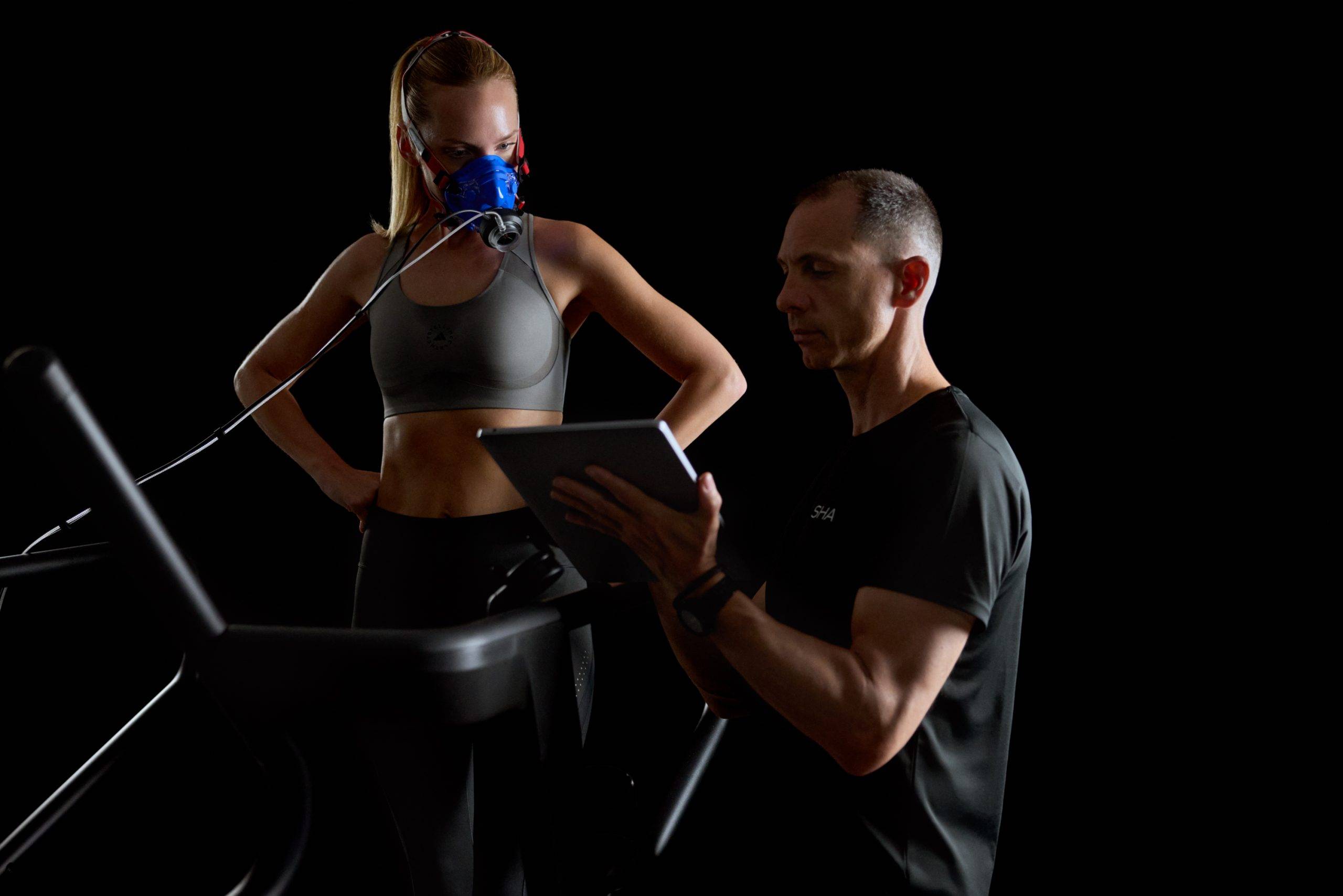
When executives arrive at SHA, what often surprises them most is not the presence of illness, but the degree of silent nervous system imbalance. Many come in feeling functional, even successful, yet objective markers frequently tell a different story of this sustained performance.
Sleep quality is one of the first revelations. Leaders who believe they are “sleeping enough” often show fragmented sleep architecture, reduced deep sleep, or poor recovery metrics. Sleep is central to emotional regulation, cognitive integration, and executive function stability. When sleep depth is compromised, decision precision and stress tolerance decline, even if productivity remains outwardly intact.
Heart rate variability is another indicator that surprises them. A persistently low HRV reflects reduced autonomic flexibility; a nervous system that remains biased toward activation. Many high-performers normalise constant tension, interpreting it as drive rather than strain.
Hormonal patterns also reveal subtle dysregulation. Flattened cortisol rhythms, disrupted circadian timing, or early metabolic instability often appear before overt symptoms develop. These shifts rarely feel dramatic; they accumulate gradually, which is precisely why they go unnoticed. Leaders adapt to irritability, diminished patience, or increased reactivity without recognising these changes as early indicators of strain.
Inflammatory markers and metabolic indicators can further signal that the body has been operating under sustained load. Executives are often surprised to discover that performance and physiological resilience do not always decline at the same rate. One can continue producing results while underlying regulatory systems steadily lose flexibility. Cognitive bandwidth narrows. Emotional range contracts. Strategic thinking becomes more effortful.
These signals are overlooked because high-performing individuals are highly skilled at compensation. They adapt to fatigue and attribute it to external pressure, normalise irritability, and reinterpret reduced clarity as temporary overload. In environments where output is rewarded and restoration is postponed, subtle physiological warnings are easy to dismiss and interpret as professional intensity.
By the time performance feels meaningfully impaired, the imbalance has often been developing quietly for years.
Why are structured reset environments more effective than attempting to restore balance within everyday life, even for highly disciplined individuals?
Structured reset environments are effective because they interrupt the very psychological cues that keep the stress response activated. In everyday life, even highly disciplined individuals remain immersed in the same cognitive demands, digital stimuli, and decision-making loops that sustain sympathetic arousal. The stress response is shaped not only by workload but by interpretation, anticipation, and context.
Attempting to restore balance while remaining inside the environment that generated the imbalance requires continuous self-regulation. That effort itself consumes cognitive and physiological resources. Even with strong discipline, the brain remains exposed to subtle performance cues such as emails, expectations, and unresolved decisions that prevent full disengagement.
A structured reset environment removes these triggers simultaneously. Predictable routines, reduced cognitive load, regulated sleep timing, guided movement, controlled nutrition, and deliberate psychological decompression create the conditions for parasympathetic engagement. When environmental signals consistently communicate safety and containment, autonomic flexibility begins to return more reliably.
There is also a neurobiological component to immersion. Sustained exposure to a restorative setting allows stress hormones to recalibrate, sleep architecture to deepen and normalise, and inflammatory activity to decrease without interruption. In daily life, restoration is often fragmented; in a dedicated setting, it becomes continuous enough to produce quantifiable change. Changes in perceived safety and cognitive load translate into measurable physiological effects.
For highly driven individuals, the difference is not discipline but environmental design. A reset environment is structured to make recovery the default rather than the exception. It reduces the need for constant self-regulation by removing reinforcing stress cues. That structural shift allows the nervous system to exit survival mode more completely, accelerating the return of cognitive clarity and flexibility, emotional regulation, and physiological balance more efficiently. In daily life, recovery is often fragmented. Within a structured setting, it becomes coherent and continuous enough to restore adaptability.

Do you see recovery becoming a core leadership capability in the future, alongside strategy, resilience and emotional intelligence?
Yes, although not in the way it is often framed.
Recovery will not become important because it is fashionable or aligned with wellness culture. It will become central because leadership increasingly demands sustained cognitive clarity under complexity. Strategy, resilience, and emotional intelligence are not abstract traits; they are regulatory capacities dependent on neural systems that require restoration to function optimally.
Resilience, for example, is frequently misunderstood as the capacity to endure prolonged pressure. From both psychological and physiological perspectives, resilience is more accurately defined as flexibility; the ability to activate when necessary, in response to challenge, and to return efficiently to baseline once the demand subsides. Without adequate recovery, this flexibility erodes. What remains may look like endurance, but it often reflects rigidity: reduced emotional range, narrowed perspective, and diminished adaptive capacity.
As organisational environments grow more volatile and cognitively demanding, leaders will need greater executive function, refined emotional regulation, and adaptive decision-making over longer careers. Psychologically, this requires preserving attentional bandwidth, cognitive flexibility, and tolerance for ambiguity. Neurophysiologically, these capacities depend on prefrontal integrity, autonomic nervous system balance, stable deep architecture, and metabolic regulation. These systems are biologically constrained; they cannot be expanded indefinitely through willpower.
Recovery therefore becomes a strategic competence rather than a personal preference. It protects executive control, modulates stress reactivity, and protects the regulatory mechanisms that sustain high-level reasoning. Leaders who understand this will design their schedules and organisational cultures around oscillation rather than constant activation.
In the future, the most effective leaders will likely be those who can mobilise intensity when required and disengage fully when it is no longer necessary. That capacity for deliberate engagement and intentional disengagement reflects psychological maturity and neurobiological efficiency. It is not a sign of reduced ambition; it is evidence of adaptive and sophisticated leadership.
If there is one recovery habit or mindset shift that consistently delivers the greatest long-term return for sustained performance and healthy ageing, what would it be—and why?
If there is one shift that consistently delivers the greatest long-term return, it is redefining recovery from something occasional to something structural.
Many ambitious individuals treat restoration as an event; a vacation, a weekend, a pause after an intense period of productivity. Psychologically, this framing reinforces a performance-contingent model of self-worth; recovery is earned only after sufficient effort. However, sustained performance depends less on episodic relief and more on rhythmic regulation. The nervous system requires predictable alternation between activation and repair. Without that oscillation, strain accumulates gradually, even when outward performance appears intact.
The most protective habit, therefore, is not a single technique but the preservation of circadian stability. Consistent sleep timing, protected evening wind-down periods, and deliberate psychological detachment from performance demands reduce cognitive load and recalibrate stress reactivity. Sleep, in particular, is the primary biological reset mechanism. It regulates cortisol rhythms, consolidates memory, restores metabolic balance, modulates inflammatory activity, and supports prefrontal function. When sleep is chronically compromised, no other recovery strategy can fully compensate. Attentional precision, emotional modulation, working memory and reasoning decline even if motivation remains high.
Equally important is the mindset shift that recovery is not optional but necessary. Structuring restoration into daily life reduces the need for constant self-regulation and protects regulatory capacity over time. Neurophysiologically, this preserves autonomic flexibility and hormonal stability. Psychologically, it safeguards cognitive bandwidth, emotional range, and decision quality across decades.
Healthy ageing and sustained performance are not built on sustained intensity and endurance. They are built on preserving regulatory flexibility; the ability to mobilise energy when necessary and to disengage efficiently once the demand has passed. In this sense, recovery is not withdrawal from performance; it is the mechanism that protects its longevity.

To find out more about SHA Spain and its wellness programmes, visit the links below…
SHA Spain
Carrer del Verderol, 5
03581 L’Albir
Alicante, Spain
Web: shawellness.com
Tel: +34 865 61 41 47
Email: info@shawellness.com
Instagram: @shawellness