


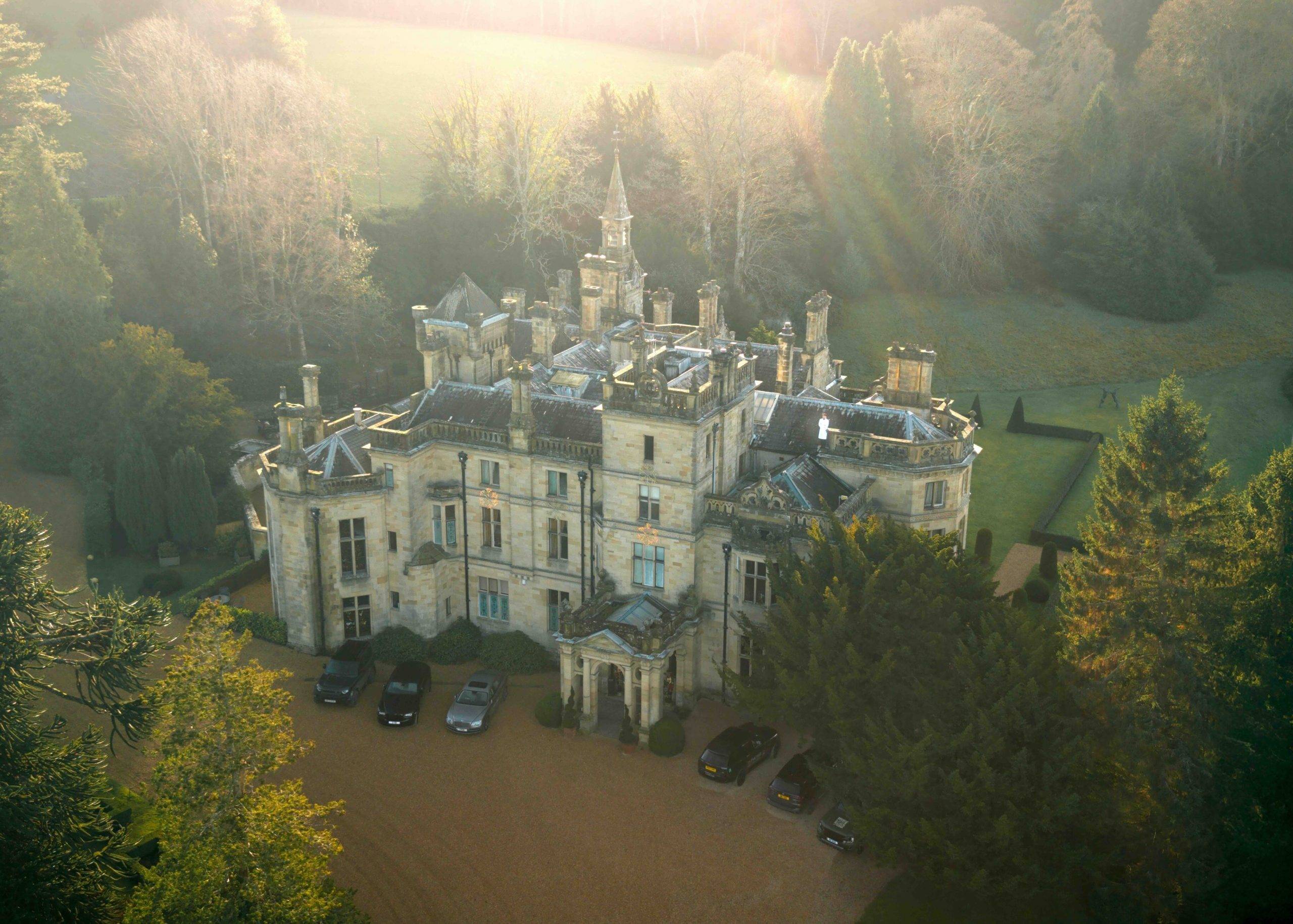
Palé Hall © Luke Brady
January 2026 feels like a reset button for Palé Hall. On the edge of Eryri (Snowdonia) National Park, near Bala, the 22-bedroom Relais & Châteaux hotel—awarded one Michelin Key in 2025—has become the setting for chef Luke Selby’s most ambitious move yet: a long-awaited relocation from the south of England to North Wales, stepping in as Chef Partner with a remit that goes well beyond the pass.
Selby is joining forces with owners Anthony and Donna Cooper-Barney as part of a wider plan to reimagine not just what guests eat and drink, but how the whole stay feels—from breakfast and room service to events and seasonal shoot hospitality.
The next 12 months will bring a quick succession of changes across the estate: an imminent relaunch of The Bryntirion Inn, the 300-year-old pub-with-rooms a short walk from the main house; a newly renovated whisky lounge reborn as the Jockey Bar; and a refurbished Hearth chef’s table experience in the hotel’s original kitchen, designed by Selby and due to begin ticketed dinners from February.
There’s a practical, place-led logic to it all. The food direction is rooted in the terroir of North Wales—from the valleys to the sea, farms, forests and the River Dee—with plans to expand the on-estate kitchen garden so it can eventually supply every restaurant and private dining experience on the property.
Later in 2026, Selby will open a new fine-dining restaurant to replace the current one, while his brothers Nathaniel and Theodore—long-time collaborators from Evelyn’s Table and beyond—join him in North Wales as part of the senior team.
“I want guests to leave with a true sense of the stories, people, and flavours that define Palé Hall and the terroir of Wales,” Selby says. With that in mind, we sat down with him to talk about why now, why here, and what it takes to build a dining identity that feels inseparable from its landscape.
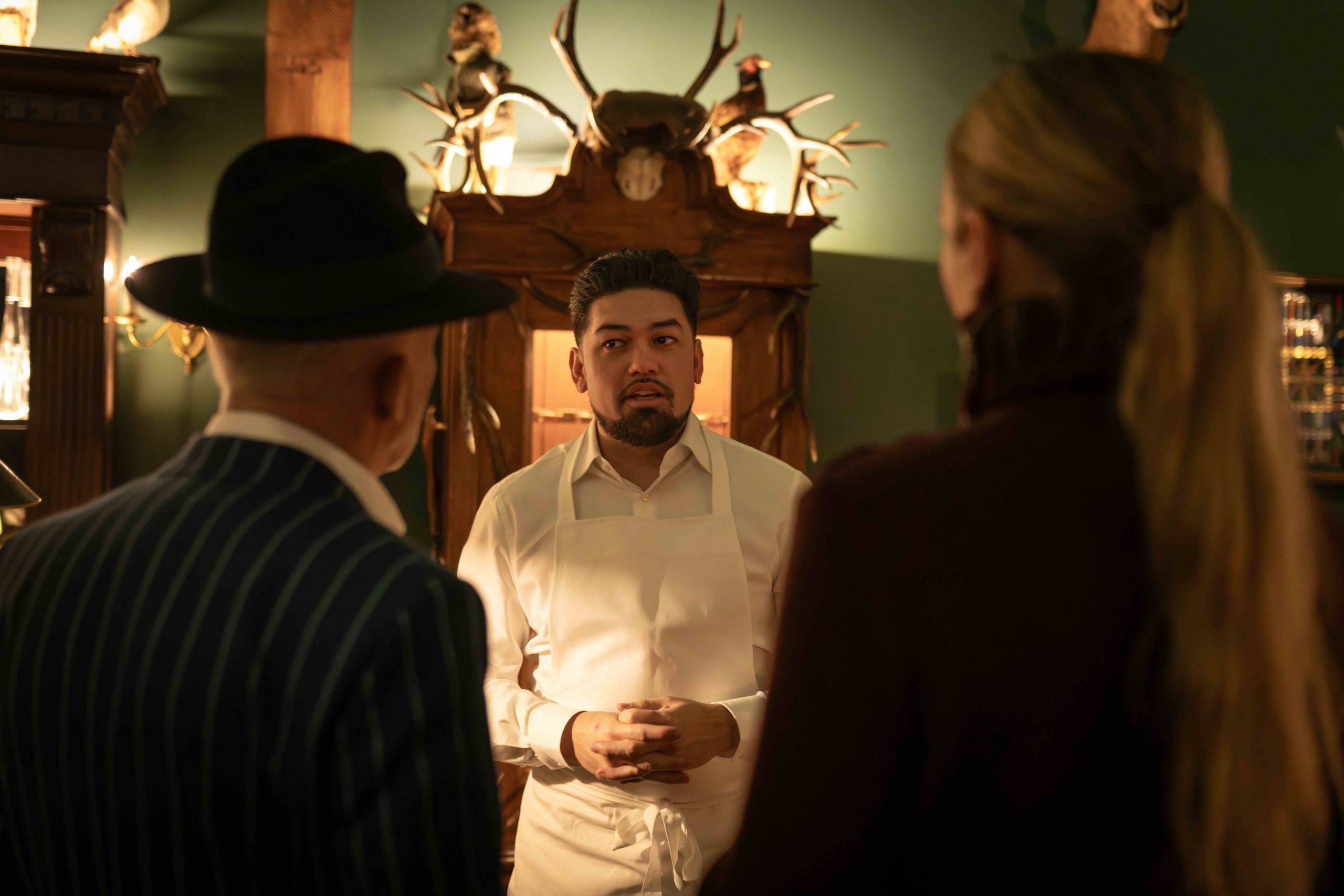
Luke Selby at Palé Hall © Luke Brady
You’ve described taking on the role of Chef Partner at Palé Hall as an “extraordinary opportunity”. What made this project the right next step for you at this point in your career?
Palé Hall is special, as is the area surrounding it—North Wales has always been one of my favourite places in the world and brings some great memories. And I’ve also always had a dream to take on an ambitious, rural project—something I can really bring my own identity to. When the Palé Hall owners, Tony & Donna Barney, offered me the chance to team up with them in what will be an ambitious long-term project to elevate Palé’s culinary credentials and overall experience as a hotel, I knew this was for me. The potential within the hotel and on the overall estate is huge. It’s a place with beauty, with soul, and with owners who believe in investing in both local talent and craft.
When you first visited Palé Hall and its surroundings, what stood out to you as creatively compelling, and how did that shape your vision for the culinary direction there?
Aside from the beauty of the house itself, which was built in the 1870s, what struck me immediately was the stillness and the soul of the surrounding countryside. The hills, the light, the river—all of it has a very natural poetry to it. I knew the food had to have that same quiet confidence. Rather than forcing ideas, it’s about listening to what the garden, the farms, and the fishermen are telling us. The landscape will dictate the direction of each and every dish.
You’ve spoken about wanting to create experiences that “connect the seasons, the local landscape, and the spirit of this beautiful country”. How will that manifest on the plate, day-to-day?
It means serving dishes that feel inevitable. For example, if it’s late spring, you should taste wild garlic, river trout, the first peas, and the soft herbs that grow in our gardens after the frost lifts. We’ll work closely with growers and foragers, and we’ll cook by letting a small handful of ingredients lead rather than crowding the plate. The spirit of Wales is subtle but prevalent, grounded, and proud; the food should echo that.
Wales is having a moment in UK food culture. What excites you most about cooking in a region that feels both emerging and deeply rooted in tradition?
There’s a duality to it that I love. The heritage is incredibly rich—historic breeds, ancient techniques, deep respect for craft—yet the national conversation around food here is still being written. That gives us room to help shape it, to amplify producers who haven’t had their spotlight yet. Wales as a whole is certainly garnering attention when it comes to its restaurants, but it’s far behind the UK. I’d say that North Wales is still an underdog when it comes to its culinary credentials, so it’s exciting to know we can potentially work to raise the profile of the area from this perspective.
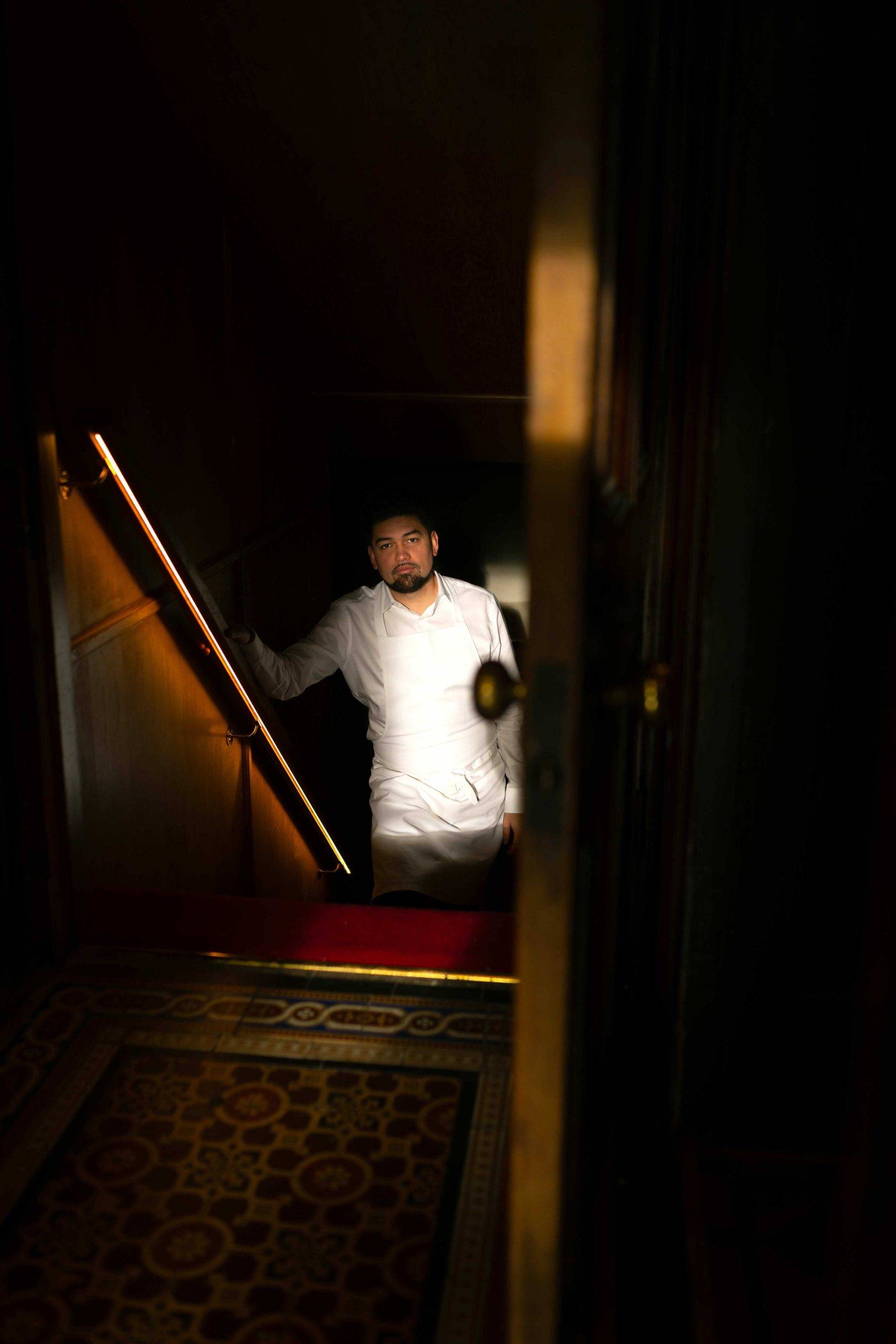
Luke Selby at Palé Hall © Luke Brady
What ingredients, producers, or stories from Wales have already sparked your imagination?
Well, of course, the sheep. Wales produces some of the best lamb in the world. But I’m equally excited about seaweeds from the coastline, heritage grains, mountain herbs, small cheesemakers working at an incredibly high level, and fishermen who understand the tides the way chefs understand heat. Their knowledge is what inspires dishes.
How do you plan to balance the hyper-local with broader culinary influences shaped by your training and travels?
I’m not trying to recreate France in Wales. But the techniques, discipline, and precision I’ve learned from Raymond Blanc, and particularly from my training in Japan, will stay with me. Local ingredients will be the foundation, interpreted through the lens of my training. It’s less about fusion and more about refinement.
You’ll be leading the full reinvention of Palé Hall’s F&B offering. What unites these different experiences from a guest perspective?
A thread of clarity. Whether you’re having breakfast, a tasting menu, or sitting at the Hearth chef’s table, you should feel the same intention: thoughtful sourcing, a sense of place, warmth without ceremony, and flavours that feel natural rather than forced.
The fine dining restaurant is set to open in the second half of 2026. How do you see it positioning itself within the UK dining landscape?
I’d like it to be a destination restaurant without feeling detached from the community, the landscapes or indeed the rest of the hotel and estate. The aim is to tell the story of North Wales and put it on the map in a culinary sense, creating a destination with longevity, and somewhere people return to because it makes them feel something.
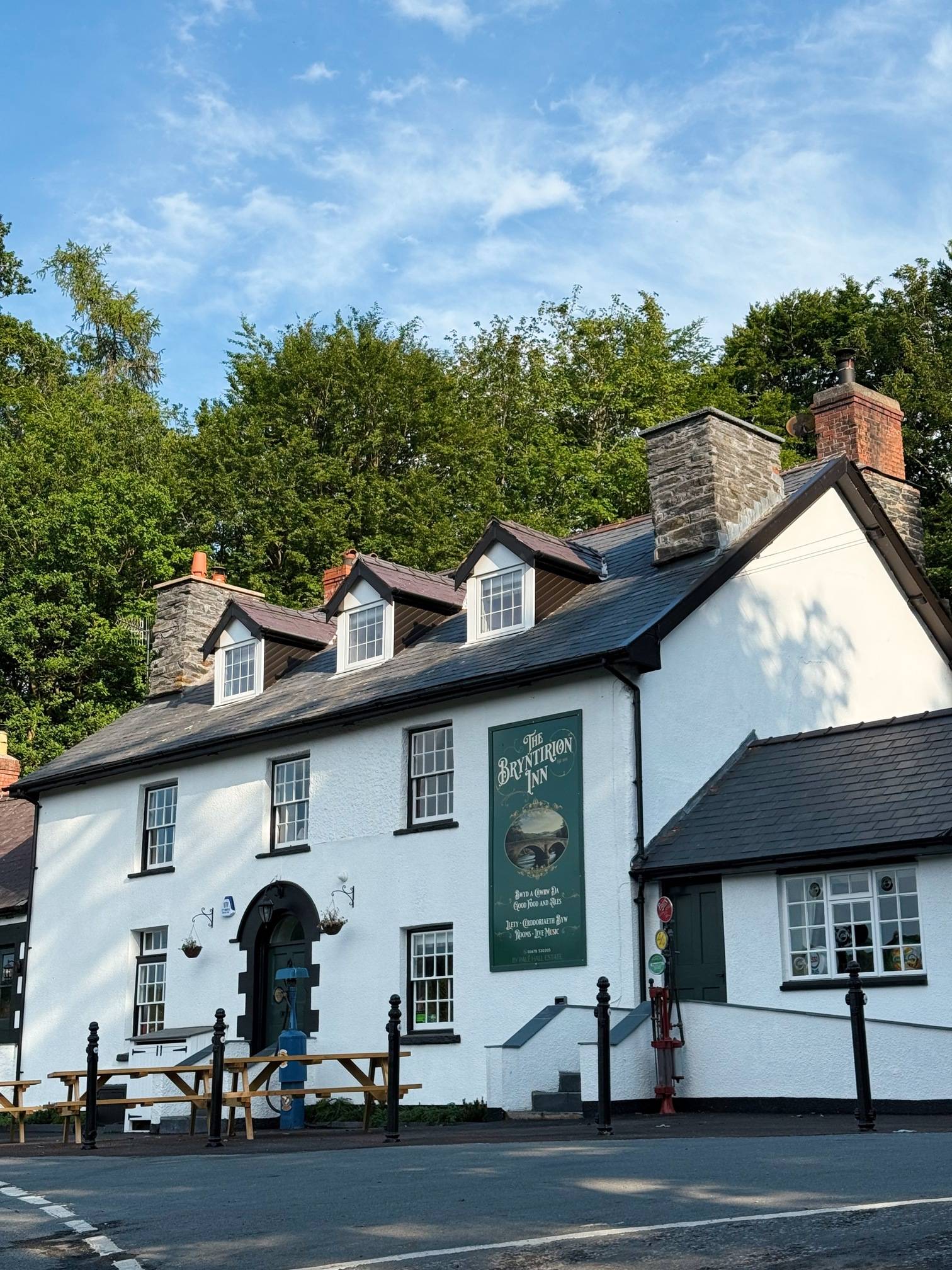
The Bryntirion © Emily Straw
Palé Hall is a historic address—how do you plan to honour its legacy while bringing in a more contemporary sensibility?
By respecting the bones of the building, but refreshing the spirit. History can anchor you, but it shouldn’t weigh you down. We want to retain that sense of grandeur while making the experience warm, fluid, and contemporary.
What kind of guest experience do you hope people leave with—not just from dinner, but from a weekend at Palé Hall?
A feeling of having been cared for. I want guests to slow down, breathe a little deeper, and connect with the landscape. Food is only part of that; the rooms, the gardens, the people, the pace all matter.
You’ll also be shaping the culinary direction at The Bryntirion Inn. What’s the opportunity there, and how does it fit into the bigger picture?
The pub is where we can cook with a different kind of generosity. It’s hearty, it’s comforting, but still done with precision and respect. It becomes the counterbalance to the fine dining—accessible, lively, rooted in Welsh pub culture, but elevated in craft.
Does working outside London change the way you think about menus, pace, and hospitality?
Yes, it does, although kitchens of a certain standard require a degree of pace, regardless of their location. Being located where we are, we will be more attuned with nature and, to some degree, the seasons, which will inform our menus more directly. The kitchen garden will also be a part of that.
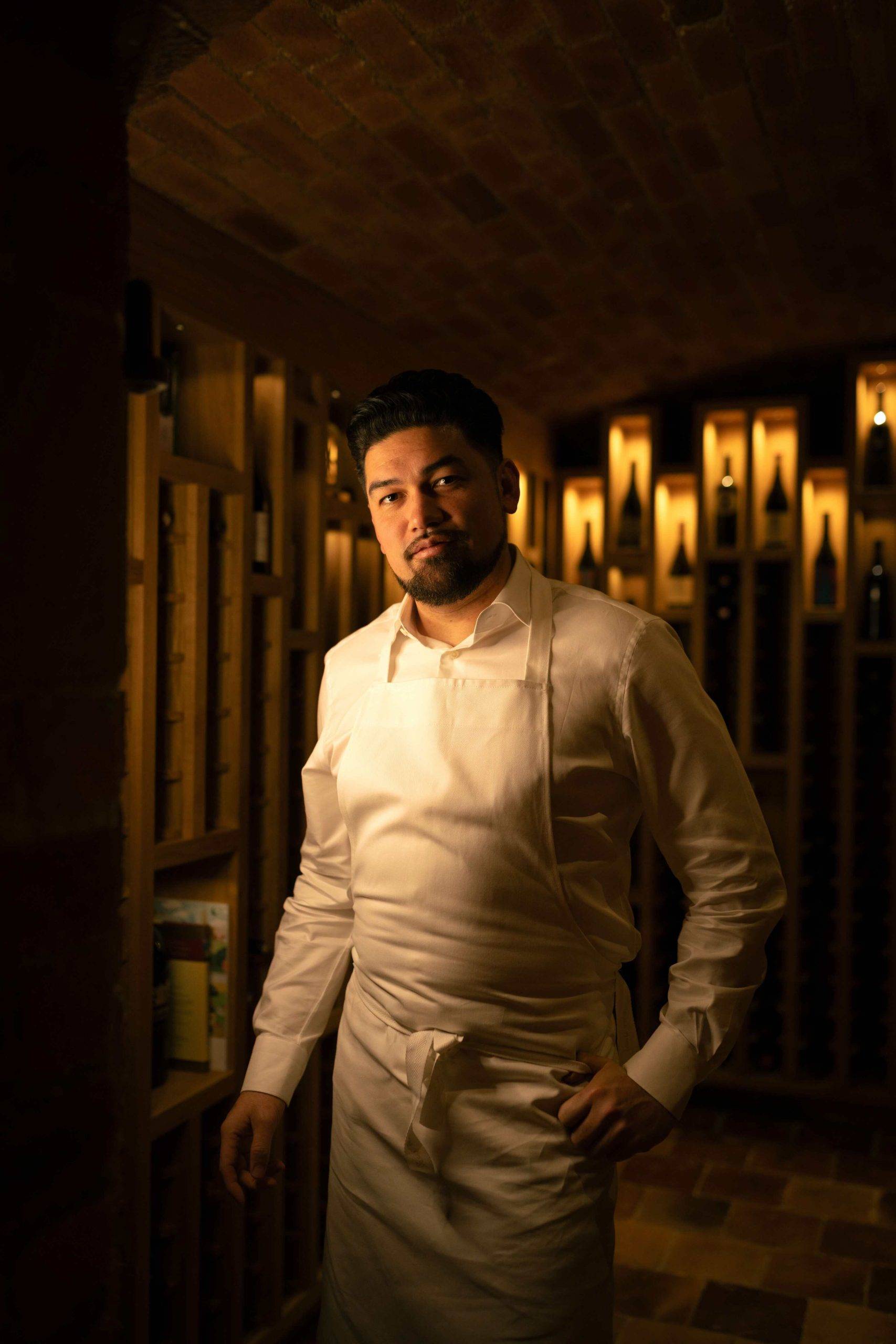
Luke Selby at Palé Hall © Luke Brady
Your career spans Le Manoir, Evelyn’s Table, and Restaurant Gordon Ramsay. What elements of those experiences will you bring, and what are you ready to leave behind?
The technique, the discipline, the respect for produce —that’s coming with me. What I’m leaving behind is the intensity that sometimes overshadows joy. At Palé Hall, I want the team to grow in a healthier, more holistic way.
You’ll be joined by your brothers, Nathaniel and Theodore. What does that collaboration allow you to achieve?
There’s an unspoken trust between us. We challenge each other, but we also support each other in a way only siblings can. That creates a kitchen environment built on honesty and shared vision.
How will you divide roles in the kitchen, and what does a “Selby” kitchen feel like today?
I focus on the overarching direction; Nathaniel will be instrumental in execution and creative development; Theodore brings precision and an incredible palate. A Selby kitchen is calm, rigorous, and collaborative—everyone has a voice. Over time, no doubt people’s roles will evolve as members of the team lean into their specialisms. I’d like to create a sense of fluidity within the kitchen, but also make sure that the team is properly connected with the world outside the kitchen doors. Giving everyone the chance to spend time in nature and with suppliers is paramount to that.
Palé Hall has a reputation for sustainability. How do those values intersect with your approach?
They’re fundamental. Sustainability isn’t a marketing line—it’s simply good cooking. We’ll minimise waste, respect whole animals, invest in local producers, grow what we can, and let the menus evolve with availability.
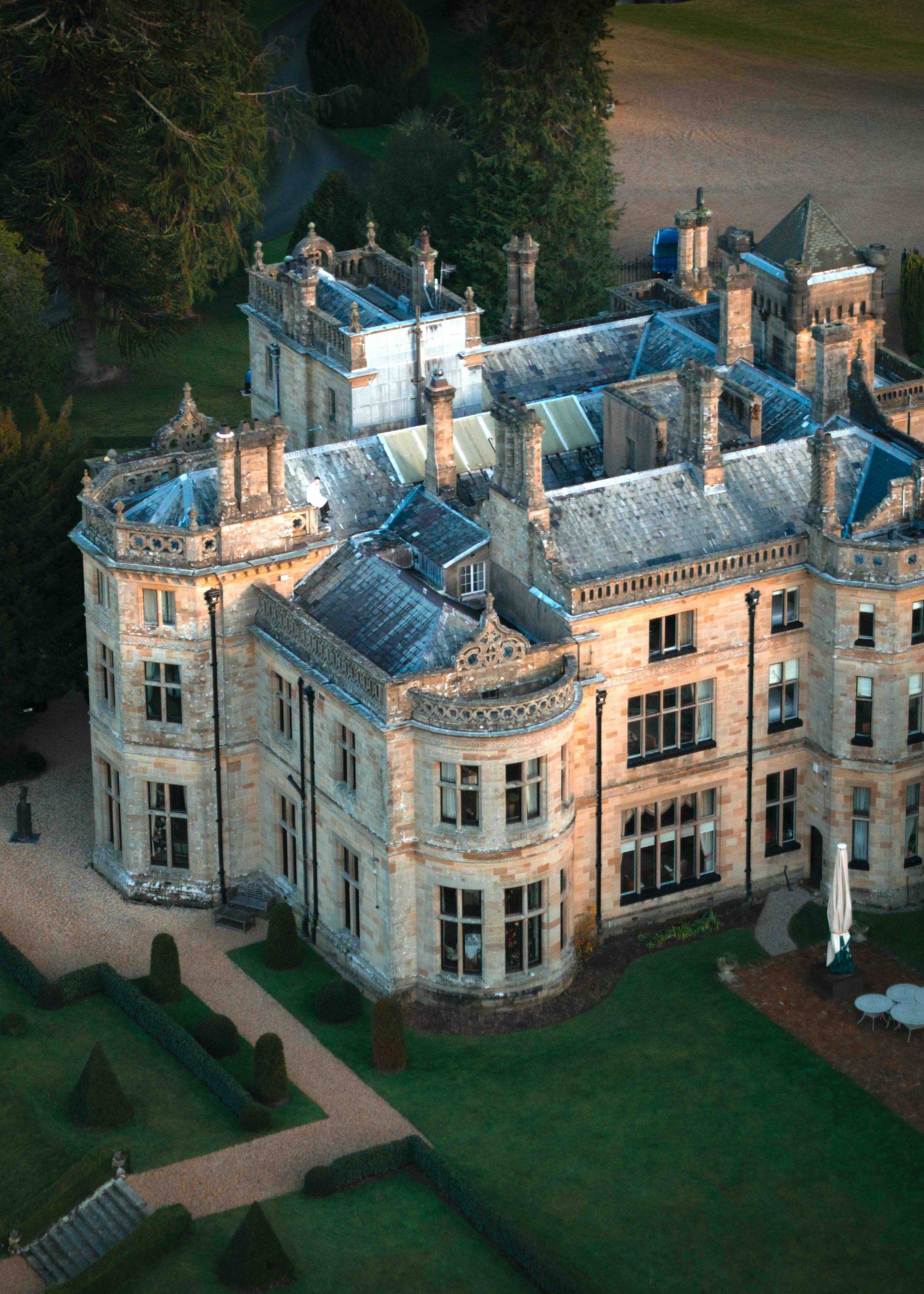
Palé Hall © Luke Brady
Beyond food, the estate is expanding into wine, whisky, art, and wellness. How do you see food interacting with those elements?
As the connective tissue. Food is how guests transition between spaces, experiences, and moods. It anchors the day and sets the tone for everything else.
When guests walk into the new fine dining restaurant this year, what do you want them to feel—and remember?
A sense of calm anticipation. And afterwards, a sense of having been looked after with sincerity.
How can Palé Hall shift perceptions of Welsh hospitality and cuisine nationally or internationally?
If we champion the producers, the landscape, and the craft here, the world will pay attention. And to offer something unique, but that is first and foremost rooted in Wales and the Welsh landscapes. Supporting and leaning into the restaurant industry here in Wales is also very important. We want to connect with our peers and learn from some of the country’s most impressive operators to build on that community. A big focus is on supporting the local community and inspiring and training the future—something that Raymon Blanc really instilled in me.
If we revisit this conversation a year after opening, what milestones would make you proudest?
A happy team, producers who feel valued, and returning guests. Anything else will be a bonus!
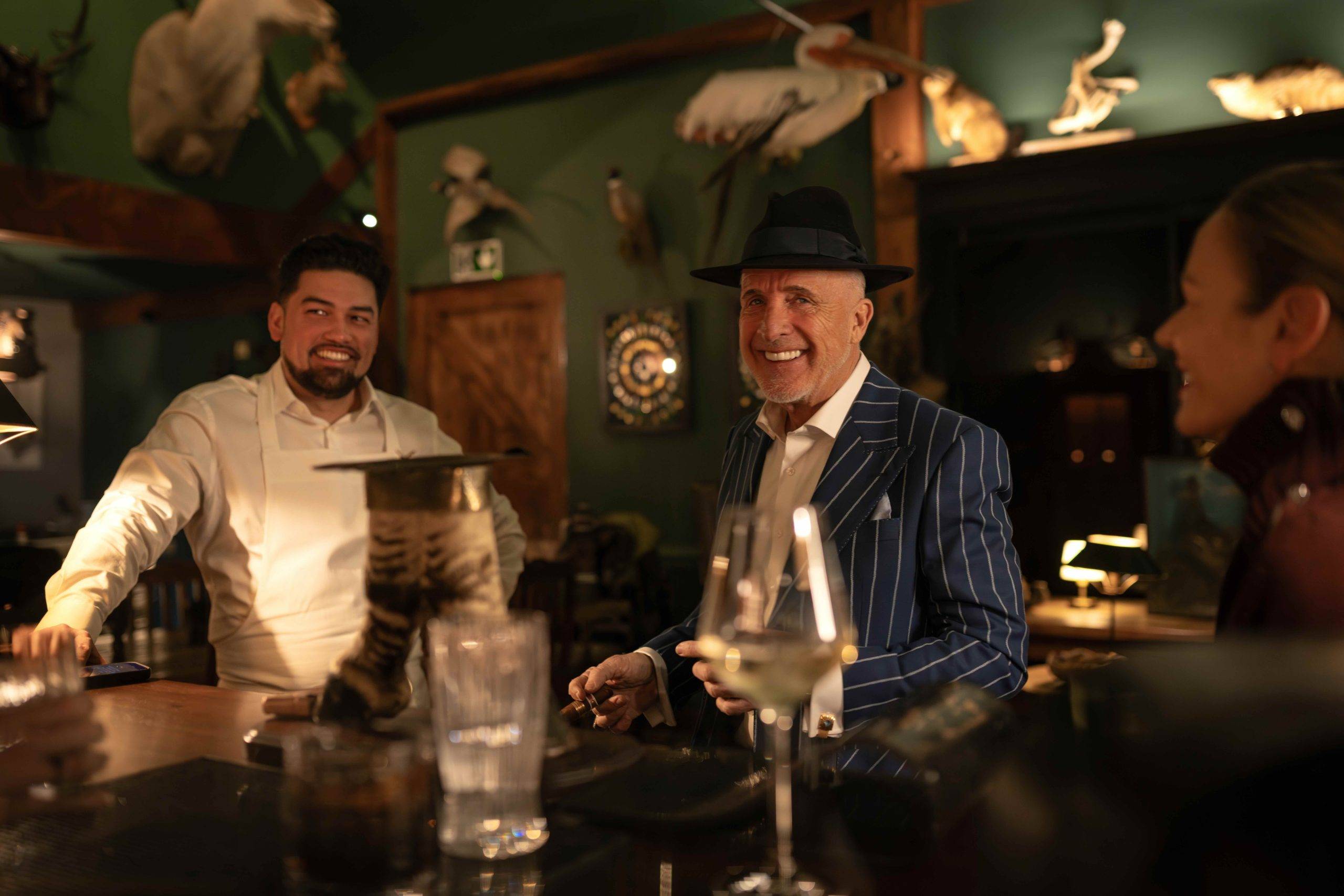
Luke Selby at Palé Hall © Luke Brady
To find out more about Luke Selby and Palé Hall, visit the links below…
Palé Hall
Palé Estate
Llandderfel, Bala
Gwynedd, LL23 7PS
Web: palehall.co.uk
Tel: +44 (0)1678 530 285
Email: enquiries@palehall.co.uk
Instagram: @palehallhotel | @lukeselbychef