


Inside ALTA: Rob Roy Cameron’s Ode to Northern Spain
Drawing inspiration from Spain’s Alta Navarra region, ALTA, Chef Rob Roy Cameron’s new Soho restaurant, blends Basque influences with the best of the British larder. We caught up with Cameron to find out more…
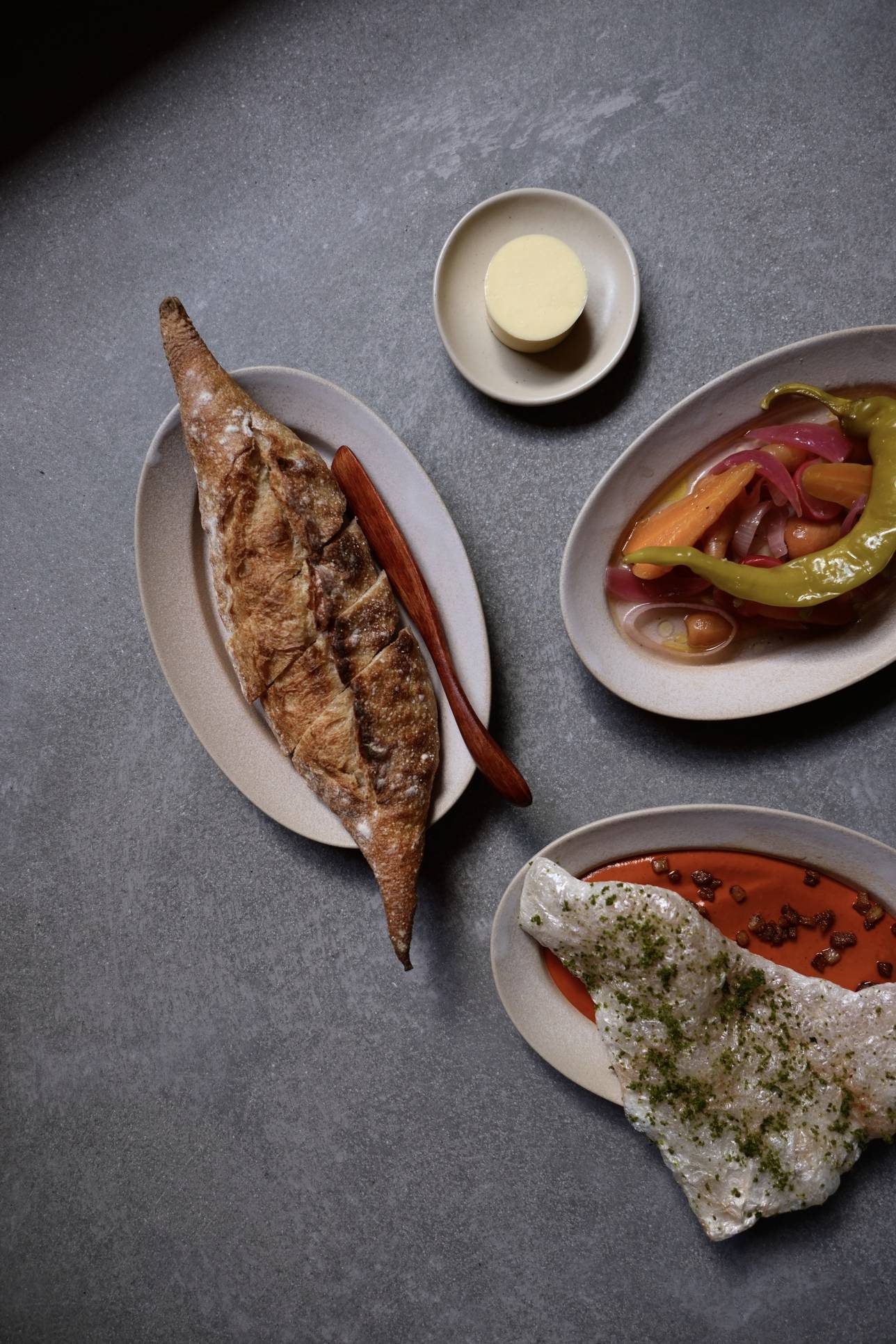
Sourdough, butter & house pickles © Camille Kenny Ryder
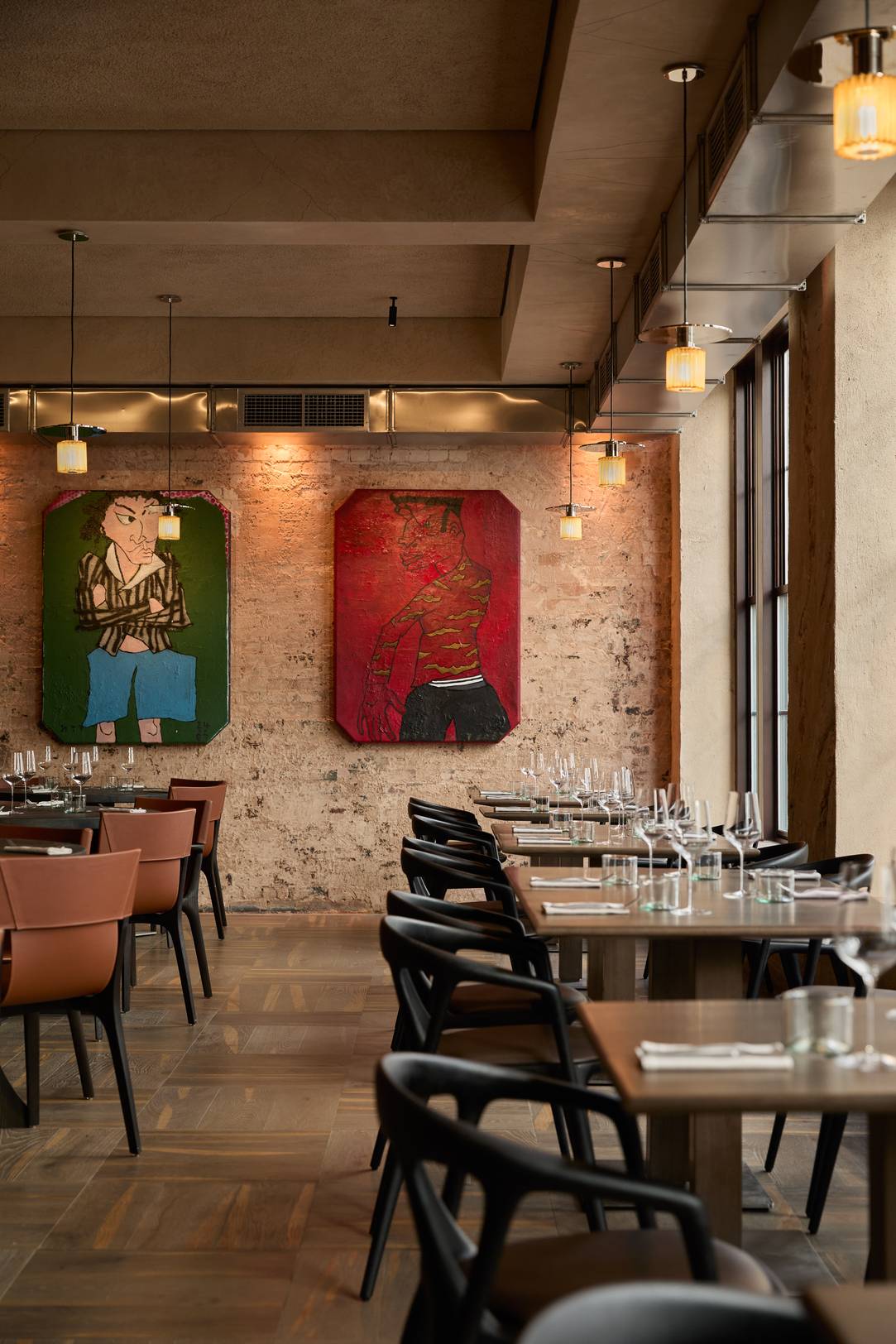
Upstairs dining area at ALTA © Helen Cathcart
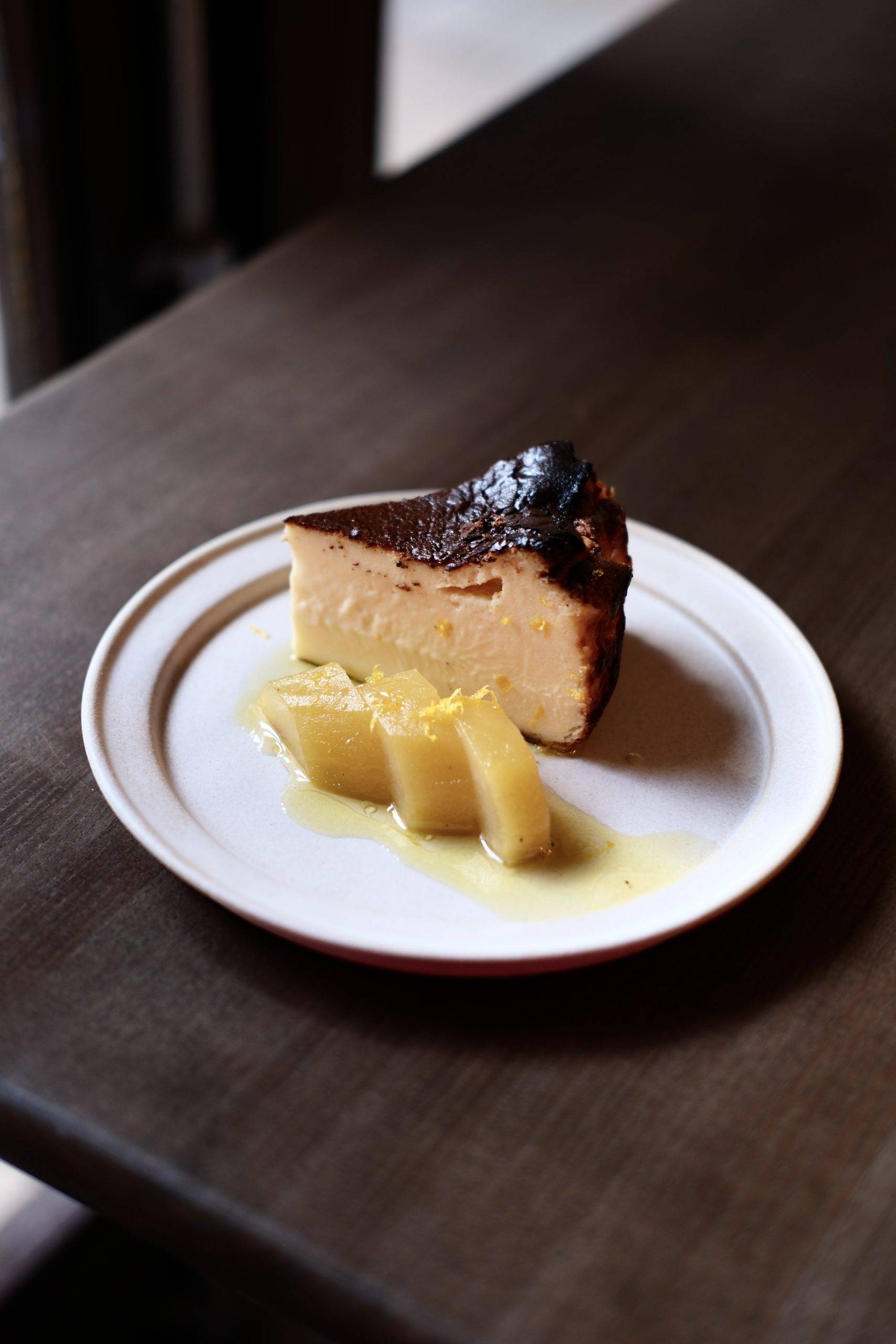
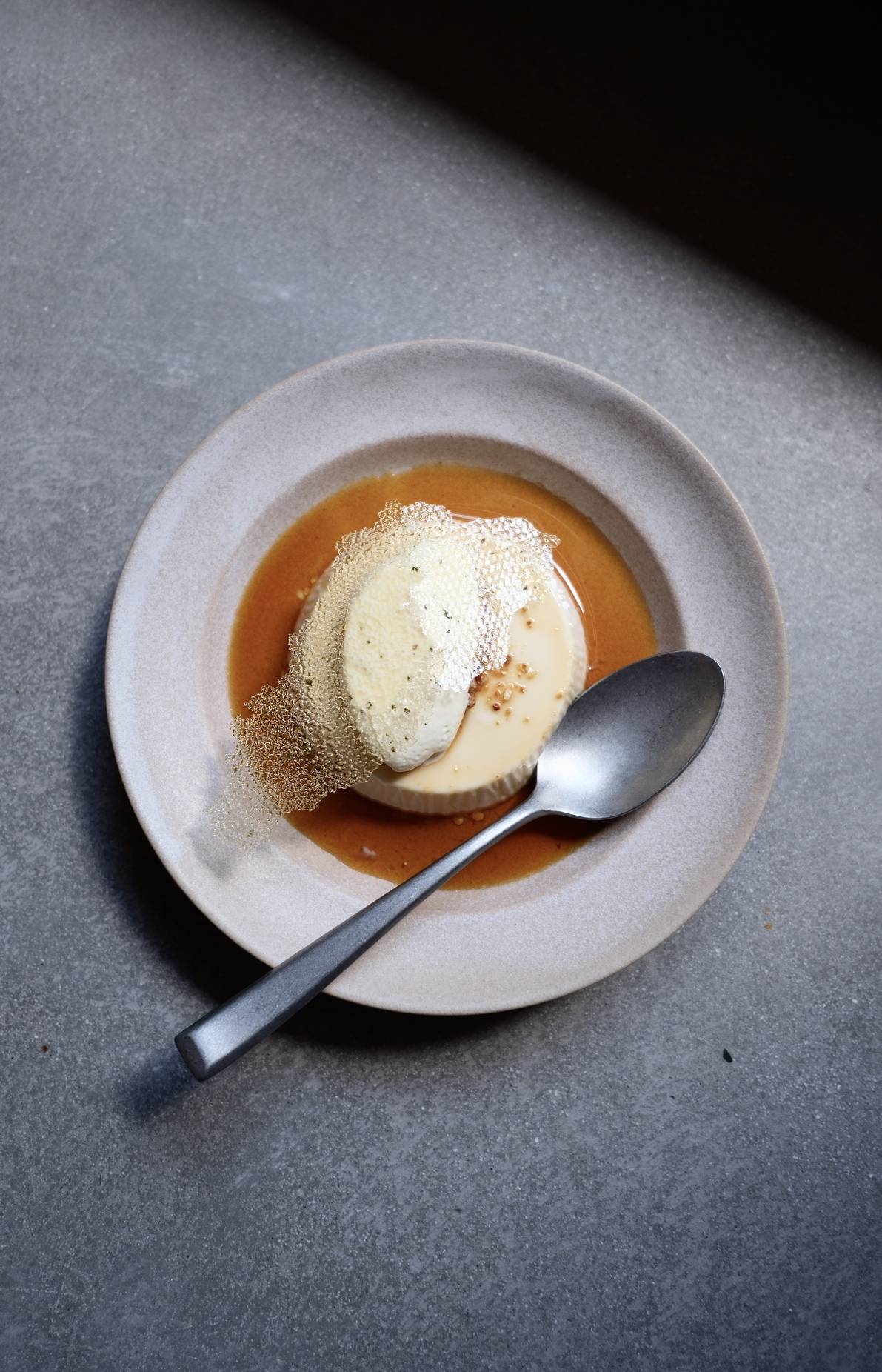
La Viña cheesecake © Camille Kenny Ryder
Eating at ALTA, there is a sense that the food is both deeply considered and deliberately uncomplicated. Flames lick at succulent steaks; seafood sings with smoke and acidity; flavours are clean, direct, and casually confident. The effortlessly elegant restaurant sits in the bustle of Kingly Court and takes its name from the Alta Navarra region of Northern Spain, a reference point for its open-fire cooking, escabeche preparations, and relaxed approach to shared plates.
At the helm is Chef Rob Roy Cameron, who spent more than a decade living and working in Spain, including formative years at El Bulli and later as Albert Adrià’s right-hand during the creation of 41 Degrees and Hoja Santa, experiences that shaped both his technical instincts and his way of thinking about food. Rather than reproducing past ideas, ALTA brings these influences to a London context, celebrating the warmth of Basque cooking and the integrity of British produce, all centred around a glowing open fire. Think fish from the South West, heritage pork from Dorset, dairy cows from the Lake District, and vegetables grown specifically for the restaurant—these choices create a menu rooted in Spain yet guided by the local English pantry.
Conceived as a convivial space that invites people to share, drink, and spend quality time savouring bright, fresh, and fire-kissed flavours, ALTA marks Rob’s leading London debut and a departure from the world of highly conceptual dining. We sat down with the Chef to discuss the thinking behind the restaurant, the pull of Northern Spain, and what it means to build something of his own in the British capital…
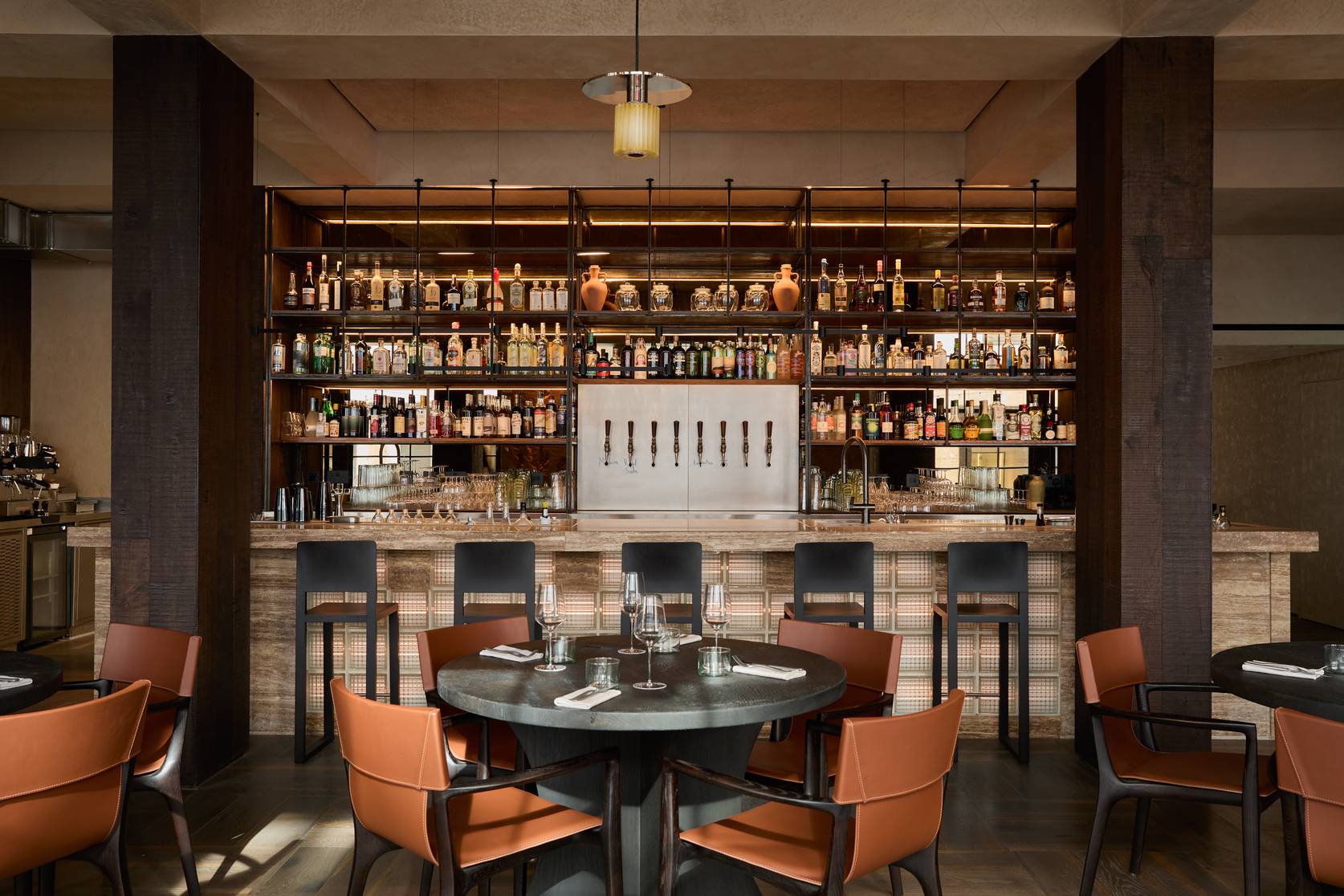
Upstairs dining area and bar at ALTA © Helen Cathcart
Tell us a bit about your background: where you grew up, what inspired you to become a chef, and why you’re so passionate about cooking…
I grew up in South Africa and started cooking young, but I didn’t start professionally until quite late. It was less about wanting to be a “chef” and more about wanting to work with my hands and hone a craft.
ALTA feels both deeply rooted in Northern Spain and distinctly London. How did the idea for the restaurant take shape, and what drew you to the Alta Navarra region as inspiration?
ALTA came together slowly and is the creation of MAD Restaurant Group (also behind MOI in Soho), who knew from the start that they wanted to open a Northern Spanish-style restaurant. They brought me on in the early days. I’d spent years working in Spain and wanted to build something that reflected that influence but still felt like London. Navarra made sense because it’s a region that sits between mountains and coast, with a balance of depth and freshness that fits how we cook here. I lived there when I first moved to Spain, and it left a strong impression on me.
You’ve spent years in Spain, from El Bulli to Hoja Santa. What lessons or philosophies from those kitchens have shaped your approach at ALTA?
Those kitchens taught me discipline and awareness. At El Bulli, it was about precision and pushing ideas to their limit. Hoja Santa was about tradition made modern. ALTA sits somewhere between the two.
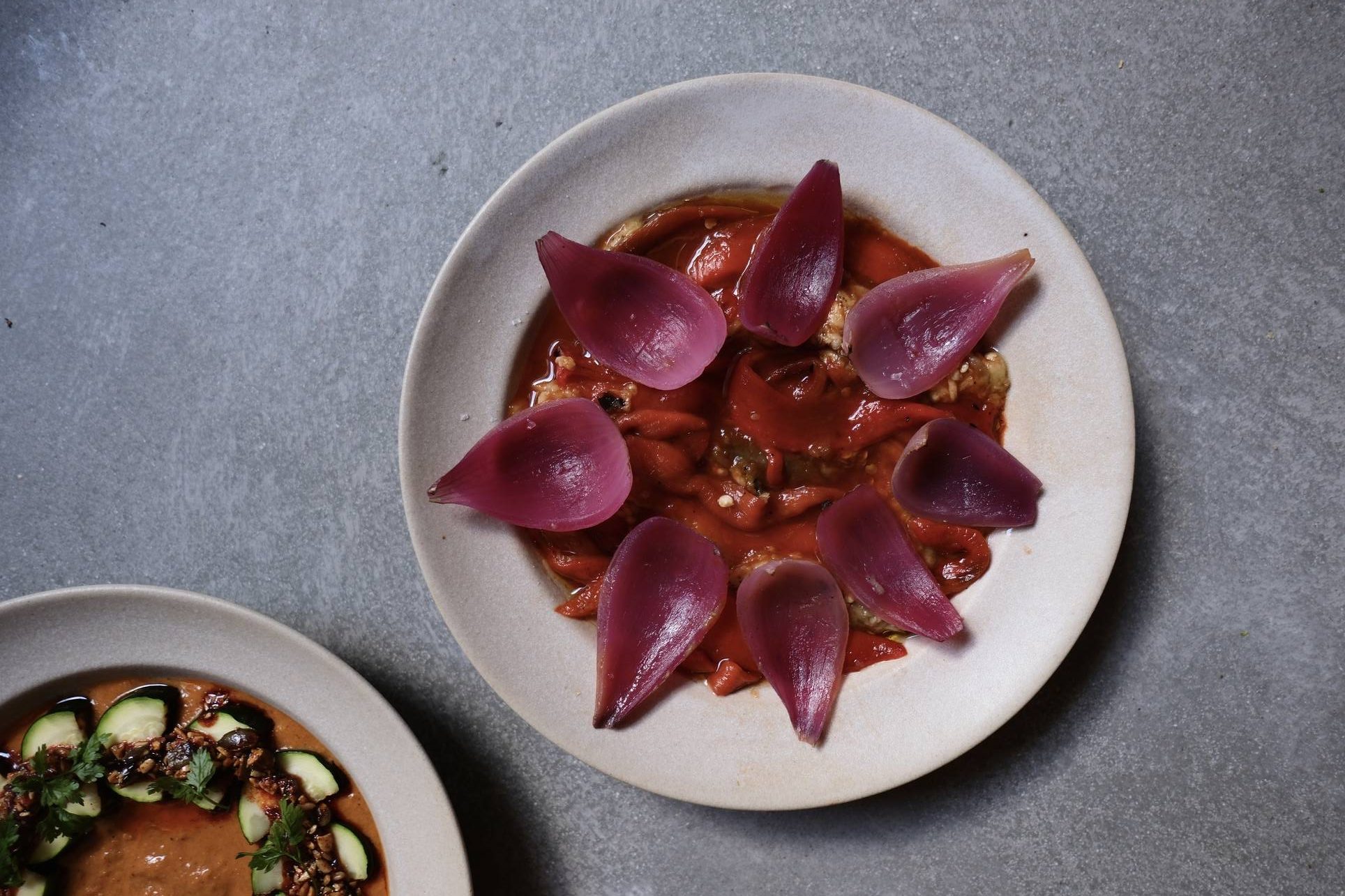
Courgette with pumpkin seed romesco (left); escalibada (right) © Camille Kenny Ryder
What does “regional Spanish cooking” mean to you in the context of a London restaurant? How does this come through in your dishes?
To me, regional Spanish cooking isn’t about recreating dishes; it’s about attitude—clarity, honesty, and flavour above all else. We use British produce and apply Spanish thinking to it.
Having tasted the menu, it’s clear there’s an interplay between dishes that feel familiar yet entirely new. How did you go about balancing authenticity with innovation?
We don’t really chase innovation; we just try to cook naturally. If something feels right, it stays on the menu. The goal is to make dishes that are familiar but still make you stop for a second.
You’ve focused heavily on local sourcing—from heritage pork to British seafood and vegetables grown especially for you. Was that a sustainability decision or more about flavour and identity?
It’s mainly about flavour and relationships. Working with people nearby makes sense because things arrive fresher, and you can actually have a conversation about how they’re grown or raised. Sustainability comes as a result of that. Aside from having access to world-class speciality producers here in the UK, why wouldn’t you want to support your local community?
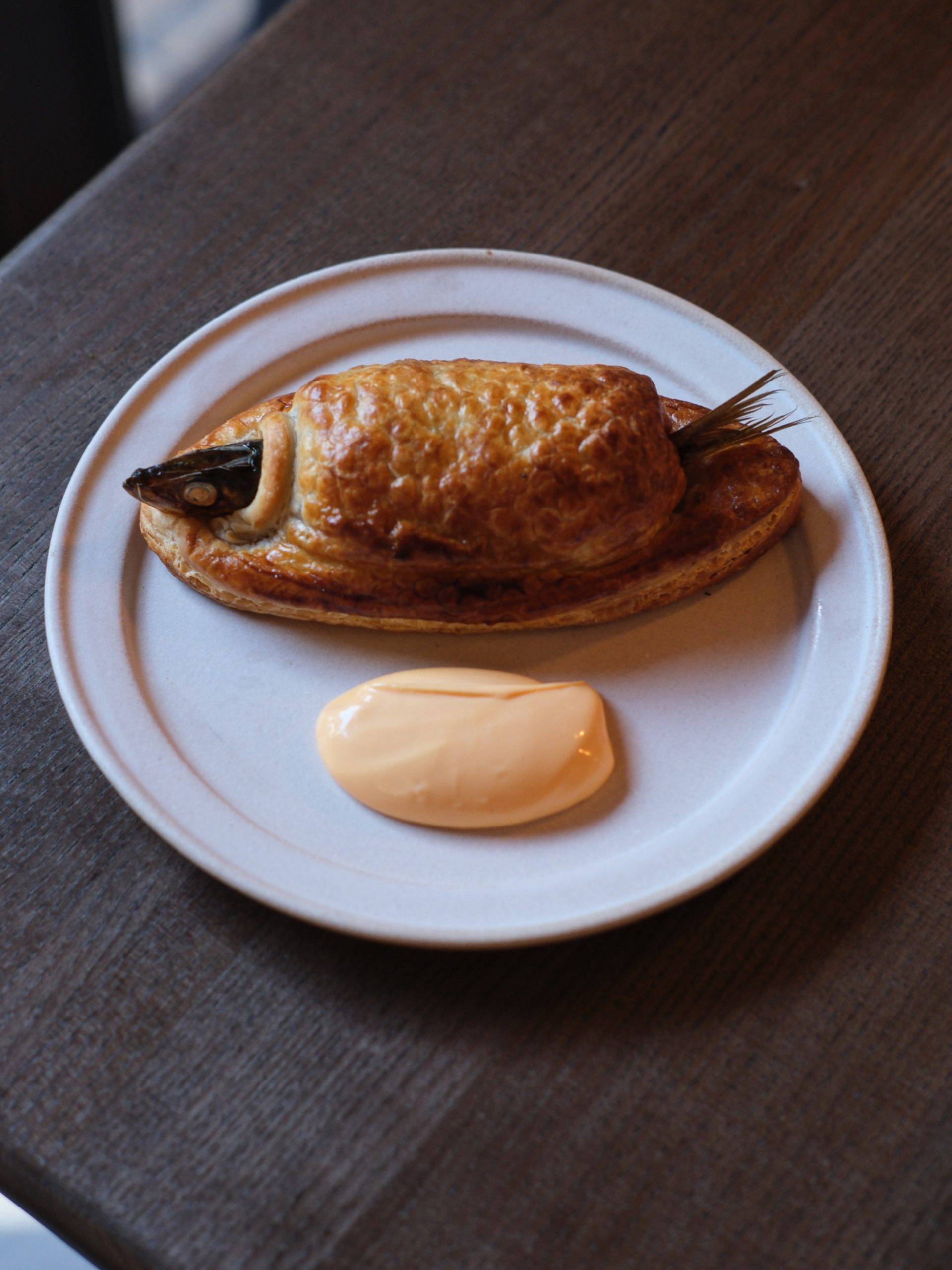
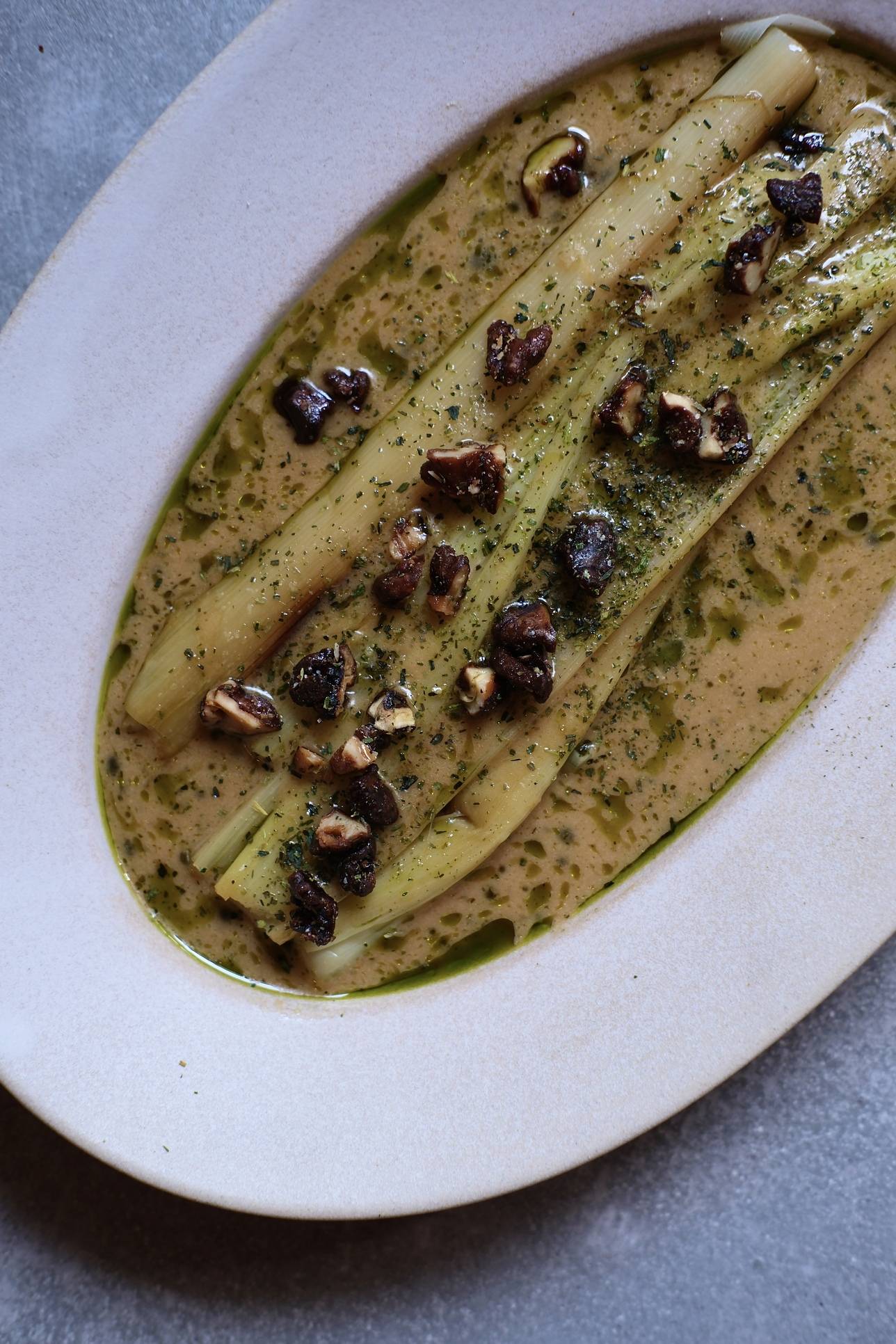
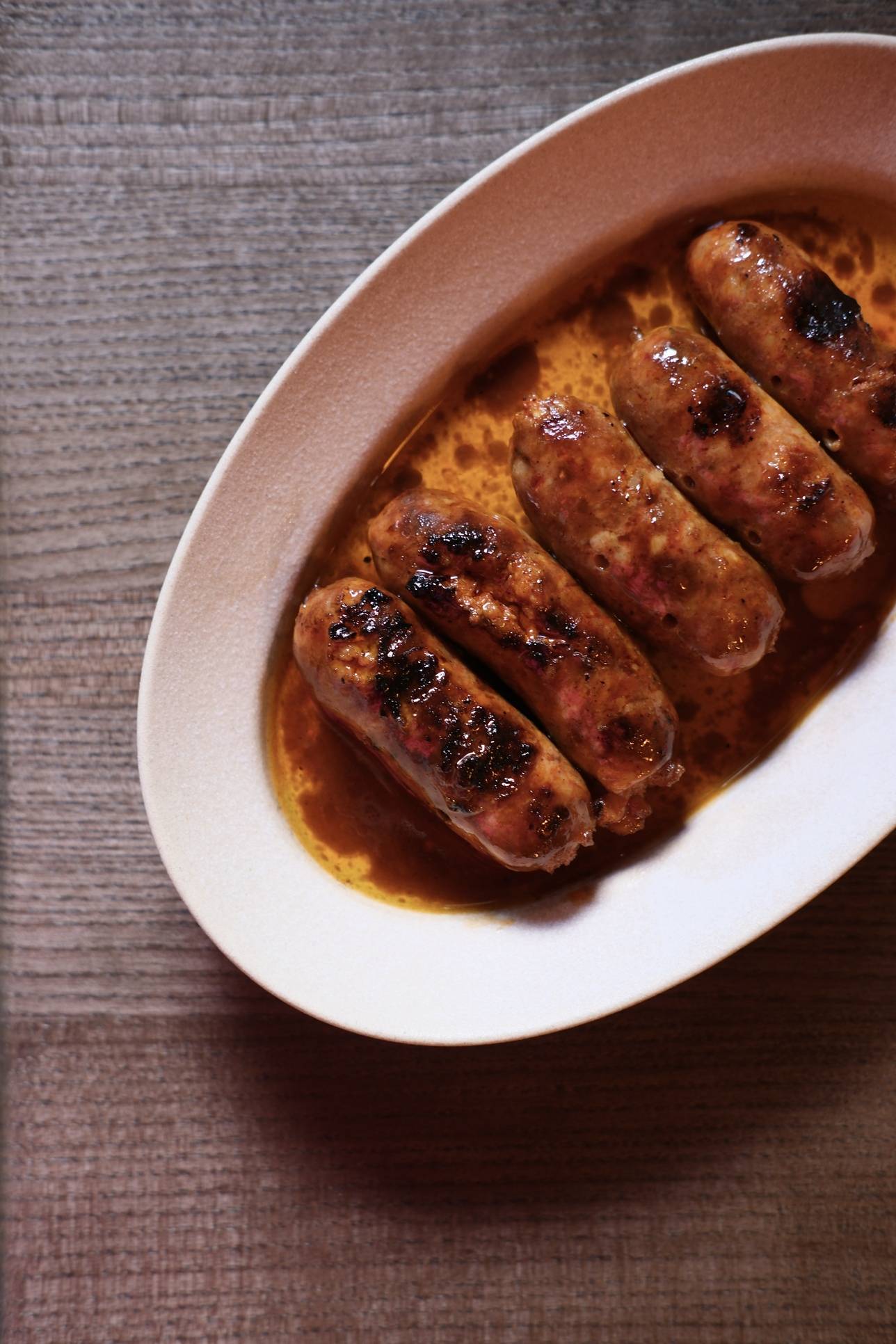
Clockwise from top-left: Sardine empanada, leeks & walnut; almond & honey flan; house txistora © Camille Kenny Ryder
Pickling, house-curing and escabeche preparations stand out as a thread throughout the menu. What drew you to these techniques as a signature?
Those methods bring structure. Pickling, curing, escabeche—they bring acidity, texture and brightness. They link one season to the next and stop everything from feeling too static.
Which dish best captures the spirit of ALTA for you personally, and why?
Probably the grilled squid with Vizcaina sauce. It has all the elements of a traditional dish done in the ALTA way.
The open-fire grill plays a central role both visually and technically. Do you see ALTA as part of the new wave of fire-led cooking in London, or is this something more personal for you?
Not really—fire is a tool, not a statement or a trend. It gives the food character and energy. A lot of the cooking I admire (whether in Spain or here) has that same honesty.
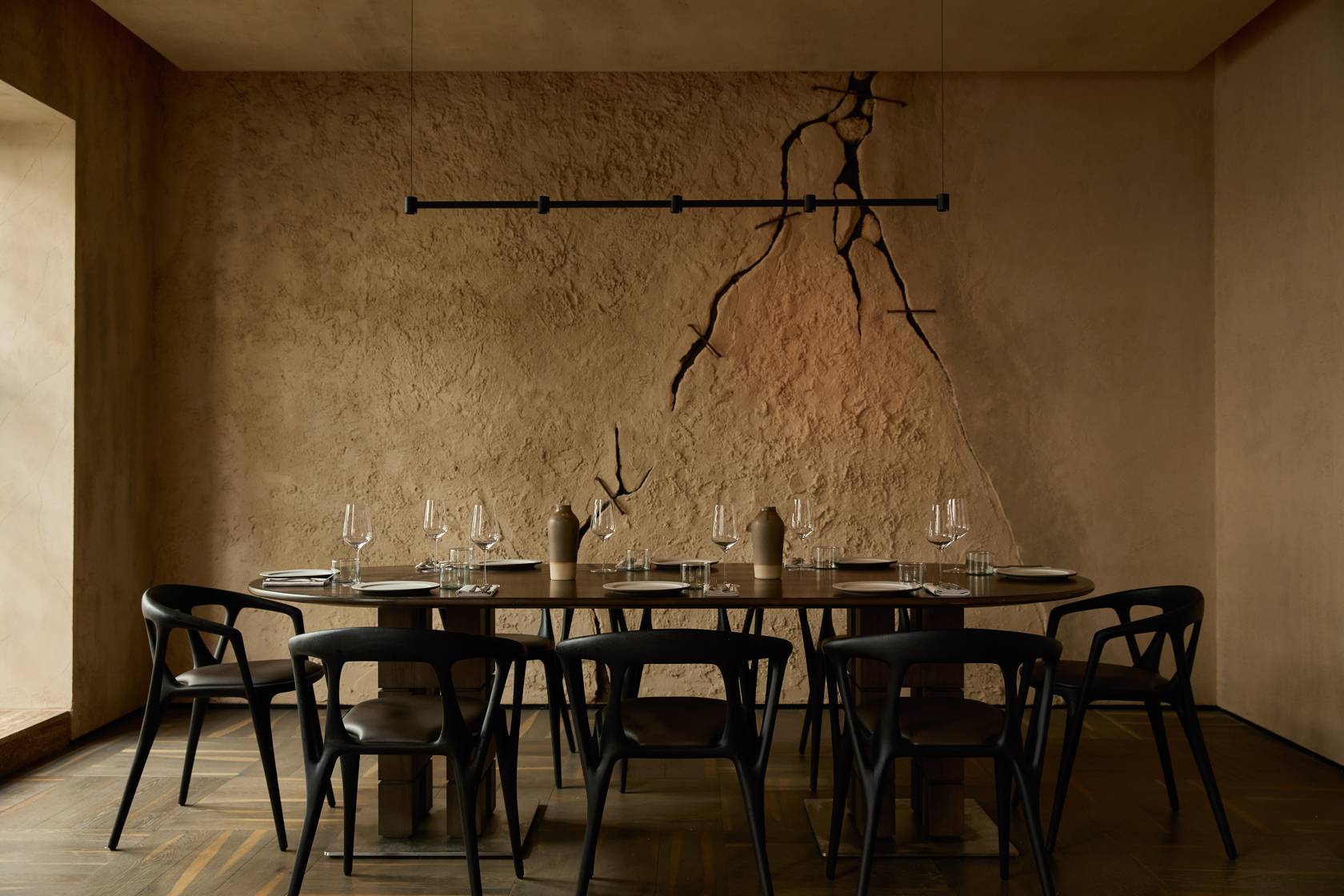
Private dining room at ALTA © Helen Cathcart
Are there specific challenges or rewards when using live fire compared to a more conventional setup? How does working with live fire influence your creative process and the rhythm of the kitchen?
It forces you to pay attention. There’s no dial to turn, so you read the fire and move with it. It changes how the kitchen works—slower in some ways, but much more connected.
The space has a very tactile, grounded quality with raw materials, muted tones, bare walls and the open kitchen. How involved were you in shaping the design, and why was this aesthetic chosen?
I was involved from the start, working with the founder of MAD Restaurant group, Artem Login. The space needed to feel lived in, tactile and textured—not decorated. The materials are simple, the lines are clean, and everything has a job. It’s the same approach as the food.
The cider and sherry offering, alongside the carefully categorised wine list and inventive cocktails, adds an unexpected dimension. How did you and Dino Koletsas develop a drinks list that feels so harmoniously Spanish yet modern?
The drinks are Dino’s world, but we talked a lot about balance. Cider, sherry, and wines with texture made sense with the food. It’s still Spanish in spirit but sits comfortably in London.
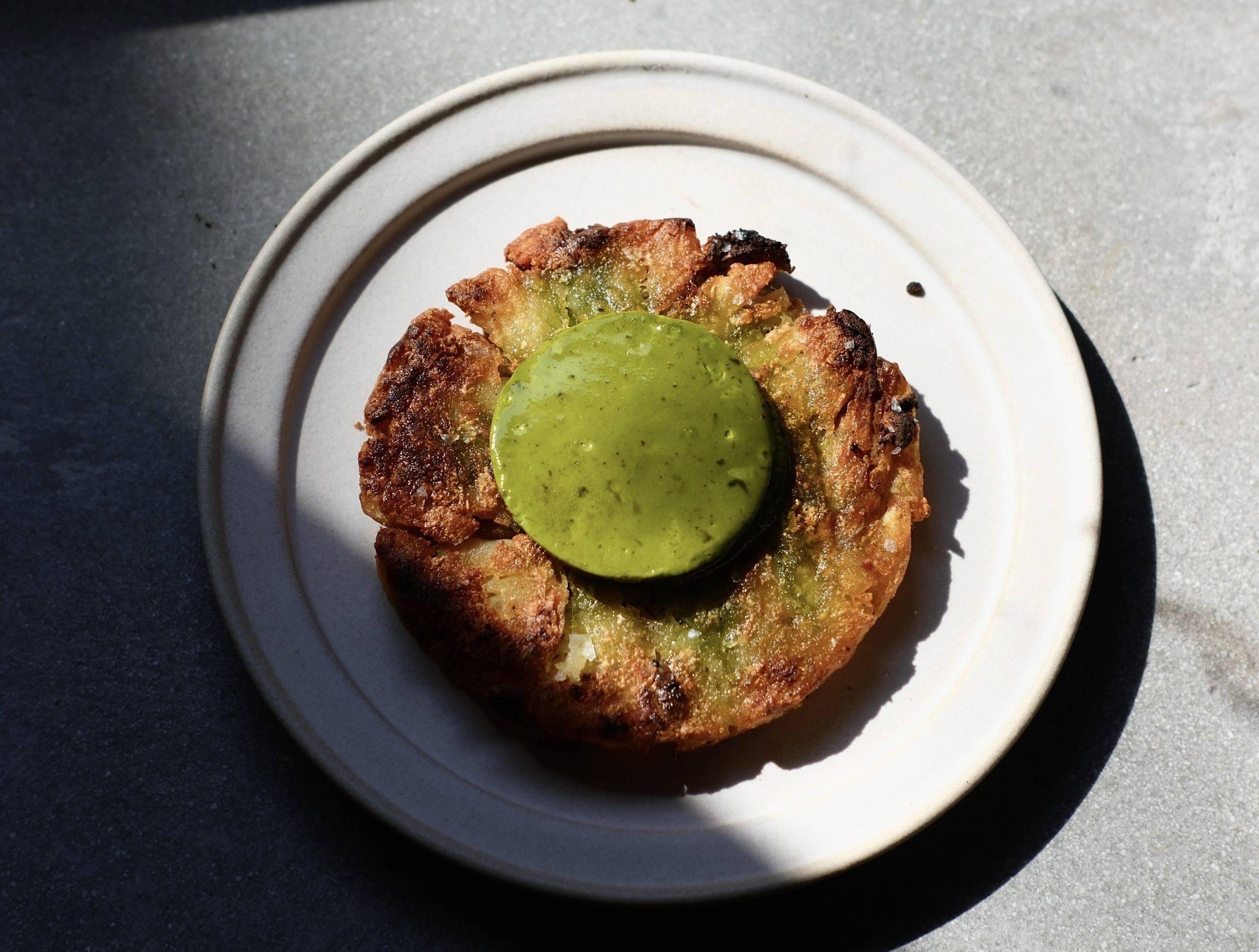
Charlotte potatoes with mojo verde © Camille Kenny Ryder
Even though you’ve only recently opened, what are some of your long-term goals? Are there plans to evolve the menu seasonally or perhaps explore new regional influences?
The menu will always move with the seasons. We’ll keep exploring other regions of Spain, but only if it feels natural—nothing too forced.
After years of working internationally, how does it feel to have created something that’s truly your own in London? What gives you the most satisfaction when you step back and watch a busy evening at ALTA unfold?
It’s always good to see a room full of people eating, drinking, talking and enjoying themselves. A lot of satisfaction comes from seeing the team in sync, the food flowing, and guests just having a really good time.
How do you hope guests feel after dining at ALTA, and what memories or sensations do you hope they leave with?
I’d like people to leave feeling grounded—like they’ve eaten something real, without too much noise around it. If they remember a flavour or a dish rather than a trick or a gimmick, we’ve done our job.
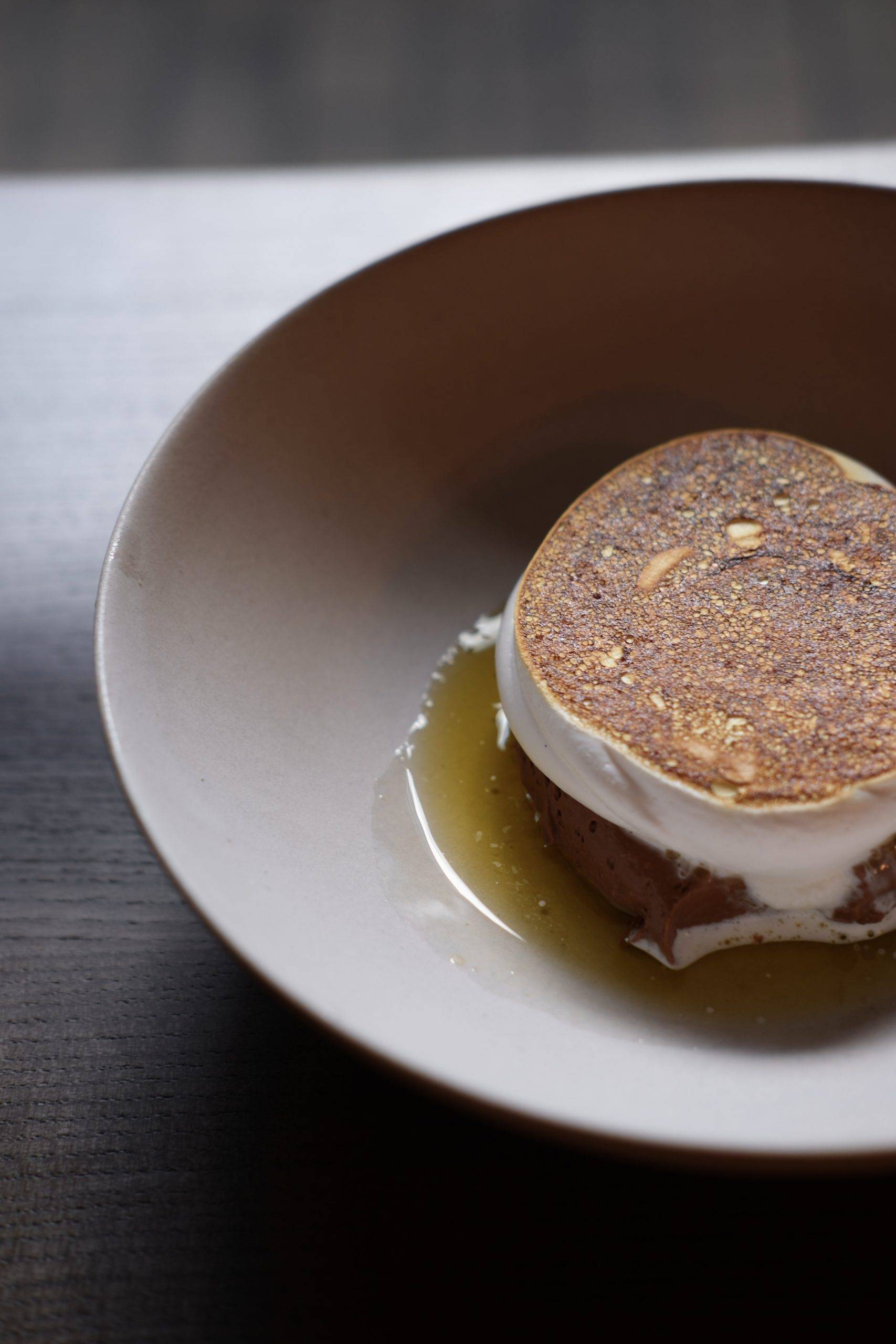
Chocolate, bread & olive oil © Camille Kenny Ryder
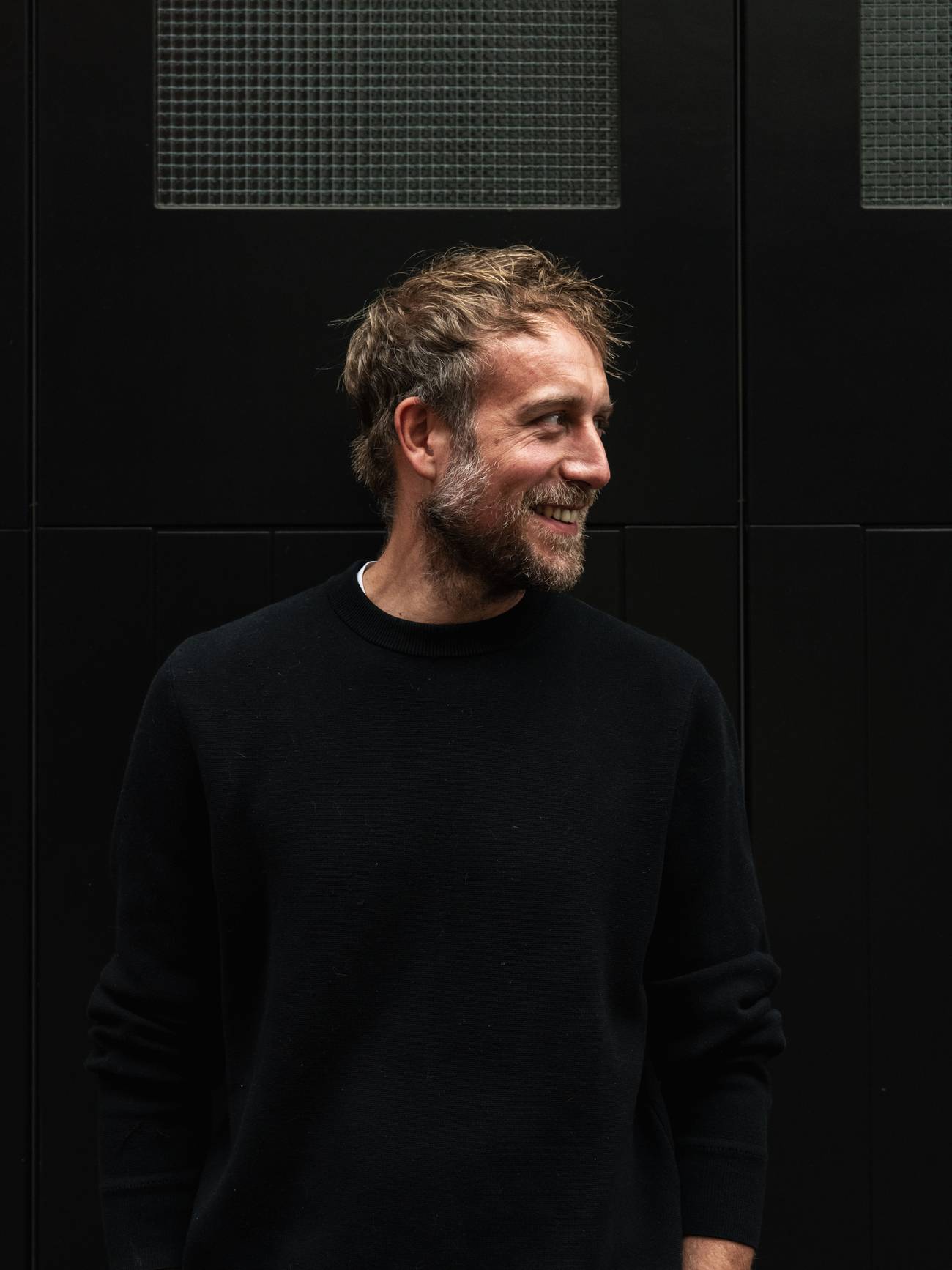
Chef Rob Roy Cameron © Eleonora Boscarelli
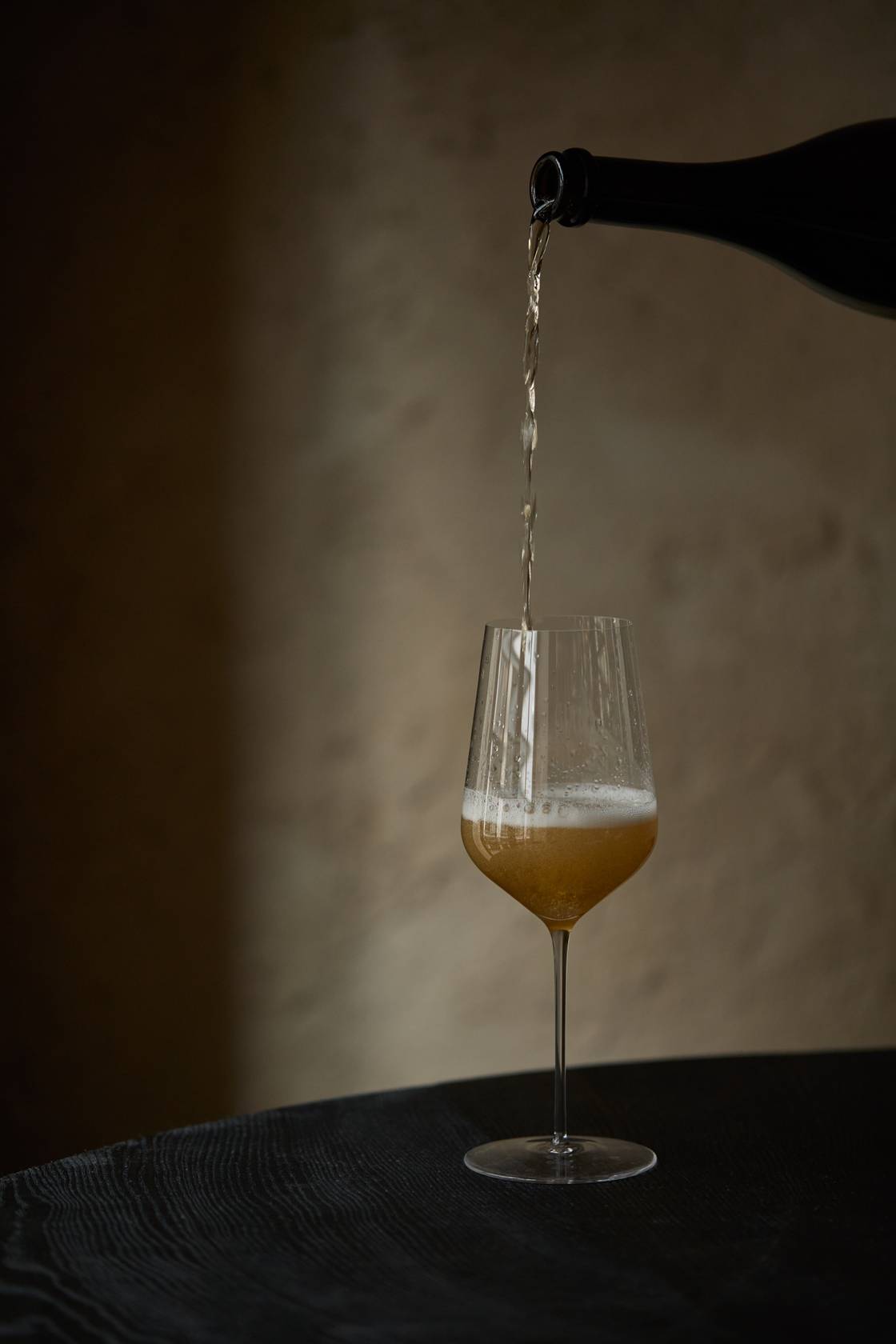
Basque 75 cocktail © Helen Cathcart
To find out more about ALTA and book, visit the links below…
ALTA
9 Kingly Court (ground floor)
Carnaby Street
London W1B 5PW
United Kingdom
Web: alta-restaurant.com
Tel: +44.204.628.0116
Email: hello@alta-restaurant.com
Online Booking: sevenrooms.com
Instagram: @alta.london
Necessary cookies are absolutely essential for the website to function properly. These cookies ensure basic functionalities and security features of the website, anonymously.
| Cookie | Duration | Description |
|---|---|---|
| __cfduid | 1 month | The cookie is used by cdn services like CloudFare to identify individual clients behind a shared IP address and apply security settings on a per-client basis. It does not correspond to any user ID in the web application and does not store any personally identifiable information. |
| _abck | 1 year | This cookie is used to detect and defend when a client attempt to replay a cookie.This cookie manages the interaction with online bots and takes the appropriate actions. |
| bm_sz | 4 hours | This cookie is set by the provider Akamai Bot Manager. This cookie is used to manage the interaction with the online bots. It also helps in fraud preventions |
| cookielawinfo-checbox-analytics | 11 months | This cookie is set by GDPR Cookie Consent plugin. The cookie is used to store the user consent for the cookies in the category "Analytics". |
| cookielawinfo-checbox-functional | 11 months | The cookie is set by GDPR cookie consent to record the user consent for the cookies in the category "Functional". |
| cookielawinfo-checbox-others | 11 months | This cookie is set by GDPR Cookie Consent plugin. The cookie is used to store the user consent for the cookies in the category "Other. |
| cookielawinfo-checkbox-advertisement | 1 year | The cookie is set by GDPR cookie consent to record the user consent for the cookies in the category "Advertisement". |
| cookielawinfo-checkbox-necessary | 11 months | This cookie is set by GDPR Cookie Consent plugin. The cookies is used to store the user consent for the cookies in the category "Necessary". |
| cookielawinfo-checkbox-performance | 11 months | This cookie is set by GDPR Cookie Consent plugin. The cookie is used to store the user consent for the cookies in the category "Performance". |
| ts | 3 years | This cookie is provided by the PayPal. It is used to support payment service in a website. |
| ts_c | 3 years | This cookie is provided by PayPal when a website is in association with PayPal payment function. This cookie is used to make safe payment through PayPal. |
| viewed_cookie_policy | 11 months | The cookie is set by the GDPR Cookie Consent plugin and is used to store whether or not user has consented to the use of cookies. It does not store any personal data. |
Functional cookies help to perform certain functionalities like sharing the content of the website on social media platforms, collect feedbacks, and other third-party features.
| Cookie | Duration | Description |
|---|---|---|
| akavpau_ppsd | session | This cookie is provided by Paypal. The cookie is used in context with transactions on the website. |
| nsid | This cookie is set by the provider PayPal. This cookie is used to enable the PayPal payment service in the website. | |
| tsrce | 3 days | This cookie is set by the provider PayPal. This cookie is used to enable the PayPal payment service in the website. |
| x-pp-s | session | This cookie is set by the provider PayPal. This cookie is used to process payments from the site. |
Performance cookies are used to understand and analyze the key performance indexes of the website which helps in delivering a better user experience for the visitors.
| Cookie | Duration | Description |
|---|---|---|
| YSC | session | This cookies is set by Youtube and is used to track the views of embedded videos. |
Analytical cookies are used to understand how visitors interact with the website. These cookies help provide information on metrics the number of visitors, bounce rate, traffic source, etc.
| Cookie | Duration | Description |
|---|---|---|
| _ga | 2 years | This cookie is installed by Google Analytics. The cookie is used to calculate visitor, session, campaign data and keep track of site usage for the site's analytics report. The cookies store information anonymously and assign a randomly generated number to identify unique visitors. |
| _gid | 1 day | This cookie is installed by Google Analytics. The cookie is used to store information of how visitors use a website and helps in creating an analytics report of how the website is doing. The data collected including the number visitors, the source where they have come from, and the pages visted in an anonymous form. |
Advertisement cookies are used to provide visitors with relevant ads and marketing campaigns. These cookies track visitors across websites and collect information to provide customized ads.
| Cookie | Duration | Description |
|---|---|---|
| _fbp | 3 months | This cookie is set by Facebook to deliver advertisement when they are on Facebook or a digital platform powered by Facebook advertising after visiting this website. |
| fr | 3 months | The cookie is set by Facebook to show relevant advertisments to the users and measure and improve the advertisements. The cookie also tracks the behavior of the user across the web on sites that have Facebook pixel or Facebook social plugin. |
| IDE | 1 year 24 days | Used by Google DoubleClick and stores information about how the user uses the website and any other advertisement before visiting the website. This is used to present users with ads that are relevant to them according to the user profile. |
| test_cookie | 15 minutes | This cookie is set by doubleclick.net. The purpose of the cookie is to determine if the user's browser supports cookies. |
| VISITOR_INFO1_LIVE | 5 months 27 days | This cookie is set by Youtube. Used to track the information of the embedded YouTube videos on a website. |
Other uncategorized cookies are those that are being analyzed and have not been classified into a category as yet.
| Cookie | Duration | Description |
|---|---|---|
| _gat_gtag_UA_120081375_1 | 1 minute | This cookie is installed by Google Analytics. The cookie is used to calculate visitor, session, campaign data and keep track of site usage for the site's analytics report. The cookies store information anonymously and assign a randomly generated number to identify unique visitors. |
| _gat_gtag_UA_83740222_1 | 1 minute | This cookie is installed by Google Analytics. The cookie is used to calculate visitor, session, campaign data and keep track of site usage for the site's analytics report. The cookies store information anonymously and assign a randomly generated number to identify unique visitors. |
| _mcid | 1 year | No description |
| ak_bmsc | 2 hours | No description |
| CONSENT | 16 years 9 months 2 days 6 hours | No description |
| ec_store_chameleon_font | session | This cookie is provided by Ecwid and it is used to save the font utilised in the website's online store. |
| enforce_policy | 1 year | No description |
| l7_az | 30 minutes | No description |
| LANG | 9 hours | No description |
| x-cdn | This cookie is provided by Paypal and is used in context with shopping transactions on the website's store. |