


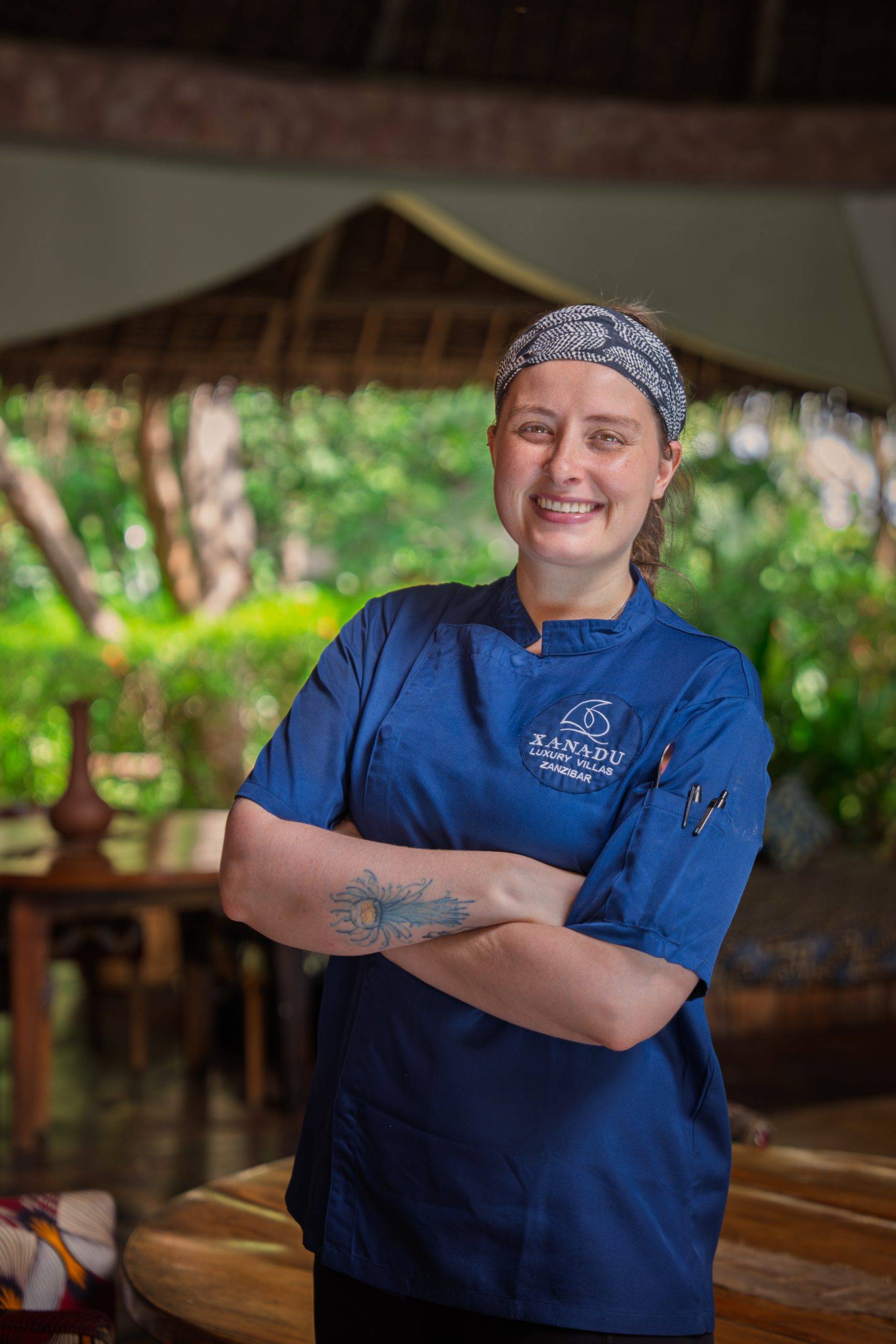
Head Chef Logan Leisse
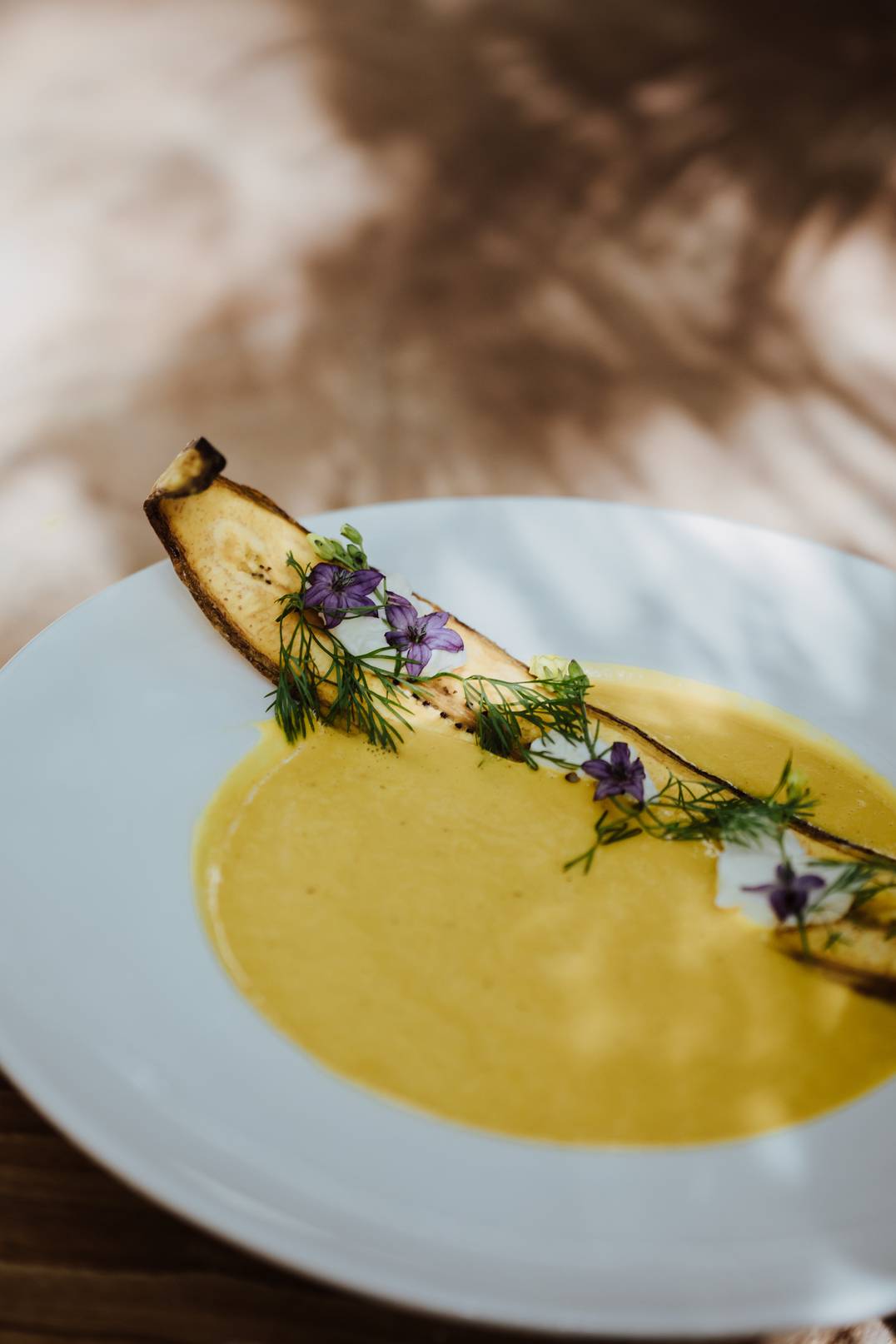
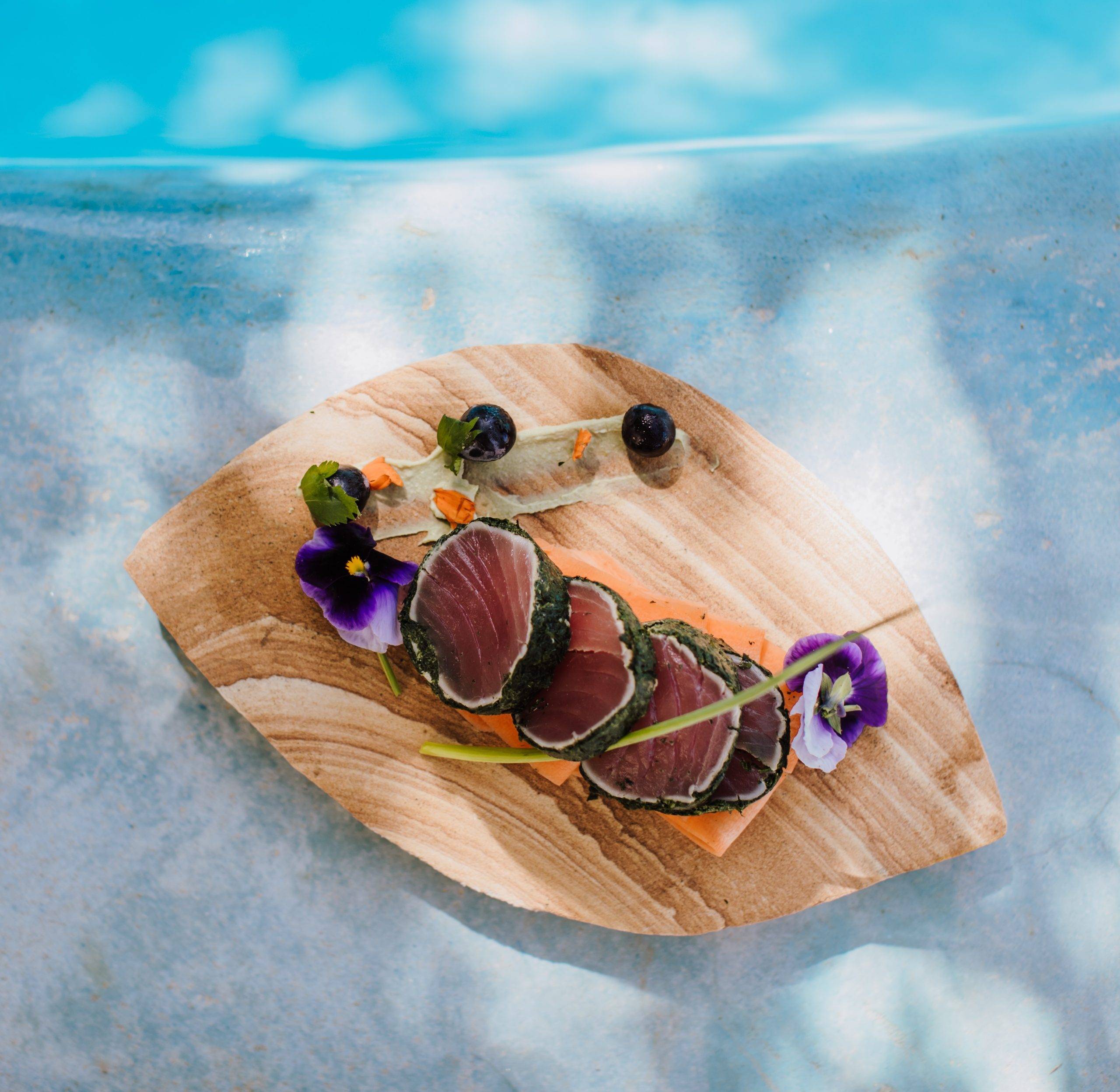
Dish at Xanadu Luxury Villas & Retreat
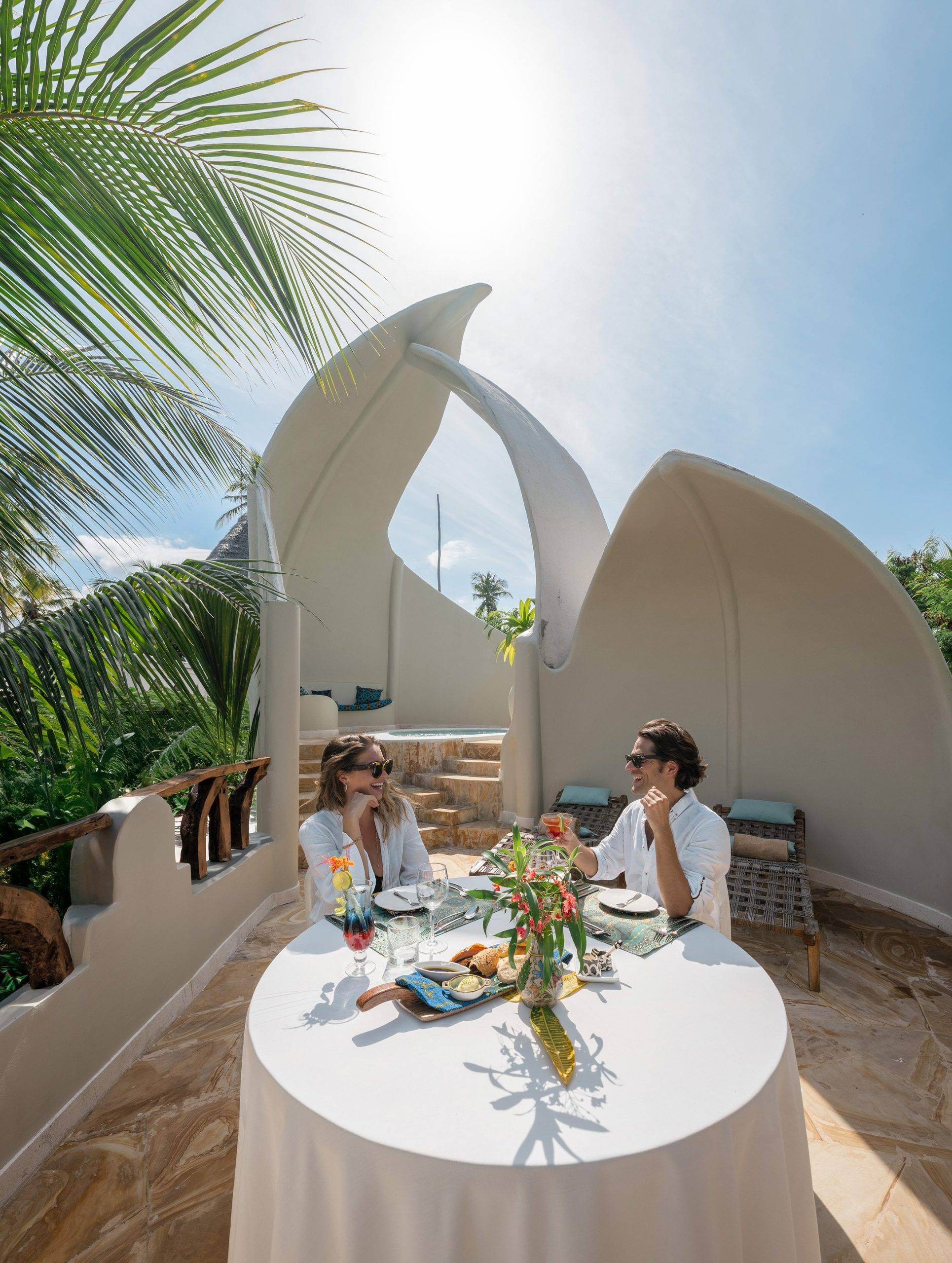
Alfresco dining at the resort’s Villa Kimwondo
On Zanzibar’s quieter east coast, Xanadu Luxury Villas & Retreat offers a version of island luxury that feels deeply private and closely connected to its surroundings. Set between tropical gardens and the beach, the five-star property is known for its individually designed villas, personalised service and a culinary approach that moves easily between relaxed barefoot dining and more elaborate, celebratory moments.
At the centre of that experience is Head Chef Logan Leisse, whose path has taken her from South Africa’s Cape Winelands to the African bush, Europe, and now back to Zanzibar. Her cooking brings together classic technique, South African and Cape Malay influences, Swahili flavour, Indian Ocean seafood and the daily yield of Xanadu’s own garden.
Here, menus are not fixed. Lunch and dinner change every day, shaped by the season, the catch, the garden and the people at the table. Guests might find themselves enjoying a Swahili-inspired meal, a live beach barbecue, a private in-villa dinner, a wine-paired tasting menu or a simple dish built around fish delivered that morning by a local fisherman.
In this interview, Logan speaks about returning to Xanadu, learning from local chefs and producers, cooking with Zanzibar’s spices, and why true luxury dining is less about formality than intuition, generosity and a genuine sense of place…
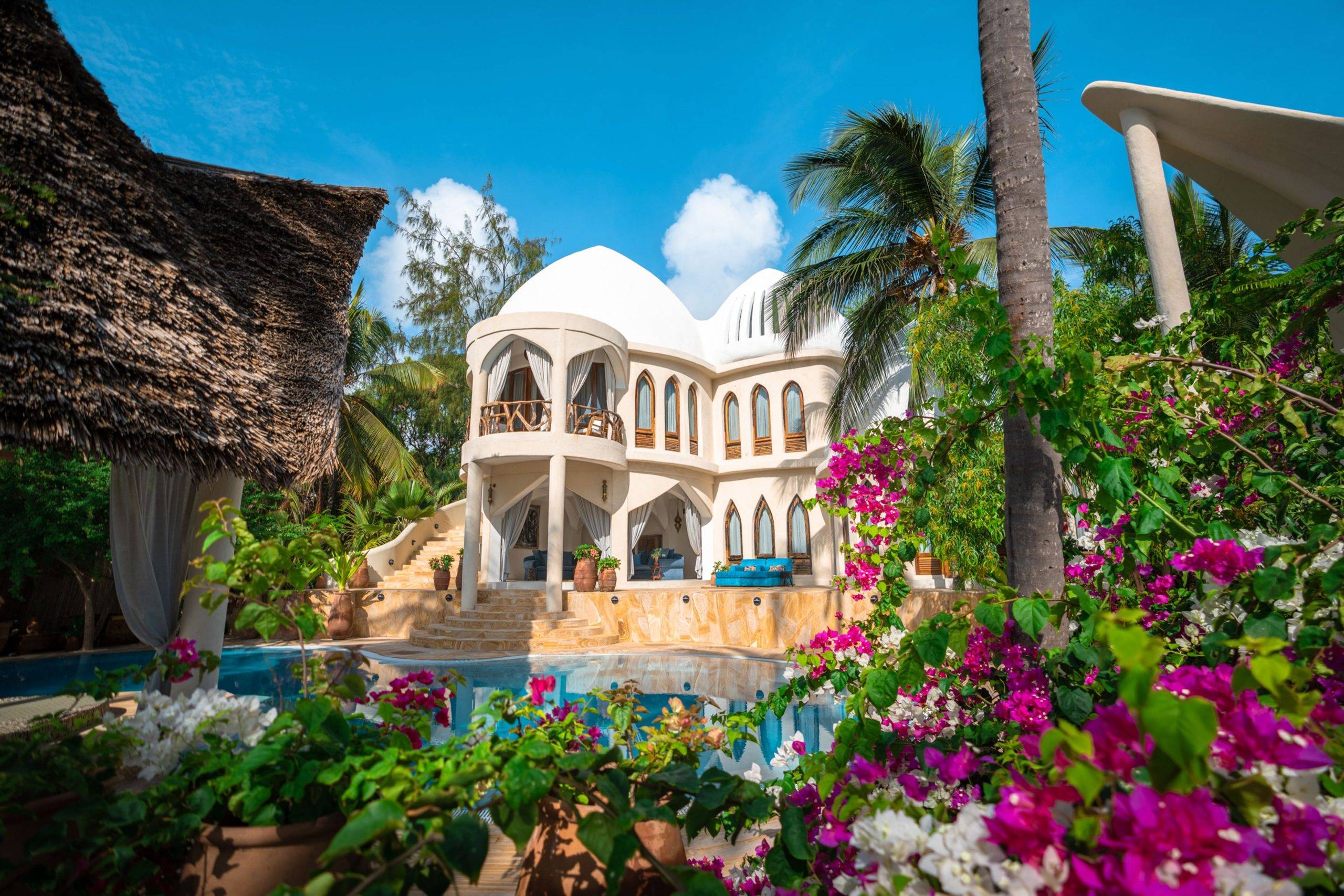
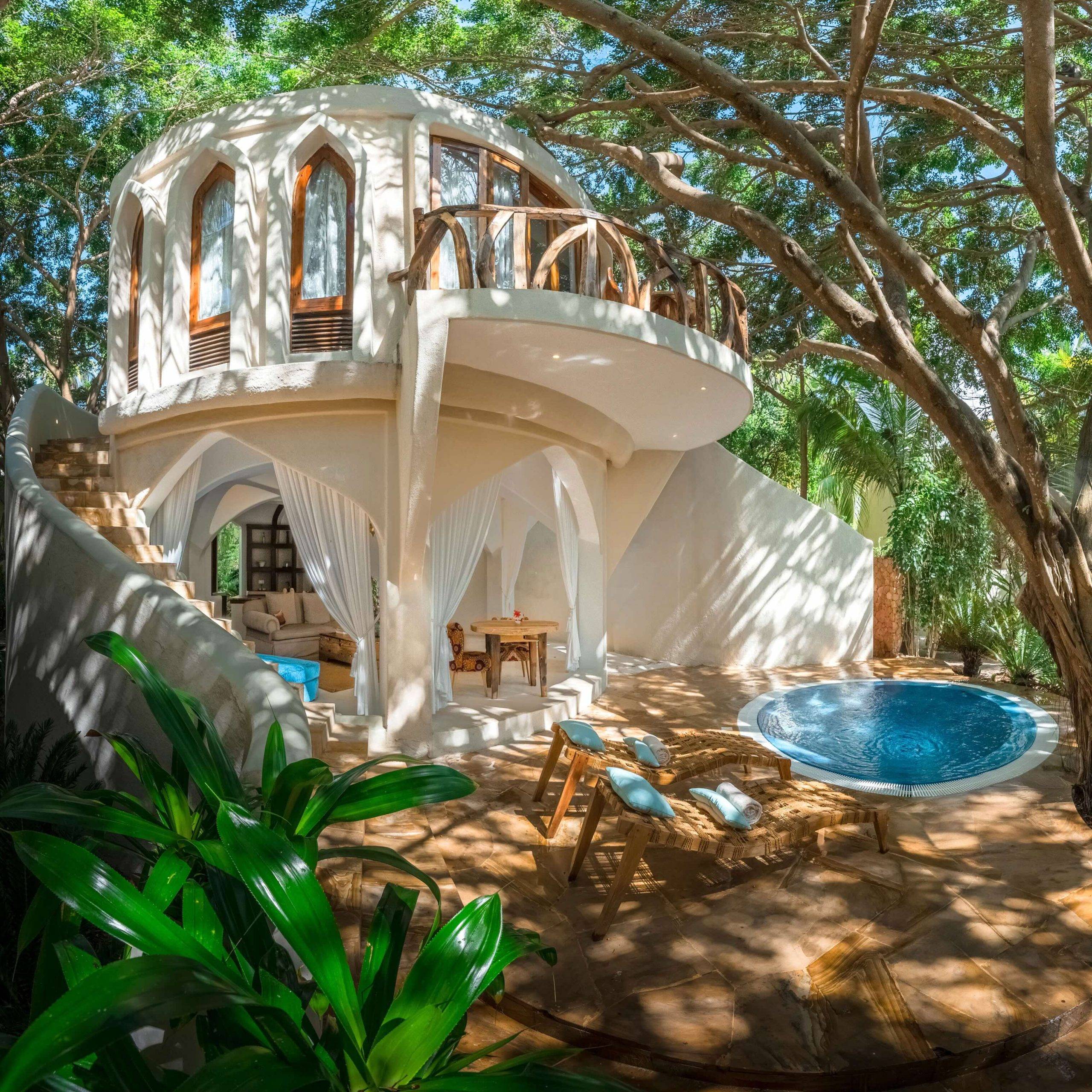
Exterior of the resort’s Villa Nyota
Can you tell us a little about your path into cooking, and what first drew you to the kitchen?
I grew up in the hospitality industry, as both of my parents worked in it. While I always loved cooking, I initially considered studying general hospitality management. However, I quickly realised my true passion lay in the culinary side rather than front-of-house. My early internships in South Africa allowed me to work under some incredible chefs who fueled that passion even further. While working as a Chef de Partie at Cavalli, I received an offer for a sous-chef position in Zanzibar in 2020. That quickly evolved into a Head Chef role. It was a steep learning curve that taught me how to be highly creative—designing new menus daily—and helped me develop into a strong leader for my team. Still, I longed for further mentorship and broader experience, so after a year, I decided to travel. Over the next four years, I worked in diverse kitchen environments under great chefs, from the African bush and the Cape Winelands to fine-dining establishments in Europe. Having gained extensive experience and built a strong reputation in the industry, I was thrilled to be called back to Xanadu to lead the very same team I worked with five years ago.
You trained in South Africa and developed a strong foundation in classic French cuisine. How does that training still influence the way you cook today?
I studied in Stellenbosch, and that experience opened countless doors for me within the South African culinary scene. To this day, I maintain close relationships with industry professionals I met back then, many of whom are now internationally recognised and working all over the world. While my foundation is rooted in classic techniques, it’s those ongoing connections and diverse experiences that truly influence how I cook today.
Xanadu is set in such a distinctive part of Zanzibar. How has the island changed the way you think about food, flavour and hospitality?
Zanzibar is often associated with bustling spice markets, the winding alleys of Stone Town, and the busy beaches of the north. Xanadu flips this script. We use our quiet, distinctive location to elevate the Zanzibar experience from standard tropical tourism to a highly curated, private sanctuary. This setting has profoundly shifted how I approach food and hospitality; it allows me to focus on hyper-local sourcing and creating intimate, tranquil dining moments that reflect the beauty of our immediate surroundings.
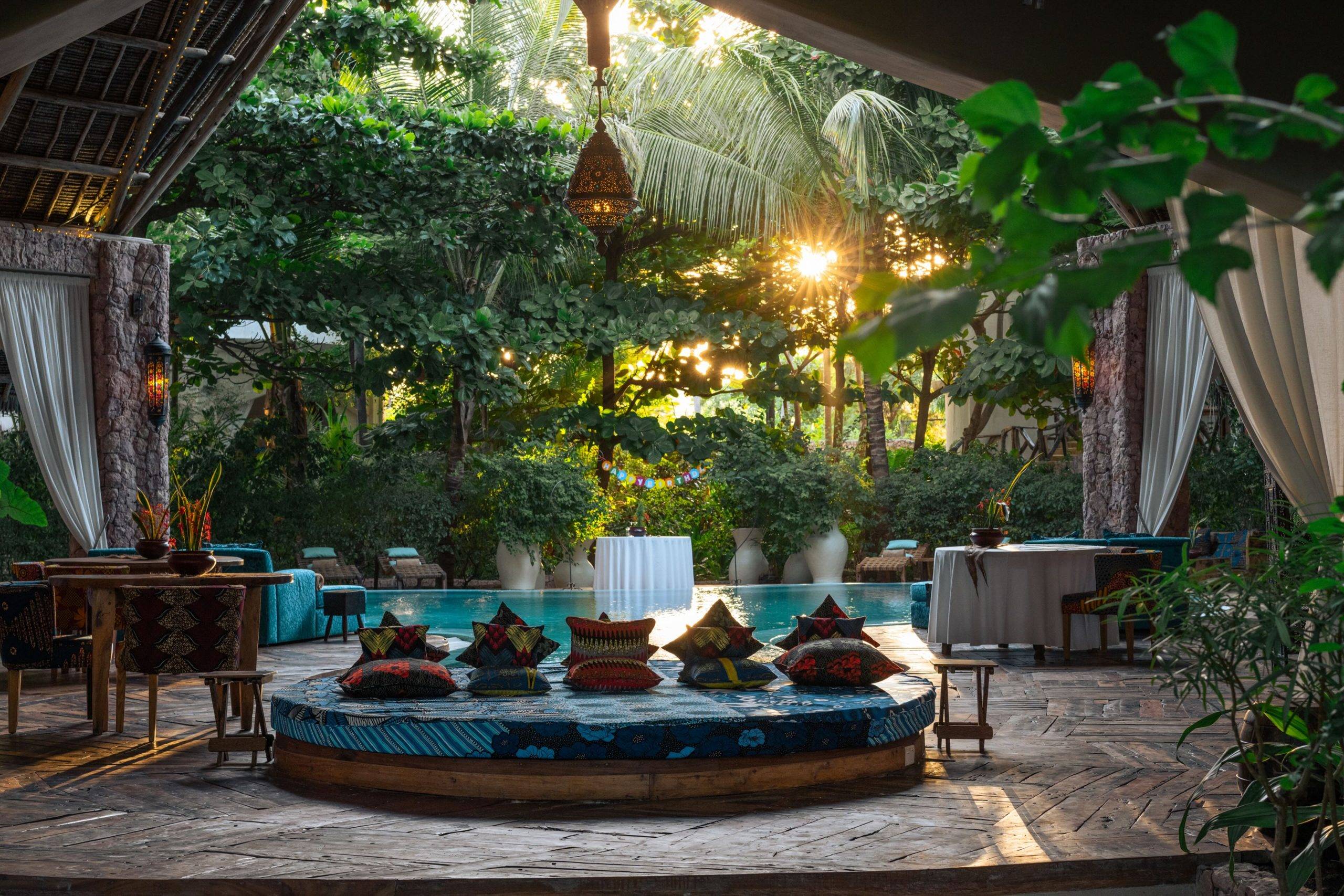
Main area Xanadu Luxury Villas & Retreat
How would you describe your cooking style to someone who has never eaten at Xanadu before?
Our approach is entirely bespoke, meaning we cater directly to each guest’s individual preferences. We design new lunch and dinner menus daily, seamlessly shifting between à la carte, tasting menus, wine pairings, traditional Swahili tastings, live beach BBQs, and even private in-villa cooking classes. Our motto is that a guest should never have the same meal twice during their stay; we always keep it fresh and exciting. Personally, my cooking style is deeply influenced by my South African and Afrikaans roots, combined with a profound love for seafood and farm-to-table principles. I aim to create vibrant, fresh dishes that continuously excite the palate.
What does “farm-to-table” mean in the context of Zanzibar, and how do you bring that philosophy into the Xanadu kitchen?
At Xanadu, “farm-to-table” is a literal daily practice. We have a small farm and vegetable garden on the property, which we integrate into the kitchen in multiple ways. We operate a closed-loop system, creating compost and soil boosters from kitchen waste—like eggshells and coffee grounds—to nourish our garden. Our animals, which include goats, cows, ducks, and chickens, are free-range and traditionally guarded by the Maasai. Every day, we harvest seasonal vegetables, fruit, and herbs, and collect fresh cow’s milk and eggs. We highlight these hyper-local ingredients on our daily menus and are currently renovating the garden space so guests can visit and experience this process firsthand.
Which local ingredients do you find yourself returning to most often, and why?
I frequently return to coconut, cassava, green cardamom, songoro (cobia), yellowfin tuna, sea snails, jackfruit, shoki shoki (rambutan), mango, and local goat. When sourced specifically from Zanzibar, these ingredients taste absolutely incredible and unlike anywhere else. The vibrancy and depth of flavour in the local spices, tropical fruits, and Indian Ocean seafood are truly unmatched.
Zanzibar has such a rich spice heritage. How do you use spices in a way that feels elegant rather than overpowering?
Zanzibari spices are indeed potent, and the best way to learn how to use them elegantly is by eating traditional meals and learning directly from the locals. I have learned the most from my own team of local chefs. They taught me the art of balancing these bold flavours, ensuring the spices enhance and elevate the primary ingredients rather than overpower them.
Seafood is such a natural part of island cooking. What do you look for when working with fresh fish and shellfish?
It all comes down to relationships and strict standards. We have a fantastic relationship with our local fisherman, Rama. He calls me the moment he has a fresh catch and brings it straight to the kitchen. My team and I meticulously inspect everything to ensure it was caught that very morning—checking the gills, eyes, and skin. We only accept the absolute best and freshest seafood; at Xanadu, there are zero compromises when it comes to quality.
How do you balance local Swahili influences with your French culinary background?
While I have classic training, my culinary identity is heavily influenced by South African cuisine—specifically Afrikaans and Cape Malay flavour profiles. This actually marries perfectly with Swahili cuisine. Both culinary traditions share a love for rich spices, deep curries, slow-cooked stews, staples like pap or ugali, and the art of open-fire cooking. Finding the balance is very natural because the flavour foundations speak a similar language.
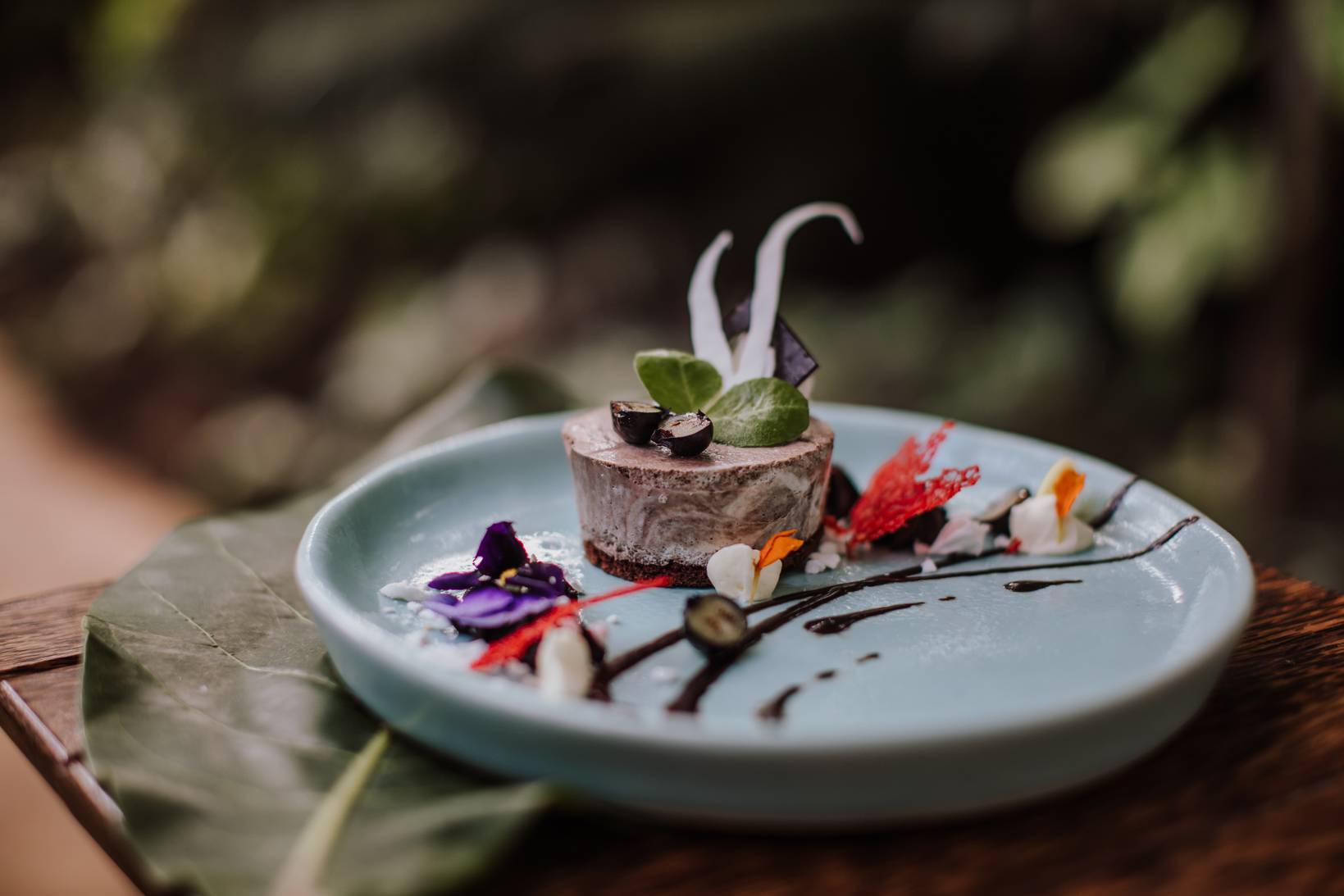
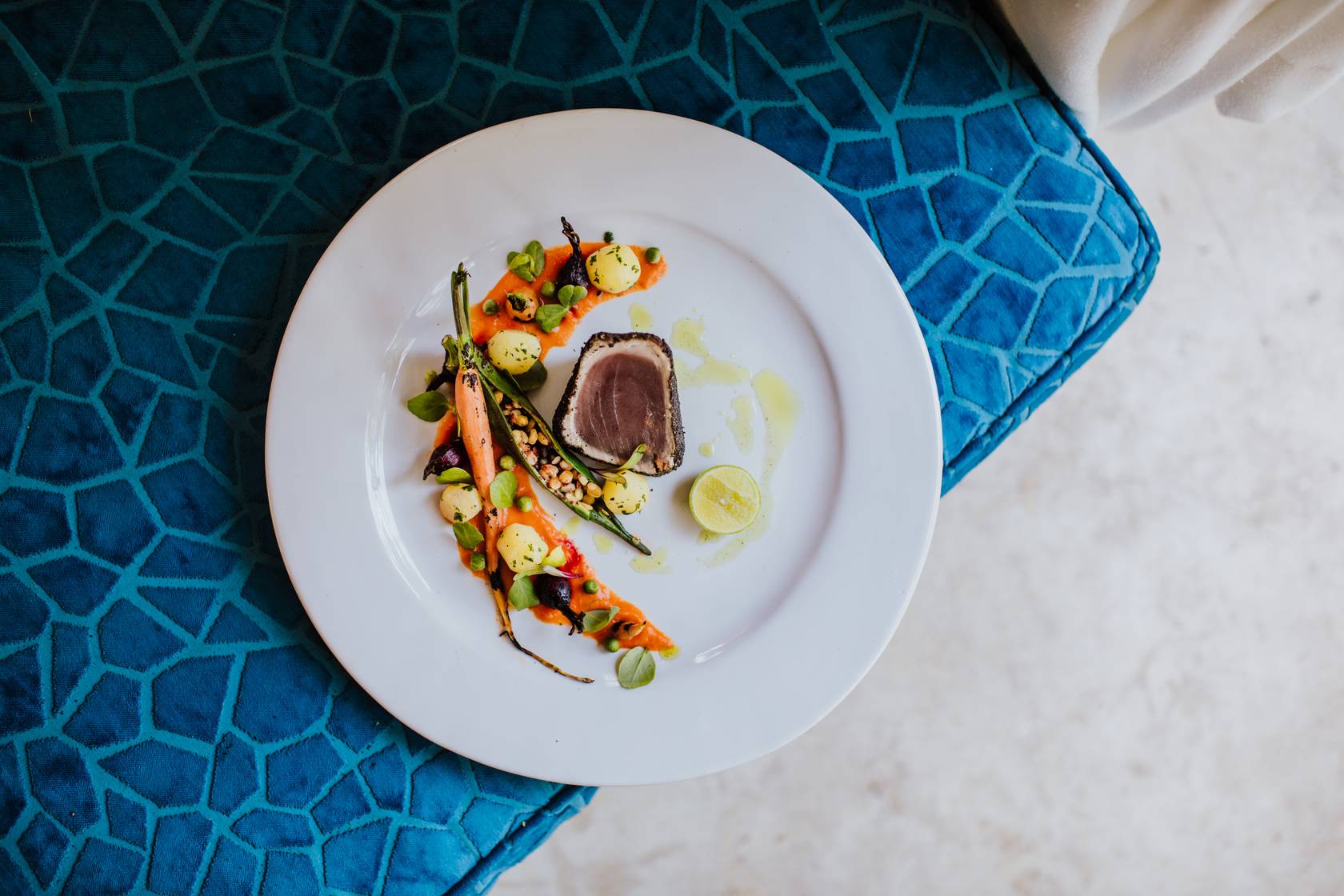
Dish at Xanadu Luxury Villas & Retreat Zanzibar
Is there a particular dish on your menu that best captures your relationship with Zanzibar?
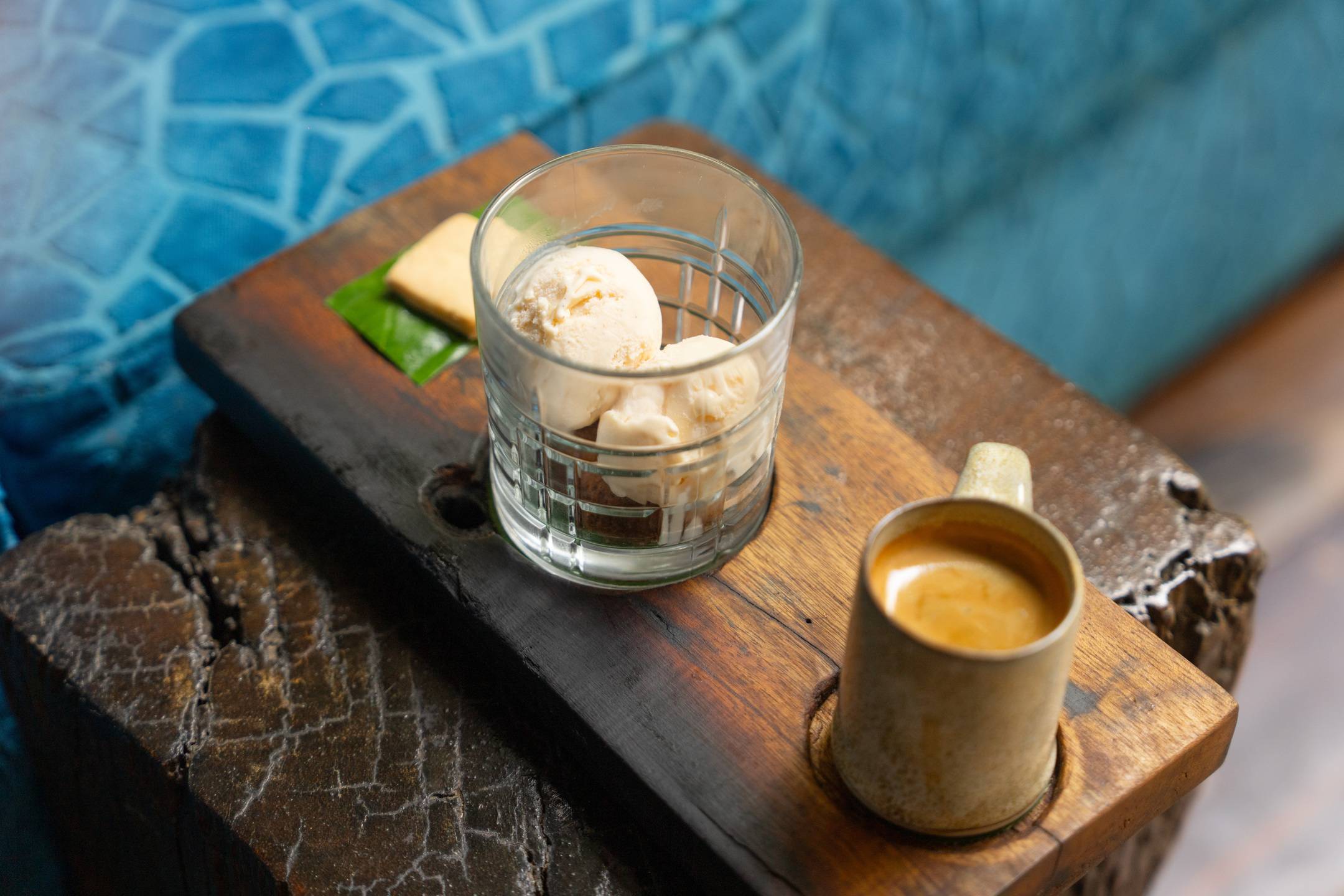
Because our menus change daily based on what is fresh and in season, I don’t have one single signature dish. Instead, my relationship with Zanzibar is captured in our overall philosophy: every single dish we create is designed to hero local Zanzibari ingredients and highlight the island’s vibrant flavours.
The ‘Snoek Braai’, however, is a personal favourite. It features wild herb-infused stick bread, smoked bokkoms butter, a mussel pot, Cape Malay-spiced sauce, salt-baked sweet potato, naartjie, West Coast seaweed and an iceleaf salad. This dish is inspired by my childhood family snoek braais in Gordon’s Bay, which ignited my passion for this career and cooking over a fire, with my family as my first brigade, teaching me that food is a celebration meant to be shared. This dish juxtaposes my culinary origin and West Coast admiration with my current vibrant Zanzibar journey. Respecting the traditions of cooking everything on the fire, using the whole fish, coastal foraging, Ouma’s sweet potato, childhood stick bread and the spirit of a Snoek Braai.
Xanadu’s menus change regularly. How do you keep the dining experience fresh for returning guests?
Because we operate on a bespoke model, keeping things fresh is built into our daily routine. We maintain detailed culinary profiles for all our guests, noting their preferences, dietary requirements, and exactly what they have eaten during their stay. This allows us to continuously surprise them with new flavour profiles and dining experiences, ensuring no two meals are ever the same.
With such an intimate villa setting, guests often feel very close to the culinary experience. Does that change the way you cook?
It elevates every aspect of being a chef. The intimacy of the villas allows us to forge a genuine connection with our guests, turning a meal into an unforgettable, personalised moment. For example, during our tasting menus, the chefs step out of the kitchen to present each course at the table, sharing the story and inspiration behind the dish directly with the guests.
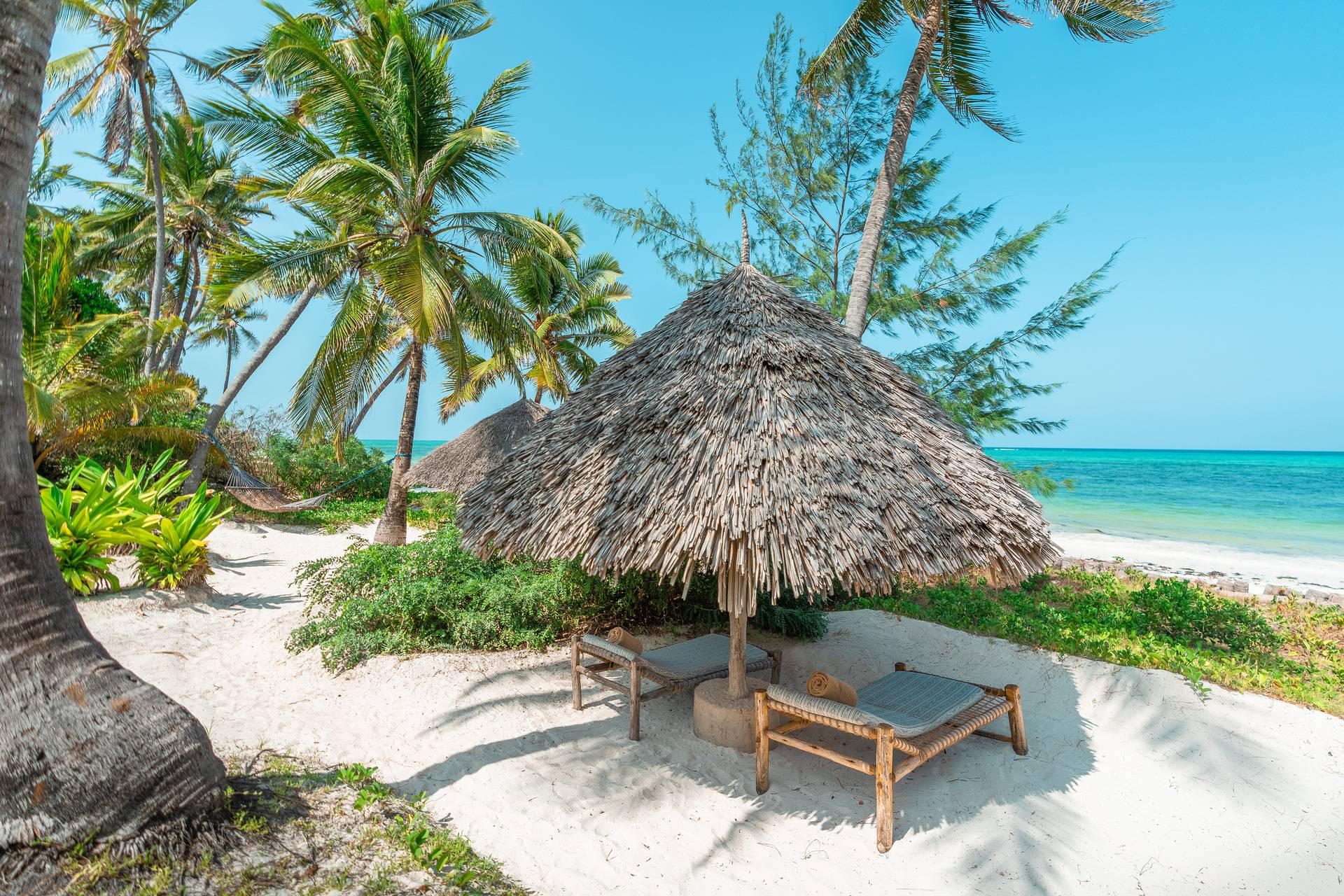
How do you create a sense of occasion when guests are dining privately in their villa, on the beach, or under the stars?
We create a sense of occasion by tailoring the setup to the guest’s mood and utilising the stunning environments around the property. Whether it’s a live BBQ on the beach, a 9-course tasting menu with wine pairings, a bespoke whisky tasting, or providing a personal chef for an exclusive in-villa experience, we have multiple settings to match every preference and celebration.
What role does the kitchen garden play in your daily menu planning?
The kitchen garden dictates our daily menus. We work hand-in-hand with the gardening team to coordinate the planting and harvesting phases. Because we follow a closed-loop system and rely on what is seasonally available, the garden’s daily yield directly inspires the flavours and dishes we create for our guests.
The property offers a range of culinary experiences, from picnics to fine-dining and detoxing dishes—can you tell as more about these?
There is truly no limit to the culinary experiences we offer at Xanadu. We curate everything to the highest standard, catering seamlessly to all allergies and dietary preferences. On any given evening, my kitchen brigade might be executing up to seven entirely different, bespoke menus simultaneously, alongside our traditional Swahili tasting experiences. Our ultimate goal is to treat our guests to the highest level of personalised hospitality.
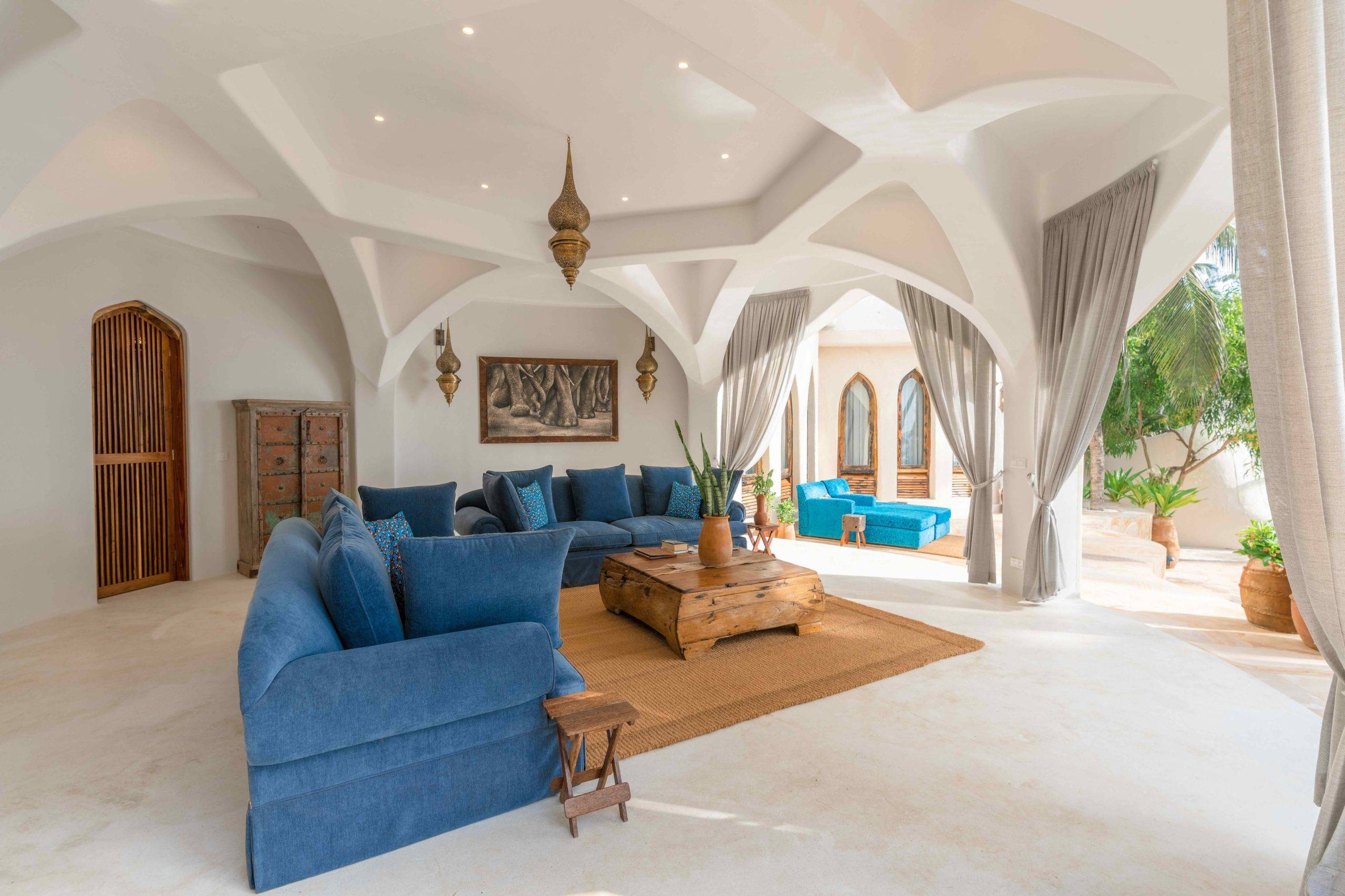
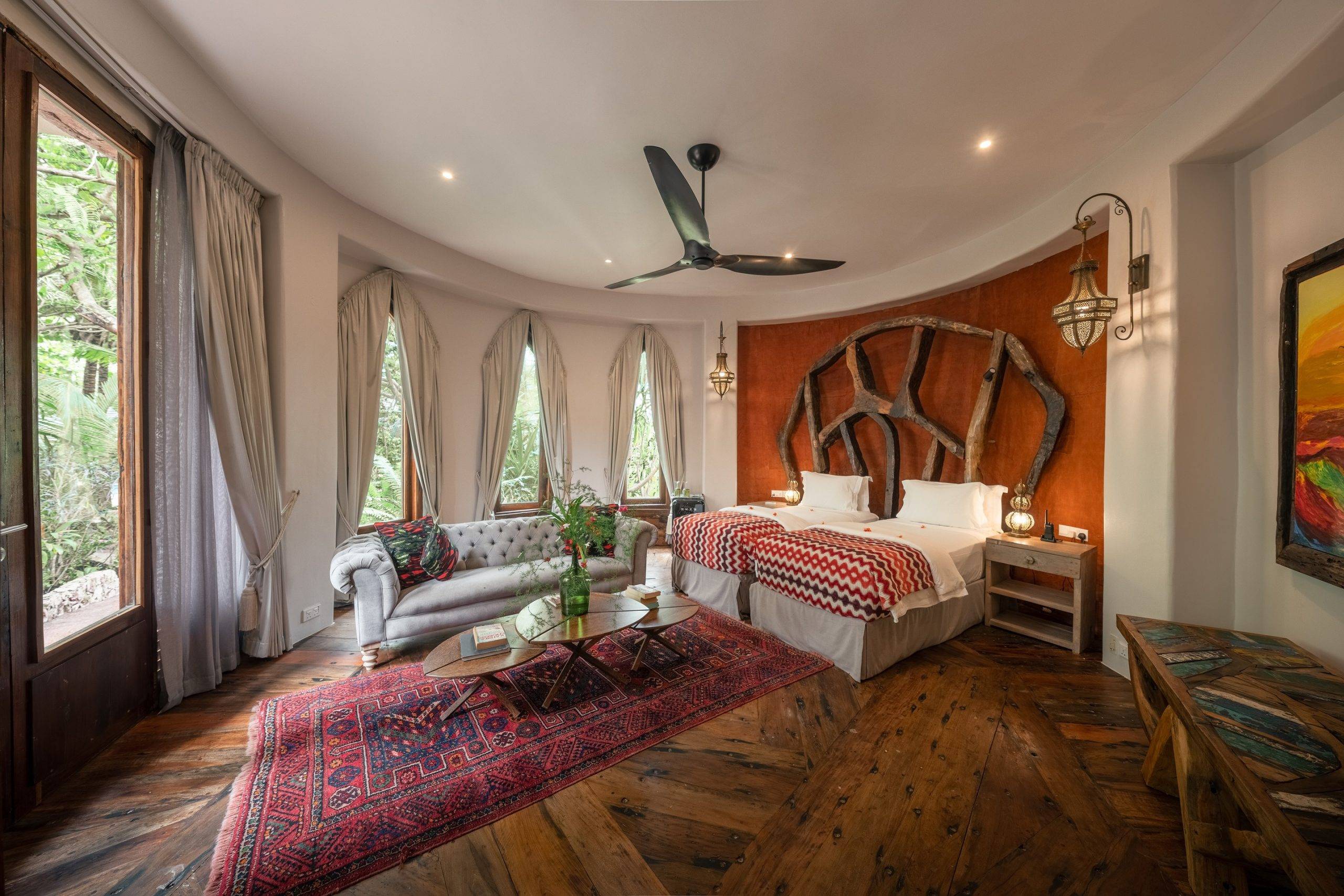
Interior of Villa Nyota
What does a typical day look like for you, from morning preparations to dinner service?
A typical day starts by assessing what our garden has to offer, followed by designing the bespoke lunch, dinner, and dietary menus for the day. Once the menus are set—and I’ve had my essential morning cappuccino—we hold a briefing with the villa butlers to hand over the curated menus. Breakfast service kicks in, during which we receive the guests’ lunch and dinner orders, as well as any off-menu requests. Then the real prep begins. We divide the workload among the kitchen brigade and execute lunch service. The afternoon involves a clean-down and transitioning our prep for dinner. After dinner service concludes, we clean down the kitchen and check in with the butlers to ensure all guests are completely satisfied before we finally call it a night.
What do you think makes luxury dining feel truly memorable, beyond beautiful presentation?
We go beyond just what is on the plate. Truly memorable luxury dining is about anticipation, personalisation, and connection. It’s about remembering a guest’s favourite ingredient, sharing the story behind the local fisherman who caught their seafood, and creating an atmosphere where they feel completely cared for. Beautiful presentation is expected; genuine, intuitive hospitality is what makes it unforgettable.
Are there any local producers, fishermen, farmers or makers who have had a strong influence on your cooking?
Absolutely. There is Babu Chukkie, who still freedives at the age of 86 to gather ocean resources and brings us his incredible homegrown limes. We also have Rama, our dedicated fisherman who supplies only the freshest seafood, and Dada Neema, who cultivates beautiful oyster mushrooms and hibiscus flowers. Combining these exceptional, lovingly grown ingredients is the foundation of our high-grade culinary creations.
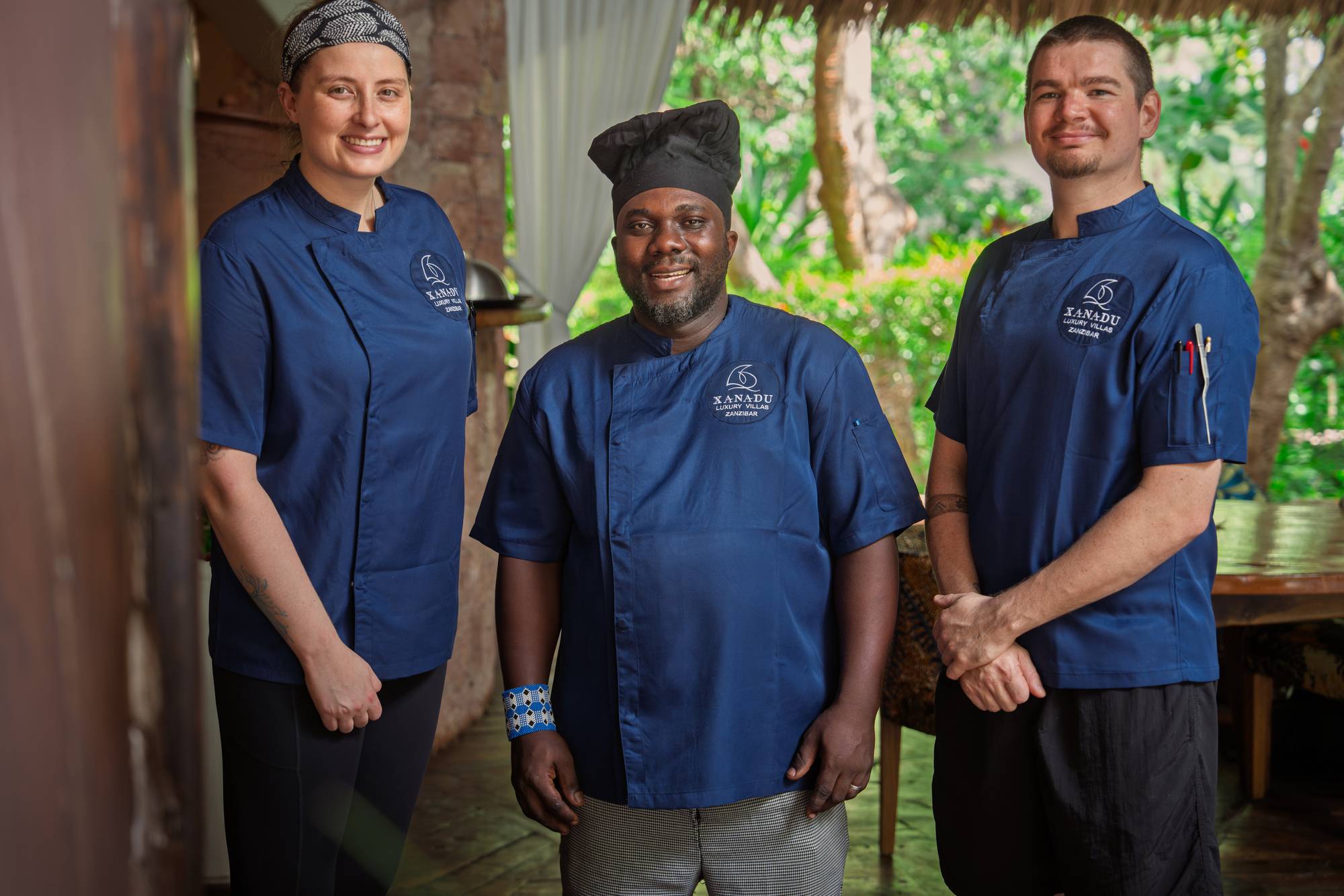
The team at Xanadu Luxury Villas & Retreat Zanzibar
What is the most rewarding part of cooking for guests in such a private, highly personalised environment?
Hearing “compliments to the chef” is always music to my ears, but more than that, it’s seeing the genuine joy and satisfaction when we’ve exceeded a guest’s expectations by tailoring a meal perfectly to them.
How do you want guests to feel after a meal at Xanadu?
Deeply satisfied, comfortable and already craving the next day’s menu.
Looking ahead, how would you like the culinary experience at Xanadu to evolve?
We have incredible potential on the property, and my goal is to constantly elevate the guest experience at every opportunity. Whether that means hosting a Maguro Kaitai (a traditional whole-tuna breakdown) paired with Champagne, or designing an immersive, farm-to-table lunch served right inside our vegetable garden, I want to keep pushing the boundaries of what our culinary retreat can offer.
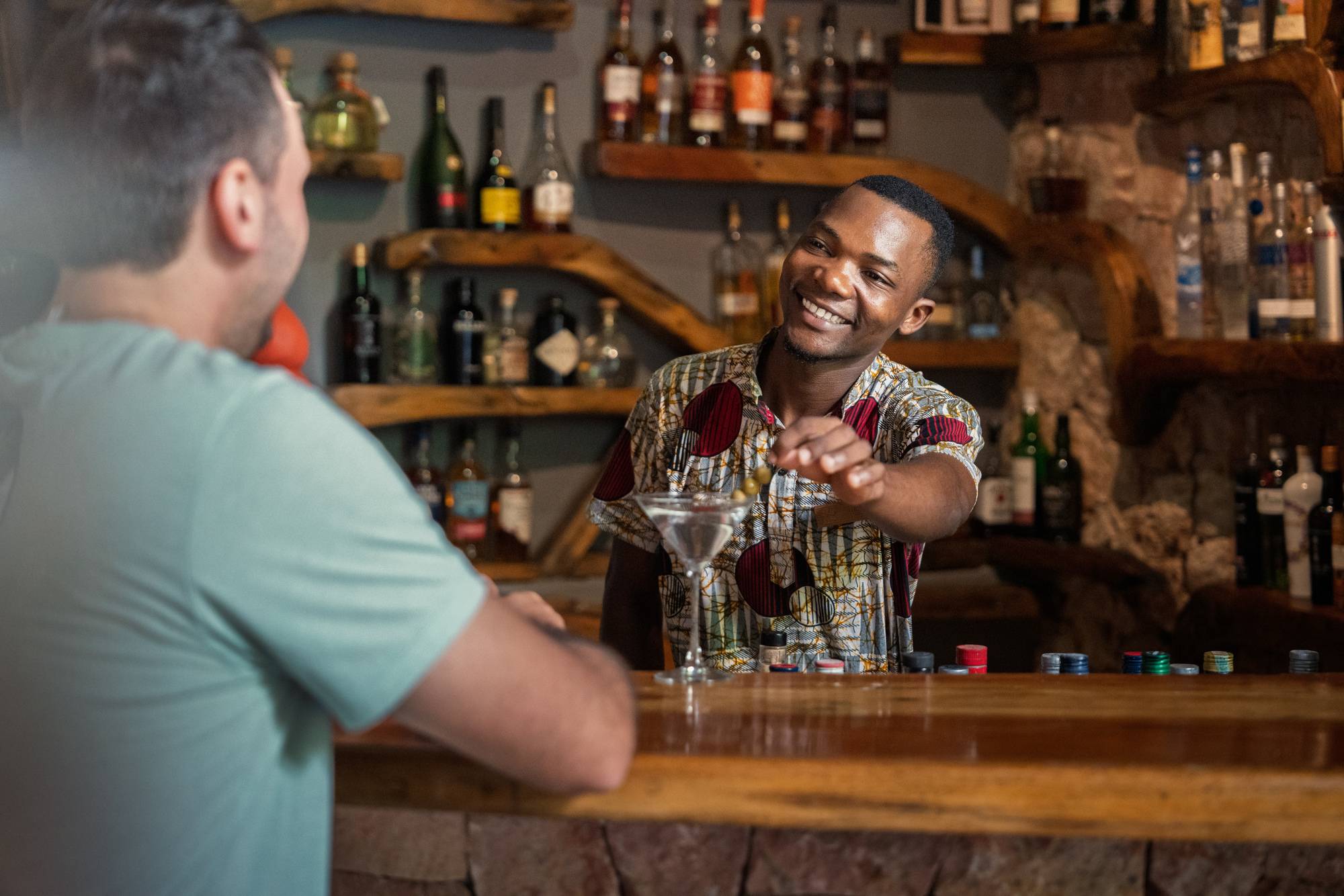
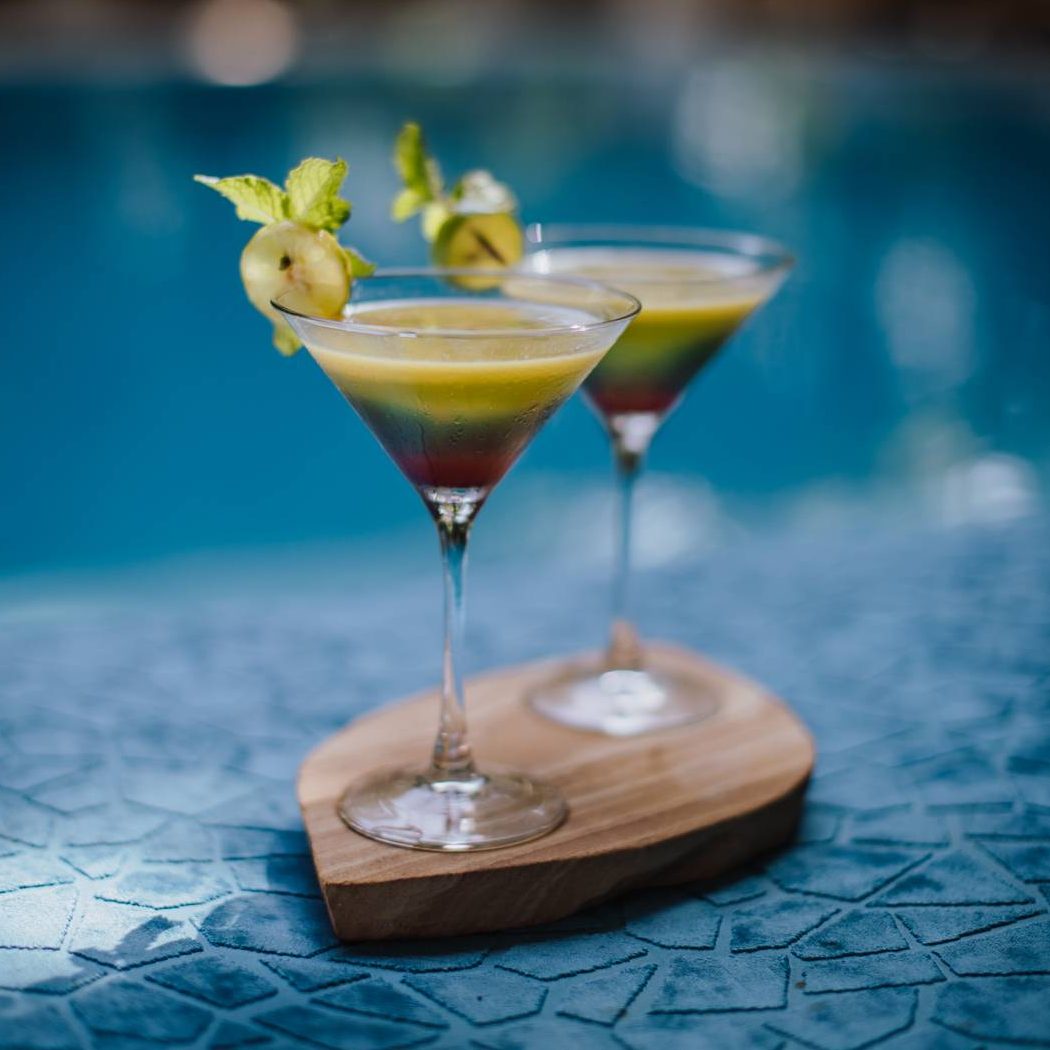
Custom drinks made-to-order at the bar
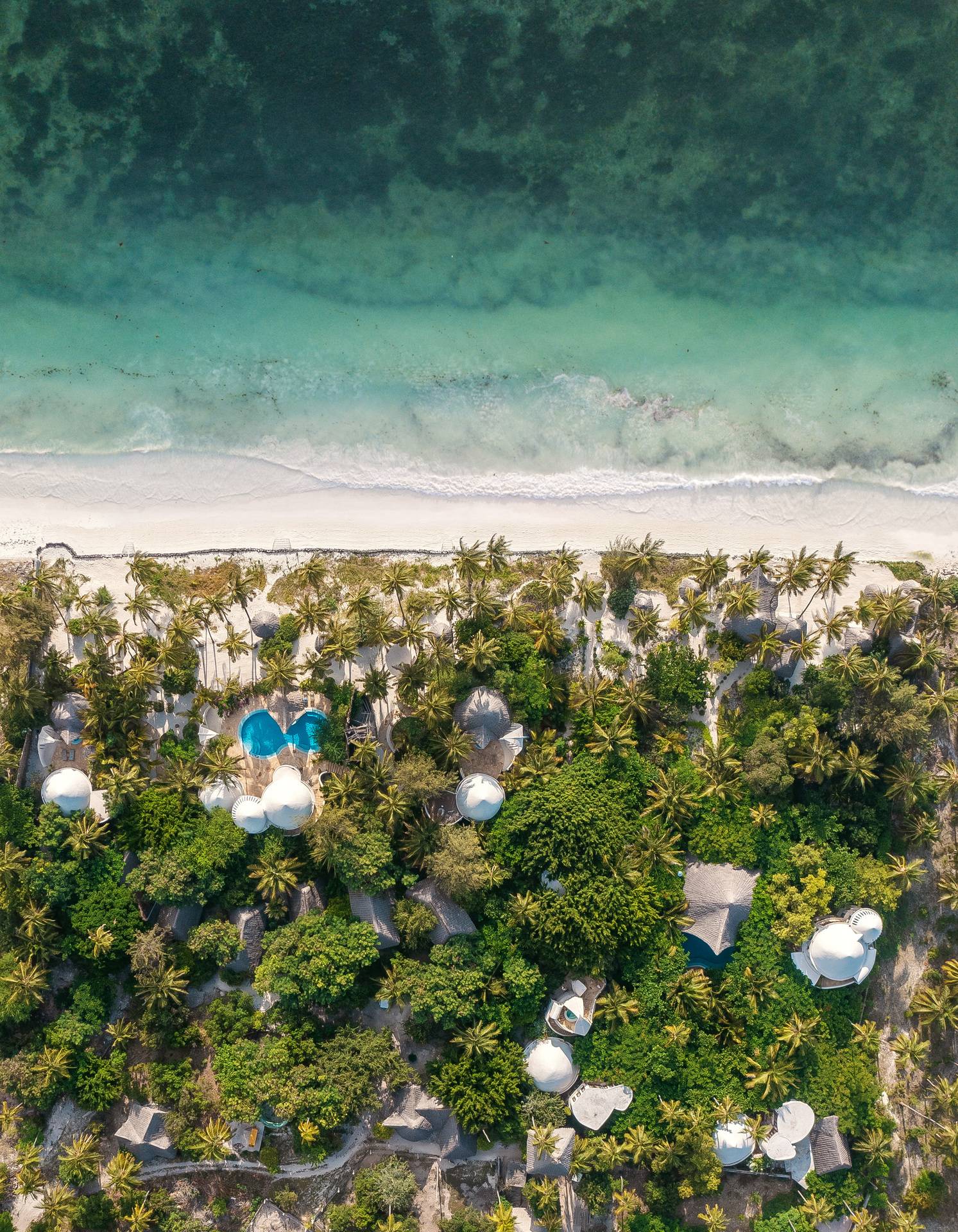
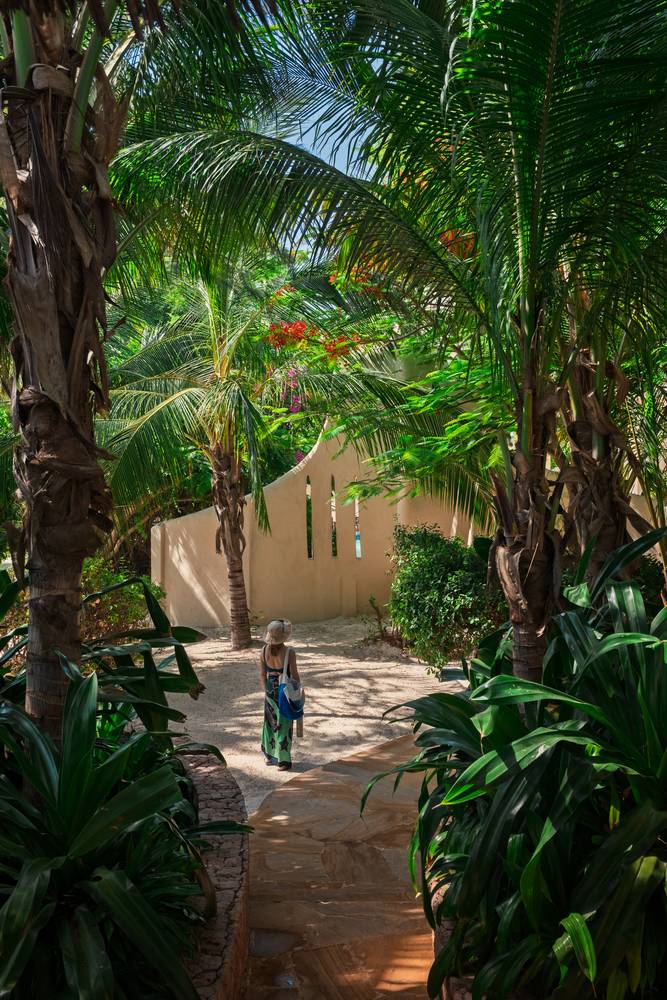
Xanadu Luxury Villas & Retreat Zanzibar is set on the island’s quieter east coast
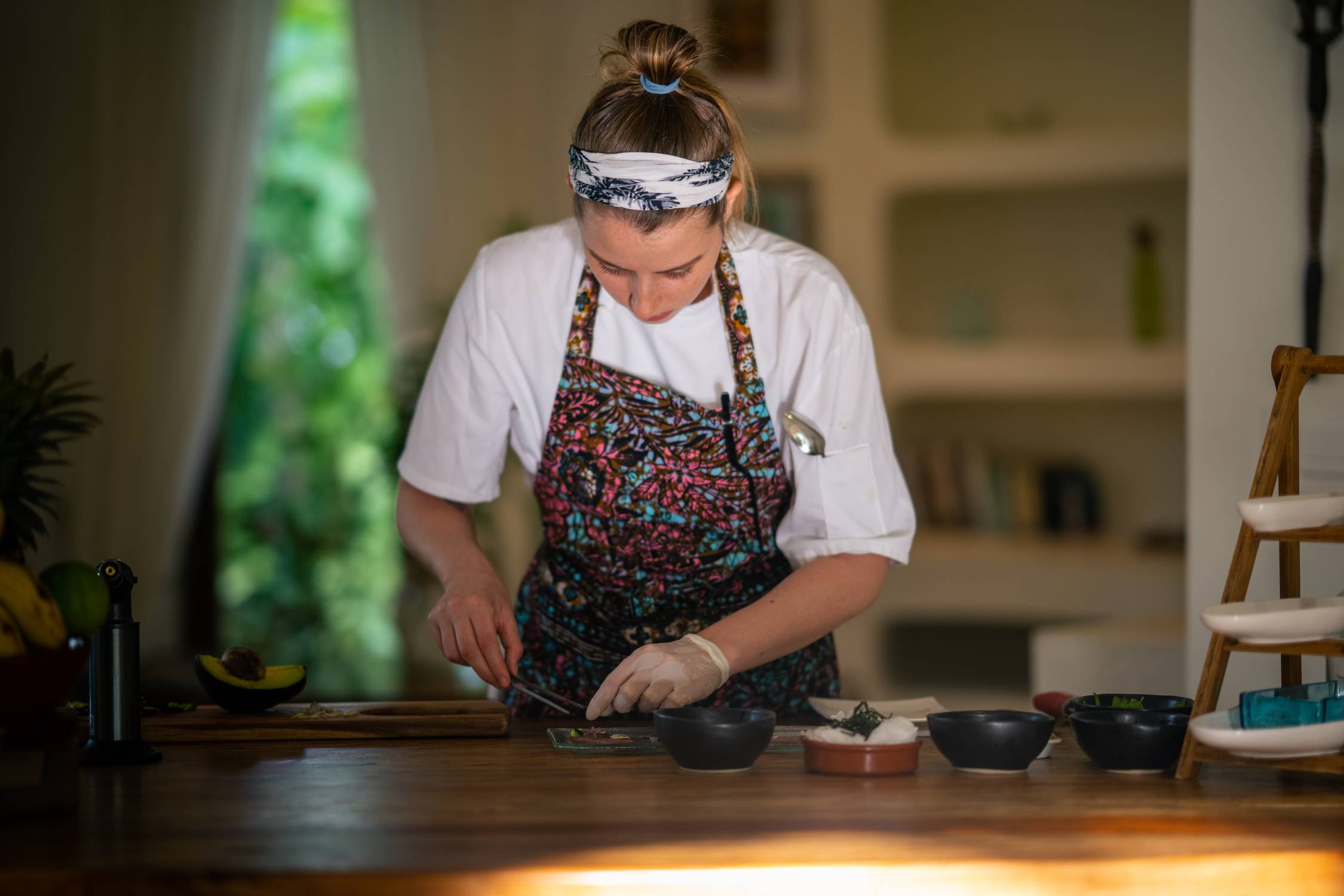
In-villa cooking classes
To find out more about Logan and her work at Xanadu Luxury Villas & Retreat, contact the hotel using the below details:
Xanadu Luxury Villas & Retreat
Michamvi Road
Bwejuu
Tanzania
Web: xanadu-villas.com
Tel: +255 778 507 271
Email: info@xanadu-villas.com
Instagram: @xanadu_villas