


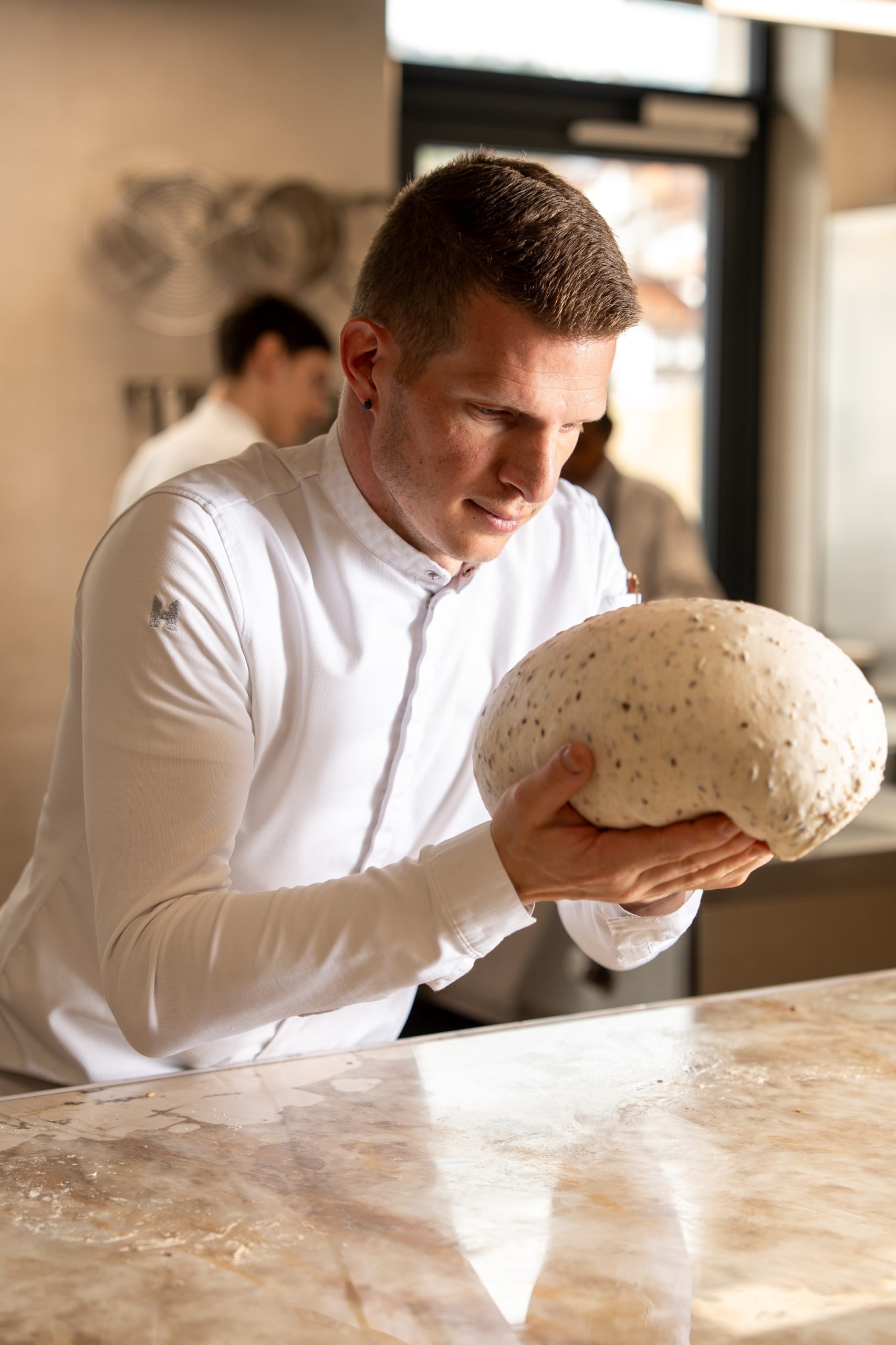
Marco Verginer has a direct way of talking about food, and it mirrors the way he cooks. Ask him what makes a successful dish, and he does not reach for grand theories or culinary jargon. His answer is one word: “Clarity.”
“A dish should be easy to understand when you taste it,” he explains. “It doesn’t need to be complicated to be interesting. If the main ingredient is strong, everything else should support it, not cover it.”
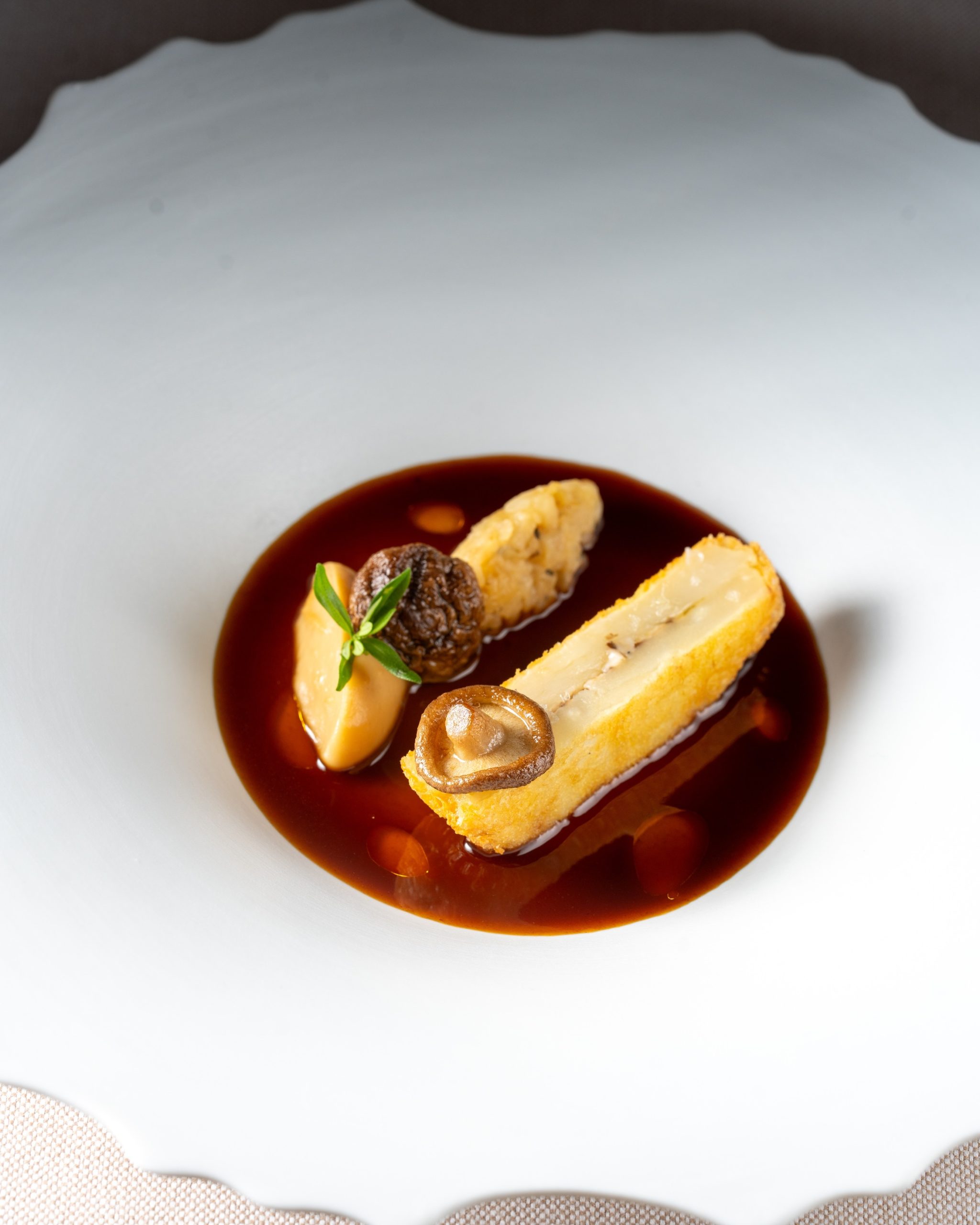
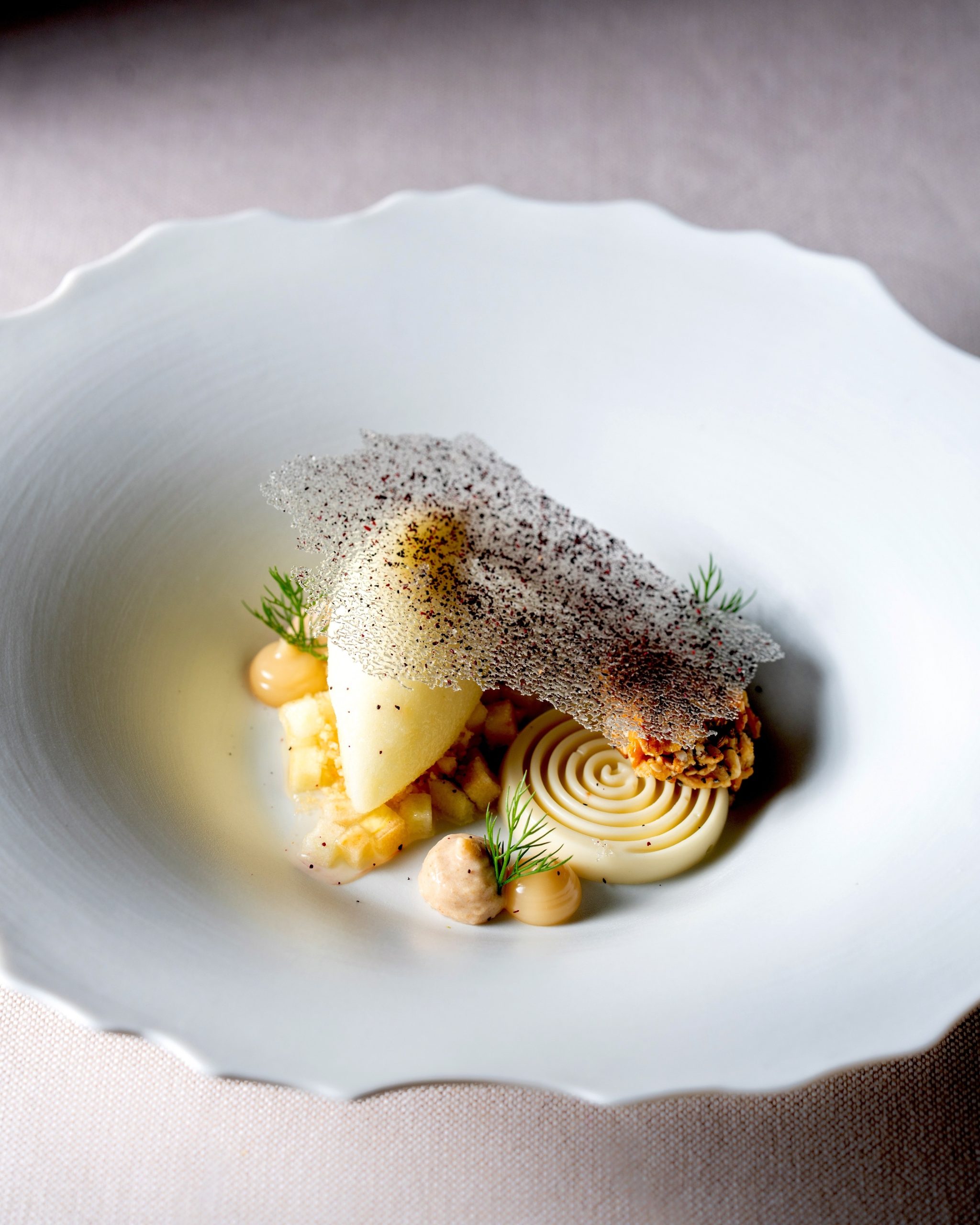
That thought goes a long way towards explaining the cuisine he serves at Ristorante Porcino, his MICHELIN-starred restaurant at Hotel Badia Hill in Alta Badia. Verginer’s plates bring together ingredients from very different landscapes—lobster and spruce, smoked eel and pasta, venison and chocolate—but never at the expense of coherence. However intricate the work in the kitchen may be, the result is intended to make sense on the plate.
It’s a philosophy that owes something to where he comes from. Verginer was born and raised in South Tyrol, a region in northern Italy where the surroundings, language, and food carry both Alpine and Mediterranean influences. Seasonality was not an abstract culinary principle when he was growing up; it was simply part of daily life.
“I was born and raised in South Tyrol, where food has always been closely connected to the seasons and to everyday life,” he says. “Growing up, I was surrounded by local traditions, but also by a region where different cultures and cuisines meet.”
Even with this upbringing, becoming a chef wasn’t something he dreamed of as a child. Instead, as he got older, cooking gradually revealed itself as a profession that suited how he enjoyed working. It combined creativity and continuous learning with something more physical and direct: using his hands to produce something tangible. “The more time I spent in professional kitchens, the more I understood that this was the path I wanted to follow,” he says. “It’s a profession where you see the result immediately. You cook, you serve, and you get feedback directly. That constant loop keeps it interesting.”
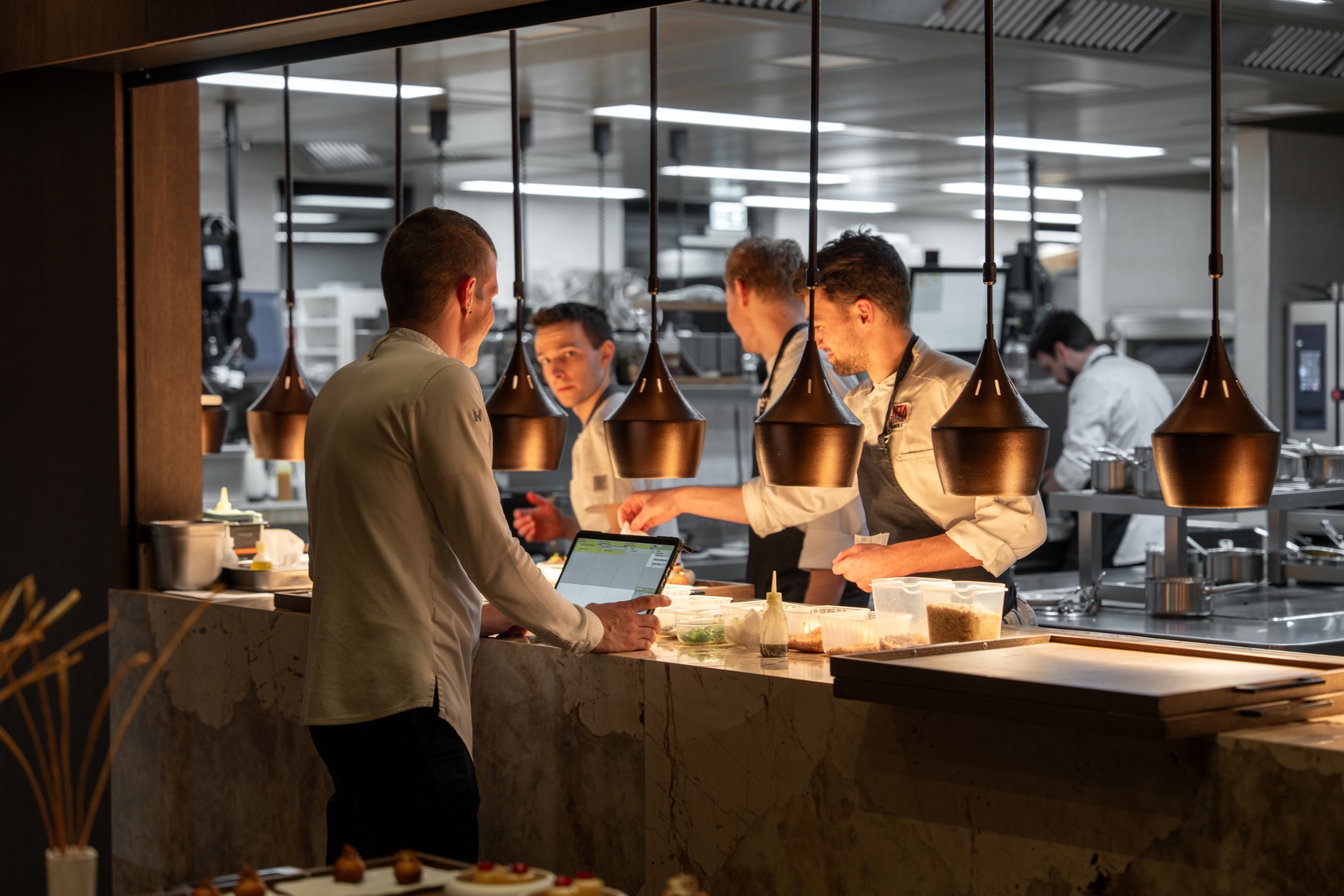
His career took him through kitchens in South Tyrol and further afield, from traditional environments into those with a greater emphasis on technique, structure, discipline, and organisation. “Each step helped me build a clearer idea of what I wanted to do as a chef,” he says. Among the formative experiences was time spent at Hotel Castel with chef Gerhard Wieser, whose kitchen left Verginer with lessons that still guide how he works today. “That’s where I learned consistency, respect for timing, and how important it is to keep standards stable every day, not only when conditions are ideal,” he says of his tenure there.
He learned something else essential in that kitchen, too: that technical skill means very little if the ingredient gets lost in the process. It’s a point Verginer returns to throughout any discussion of his food. Products come first. Technique follows. Respect for high-quality ingredients is non-negotiable.
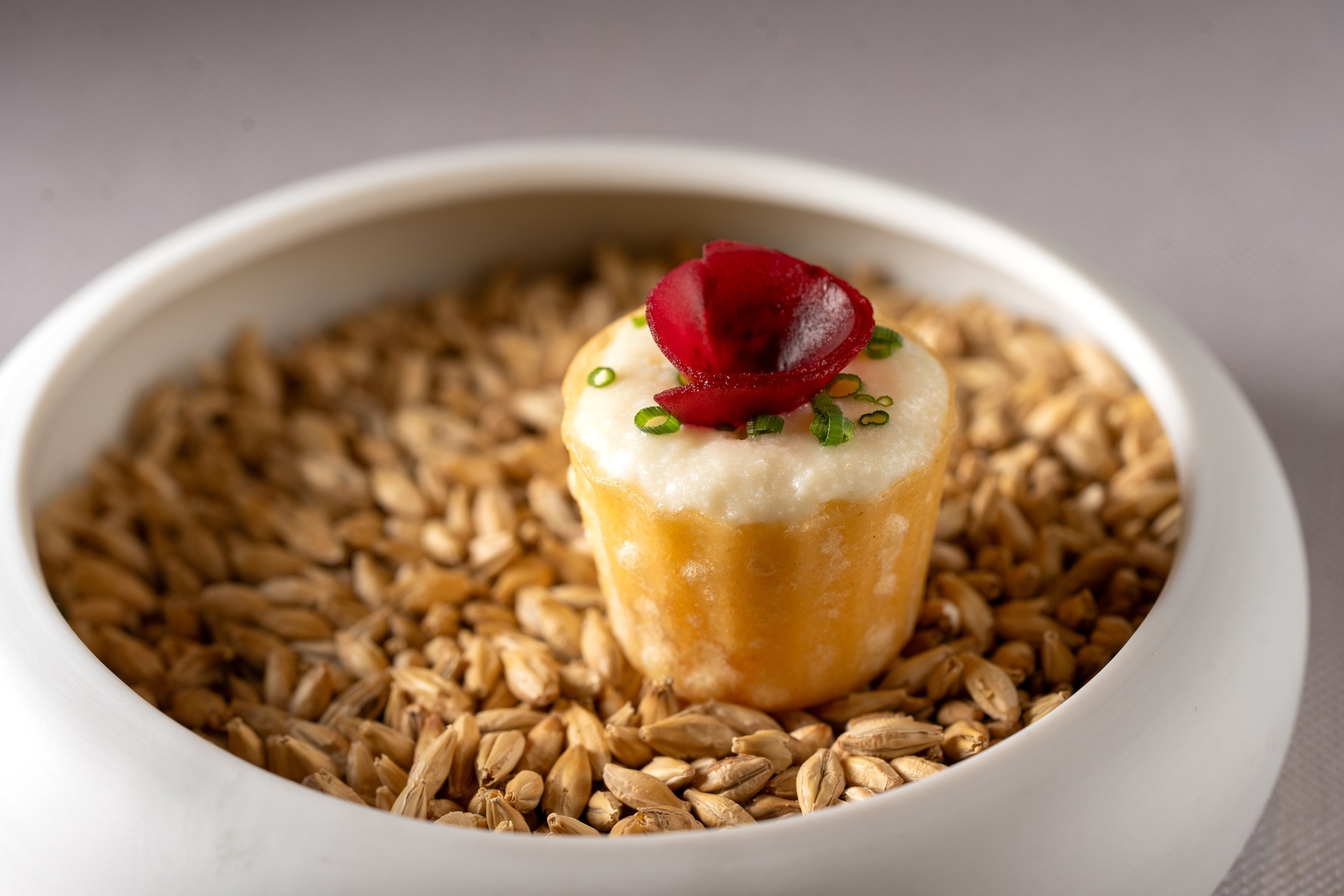
It makes sense, then, that his cooking at Porcino begins less often with an intellectual concept than with whatever has arrived in the kitchen. “It usually starts with a product rather than a fixed idea,” he explains. “If you work closely with ingredients, ideas come quite naturally.” From there, he and his team test combinations, adjust them, and repeat the process until the dish settles into place. Some come together quickly; others take considerably longer. Some don’t make the cut at all. “Creativity is not something forced; it comes from constant work and repetition,” he adds. Inspiration stems from ingredients, the season, conversations with producers, and the people working alongside him.
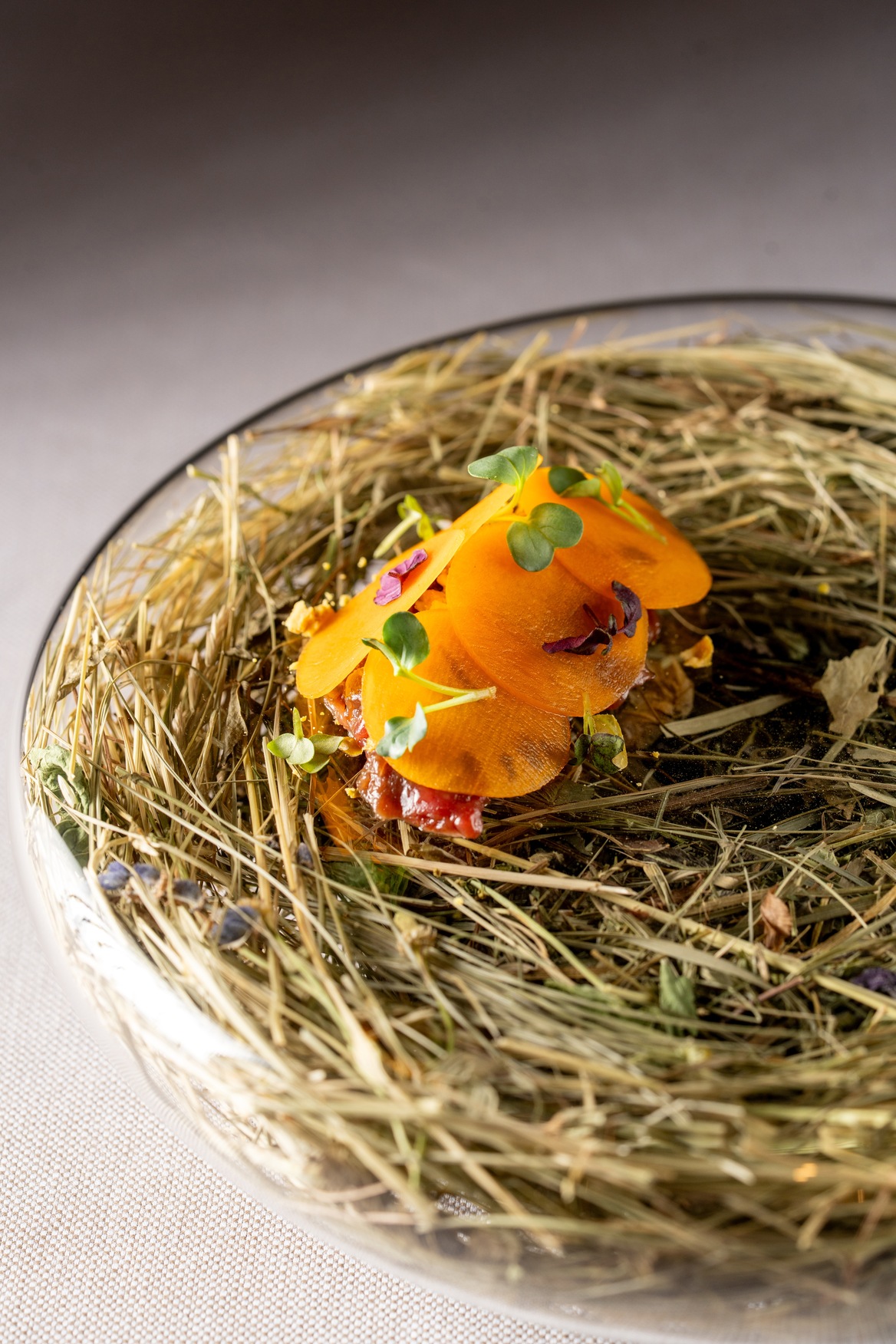
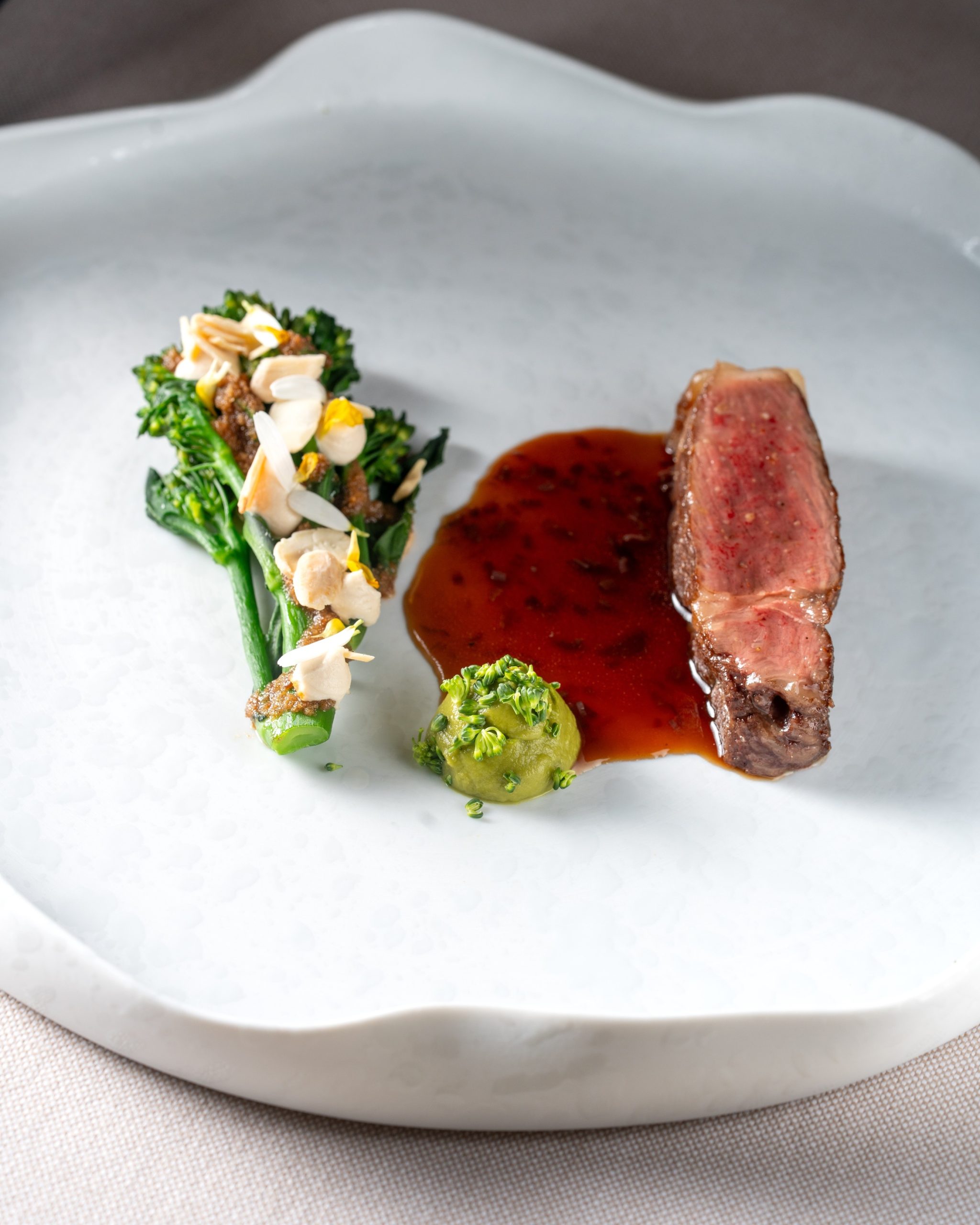
“My approach is quite simple: focus on the product and keep the dish clear. I don’t like unnecessary complexity. We work mainly with seasonal ingredients from the region, combined with selected products from the sea. The idea is not to mix everything but to create combinations that make sense and stay readable on the plate,” he explains.
At Porcino, this philosophy has developed into two broad principles threaded throughout the menu: “Dolomites to Sea” and “Nose to Tail”. “The starting point was the location in the Dolomites, but I didn’t want the cuisine to be limited to a purely regional perspective,” he explains. “The idea of ‘Dolomites to Sea’ came from combining local Alpine ingredients with carefully selected seafood, to create contrast and balance on the plate.
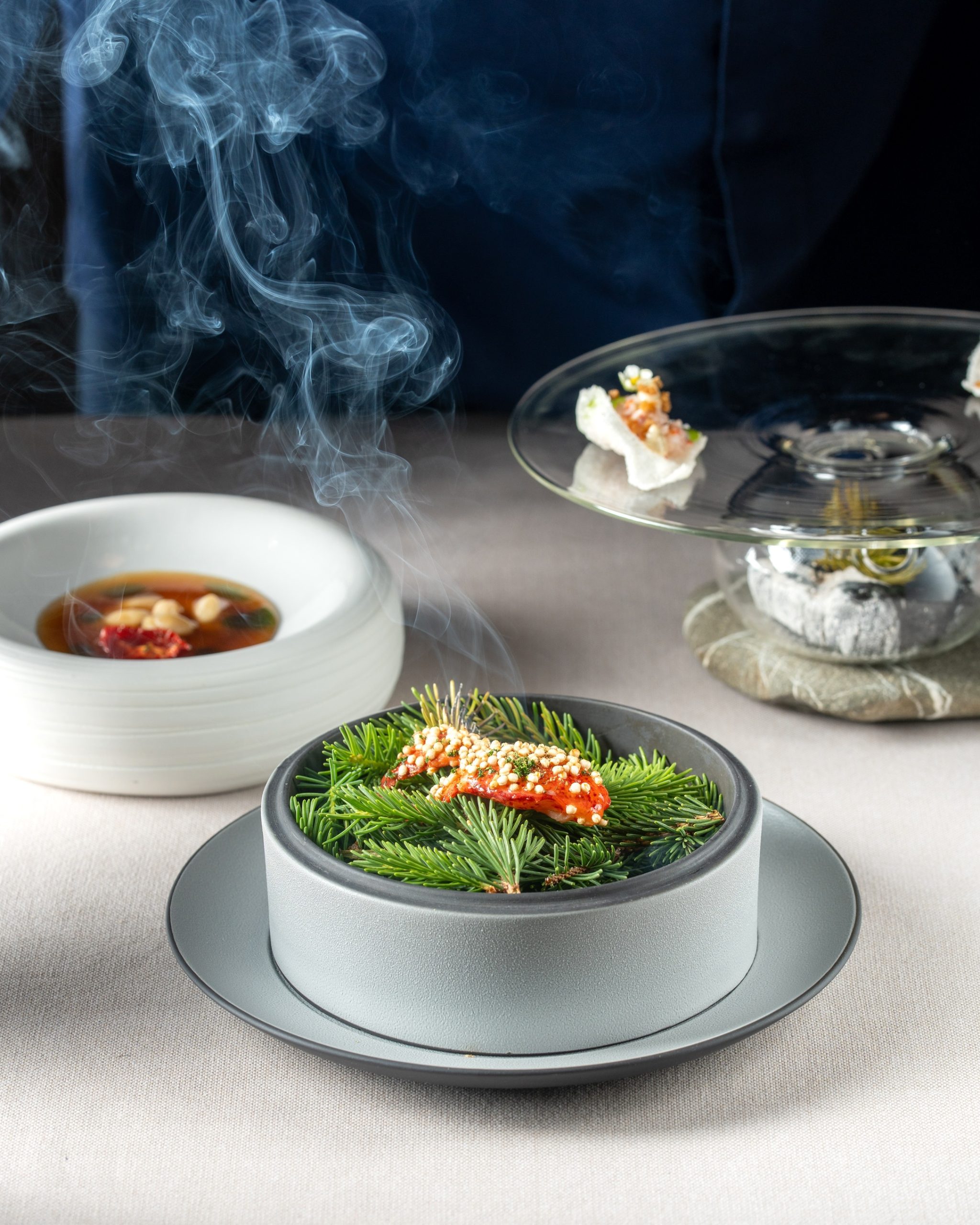
One dish, in particular, sums up the idea. Lobster is paired with unmistakably Alpine flavours: smoke, mountain herbs, spruce, or locally grown vegetables. The shellfish’s natural sweetness and richness meet something sharper and more aromatic from the mountains. It’s less a collision of two culinary worlds than a conversation between them. “What makes it special is the contrast,” he says. “It reflects exactly how we like to cook at Porcino.”
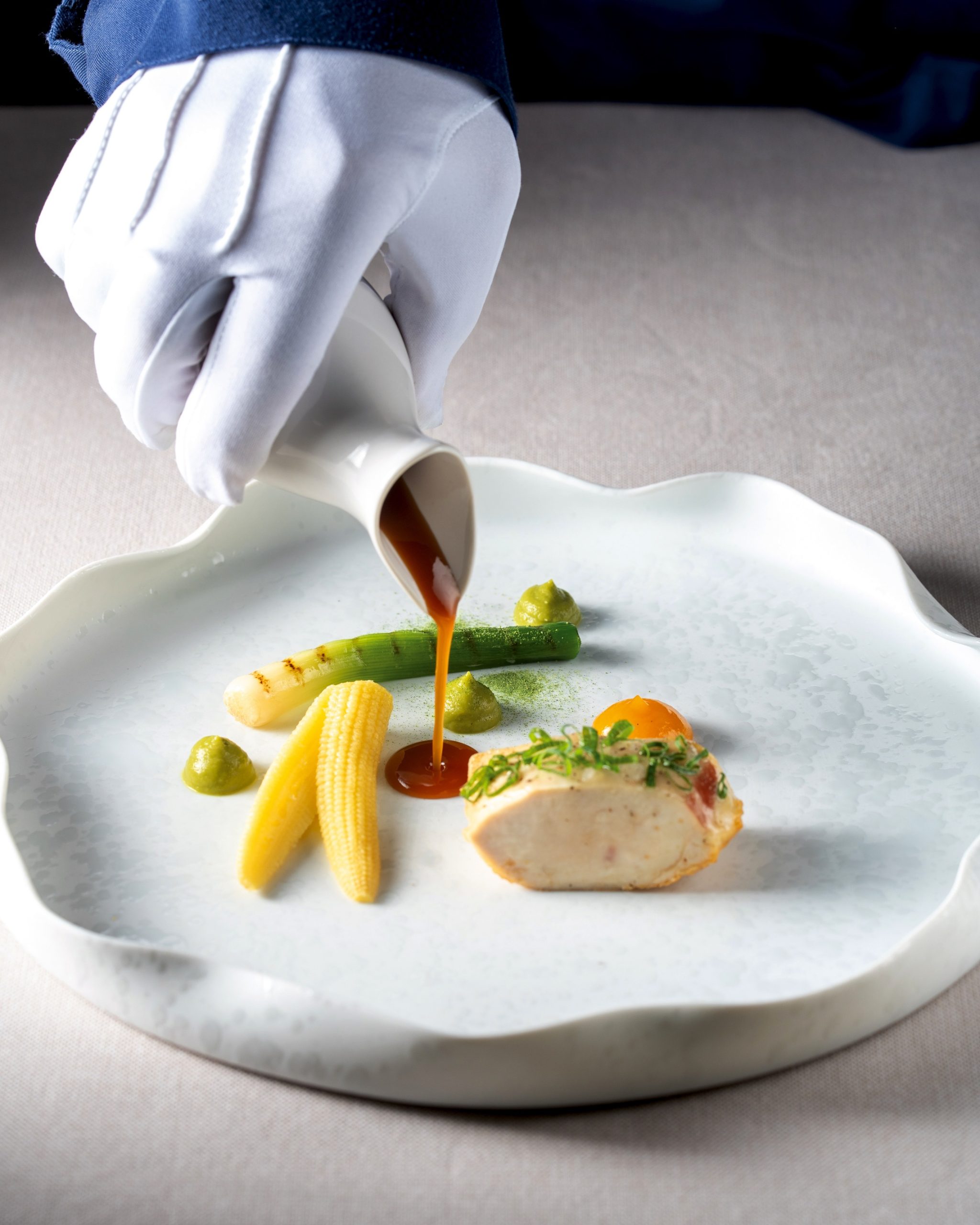
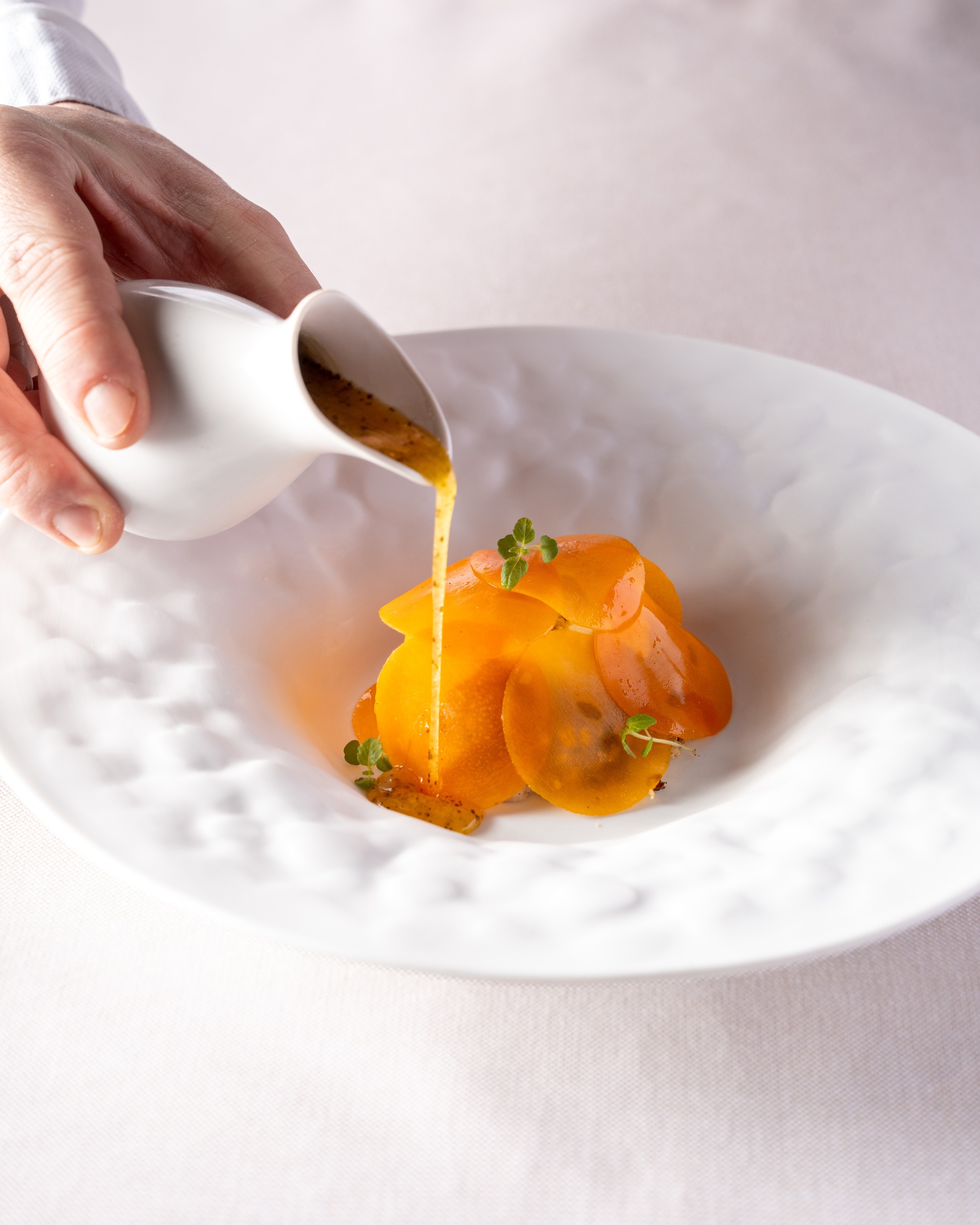
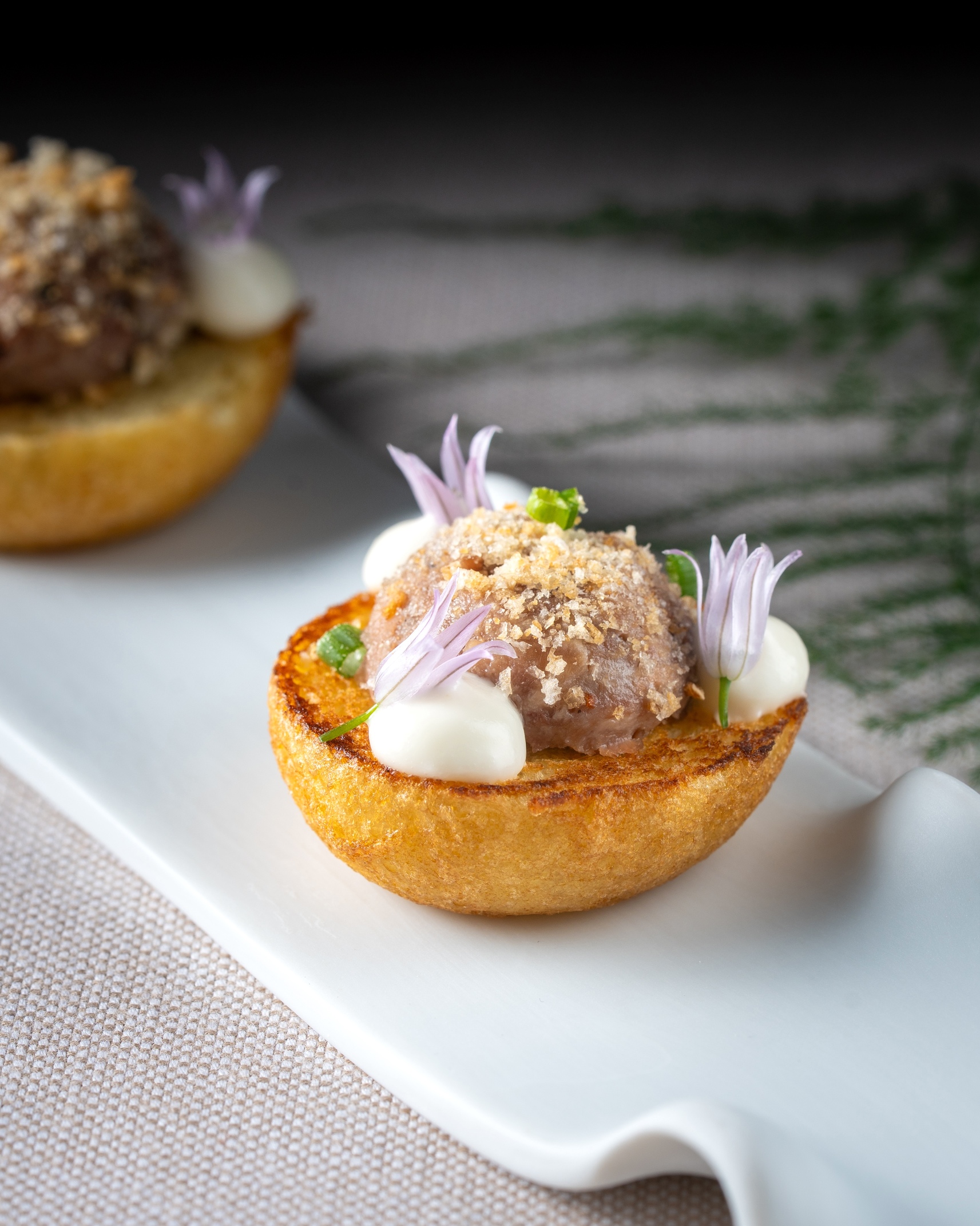
The “Nose to Tail” side of the kitchen follows the same reverence for ingredients from another direction. Verginer and his team try to use as much of a product as is possible, especially when it comes to meat, both to reduce waste and to give proper value to what they bring in. On the current tasting menu, black chicken appears in several preparations rather than being reduced to a single prime cut. It’s an approach rooted as much in common sense as sustainability.
What’s more, most of the products used in Verginer’s kitchen are sourced from close to home. “We work mainly with producers from South Tyrol and nearby regions,” says the chef. “For dairy, we collaborate with local farmers such as Chi Prá, especially for butter and cheese. Game comes from the local area, while beef includes Wagyu from South Tyrol. We source fruit and vegetables seasonally from trusted regional producers.” For items that need to be brought in from farther afield, including seafood, the restaurant chooses suppliers valued for quality and consistency. “What matters most is reliability and respect for the product. We prefer to work with people who understand what we are trying to do in the kitchen,” says the chef.
Products always lead the restaurant’s culinary direction, keeping the dishes focused and clear with simple execution, but for Verginer, spring and autumn are the most interesting times to cook. Autumn brings richer, more intense flavours, while spring feels fresher and brighter, with some of his favourite ingredients at their best, such as asparagus, peas, young salads, and rhubarb. Every time of year has its own treasures.
The tasting menu changes accordingly, but it always follows the same sequence: an amuse-bouche whets the appetite before the menu moves through more structured savoury plates towards lighter desserts. There is sophistication here, but Verginer doesn’t want dining at Porcino to feel pretentious. The aim is “relaxed but precise” service that’s not “overly formal”—an important distinction. “The goal is that guests feel comfortable but also that they notice the level of attention behind the experience,” adds the chef.
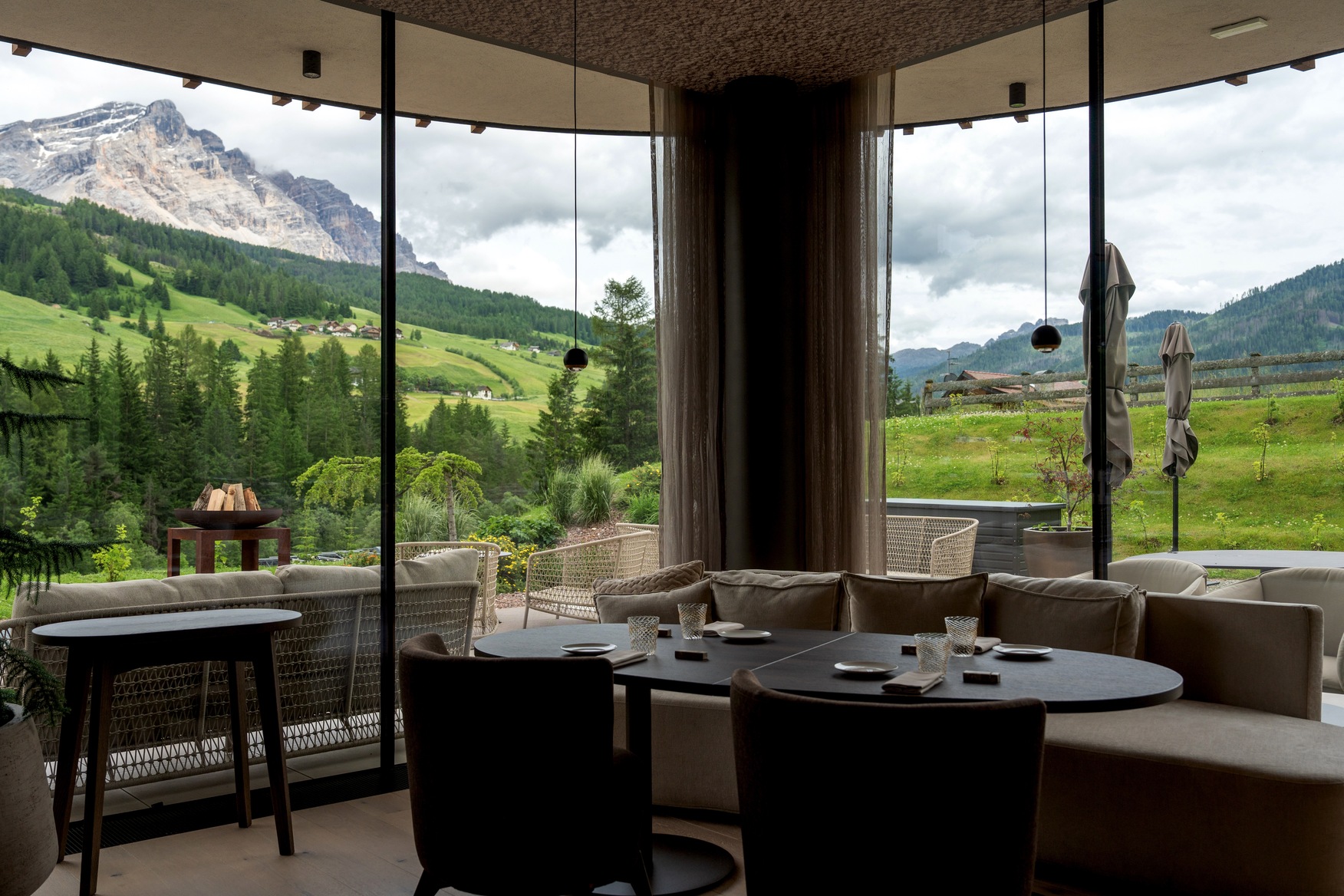
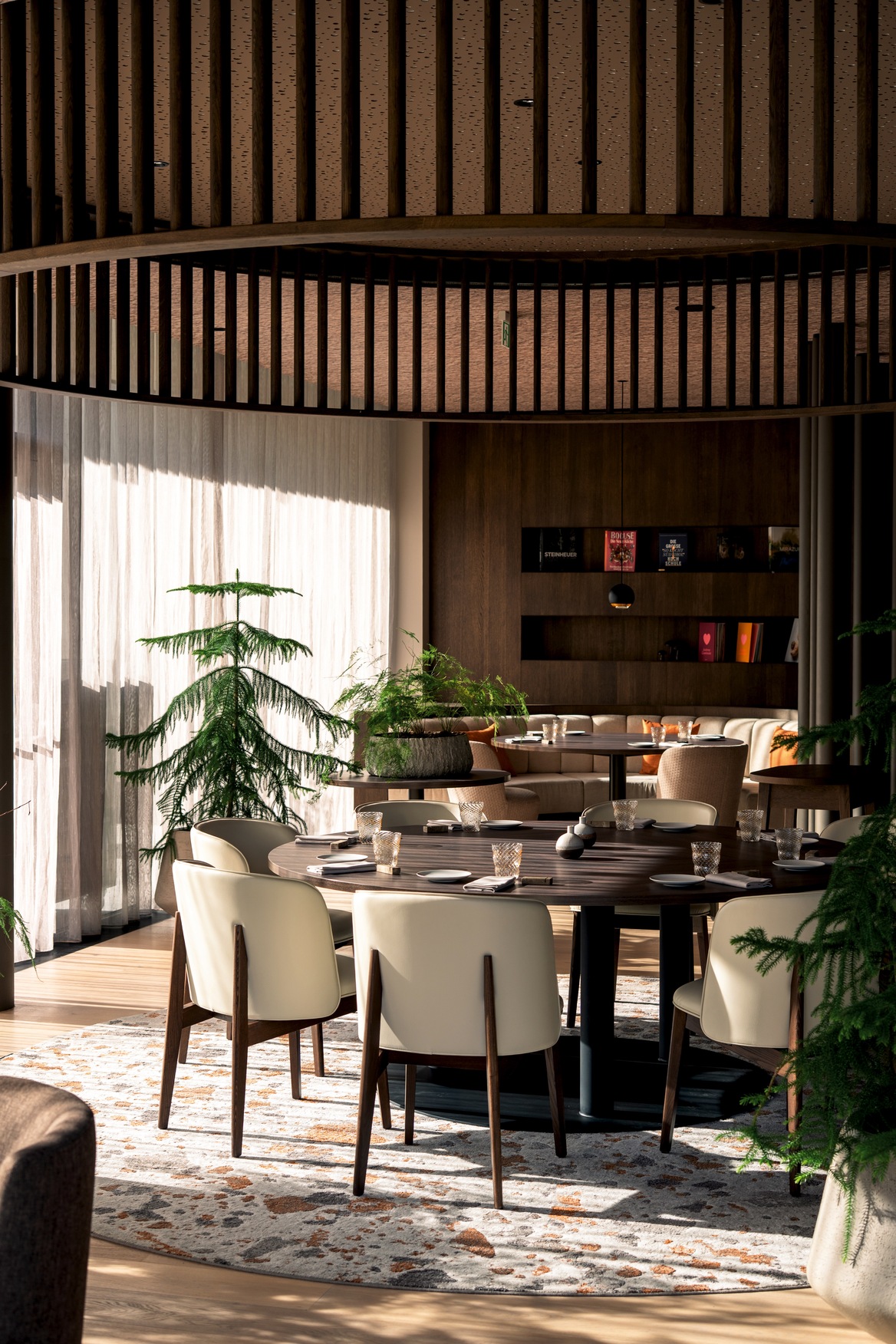
That thinking carries into the dining room’s aesthetic, too. With the Dolomites’ jagged peaks rising right outside the windows, the interiors are kept calm and understated, and the tableware is chosen to work with what’s on the plate, rather than draw attention away from it. “Everything is designed to support the food, not compete with it,” emphasises Verginer. “Food was the starting point of the project. The idea was always to build a place where gastronomy is central, not an addition. The hotel, the restaurant, and the guest experience are all designed around that.”
It helps explain the unusual character of Badia Hill, which Verginer co-owns with Michaela Mair. The 33-room boutique hotel has three separate restaurant concepts, so good food is available at every hour rather than being reserved solely for dinner. Breakfast includes freshly baked goods from the hotel’s pastry chef, alongside pancakes, crêpes, and eggs cooked to order, while Bistro Badia Hill spotlights local, authentic flavours in a laid-back setting, with dishes ranging from salt-crusted fish and bison ribs to truffle-topped fries. Porcino wears the fine-dining crown, but all three belong to the same wider project.
Mair is particularly important to what happens at Porcino. A trained sommelier, she oversees a cellar of more than 800 labels spanning South Tyrol, Italy, and France, and works closely with Verginer to find the perfect pairing while dishes are still in the conception phase, rather than selecting wines for a finished menu.
“Wine and food are developed in parallel, not separately,” he explains. “Michaela is involved early in the process, and we often adjust dishes based on tastings and pairings. It’s a constant exchange rather than a final step.”
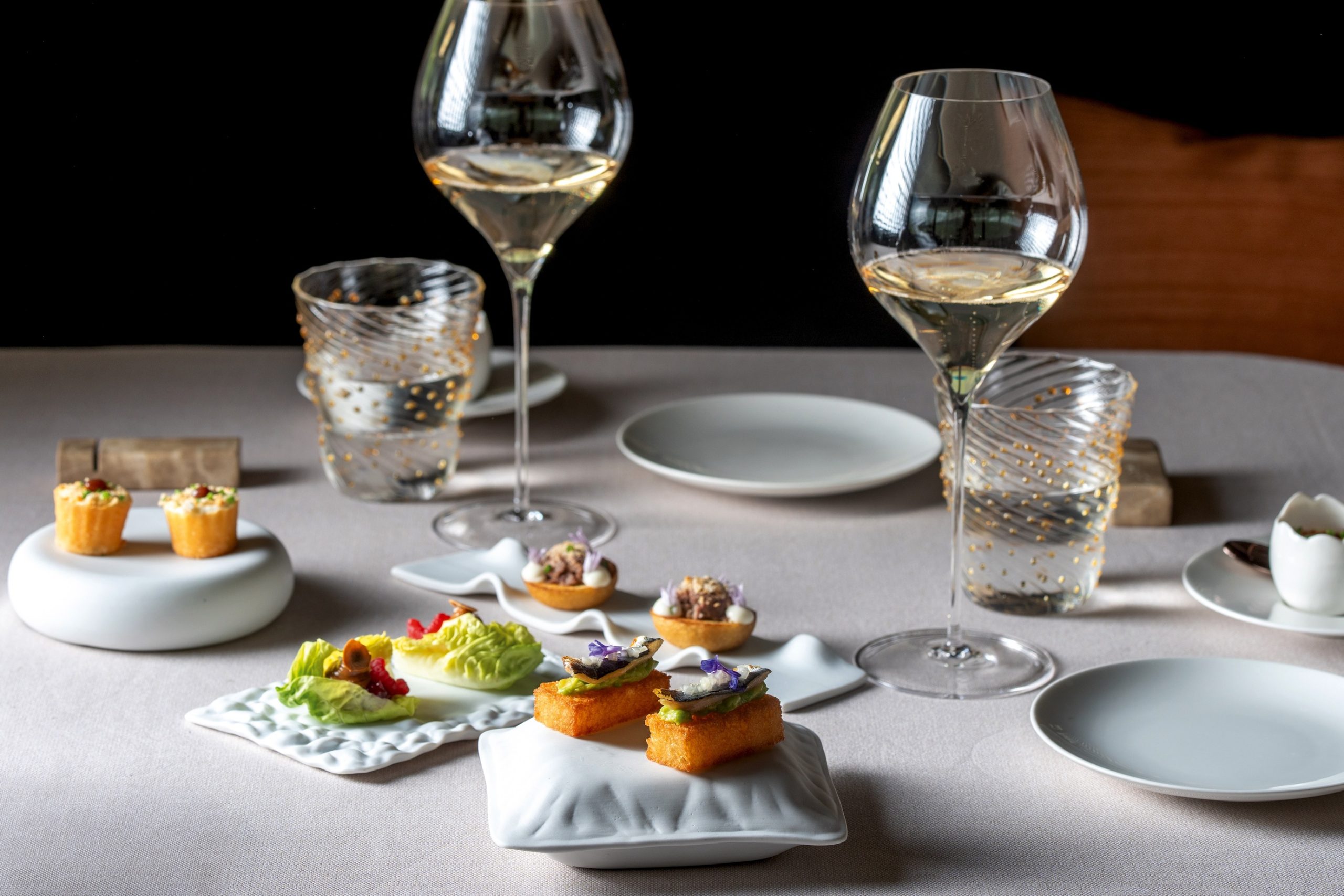
This need to think on your feet, adapt, and be resourceful is exactly what Verginer loves about being a chef. “No two days are the same,” he says. “Products change, guests change, and you always have to adjust.” The key to success is maintaining the same level of quality throughout the process—and his team’s ability to do so has earned the restaurant its coveted MICHELIN star.
“Recognition is always nice, but what matters more is consistency and the trust of guests over time. That is the most meaningful feedback,” he says. “We were also awarded a MICHELIN star last winter, which was a nice recognition for the whole team, but the focus remains on maintaining standards every day rather than on awards.”
The same holds true for his plans for the future. There is no promised reinvention of Porcino or dramatic change of direction. Verginer’s ambitions for 2027 are more measured: improve the menu, strengthen relationships with producers, and keep developing Badia Hill as a gastronomic whole. “Focus on refinement rather than big changes,” is how he puts it. There may be a star above the door now, but the central idea remains much simpler. As Verginer says, “Good ingredients don’t need to be overworked.” Neither, evidently, does a good restaurant
To find out more about Ristorante Porcino and Hotel Badia Hill, visit the links below…
Hotel Badia Hill
Str. Damez, 2A
39036 Badia
Bolzano, Italy
Web: badiahill.com
Tel: +39 04711808060
Email: info@badiahill.com
Instagram: @badiahill