


A Life Less Landlocked with Lürssen
With their impressive sense of scale and spectacle, Lürssen’s yachts are undeniable feats of engineering, but beyond technical brilliance, their greatest strength lies in making life at sea feel limitless.
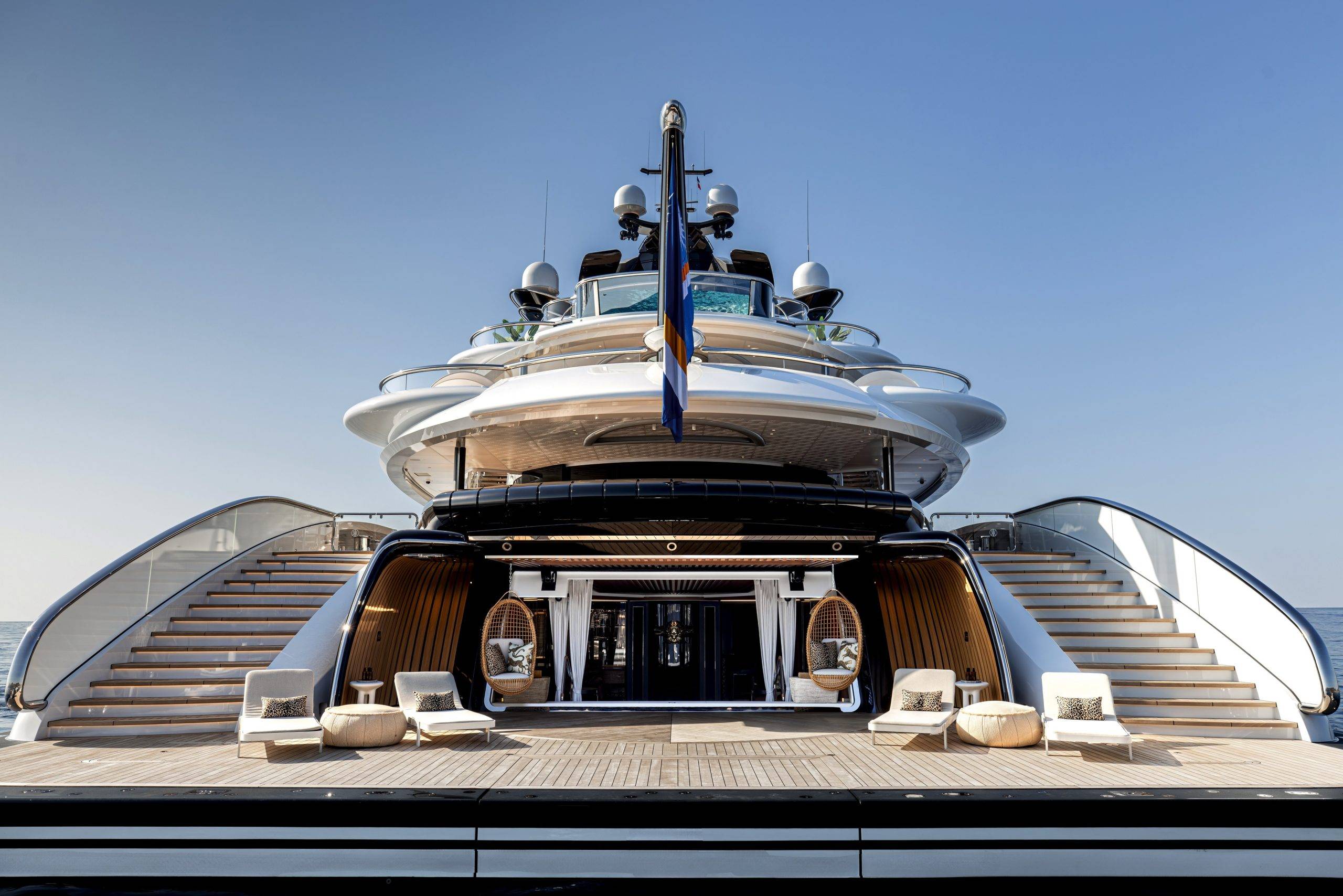
“Kismet’s” spacious aft deck © BlueiProd
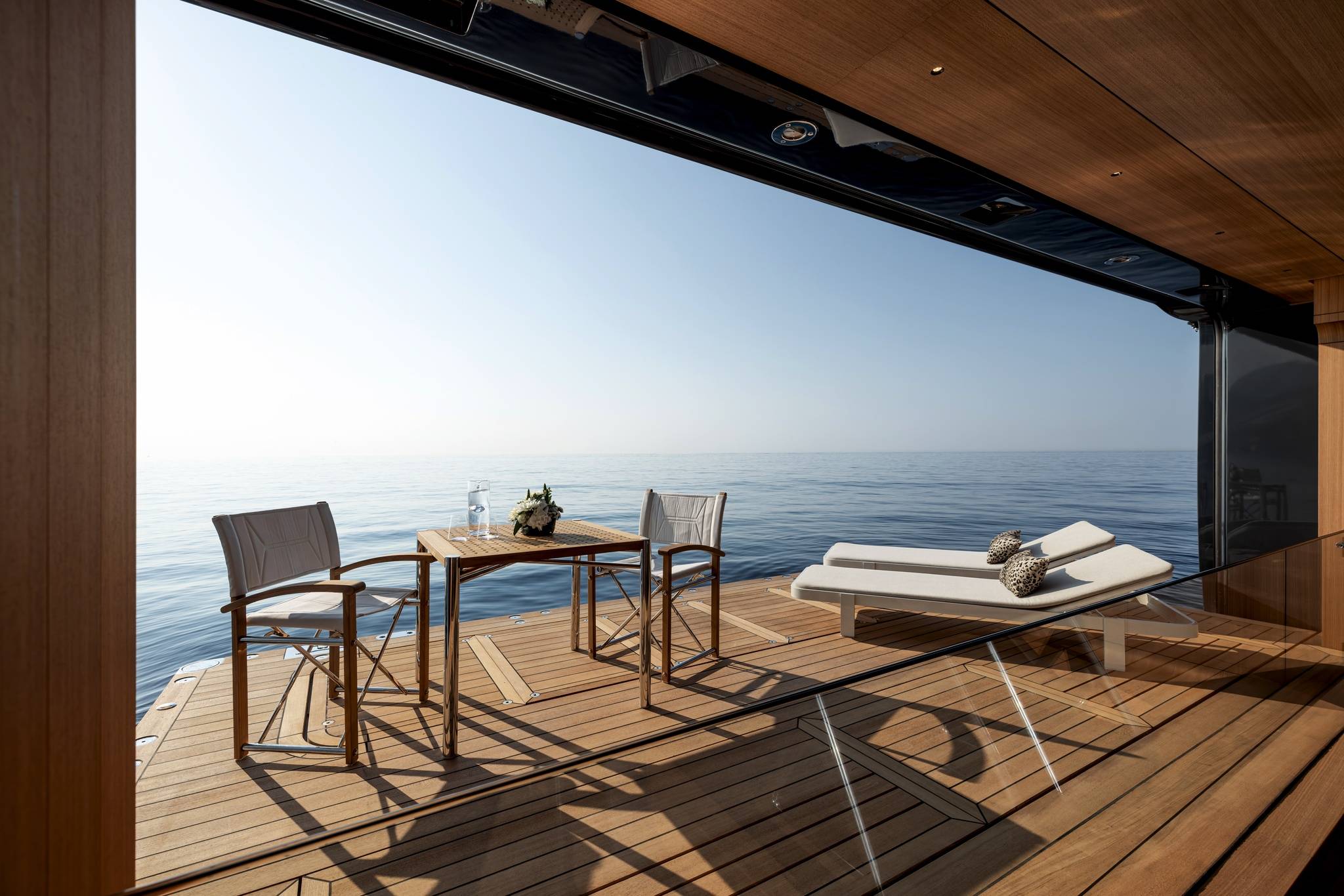
“Kismet’s” multipurpose sea terrace © BlueiProd
Modern travel is very good at getting us somewhere. After all, that’s what we have spent decades perfecting. Flights are faster, connections are easier, and almost anywhere worth going can now be reached within a day or so. What has suffered along the way is the joy of the journey itself. There are still exceptions, however. Certain modes of transport haven’t yet lost their charm: a long train ride through unfamiliar countryside, a quick but picturesque helicopter ride to a remote location, or a leisurely drive down a road with no particular end in mind. And then there’s the endless adventure that sailing the seas promises, inviting exploration through uncharted territories and infinite horizons.
As you lift the anchor and slip beyond the harbour walls, travel begins to play by a different rulebook when you set sail. With the city shrinking astern, phone reception becomes less interesting, schedules less pressing, and footwear increasingly optional. There is no departure board waiting at the other end, no fixed point you have to reach or time schedule to abide by. If a place earns another day, you stay. If not, you keep moving. For those lucky enough to travel this way, that independence is part of the magic.
Businessman and sports magnate Shahid Khan, who has owned three yachts built by Lürssen, knows this feeling all too well. “Yachting is an expression of freedom and adventure that cannot be equalled,” he says. “Anything is possible, whether it’s a beautiful journey with loved ones or a celebration with hundreds of friends, old and new.” His latest yacht, Kismet, was created with that breadth of experience in mind.
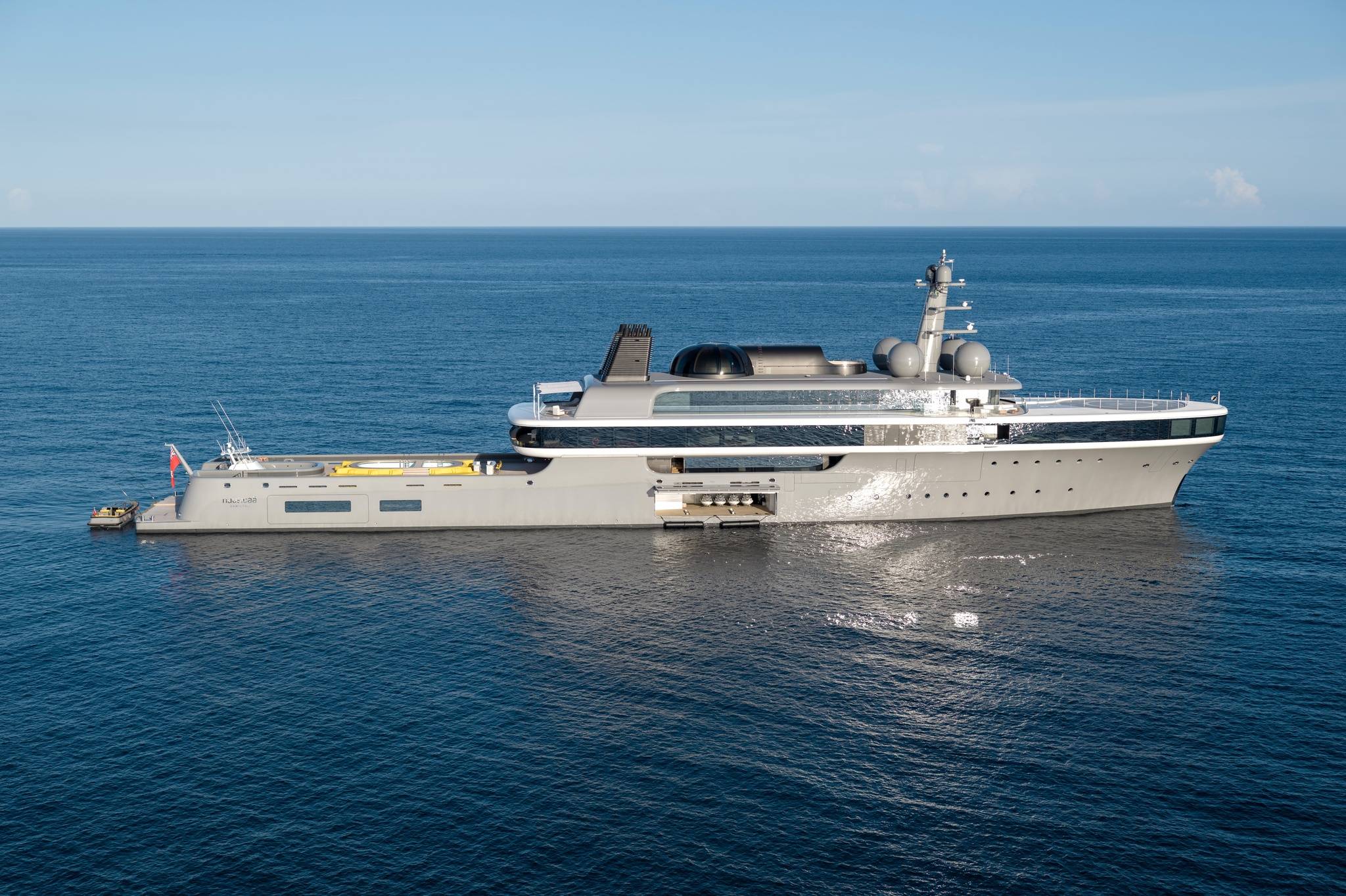
Above & featured images: “Kismet”, a custom Lürssen yacht built for Shahid Khan © Jarmo Pohjaniemi
At 122 metres, Kismet is not exactly discreet, yet discretion is one of the things she offers best. When Khan’s Jacksonville Jaguars are in London, the yacht has been known to take up position on the Thames, serving as a private base around the team’s Wembley fixtures. Beyond the gangway, London carries on at full tilt. Step back on board, and the world belongs entirely to Khan and his guests.
It’s the perfect example of just how many roles a yacht can play. One week, it’s a family’s home on the water; the next, a grand entertainment venue. It can offer a complete escape or bring a crowd together, its purpose shifting according to the needs of those on board. For Lürssen, accommodating such different ideas of life at sea is hardly new territory—this is something the family-owned German shipyard has understood for well over a century.
In fact, Lürssen has been involved in powered leisure craft since almost its inception. In 1886, the company worked with Gottlieb Daimler to fit one of his combustion engines into a six-metre wooden hull, creating what is widely regarded as the world’s first motorboat. There is something extraordinary about the scale of that first experiment when viewed alongside the yachts the company produces today. Six metres has become 70 metres or more, and a small engine in a wooden boat has given way to projects whose construction involves thousands of people, decisions, and calculations.
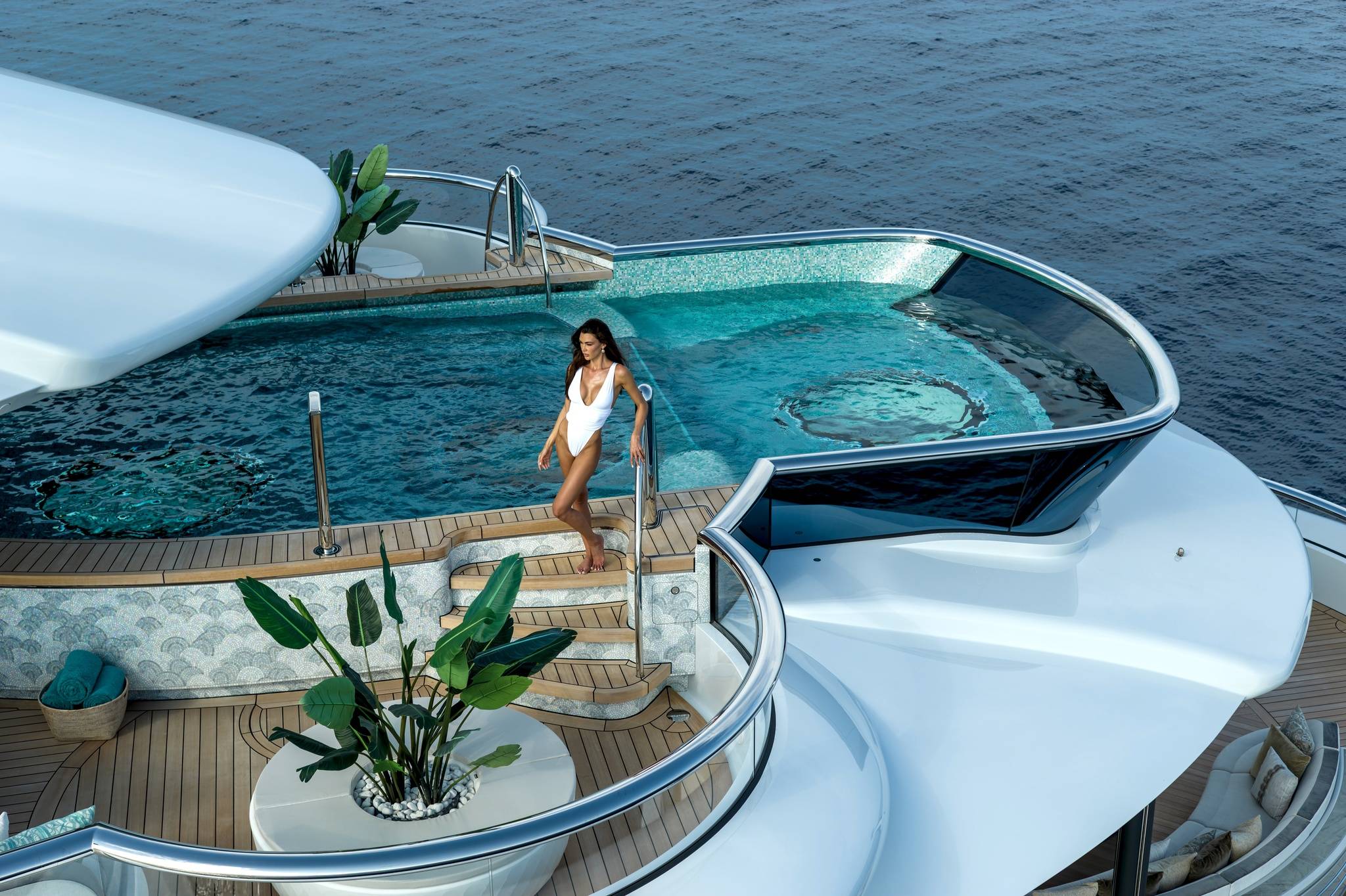
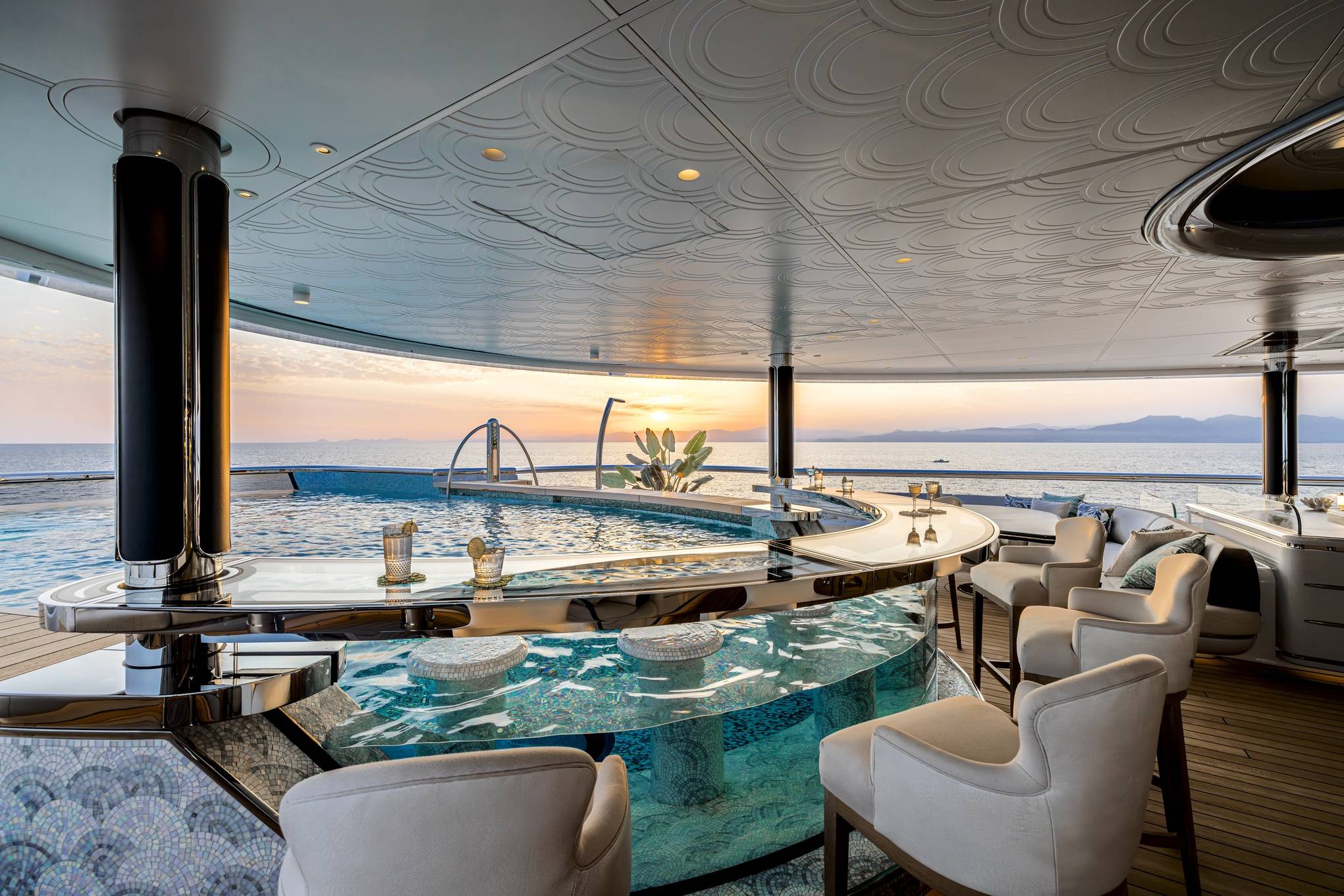
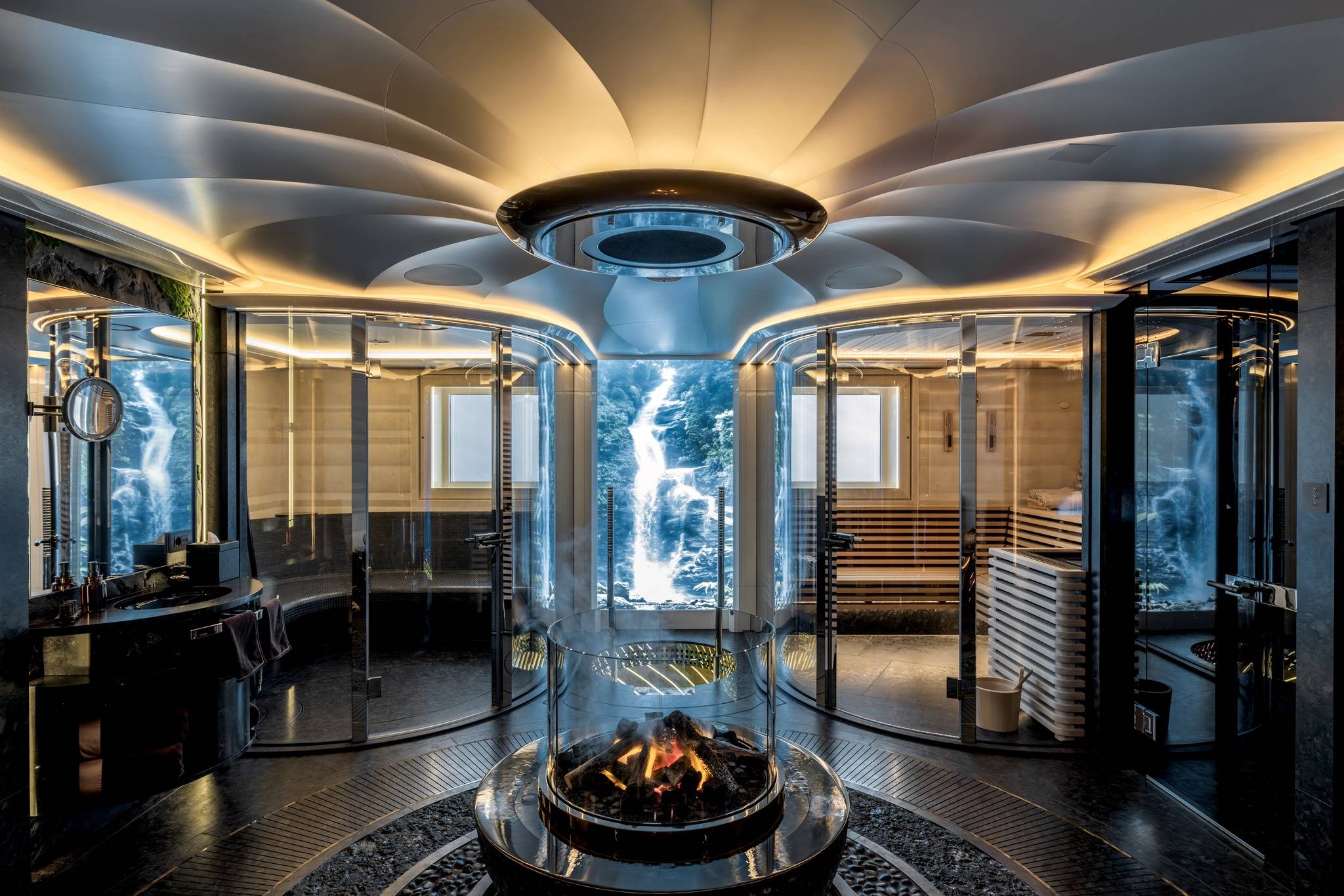
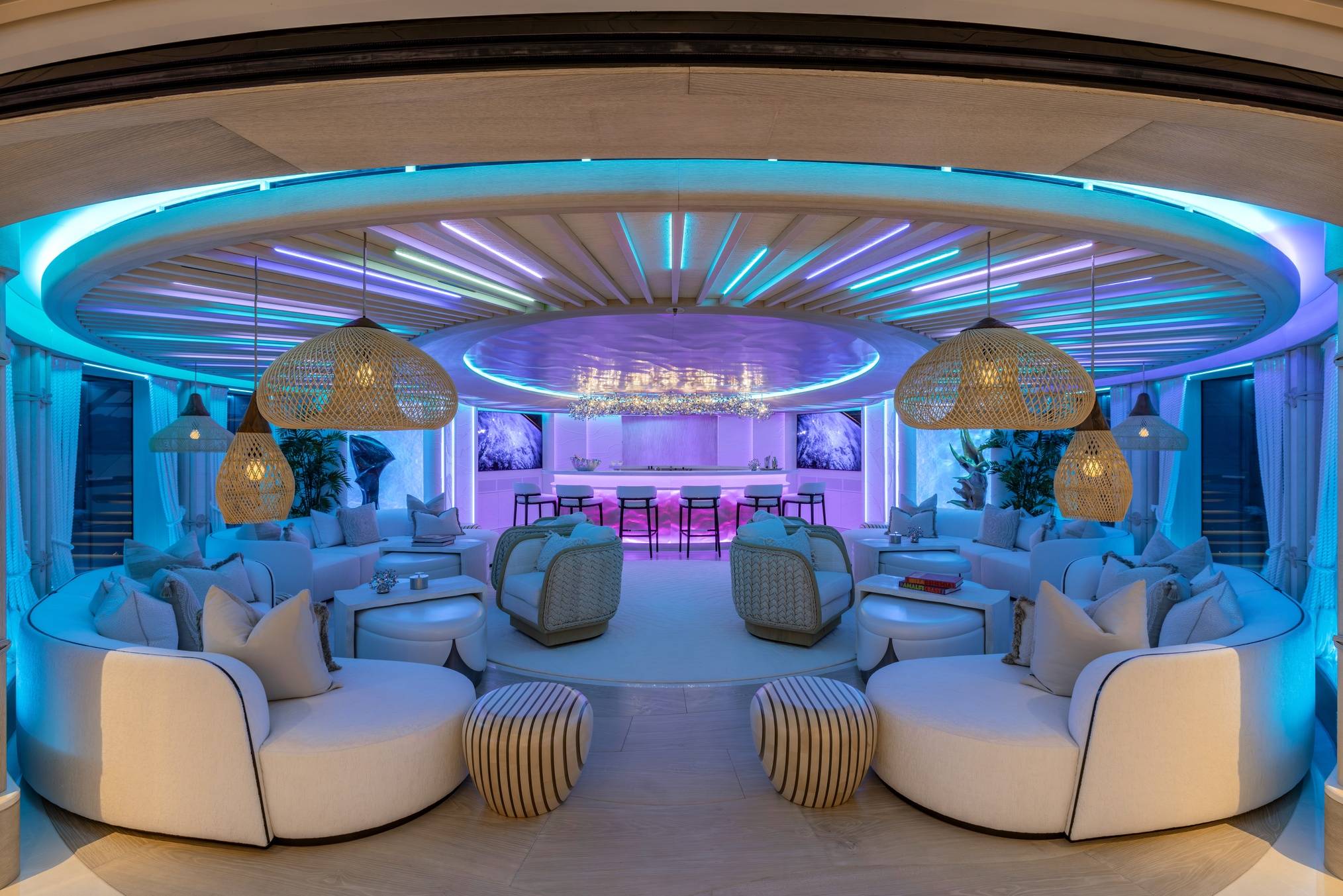
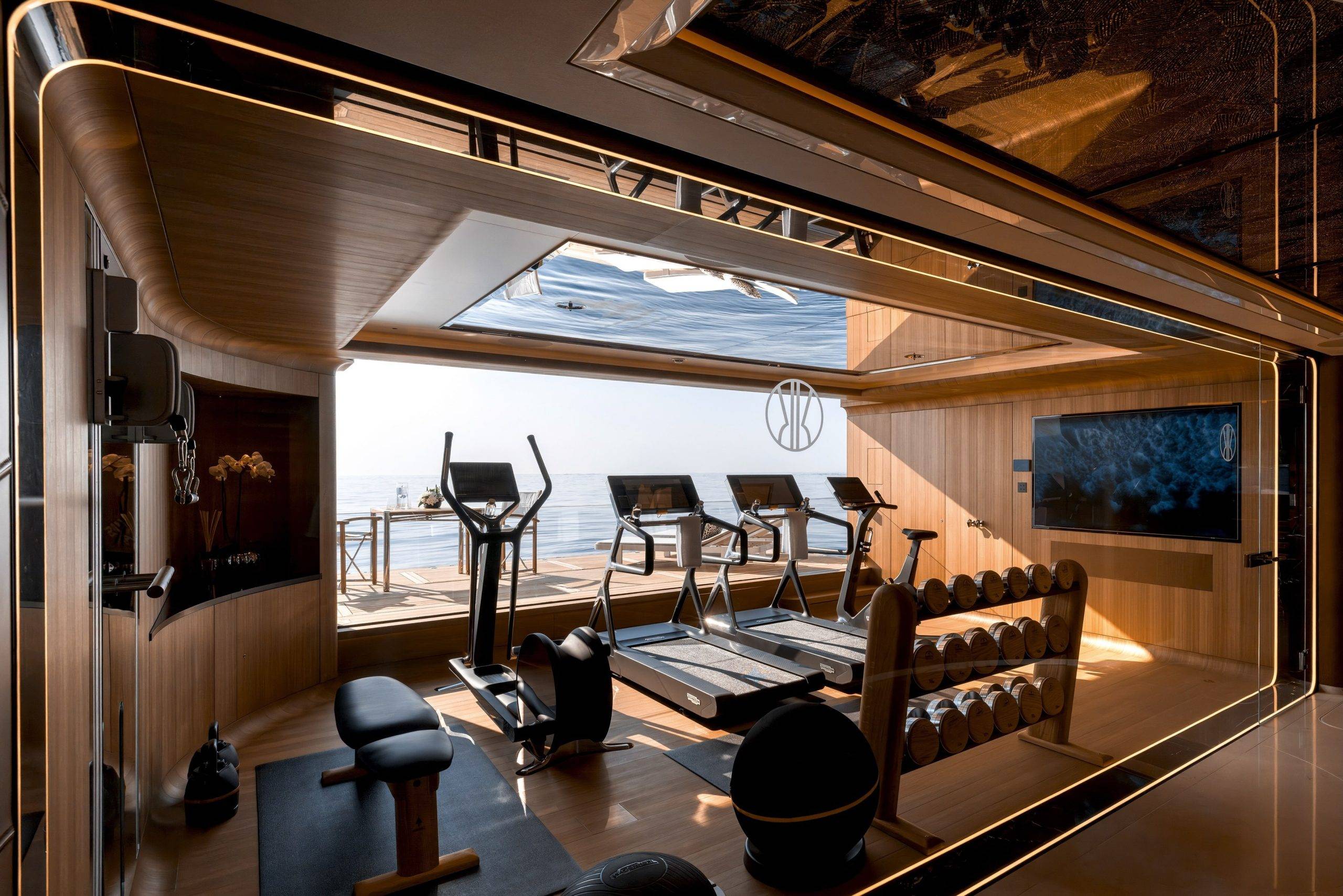
“Kismet” features a built-in pool bar, a fully kitted spa, gym and various relaxation areas © BlueiProd
The fundamental motivation, however, has remained unchanged. Someone asks whether something can be done, and Lürssen sets about finding a way. That process is perhaps the more interesting side of custom yacht building. The finished boats are easy to admire. They arrive in Monaco or St. Barths with deceptive ease, as though someone simply drew it and, a few years later, there it appeared. What remains hidden from view is everything that had to be designed, created, and solved in between.
An owner might describe an architectural idea, a particular way they want to entertain, a piece of technology they want incorporated, or simply a feeling they want the yacht to have. None of this comes with an instruction manual. The job is to take those thoughts, however vague or ambitious, and turn them into something that can spend weeks crossing an ocean without complication.
With Lürssen, every yacht therefore begins on its own terms. There is no house model to personalise with a different wood veneer and predefined sofa arrangement. The owner’s life feeds into the design from the beginning: how many people tend to travel together, where they want to go, how private the private spaces should be, and how they imagine spending an ordinary Tuesday afternoon on board. Sometimes the answers lead somewhere entirely different.
The 114.2-metre “Nausicaä” features an impressive Skydome © Jarmo Pohjaniemi
The 114.2-metre Nausicaä, delivered in 2026 and designed by Marc Newson, is a case in point. Among her most unusual features is a Skydome formed from seven huge panes of curved glass. Shaping them required heat, gravity, and far more patience than the finished result suggests. The glass was allowed to sag over moulds under carefully controlled conditions until the required compound curves emerged. The reward sits beneath it: a 56-square-metre office drenched in daylight and seaside panoramas. On paper, it sounds almost too simple: a glass roof, a room with a view. But that is often the mark of exceptional engineering—making something complex seem straightforward. Once the difficult part has been done properly, it tends to look as though it was never a challenge at all.
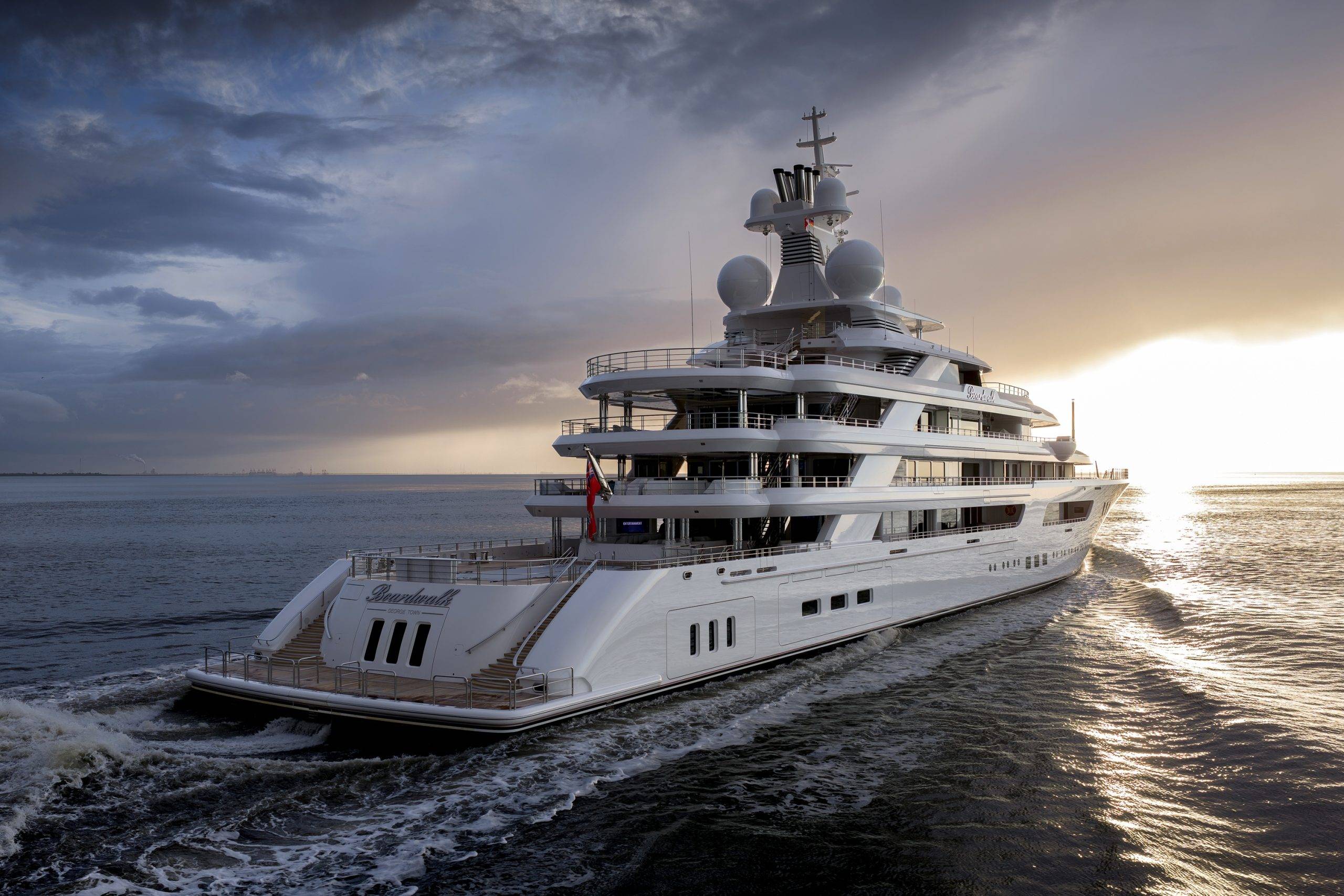
However, not every new yacht needs to make such a grand entrance to be impressive. Boardwalk, a 117-metre Lürssen also delivered in 2026, comes from a more traditional school of thought. Its innovation lies partly in refinement: taking ideas that have already proved themselves and working through them again, at greater scale and with greater precision. That matters because novelty has never been the only measure of a good yacht. Spend enough time looking at superyachts, and it is easy to become distracted by the spectacular bits—infinity pools, dazzling beach clubs, vast pieces of glass, private cinemas, and decks large enough to lose somebody on.
“Boardwalk”, a 117-metre yacht delivered by Lürssen in 2026 © Ruben Griffioen
Owners generally adopt a longer-term perspective: the yacht needs to work well, with as little input as is possible. It must be quiet when it ought to be quiet, comfortable when the weather turns unpleasant, and dependable when it’s thousands of miles away from the shipyard that built it. The air conditioning nobody notices, the machinery that keeps running, and the systems that make a vessel this sophisticated feel effortless are not particularly glamorous subjects. They are, however, the reason people can happily spend months aboard one.
After nearly three decades of yachting, Khan is somewhat of an expert on the matter, and has little hesitation about where his loyalties lie. “The first thing you do if you want to get into yachting is start with the best,” he says. “That’s Lürssen.”
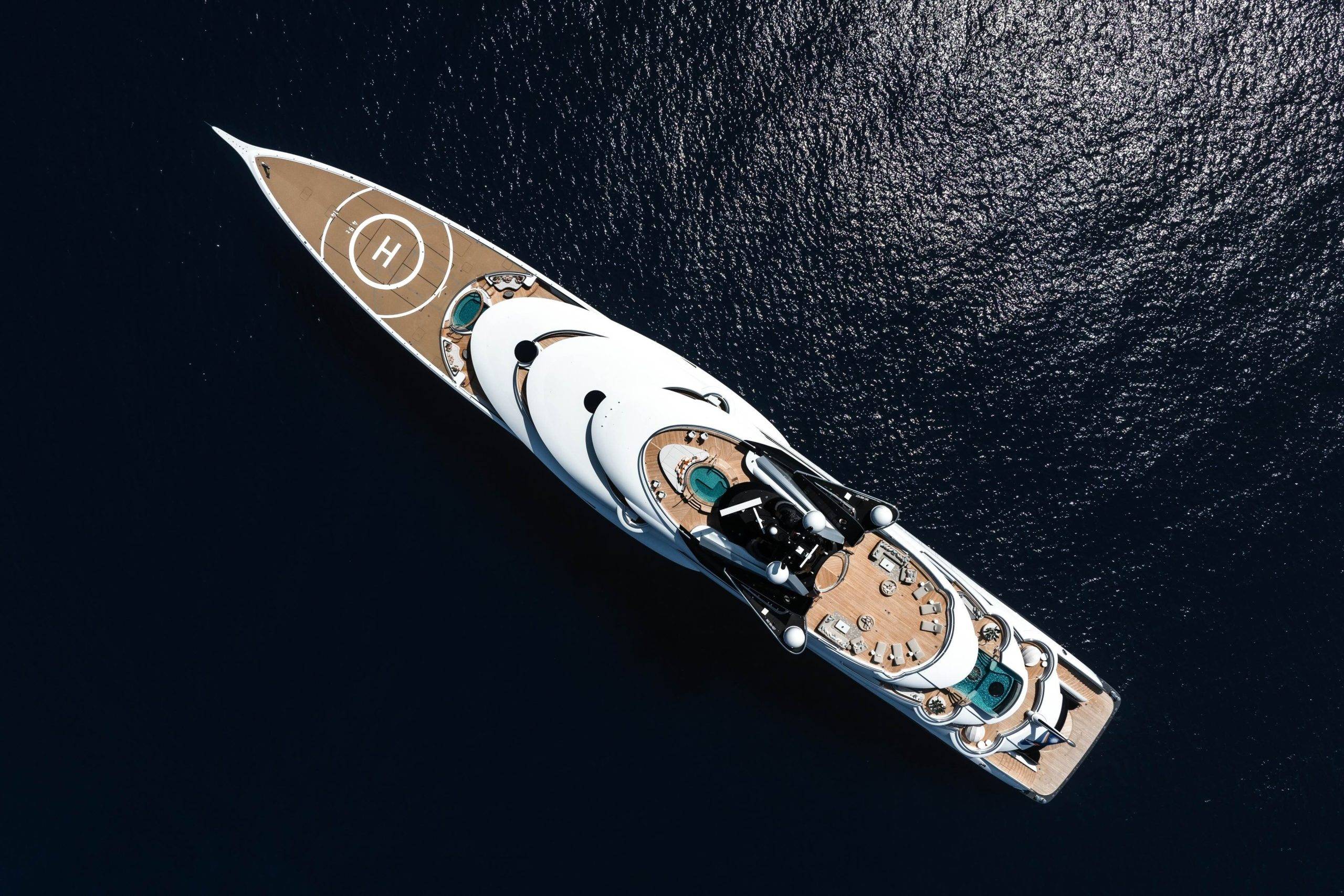
“Kismet” seen from above © BlueiProd
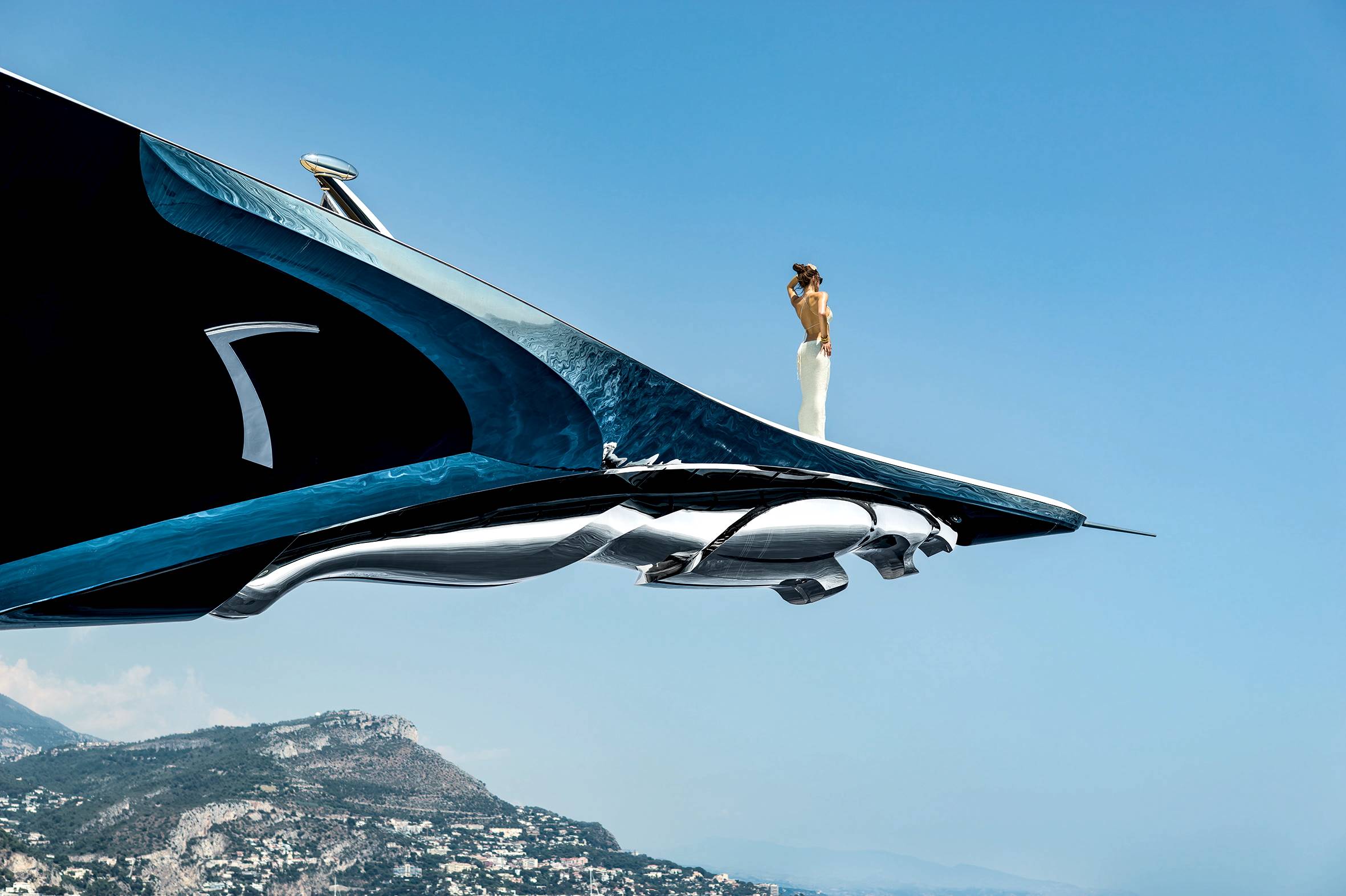
“Kismet” is a masterwork of engineering © Jarmo Pohjaniemi
To find out more about Lürssen, visit the links below:
Lürssen Yachts
Web: lurssen.com
Tel: +49 (0)421 6604 166
Email: yachts@lurssen.com
Instagram: @luerssenyachts
Facebook: @LurssenYachts
Necessary cookies are absolutely essential for the website to function properly. These cookies ensure basic functionalities and security features of the website, anonymously.
| Cookie | Duration | Description |
|---|---|---|
| __cfduid | 1 month | The cookie is used by cdn services like CloudFare to identify individual clients behind a shared IP address and apply security settings on a per-client basis. It does not correspond to any user ID in the web application and does not store any personally identifiable information. |
| _abck | 1 year | This cookie is used to detect and defend when a client attempt to replay a cookie.This cookie manages the interaction with online bots and takes the appropriate actions. |
| bm_sz | 4 hours | This cookie is set by the provider Akamai Bot Manager. This cookie is used to manage the interaction with the online bots. It also helps in fraud preventions |
| cookielawinfo-checbox-analytics | 11 months | This cookie is set by GDPR Cookie Consent plugin. The cookie is used to store the user consent for the cookies in the category "Analytics". |
| cookielawinfo-checbox-functional | 11 months | The cookie is set by GDPR cookie consent to record the user consent for the cookies in the category "Functional". |
| cookielawinfo-checbox-others | 11 months | This cookie is set by GDPR Cookie Consent plugin. The cookie is used to store the user consent for the cookies in the category "Other. |
| cookielawinfo-checkbox-advertisement | 1 year | The cookie is set by GDPR cookie consent to record the user consent for the cookies in the category "Advertisement". |
| cookielawinfo-checkbox-necessary | 11 months | This cookie is set by GDPR Cookie Consent plugin. The cookies is used to store the user consent for the cookies in the category "Necessary". |
| cookielawinfo-checkbox-performance | 11 months | This cookie is set by GDPR Cookie Consent plugin. The cookie is used to store the user consent for the cookies in the category "Performance". |
| ts | 3 years | This cookie is provided by the PayPal. It is used to support payment service in a website. |
| ts_c | 3 years | This cookie is provided by PayPal when a website is in association with PayPal payment function. This cookie is used to make safe payment through PayPal. |
| viewed_cookie_policy | 11 months | The cookie is set by the GDPR Cookie Consent plugin and is used to store whether or not user has consented to the use of cookies. It does not store any personal data. |
Functional cookies help to perform certain functionalities like sharing the content of the website on social media platforms, collect feedbacks, and other third-party features.
| Cookie | Duration | Description |
|---|---|---|
| akavpau_ppsd | session | This cookie is provided by Paypal. The cookie is used in context with transactions on the website. |
| nsid | This cookie is set by the provider PayPal. This cookie is used to enable the PayPal payment service in the website. | |
| tsrce | 3 days | This cookie is set by the provider PayPal. This cookie is used to enable the PayPal payment service in the website. |
| x-pp-s | session | This cookie is set by the provider PayPal. This cookie is used to process payments from the site. |
Performance cookies are used to understand and analyze the key performance indexes of the website which helps in delivering a better user experience for the visitors.
| Cookie | Duration | Description |
|---|---|---|
| YSC | session | This cookies is set by Youtube and is used to track the views of embedded videos. |
Analytical cookies are used to understand how visitors interact with the website. These cookies help provide information on metrics the number of visitors, bounce rate, traffic source, etc.
| Cookie | Duration | Description |
|---|---|---|
| _ga | 2 years | This cookie is installed by Google Analytics. The cookie is used to calculate visitor, session, campaign data and keep track of site usage for the site's analytics report. The cookies store information anonymously and assign a randomly generated number to identify unique visitors. |
| _gid | 1 day | This cookie is installed by Google Analytics. The cookie is used to store information of how visitors use a website and helps in creating an analytics report of how the website is doing. The data collected including the number visitors, the source where they have come from, and the pages visted in an anonymous form. |
Advertisement cookies are used to provide visitors with relevant ads and marketing campaigns. These cookies track visitors across websites and collect information to provide customized ads.
| Cookie | Duration | Description |
|---|---|---|
| _fbp | 3 months | This cookie is set by Facebook to deliver advertisement when they are on Facebook or a digital platform powered by Facebook advertising after visiting this website. |
| fr | 3 months | The cookie is set by Facebook to show relevant advertisments to the users and measure and improve the advertisements. The cookie also tracks the behavior of the user across the web on sites that have Facebook pixel or Facebook social plugin. |
| IDE | 1 year 24 days | Used by Google DoubleClick and stores information about how the user uses the website and any other advertisement before visiting the website. This is used to present users with ads that are relevant to them according to the user profile. |
| test_cookie | 15 minutes | This cookie is set by doubleclick.net. The purpose of the cookie is to determine if the user's browser supports cookies. |
| VISITOR_INFO1_LIVE | 5 months 27 days | This cookie is set by Youtube. Used to track the information of the embedded YouTube videos on a website. |
Other uncategorized cookies are those that are being analyzed and have not been classified into a category as yet.
| Cookie | Duration | Description |
|---|---|---|
| _gat_gtag_UA_120081375_1 | 1 minute | This cookie is installed by Google Analytics. The cookie is used to calculate visitor, session, campaign data and keep track of site usage for the site's analytics report. The cookies store information anonymously and assign a randomly generated number to identify unique visitors. |
| _gat_gtag_UA_83740222_1 | 1 minute | This cookie is installed by Google Analytics. The cookie is used to calculate visitor, session, campaign data and keep track of site usage for the site's analytics report. The cookies store information anonymously and assign a randomly generated number to identify unique visitors. |
| _mcid | 1 year | No description |
| ak_bmsc | 2 hours | No description |
| CONSENT | 16 years 9 months 2 days 6 hours | No description |
| ec_store_chameleon_font | session | This cookie is provided by Ecwid and it is used to save the font utilised in the website's online store. |
| enforce_policy | 1 year | No description |
| l7_az | 30 minutes | No description |
| LANG | 9 hours | No description |
| x-cdn | This cookie is provided by Paypal and is used in context with shopping transactions on the website's store. |