


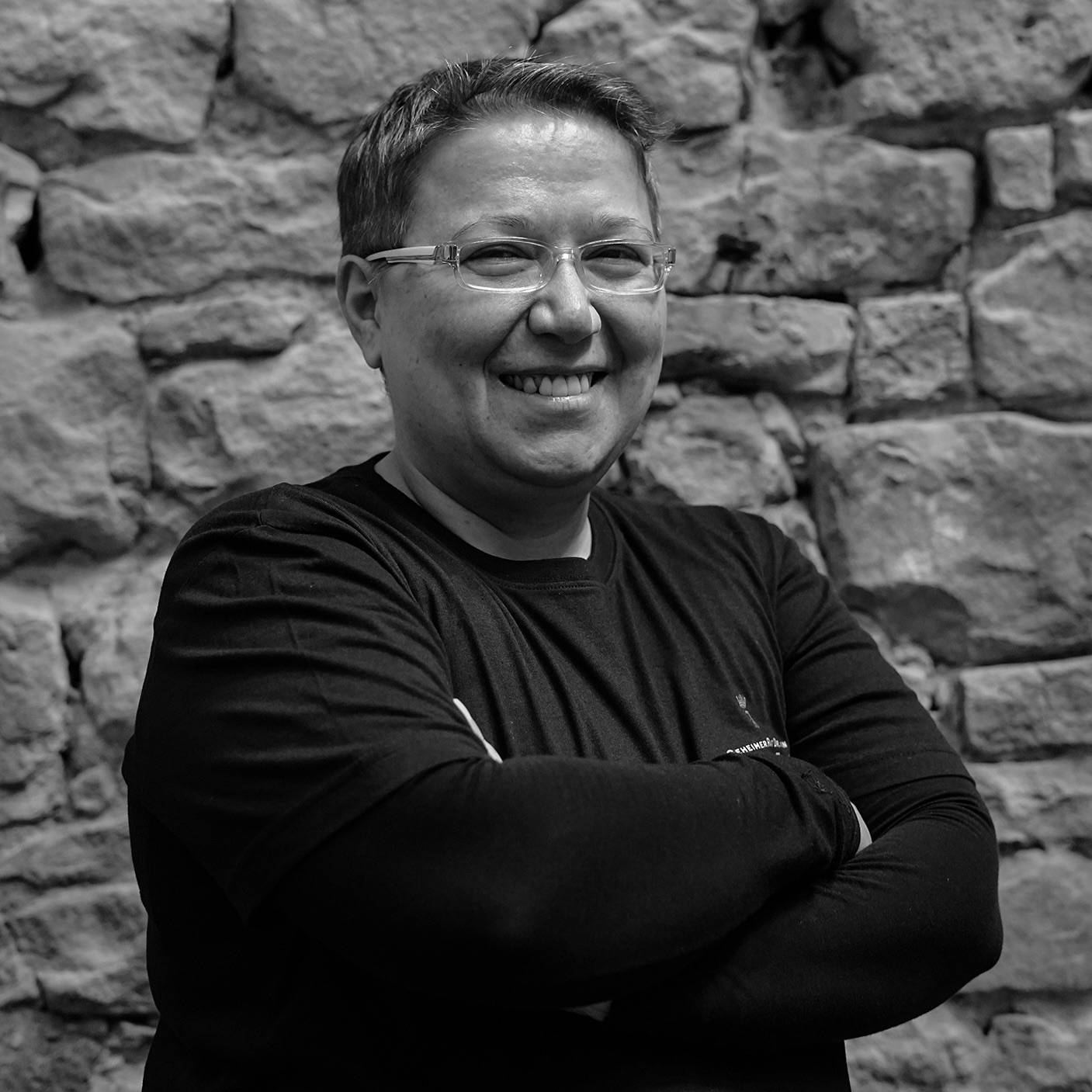
Few wine estates can speak of history in quite the same terms as Bassermann-Jordan. Founded in 1718 in Deidesheim, the Pfalz estate has welcomed figures including Goethe, Bismarck and King Ludwig I over the centuries, while building a reputation around some of the region’s finest vineyards. Today, that history is entrusted in part to Managing Director Nazmiye Uzun, who joined Bassermann-Jordan in 2000 before moving into management in 2023.
It is a role that inevitably comes with a certain weight of responsibility, but Uzun is equally interested in where the estate goes next. Bassermann-Jordan has farmed its vineyards organically since 2012, continues to explore new approaches in the cellar and is responding to a wine world in flux, from hotter, drier growing seasons to changing drinking habits and the rise of alcohol-free alternatives. Through it all, the fundamentals remain reassuringly consistent: quality, a respect for the vineyards and wines that speak clearly of where they come from.
FOUR speaks to Uzun about preserving a 300-year legacy without becoming beholden to it, the enduring appeal of Riesling, the realities facing German wine today and what she hopes the next chapter of Bassermann-Jordan will look like…
Tell us more about Bassermann-Jordan and your role at the estate?
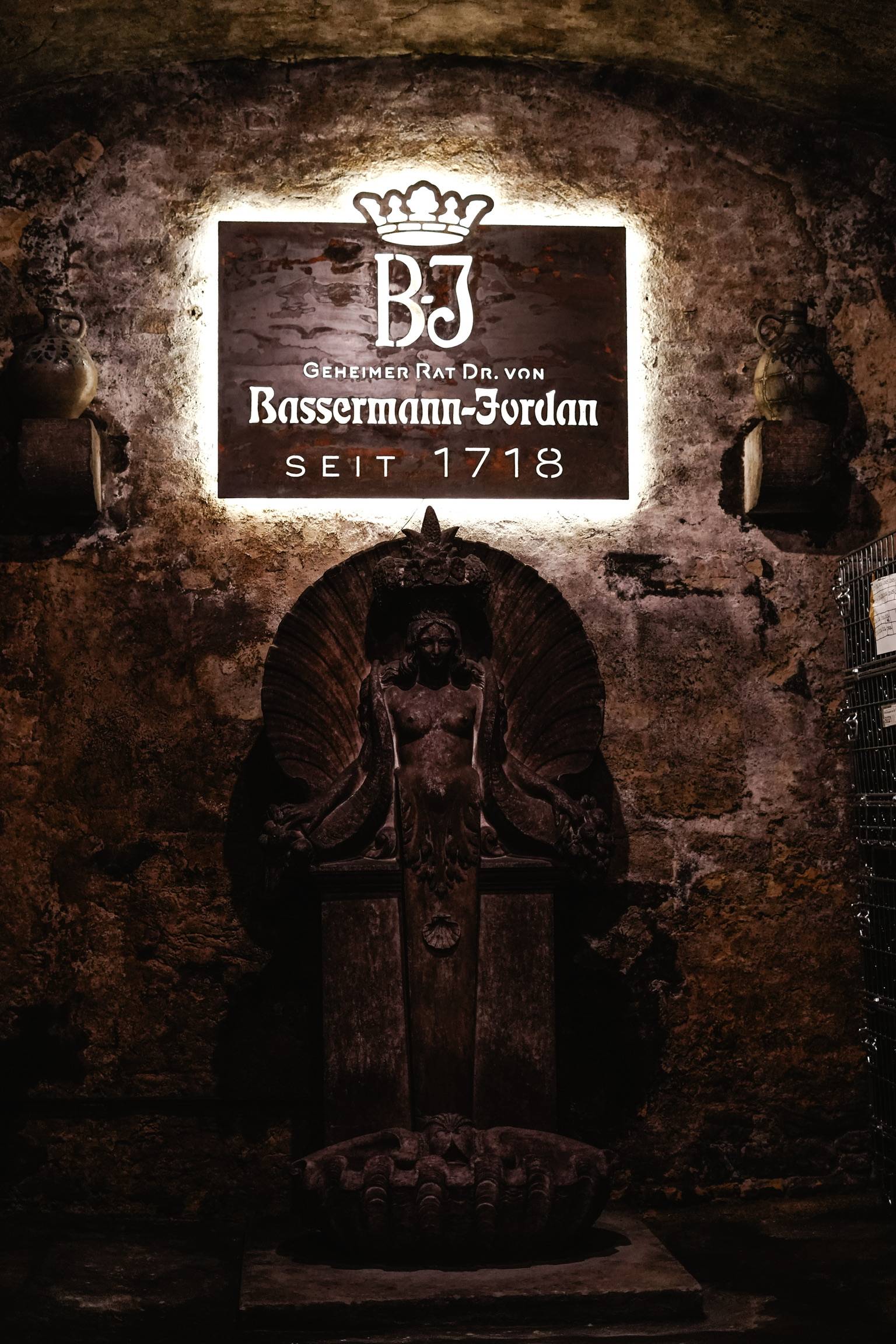
I am the Managing Director, and Bassermann-Jordan was founded in 1718. It is a very traditional estate with a long history. Famous people such as Goethe, Bismarck and King Ludwig I visited our Winery with friends and family.
You worked at Bassermann-Jordan for several years before joining its management team. How has your understanding of the estate changed during that time?
I joined the Estate in 2000, and I have been in the Management position since 2023. The past few years have been more challenging, with increased competition in the market. Customers are drinking less and less alcohol. This creates an opportunity for a new market, e.g. non-alcoholic sparkling wines and wines. Our non-alcoholic wine “Sans Souci” was awarded 1st place by Riesling-Champion. We are proud of our long-standing, loyal customers, who continue to support us and buy wine regularly, both here at home and abroad.
What first drew you to the wine industry, and what continues to hold your interest today?
It was a coincidence that I joined the estate. But I quickly felt at home and grew to love the winery. And I’m still in love with working here because of the tradition, the colleagues, the region, and, of course, our products, which stand for a high level of quality.
Bassermann-Jordan has more than three centuries of history behind it. What does it mean to lead an estate with such a significant legacy?
I am aware that it is a huge responsibility to lead a historic estate and ensure the winery continues to succeed.
How do you decide which traditions should be protected and where there is room for the winery to evolve?
We want to uphold our high standards of quality while staying open to technological progress.
Bassermann-Jordan played an important role in shaping quality wine production in the Pfalz. How does that pioneering spirit express itself at the estate today?
Bassermann-Jordan’s pioneering spirit is evident today in the way the winery combines its long tradition with modern ideas. Building on the principles established by Andreas Jordan—such as a focus on the highest quality, single-varietal winemaking, and the careful selection of premium grape varieties—the winery is continually refining its methods. It relies on innovative cellar technology, experiments with new winemaking concepts, and combines classic winemaking with modern approaches in its speciality line. At the same time, sustainable viticulture, a respectful approach to nature, and an uncompromising commitment to quality remain central to its mission. Thus, the founder’s spirit of innovation remains an essential part of the winery’s philosophy to this day.
The winery works with more than 20 individual vineyard sites across Forst, Deidesheim and Ruppertsberg. What makes this range of terroirs so valuable, and how do you communicate their differences through the wines?
The different terroirs—or source rocks—bring out different facets of aroma and flavour in our wines. Each vineyard speaks for itself, and in the cellar we strive to bring out the vineyard’s unique character rather than influence it. The best way to learn about the differences is, of course, to taste the wines.
Riesling remains central to the identity of Bassermann-Jordan. What do you believe the variety can express here that it cannot elsewhere?
Thanks to the climatic conditions—with cool nights and a long ripening period—we are able to produce expressive, signature Rieslings in Germany. The ripe tartaric acid and typical aromas provide the wine with ideal conditions for ageing. Riesling is the grape variety that best expresses the distinct characteristics of different soil types.
Which vineyards or wines do you feel offer the clearest introduction to the character of Bassermann-Jordan?
There are two wines and vineyards: the Deidesheim Hohenmorgen and the Forster Jesuitengarten. The Deidesheim Hohenmorgen was established by Andreas Jordan and has set new standards for terraced viticulture. The Jesuitengarten vineyard in Forster has been in our family since 1793. This is where our top-quality, mineral-rich Rieslings are grown.
The estate avoids mineral and synthetic fertilisers and is committed to organic cultivation. How has this approach changed the vineyards and the wines over time?
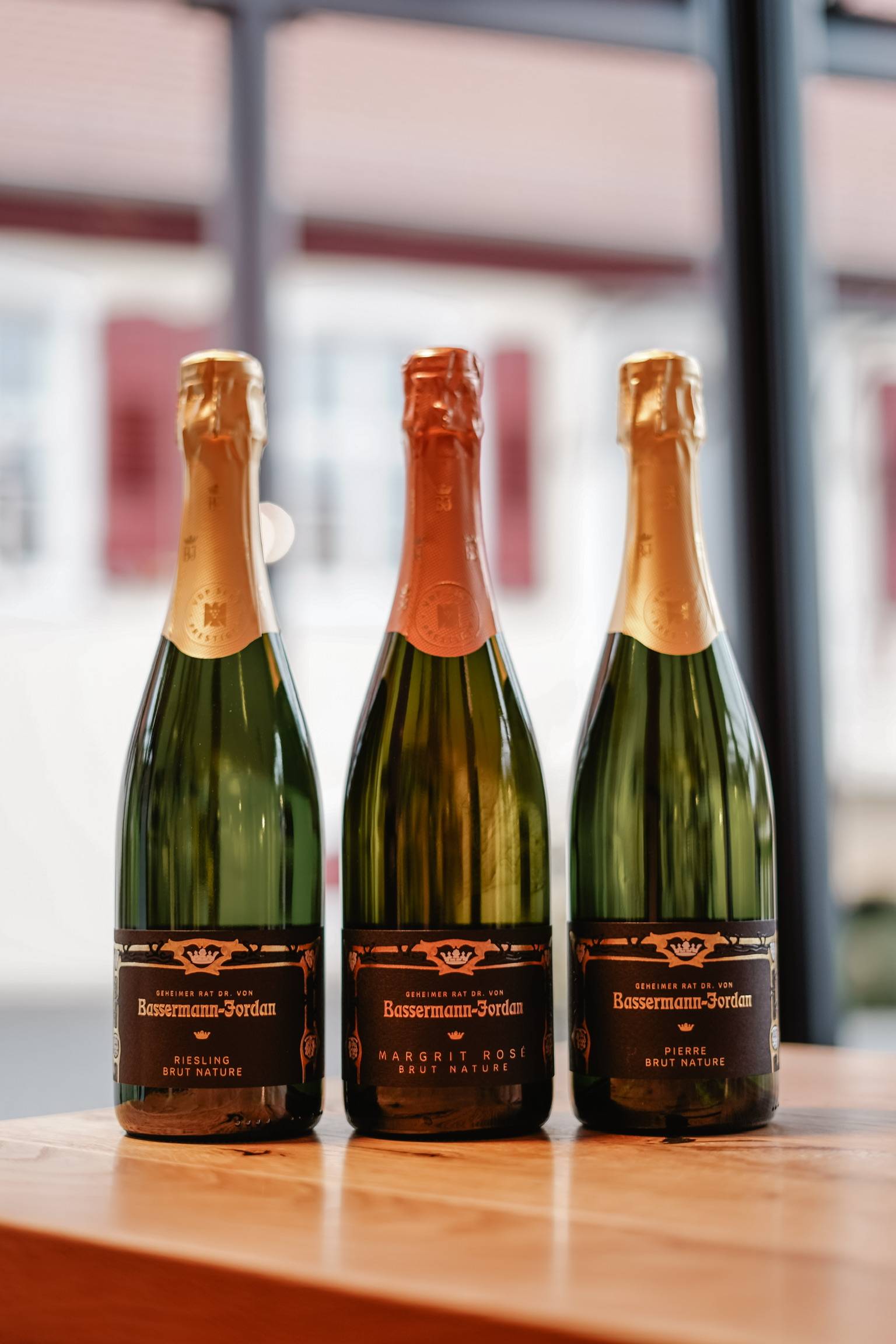
Since 2012, the winery has been cultivating all of its vineyards organically. This makes the vineyards more resistant to diseases and pests and results in more balanced vines. As a result, the wines better reflect the character of their terroir. Sustainability is a top priority at Bassermann-Jordan.
Sustainability can mean many things within the wine industry. What does responsible winegrowing look like in practical terms at Bassermann-Jordan?
For us, sustainability means, first and foremost, eco-friendly production with diverse, species-rich vegetation to encourage beneficial insects. In addition, we aim for moderate yields and avoid irrigation and synthetic fertilisers. We try to work in the vineyards without using plastic products.
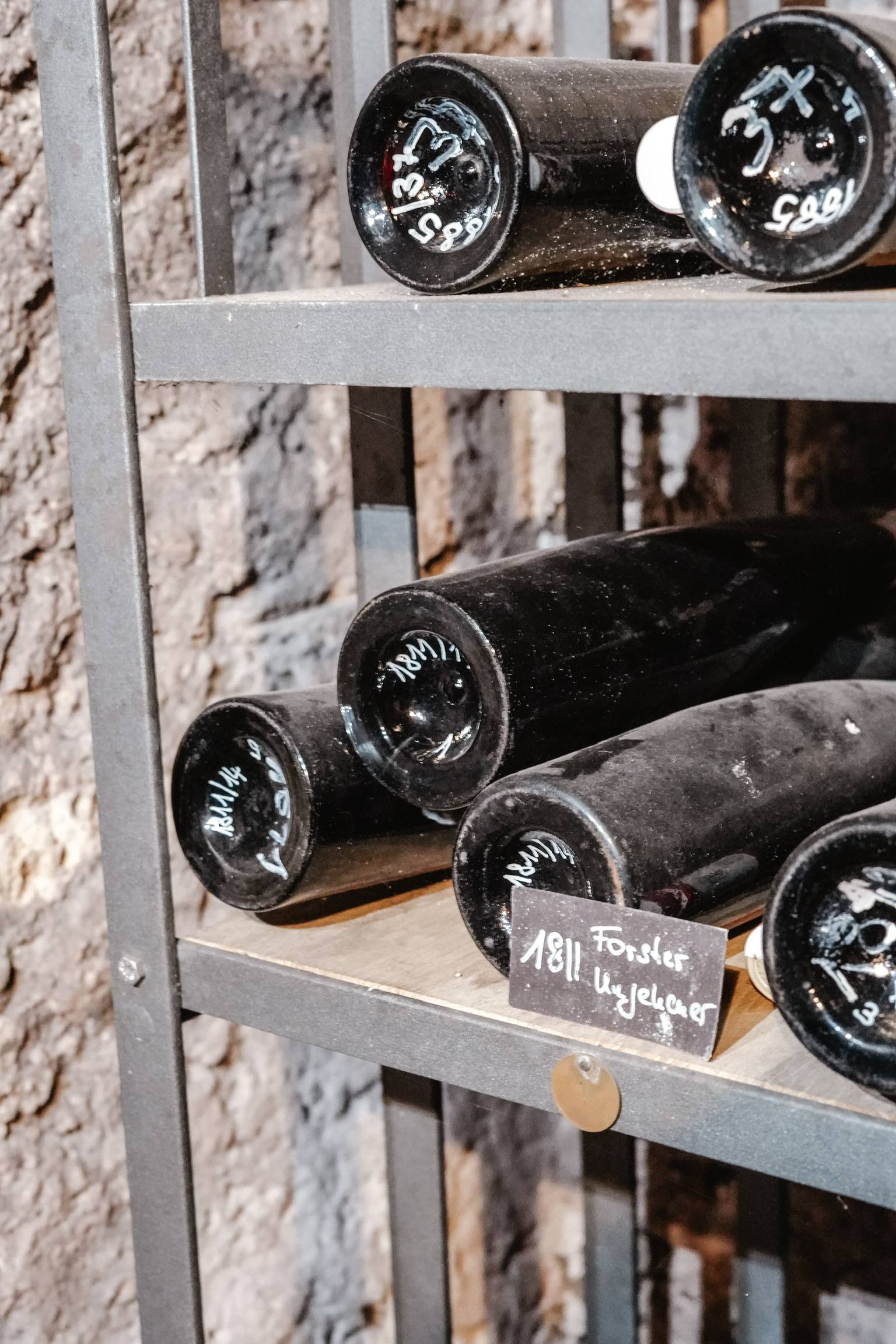
The estate’s historic wine archive contains an unbroken collection of vintages dating back to 1880. What can these older bottles teach you about longevity, vineyard character and the decisions being made today?
Just as it was back then and as it is today, high quality is the key to successful bottle ageing. Only high-quality wines can be aged for such a long time and develop well.
As managing director, how closely do the commercial and winemaking sides of the estate need to work together?
It is an ongoing process. Weekly meetings and constant communication based on analysis, market insight, and trends.
German Riesling is highly respected among collectors and professionals, yet it can still feel complicated to some consumers. How can producers make the category more approachable without simplifying what makes it special?
Riesling has a very unique flavour profile; many wines from around the world are simpler and more straightforward for the average wine drinker. We use extended yeast ageing to make the wines more approachable.
What are the greatest challenges facing established German wineries at present, from climate change and vineyard management to shifting consumer habits?
In recent years, we have seen pronounced dry spells coupled with hot days. Especially in young vineyards, we must lay the groundwork for healthy vineyards in the future through specialised management. To appeal specifically to a younger audience, we have been hosting various events at the winery for several years now, such as the Pentecost celebration and the wine festival in August.
What are some of your favourite aspects about working in the wine industry, and at Bassermann-Jordan in particular?
Wine is still a luxury product that brings people together. People always associate wine with positive things—good food and a good time—especially when it comes to Bassermann-Jordan wines. And what could be better than a good glass of wine and the people you love, with whom you can enjoy it?
Bassermann-Jordan is known internationally, but it remains deeply connected to Deidesheim and the wider Pfalz. How important is that sense of place to the way the estate presents itself around the world?
The connection to Deidesheim and the Palatinate is the foundation of Bassermann-Jordan’s international reputation. This heritage shapes the character of the wines and has made the winery known worldwide as an authentic representative of the Palatinate and its premier vineyards.
What role do hospitality, tastings and visits to the winery play in helping people understand the wines beyond what they read on a label?
This is probably the most crucial factor: Anyone who has ever been here and experienced Palatinate hospitality and openness, combined with the tradition of this beautiful setting, cannot help but fall in love with this region. The wines reflect the character of the region and the special town of Deidesheim, creating lasting taste memories.
When you look ahead to the next decade, what would you most like Bassermann-Jordan to be known for?
Bassermann-Jordan should be known above all as a winery that combines the highest quality wines with sustainable practices and a spirit of innovation, without losing sight of its long tradition.
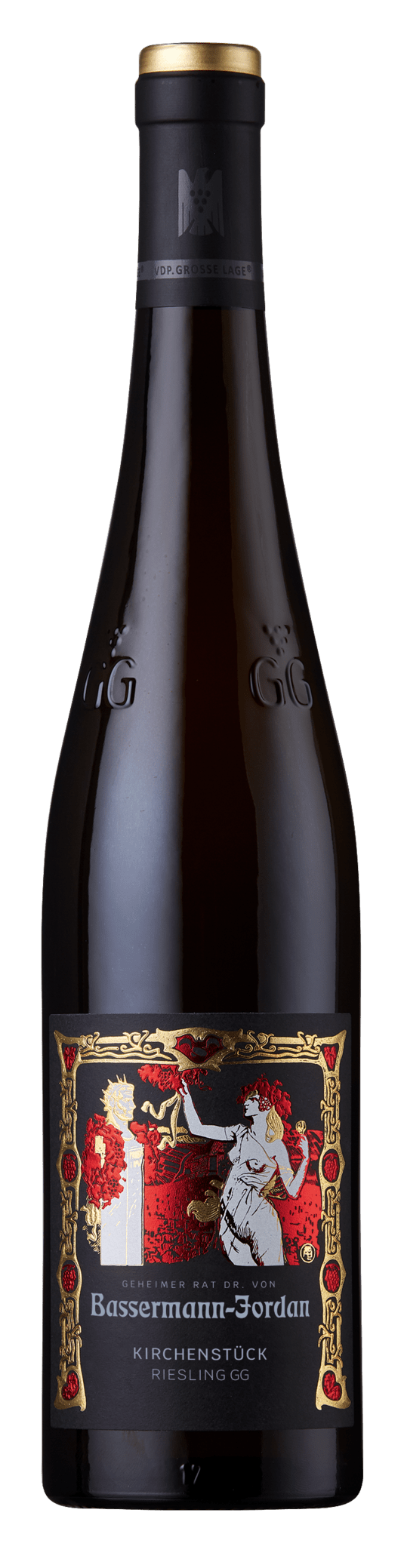
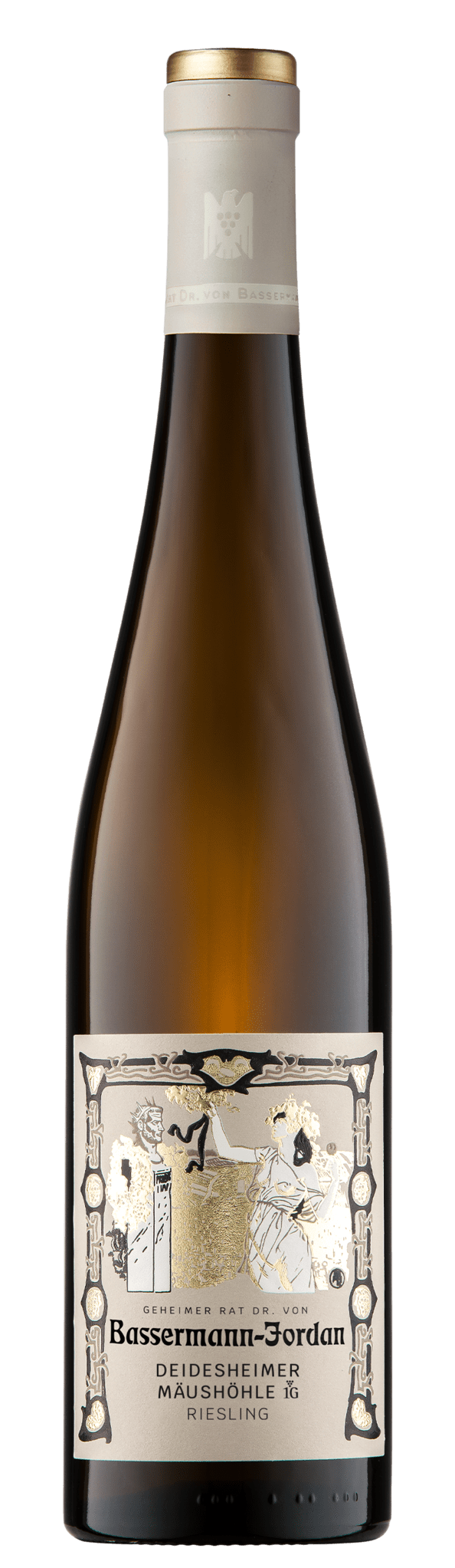
To find out more about Bassermann-Jordan and its wines, visit the links below…
Bassermann-Jordan
Kirchgasse 10
67146 Deidesheim
Germany
Web: bassermann-jordan.de
Tel: +49 (0) 6326 6006
Email: info@bassermann-jordan.de
Instagram: @drvonbassermannjordan
Facebook: @BassermannJordan