


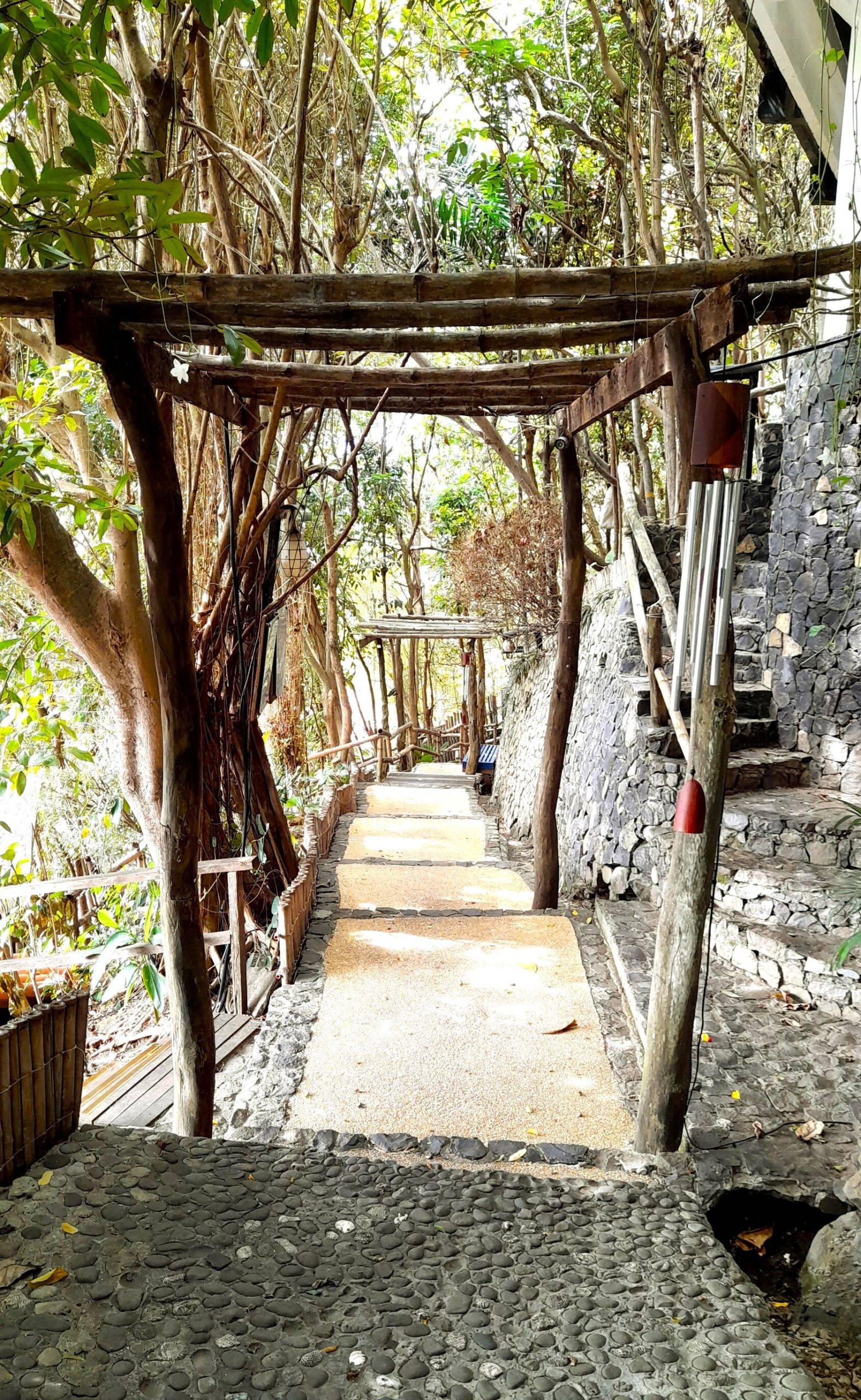
Walkway at Vivere Azure © Rowena Marella-Daw
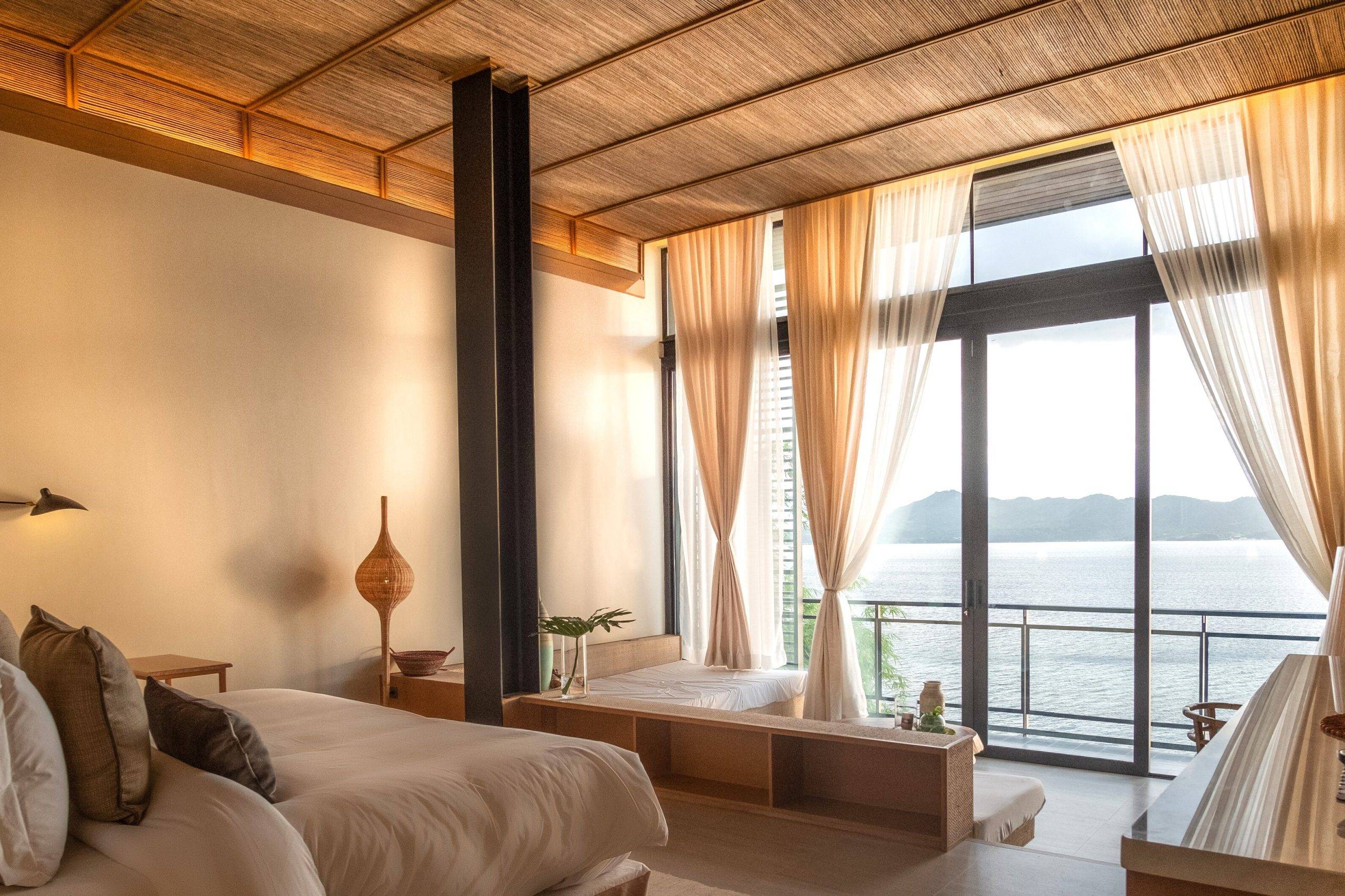
Casa Isabella © Vivere Azure
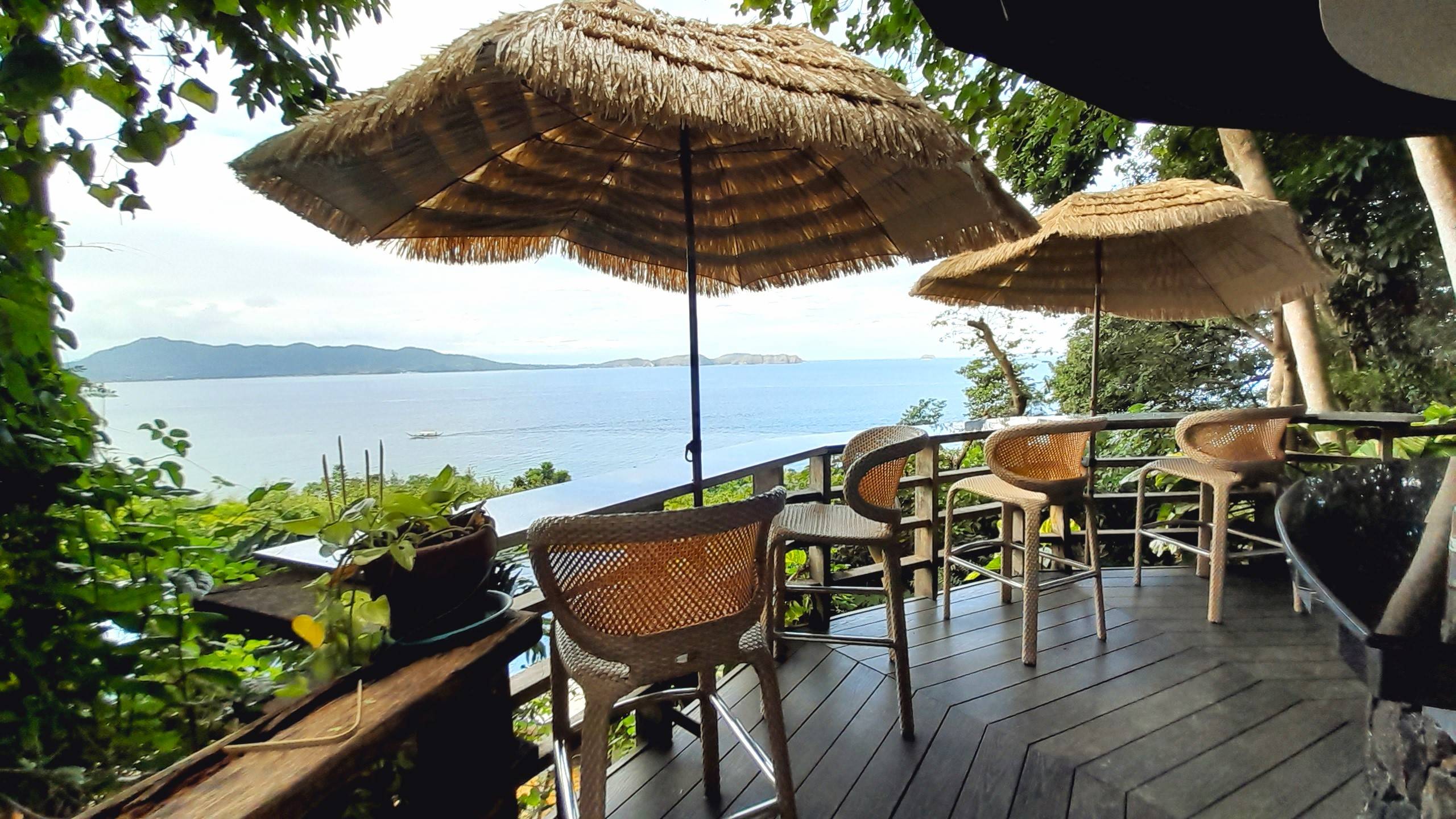
Bar at Vivere Azure © Rowena Marella-Daw
Every city has its special kind of energy and character. Manila, for example, bewilders and intoxicates with its quirky sights and sounds, not to mention its peculiarly organised chaos and iconic jeepneys. Like the rest of the country, life here revolves around family, friends, and crowds, justifying an endless cycle of culinary indulgence and social gatherings. The daily grind may be tough for the majority, but laughter, moral support, and unwavering faith somehow help to soften the blow. And while I relished every minute of my sojourn in this endearing capital where I was born and raised, the sensory overload made me yearn for silence and tranquillity, a place surrounded by nature.
HIDDEN GEM
I found my refuge, Vivere Azure, in the province of Batangas, a region close to my heart because my paternal roots originated here. Batangas lies on the southern coastal rim of Luzon, where the marine habitat lends itself to remarkable diving and snorkelling encounters.
It’s amazing how a mere two-hour car journey could transport me from the city’s madness to the rural serenity of Vivere Azure. Set on a secluded hillside overlooking the Anilao coastline, the property is well concealed from the main road by dense vegetation and can only be accessed by guests via a downhill pathway that leads to an open-air reception area. Just a few paces from here, the sound of water flowing into the infinity pool overlooking the bay made the city’s hectic pace feel a million miles away. And there’s well-curated lounge music to add a sophisticated, chilled-out vibe to the entire resort.
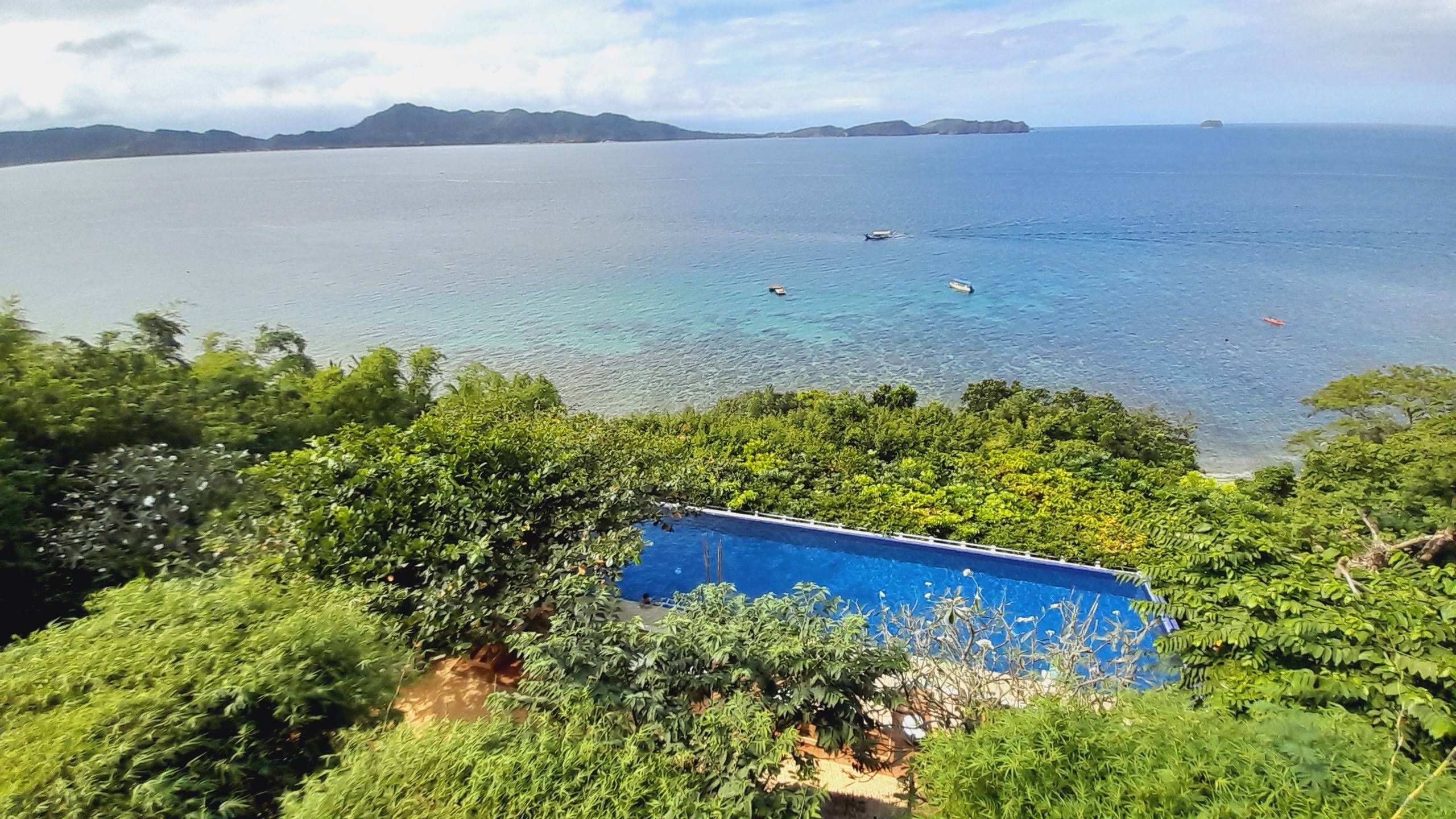
Above & Featured: Pool at Vivere Azure © Vivere Azure
NATIVE-STYLE ELEGANCE
This former family holiday home was designed based on inspiration the owners brought back from their travels around Southeast Asia. Thick thatched roofing on the cabanas and bar area is reminiscent of traditional Balinese architecture, blending seamlessly with accents showcasing Filipino craftsmanship and locally sourced materials. Lush tropical flora enveloping the entire resort brings a sense of privacy within this intimate space; it really felt like home away from home.
The resort’s 13 generously spaced suites are spread between the Main House and the three-storey villa, where an outdoor stone staircase leads to Casa Isabella, my suite on the topmost floor. Sunlight floods in through floor-to-ceiling glass windows in this grand 68sqm space where a sunken living area makes way for a large modular sofa that can easily accommodate three to four people. Ideal for snoozing, I could have easily spent languorous hours here, but the comfy king-size bed was even more enticing.
Combining effortless elegance and comfort can sometimes be tricky, and this is achieved through mindfully curated design details that give each suite its distinctive charm and personality. Natural wood and neutral tones complement native accents, such as a woven mat or ‘banig’ covering the entire ceiling, and pieces of tree trunks skilfully repurposed as centre and side tables. I was particularly drawn towards the hanging lamps resembling jellyfish, and made entirely from locally sourced materials.
Every suite has a veranda with unobstructed vistas of Batangas Bay and nearby islands and islets, while making it easy to spot shallow coral reefs close to the shore. A floating platform tethered to the beach lets guests use it as a sunbathing spot or a launchpad for snorkelling. But I was quite happy and content to do nothing except watch the sun go down and the illuminated infinity pool below set against an indigo sky. It was a sight to behold.
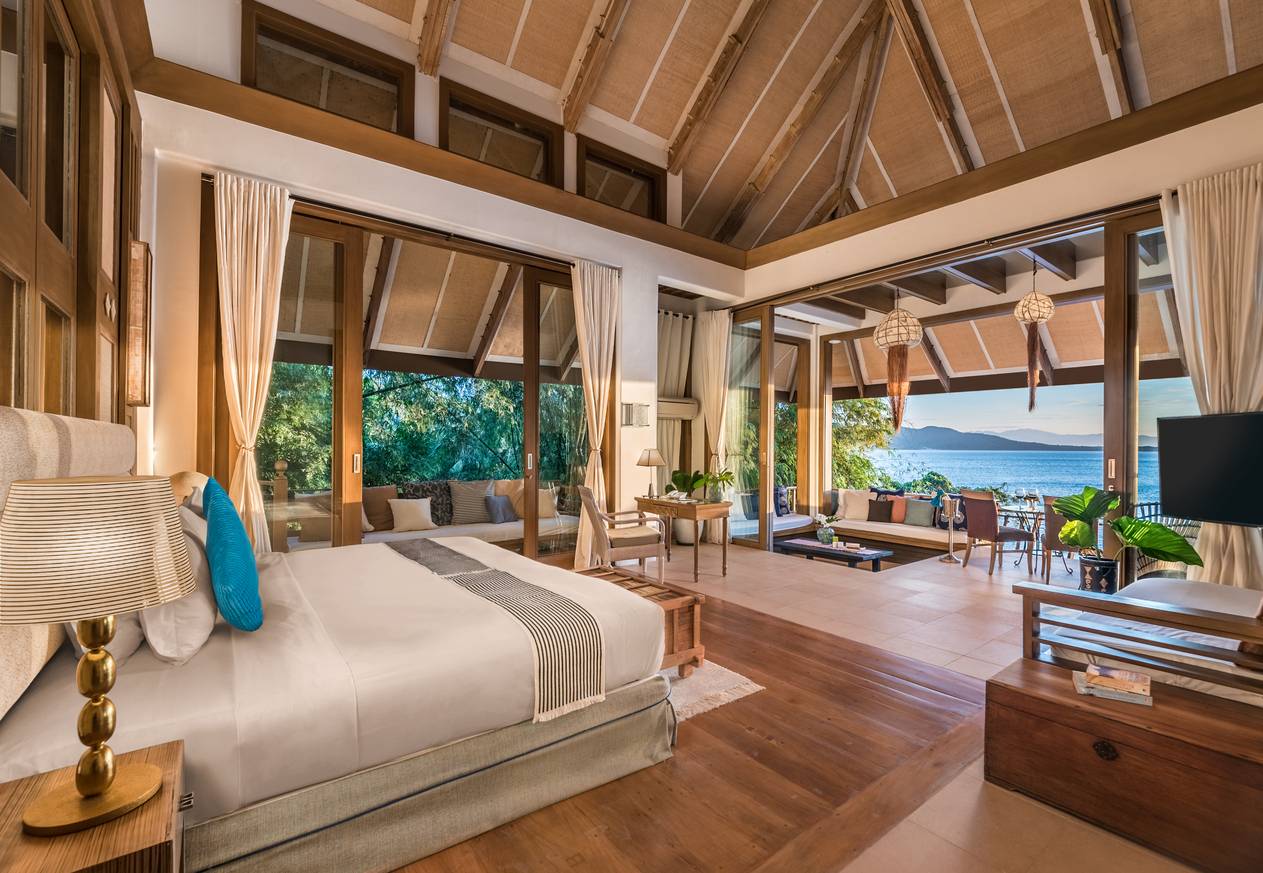
Suite at Vivere Azure © Vivere Azure
FOOD FOR THE SOUL
Within the resort’s laidback setting, it doesn’t take much effort to work up an appetite, particularly for Filipino food, which has been gaining a lot of attention and recognition on the world culinary stage, thanks to talented local chefs showcasing the exciting flavours of Philippine cuisine. At the heart of Vivere Azure’s menu are popular breakfast classics, comprising a choice of marinated cured beef (Tapa), Bangus (Milkfish) or pork sausage (Longanisa), served with garlic rice, fried eggs, coconut vinegar dip with chilli pepper (if desired), and a side of Atchara, a pickled delicacy made from raw vegetables, such as papaya, carrots, red peppers, and spices.
Grilled fresh catch, including octopus, Blue Marlin, and pan-seared salmon, were firm favourites. There’s a selection of tempting cocktails, but I couldn’t get enough of the fresh Mango and Buko (coconut) shakes, and coconut juice served straight from the coconut husk. The best surprise was the Barako coffee, a blend of Robusta and Excelsa varieties grown in Batangas and produced by Café de Lipa. Aptly called ‘The Dark Side’, this roast brings out a heavy-bodied yet perfectly balanced taste.
Following the hill’s contours, the resort facilities are spread across the slopes to provide several vantage points. The cosy bar situated behind and above the pool area is ideal for chilling out and watching the sunset while sipping pre-dinner cocktails. A winding paved path leads from the reception level down to a restaurant resembling a spacious treehouse. My favourite breakfast nook was the table in the far corner overlooking the bay, where watching the coastal comings and goings helped detox the mind. Another set of stairs descends to the open-air beachfront dining and lounge area at the bottom of the hill.
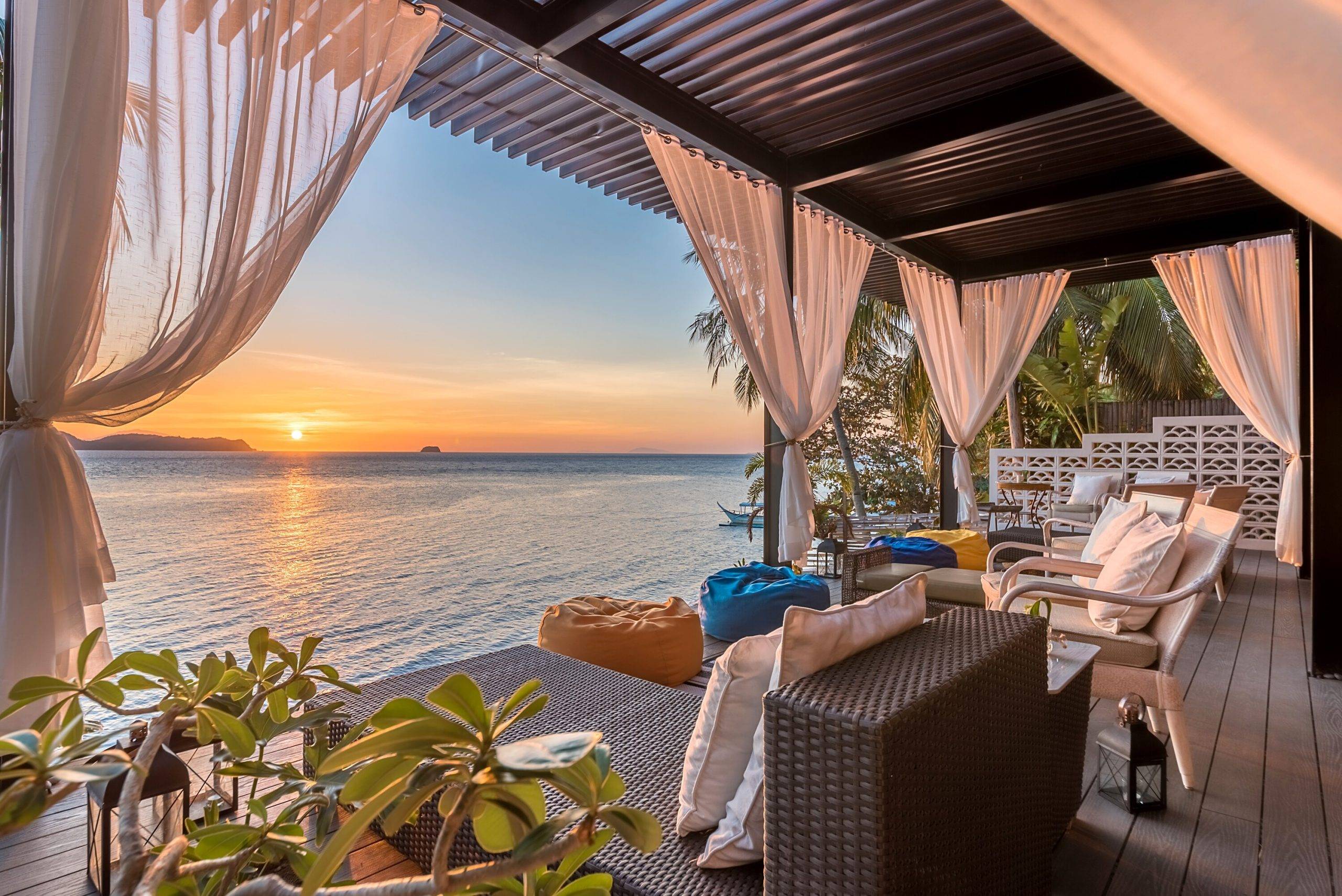
Beach Lounge at Vivere Azure © Vivere Azure
LIQUID UNIVERSE
Anilao’s rugged 32km coastline is punctuated with lush mountains and hilltops, most of which end in a steep drop. The shores are wild, shaped by boulders, rocks, and secluded coves covered in coral fragments and shells washed ashore by waves and strong tidal currents. But the real surprises go much deeper.
Anilao has long been recognised as the country’s major scuba diving destination for its rich marine habitats, which is not surprising given that the Philippines lies within the Coral Triangle, one of the planet’s important high-biodiversity coral reef zones. This 2.2 million square mile aquatic universe embracing six countries in South East Asia is home to roughly 76 percent of the planet’s shallow-water reef-building coral species.
Exploring Anilao’s coastlines and neighbouring islands was one of the highlights of my sojourn at Vivere Azure. My two-hour sailing on board a motorised outrigger traversed Tinglao Island’s tip before dropping anchor on a small beach. When we arrived at 9:45, a few visitors were already wading in the clear waters and perusing shallow reefs. This and other unknown beaches and coves dotted along the coast are unlike the immaculate sugar-fine sandy beaches found in developed resort islands such as Boracay or Palawan. Instead, it was refreshing to witness the wild randomness of big rocky outcrops, scattered tide pools, tan-coloured sand laced with seashells, and corals. I dared not think how long it would take before this fragile ecosystem, so far unsullied by human intervention, would remain as is, although the one thing it deserves is close management and protection through effective conservation efforts.
On the journey back, we stopped at Sombrero Island, aptly named for resembling the top of a hat with its rim submerged in water. One side has a tiny sandy cove for daytrippers, while the rougher side is more geared for snorkelling. Anilao is endowed with over 50 dive sites, most popular of which are Cathedral Rock, where two large rock outcrops frame a coral-bejewelled cross, and Arthur’s Rock for its astonishing display of multi-coloured soft and hard corals, sponges, anemones and reef fish. As an avid macro photography fan terrified of the deep, I envy divers who specialise in filming nudibranchs at close range. Apparently, more than 600 species of these tiny but adorable colourful slugs are found in Anilao’s warm waters, earning the area the title “nudibranch capital of the world”.
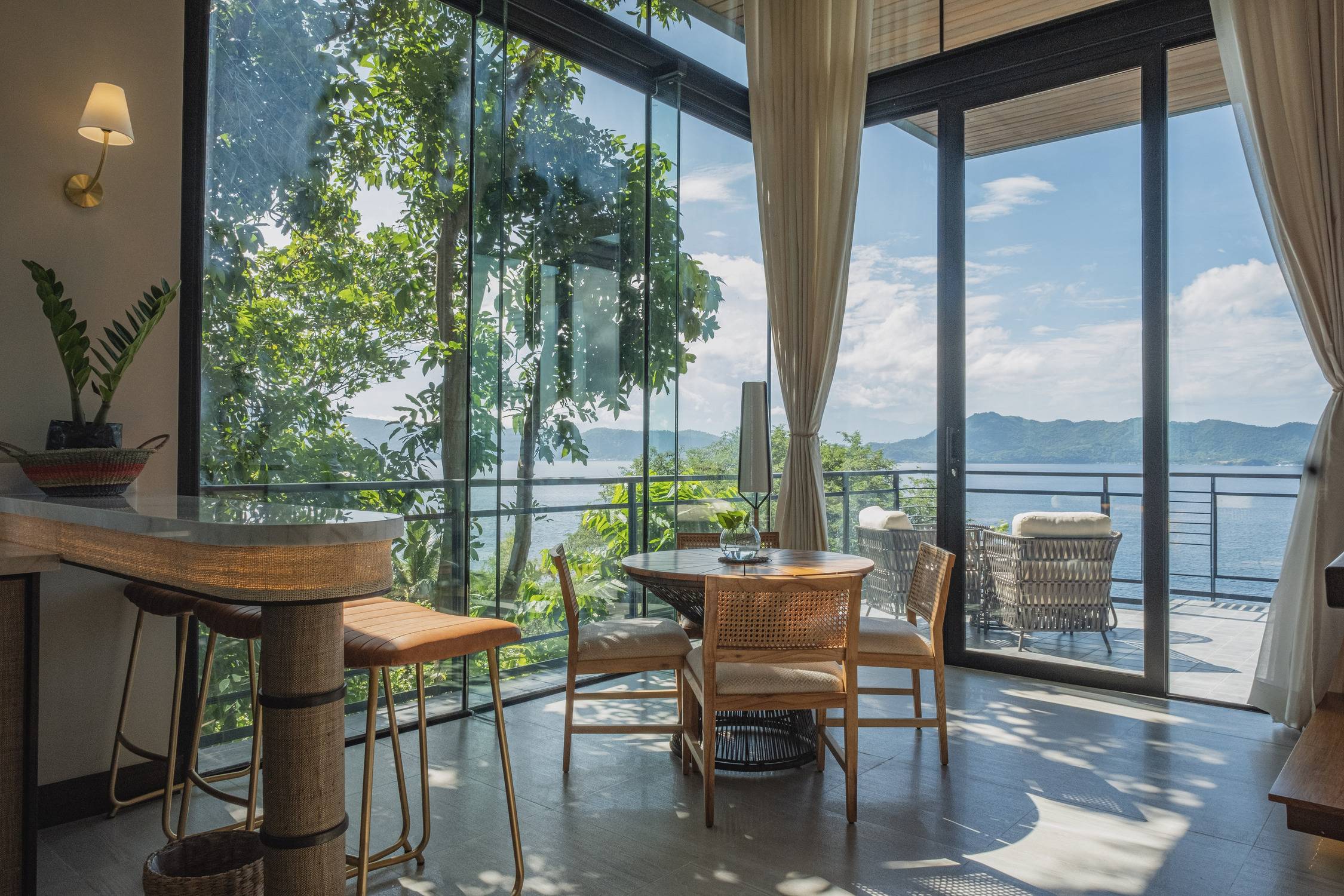
Casa Anonina © Vivere Azure
NATURE’S RETREAT
At Vivere Azure, I swapped the noise of traffic, sirens and motorbikes of Manila for the sounds of nature—birdsong, gentle waves, even the familiar evening calls of the Tokay Gecko, locally known as Tuko. World-class service from the friendly staff made my experience seamless and memorable, so it’s no surprise the resort was named Asia’s Leading Boutique Beach Resort 2024 at the 31st Annual World Travel Awards.
Anilao is certainly worth a visit even for non-divers who appreciate unpretentious luxury in an organic setting. More importantly, I cannot stress enough the critical role conservation programmes and initiatives play in preserving the region’s precious marine biodiversity for future generations to nurture and enjoy.
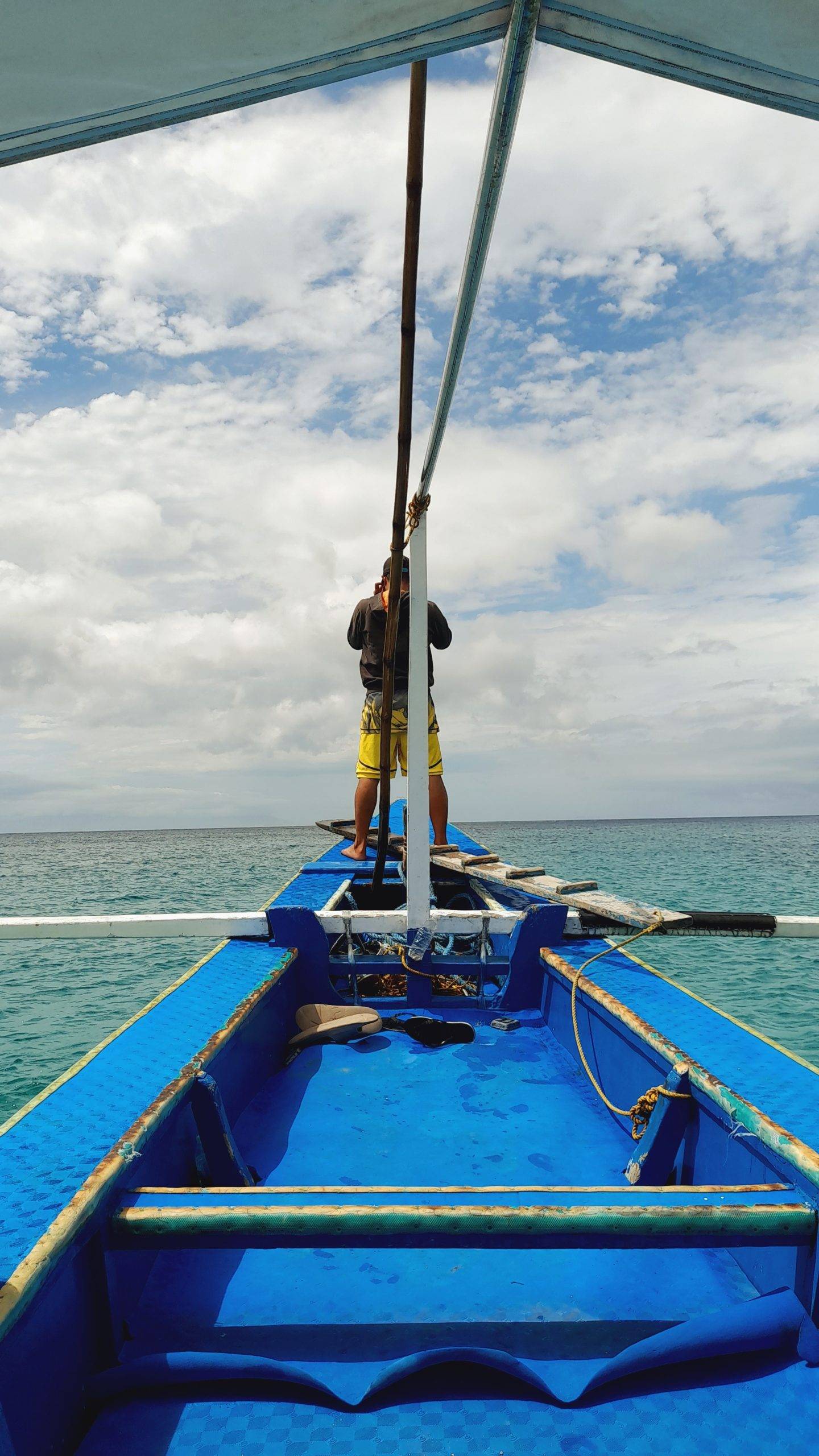
Boat trip © Rowena Marella-Daw
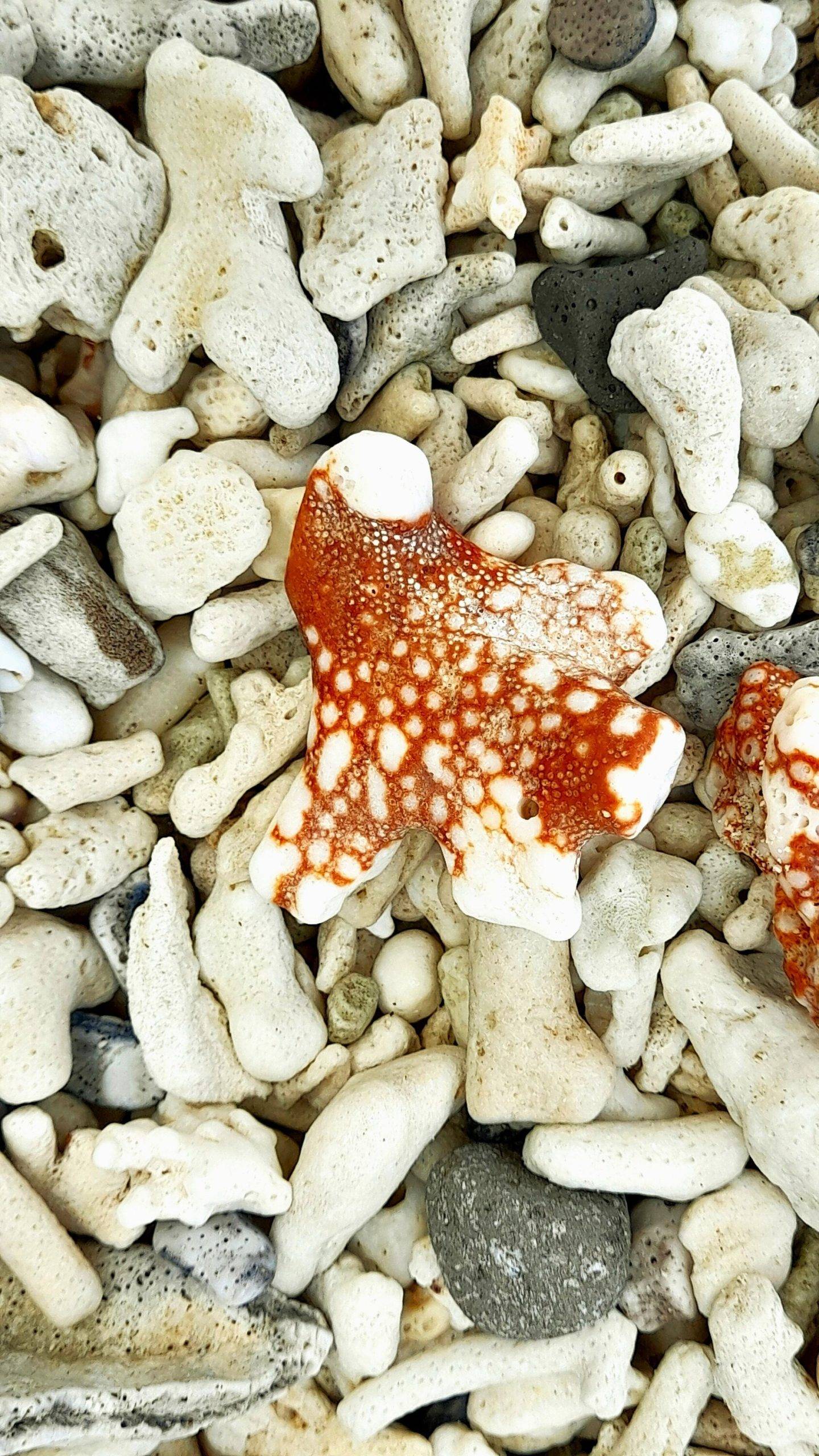
Marine life © Rowena Marella-Daw
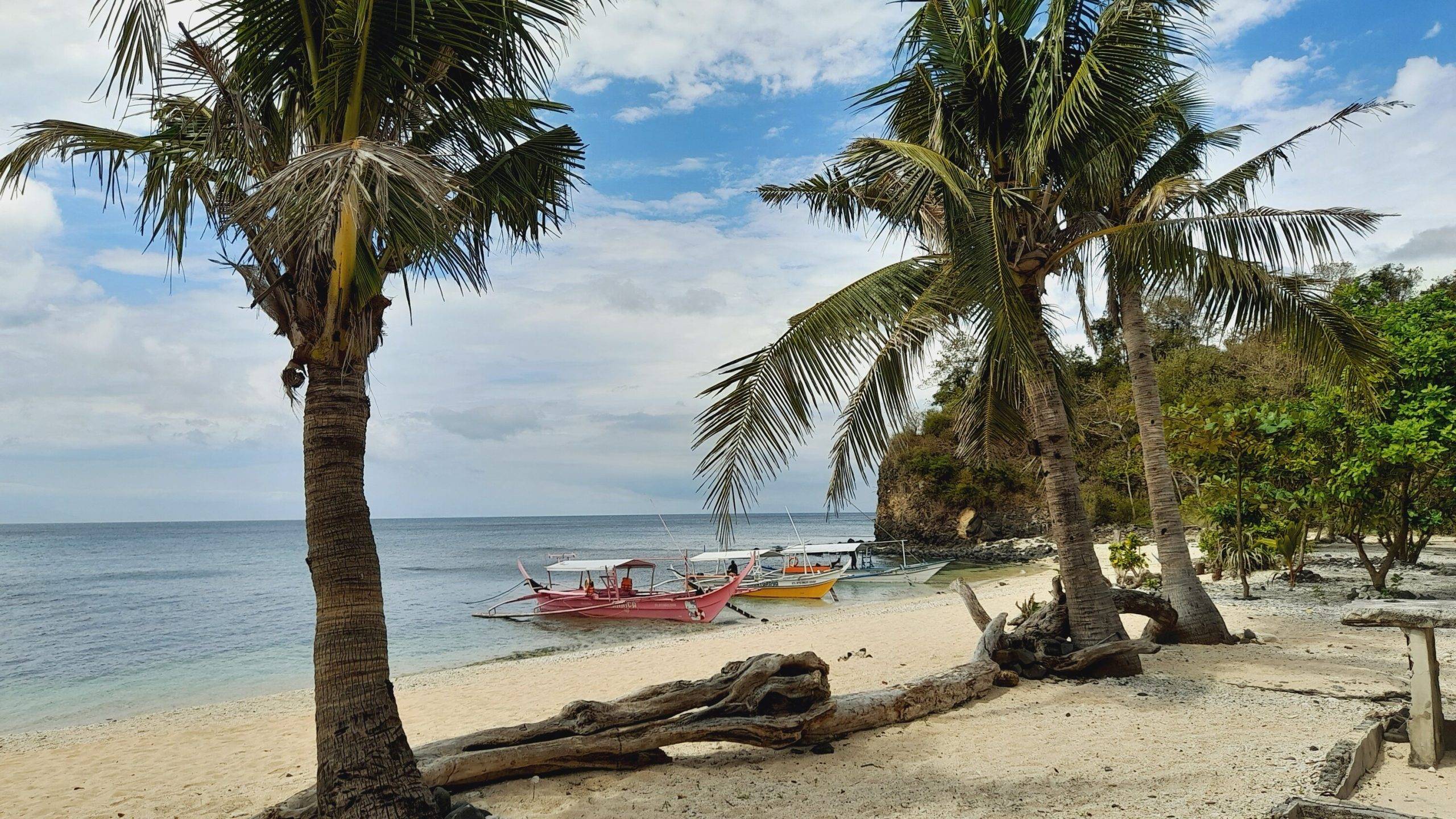
Anilao Beach © Rowena Marella-Daw
To find out more about Vivere Azure, visit the links below:
Vivere Azure
Web: vivereazure.com
Tel: (632) 8771-7777
Email: hello@vivereazure.com
Instagram: @vivereazure
Facebook: @vivere.azure