


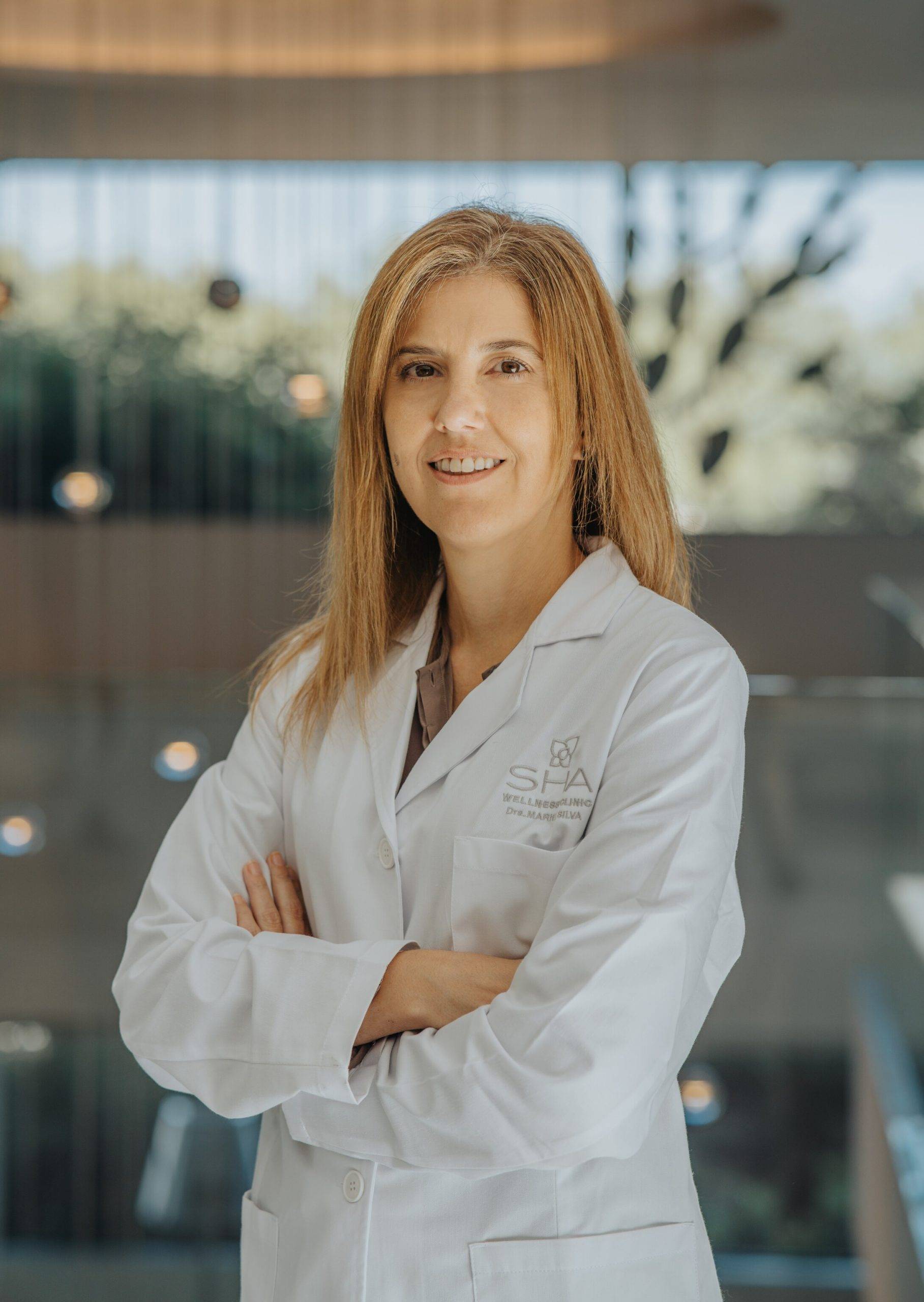
The ability to tolerate pressure has long been viewed as a mark of professional strength. Yet endurance alone is a poor foundation for lasting performance. Dr Mariel Silva, Medical Services Director and Healthy Ageing Specialist at SHA Spain, sees the consequences in objective medical data: disrupted cortisol rhythms, impaired sleep architecture, metabolic imbalance, systemic inflammation and changes in autonomic nervous-system function.
These markers may develop long before a person feels unwell. High-performing individuals can continue producing results while the body operates in a prolonged state of adaptation, gradually compromising cognitive clarity, emotional regulation and long-term health. For Silva, the aim is therefore not simply to intervene once burnout becomes apparent, but to identify and address these quieter signals at an earlier stage. In this conversation, she looks at the medical realities behind chronic stress and explains why recovery should be understood as a strategic investment rather than a retreat from ambition.
Many high-performing leaders still see recovery as something that comes after success. Why is this mindset no longer compatible with longevity or sustained performance?
For many years, success has been culturally defined by endurance—the ability to tolerate pressure, override fatigue and continue delivering results. In high-performance environments, this mindset has often been rewarded. However, from a medical and longevity perspective, we now understand that this model is biologically unsustainable.
Sustained performance is not determined solely by effort or discipline but by the body’s capacity to recover, adapt and regenerate after stress. When recovery is consistently postponed, the organism remains in a state of chronic activation, driving low-grade inflammation, hormonal disruption and progressive cognitive fatigue.
While this approach may deliver short-term gains, it gradually erodes the very systems that support leadership clarity, decision-making and long-term health. Longevity—particularly cognitive and metabolic longevity—depends on balanced cycles of stress and recovery. Today, success is no longer measured by how much pressure one can endure, but by how intelligently one can recover in order to perform well over time.
Burnout is often framed emotionally, but from a medical perspective, what is actually happening in the body and brain when recovery is consistently missing?
Burnout is frequently described as an emotional or psychological state, but clinically it represents a complex physiological breakdown. At the hormonal level, we observe dysregulation of the stress response system, including altered cortisol rhythms and impaired circadian signalling. This directly affects immune resilience, metabolic efficiency and cardiovascular health.
At the brain level, prolonged stress without recovery impacts neural networks involved in executive function, emotional regulation and memory. Neuroplasticity declines, reducing adaptability and cognitive flexibility. Over time, individuals experience impaired concentration, emotional exhaustion and reduced decision-making capacity.
From a medical standpoint, burnout reflects a system that has lost its ability to reset. It is not simply about feeling overwhelmed—it is about the progressive failure of recovery mechanisms that sustain both performance and health.
The concept of “recovery-led living” is gaining attention. What does this look like in practice for someone who remains ambitious and professionally engaged?
Recovery-led living does not mean disengaging from ambition or professional responsibility. It means redefining ambition in a way that is physiologically sustainable. In practice, this involves intentionally integrating structured recovery—physical, cognitive and emotional—into daily life, with the same strategic importance as work commitments.
This includes protecting sleep as a biological priority, proactively managing stress peaks, respecting circadian rhythms, and training the capacity for mental disengagement. It also means learning to recognise early signals of overload before they translate into dysfunction. In this model, recovery is not passive rest—it is an active process that supports sharper thinking, better emotional regulation and sustained high performance over time.
From a longevity standpoint, how does chronic stress affect cognitive performance, decision-making and leadership clarity over time?
Chronic stress exerts a cumulative and often underestimated impact on cognitive performance. While short-term stress can enhance alertness, prolonged exposure disrupts attention, working memory and strategic thinking. Decision-making becomes more reactive, and leaders lose clarity and long-term perspective.
From a longevity standpoint, unmanaged stress accelerates cognitive ageing and increases vulnerability to neurodegenerative processes. Leadership clarity is inseparable from brain health, and brain health depends on recovery capacity. Without recovery, even highly capable individuals experience gradual cognitive decline.
When executives arrive at SHA, which health or performance indicators most commonly surprise them—and why are these signals so often overlooked?
What most surprises executives is not a single value, but the gap between how well they believe they are functioning and what objective medical data reveals. Many arrive convinced that they are performing at a high level, yet we detect early dysregulation in areas such as metabolic balance, systemic inflammation, stress hormone patterns, sleep architecture and autonomic nervous system function.
These findings often produce no immediate symptoms, which is precisely why they are overlooked. High-performing individuals can compensate for physiological imbalance for years. However, from a medical perspective, these markers indicate that the body is operating in a state of chronic adaptation rather than optimal regulation.
At SHA, we focus on identifying these silent signals early, as they precede declines in cognitive performance, energy, emotional regulation and long-term health. Addressing them proactively allows us to restore balance before dysfunction evolves into disease or noticeable performance deterioration.
Why are structured reset environments more effective than attempting to restore balance within everyday life, even for highly disciplined individuals?
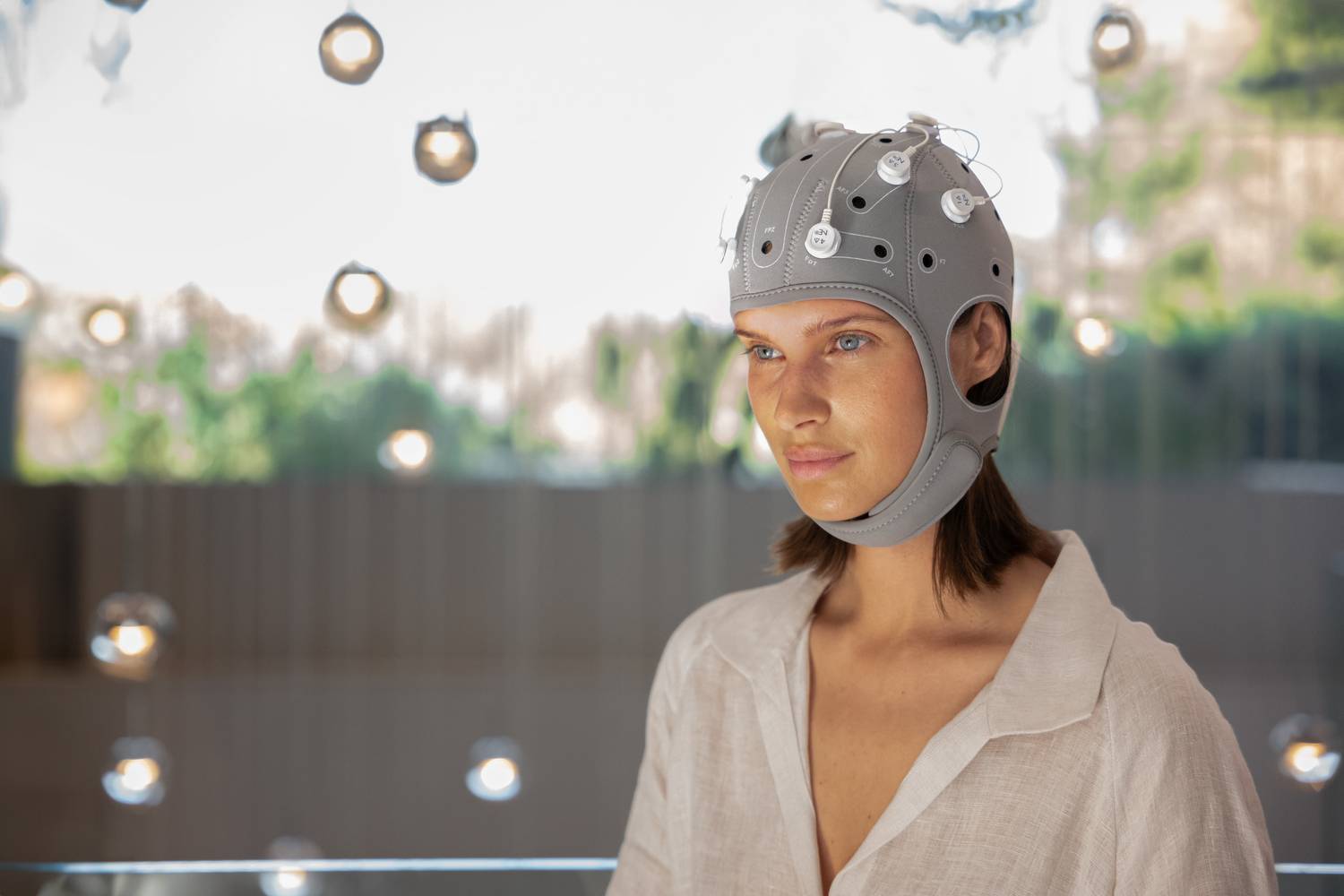
Physiology is deeply shaped by the environment. In everyday life, even highly disciplined individuals remain exposed to constant stimulation, decision-making and responsibility—all of which sustain stress activation. A structured reset environment reduces this load across multiple systems simultaneously: physical, mental and emotional. This allows the body to exit survival mode and enter a true repair state. Achieving this depth of recovery is extremely difficult without stepping outside the environment that generated the imbalance.
Do you see recovery becoming a core leadership capability in the future, alongside strategy, resilience and emotional intelligence?
Absolutely. The leaders of the future will not be defined by how much pressure they can endure, but by how effectively they manage their energy. Recovery will become a core leadership capability because it directly influences cognitive clarity, emotional regulation and organisational sustainability. Leadership that is not supported by recovery is inherently fragile and ultimately unsustainable.
If there is one recovery habit or mindset shift that consistently delivers the greatest long-term return for sustained performance and healthy ageing, what would it be—and why?
The most transformative shift is to stop seeing recovery as a reward and start treating it as a strategic investment. This single change reshapes how individuals manage time, stress and health priorities. From a medical perspective, this mindset protects cognitive function, reduces chronic disease risk and enables high performance to be sustained over decades. Recovery is not a pause from ambition—it is what makes ambition viable over the long term.

To find out more about SHA Spain and its wellness programmes, visit the links below…
SHA Spain
Carrer del Verderol, 5
03581 L’Albir
Alicante, Spain
Web: shawellness.com
Tel: +34 865 61 41 47
Email: info@shawellness.com
Instagram: @shawellness