



Grand Canal Grace
Venice has no shortage of grand addresses. This enchanting floating city bursts at the seams with buildings that make people stop and stare, but Aman Venice is one of the few noteworthy ones you can—and should—visit.
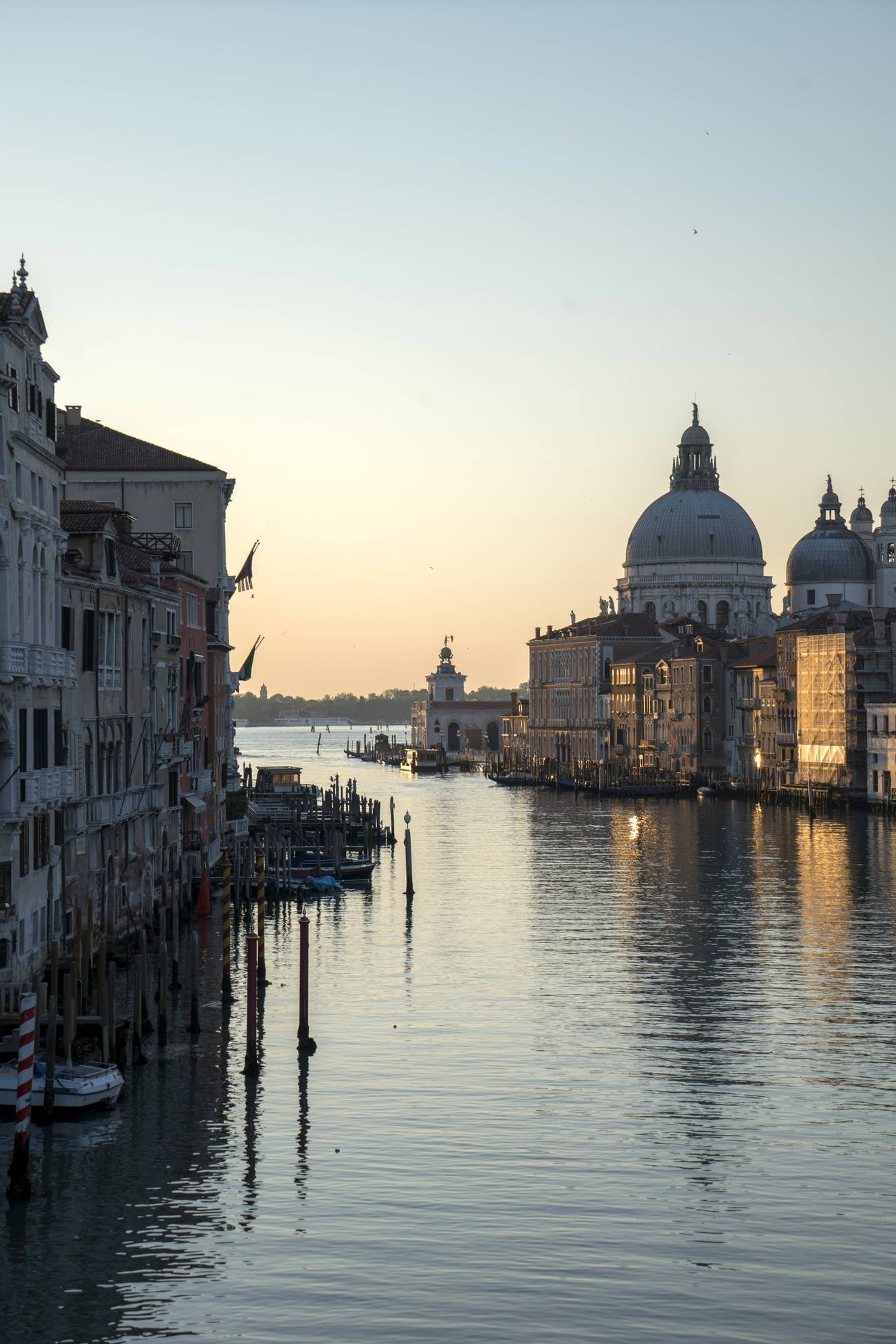
Venice can be overwhelming in its magnificence, crowded with views that have been painted, photographed, and pursued for centuries. Yet behind the doors of Aman Venice, the bustle of the city begins to fade away. The hotel occupies the historic Palazzo Papadopoli on the banks of the Grand Canal, one of Venice’s eight monumental residences dating back to the 1500s. However, its appeal lies not only in the building’s age or the grandeur of its rooms but also in the feeling of crossing its threshold. One minute, Venice is all movement: water taxis cutting past, endless footsteps on stone, the lively commotion of the Rialto not far away. The next, you are inside an ornate private palazzo, where the city’s intensity gives way to stillness, beauty, and the rare pleasure of space.
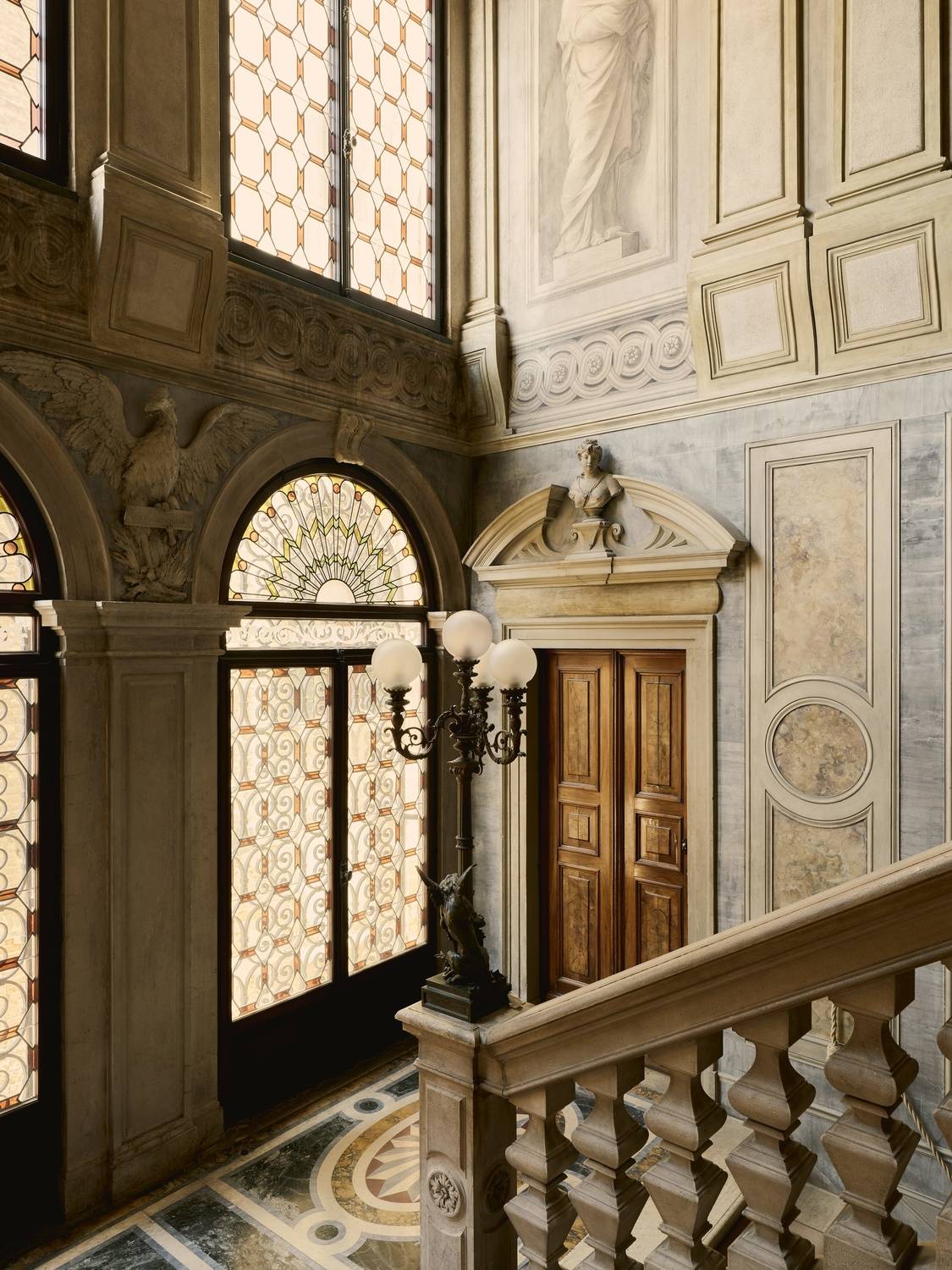
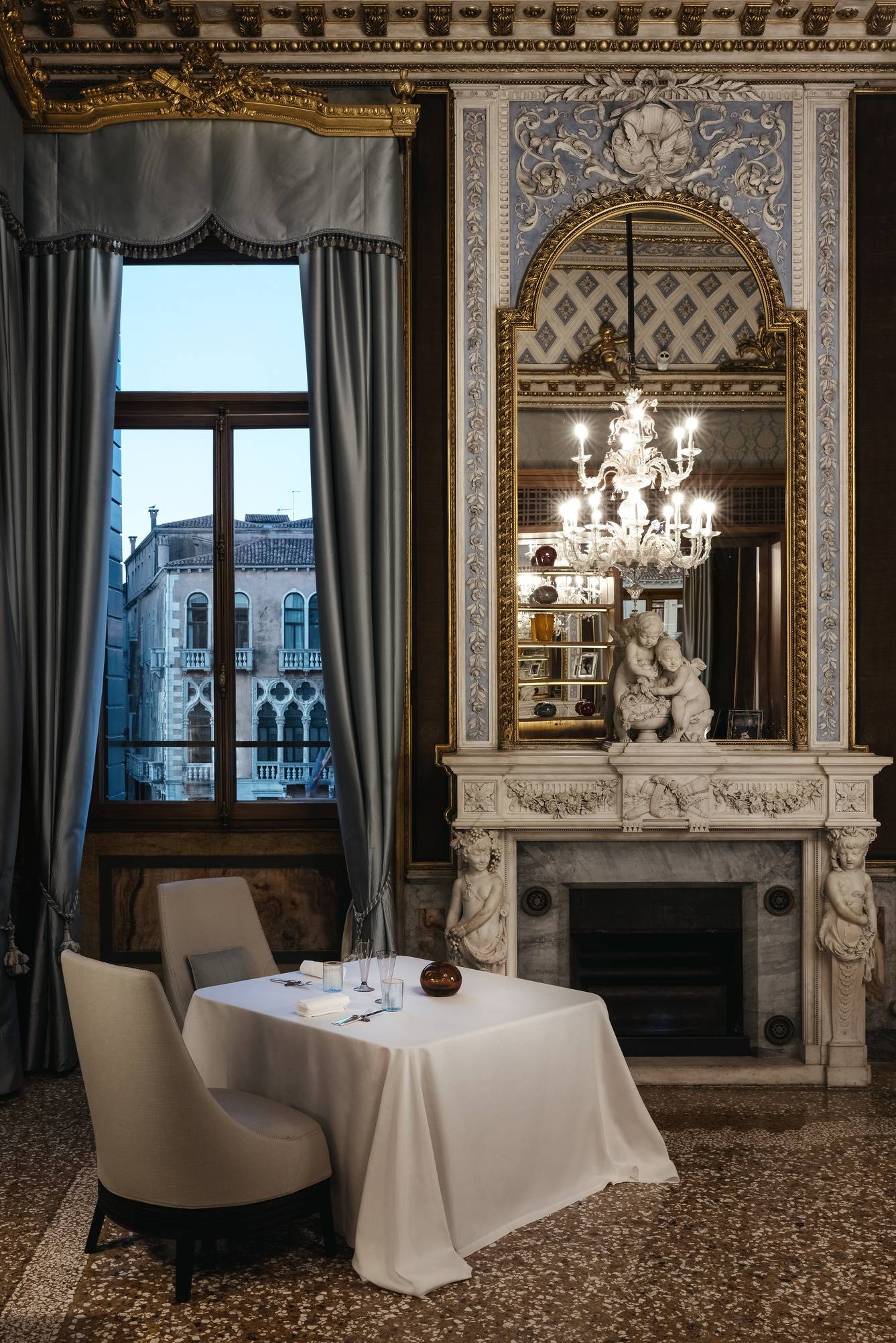
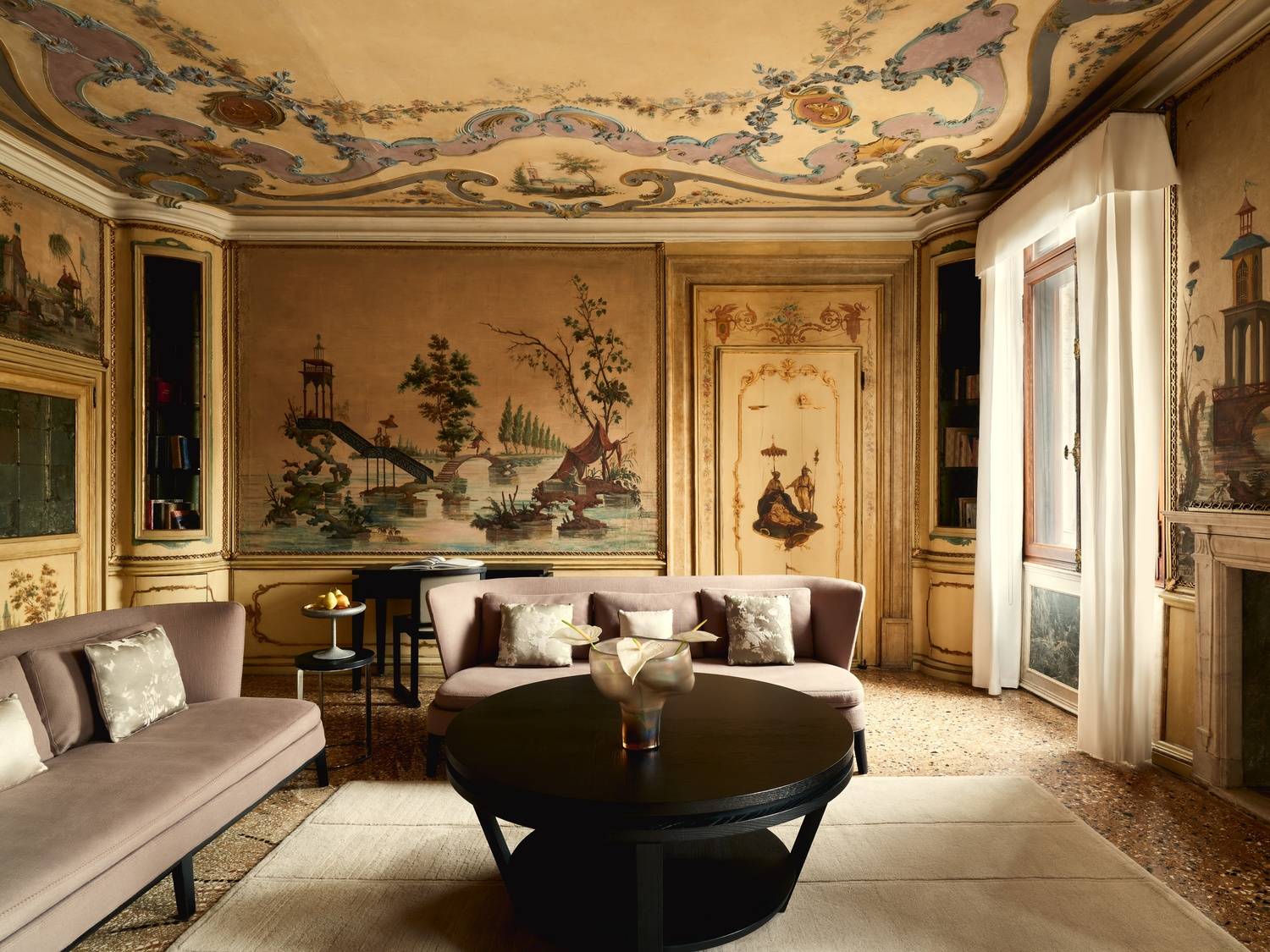
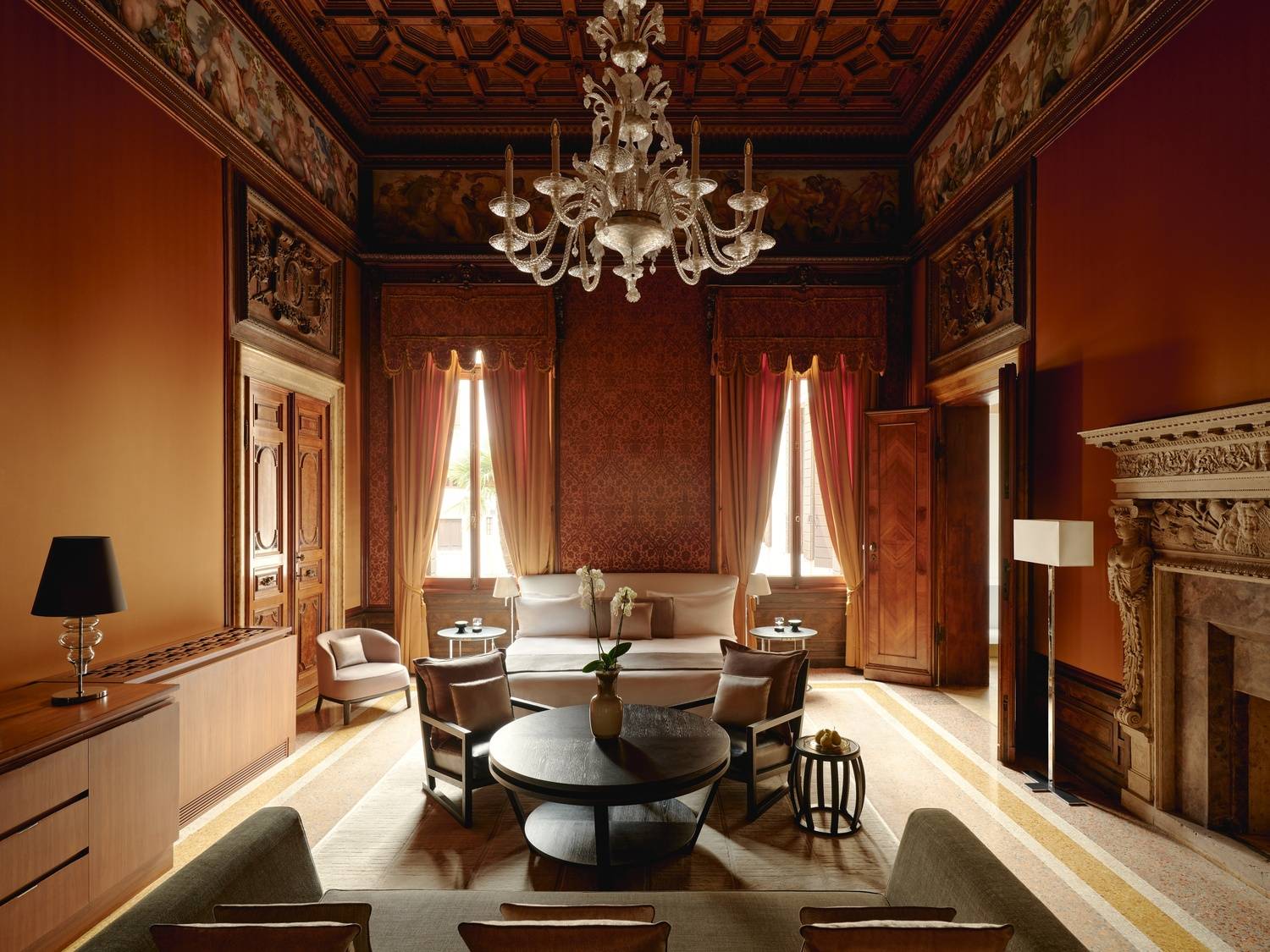
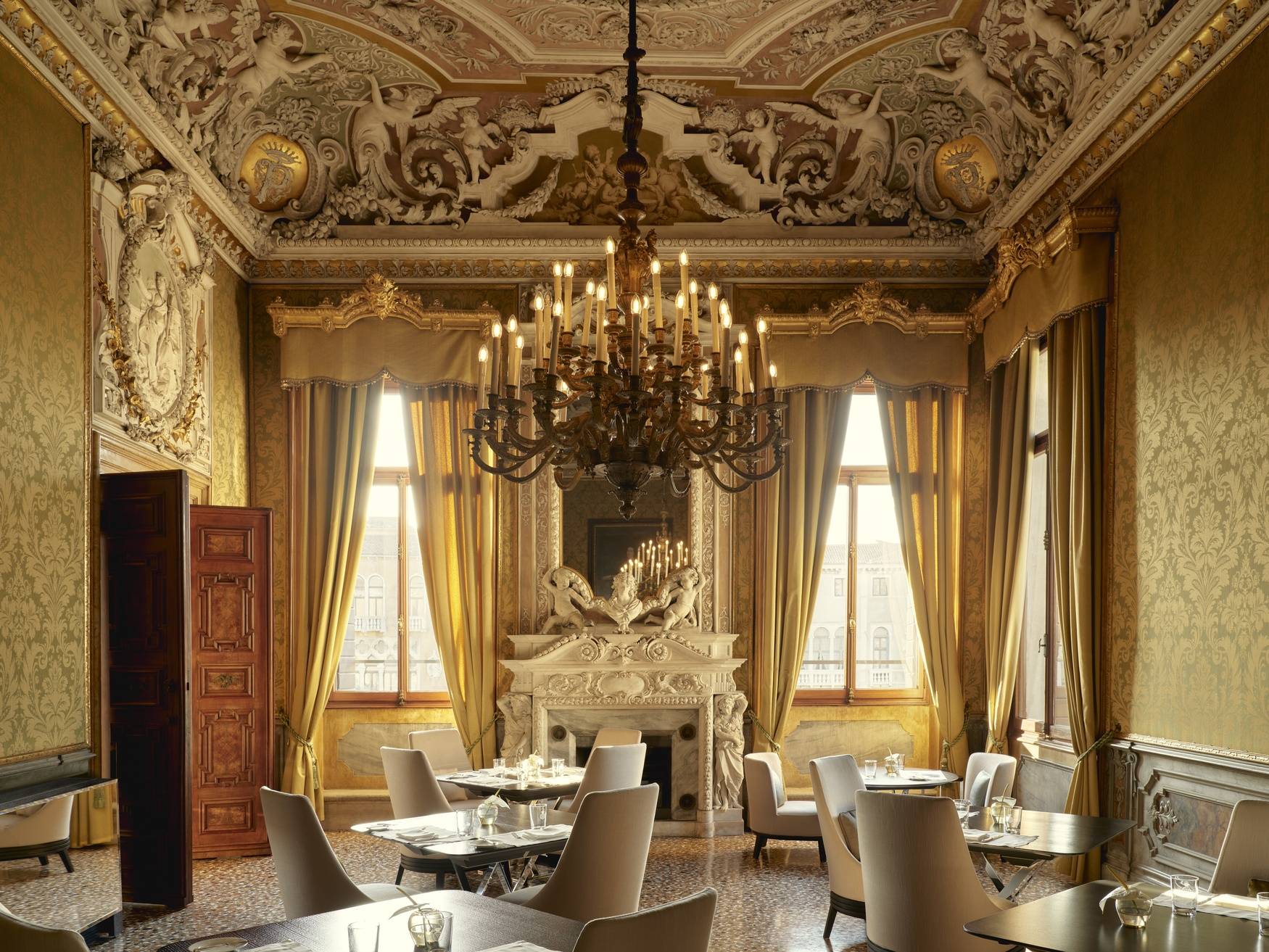
Aman has always been good at subtraction. Here, that characteristic sense of restraint proves especially useful. A more conventional hotel might have overplayed the setting, turning every mural, chandelier, and gilded frame into a dramatic focal point. Palazzo Papadopoli needs no such handling. Stepping inside, there is no mistaking the building’s scale or significance. Original Tiepolo frescoes stretch across ceilings, sculptural fireplaces anchor rooms, Murano glass fittings glisten in the sunlight, and silk-covered walls sit alongside chinoiserie and elaborate Rococo finishes. These are by no means decorative gestures used to create atmosphere; they are the atmosphere, and they belong to the life of the house.
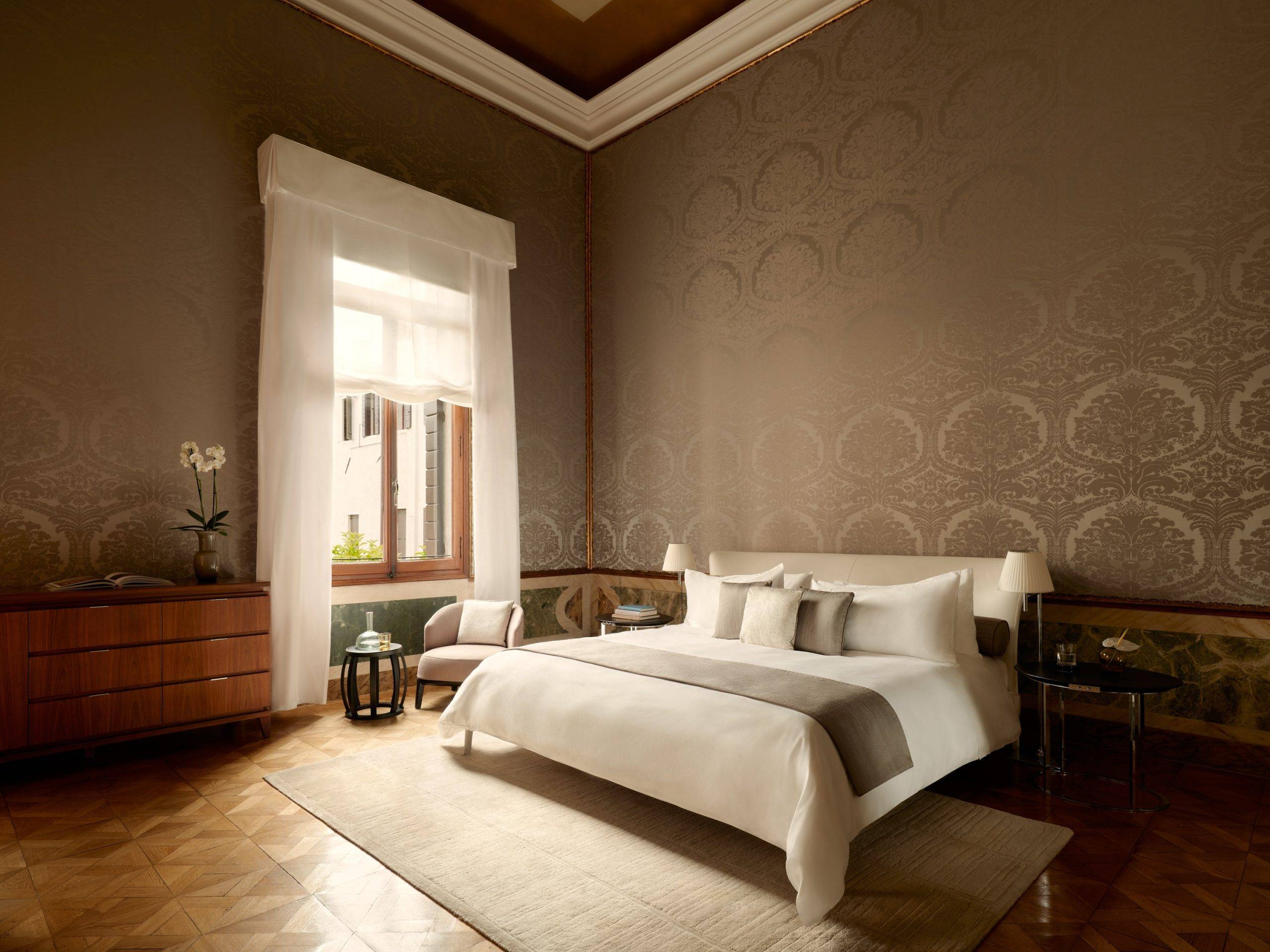
Jean-Michel Gathy, who oversaw the interiors, resisted the temptation to overdesign the space. Rather than dilute the history or attempt to modernise it beyond recognition, the building’s individuality was used to its advantage. This is not a palace broken down to anonymous corridors; the proportions still feel residential. Palazzo Papadopoli was never designed to be a hotel, and thankfully, Aman has not tried to force uniformity upon it. The 24 rooms and suites vary considerably in shape and character because the architecture demands it: some are generous and formal, others more intimate, with views either over the Grand Canal or into the quieter interior life of the house. In the best of them, luxury is not a matter of adding more. It comes from sleeping beneath old plasterwork, opening a window onto the canal to watch the gondolas gliding past, or sitting in a suite where history has not been erased from existence. Everywhere you look, there is a constant reminder that these rooms existed long before hospitality became an industry.
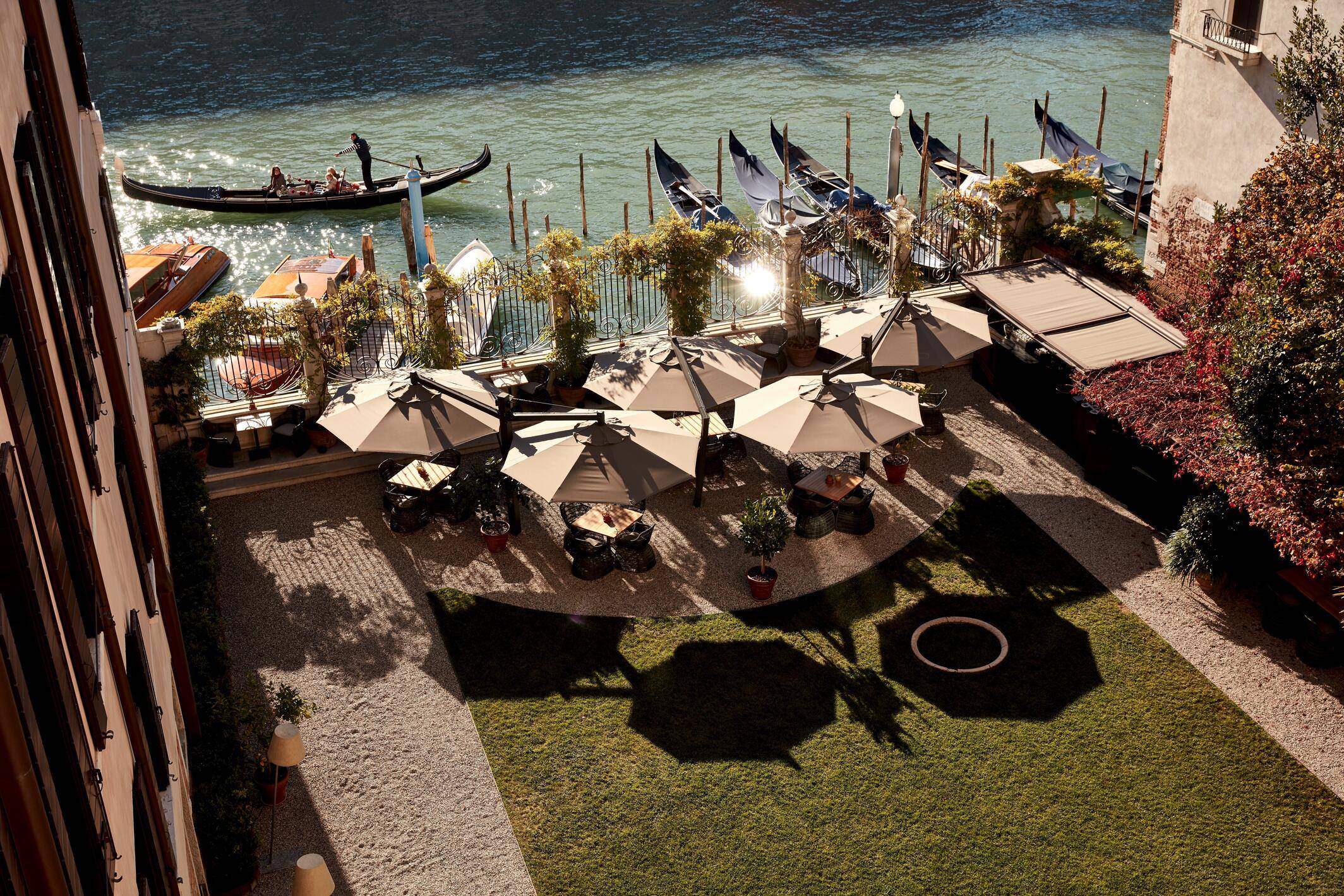
The garden is another one of the great privileges of the palace: Venice is not a place that gives up green space easily, least of all on the Grand Canal. Created in the 19th century by joining neighbouring properties, this private swathe of foliage remains almost improbable in this city of stone and water. Mature trees provide shade over long lunches, pathways cut through carefully planted greenery, and in warmer months, breakfasts and aperitivo arrive accompanied by the sights and sounds of boats passing just steps away. Few hotels in Venice can claim genuine outdoor space; fewer still possess one that feels this secluded.
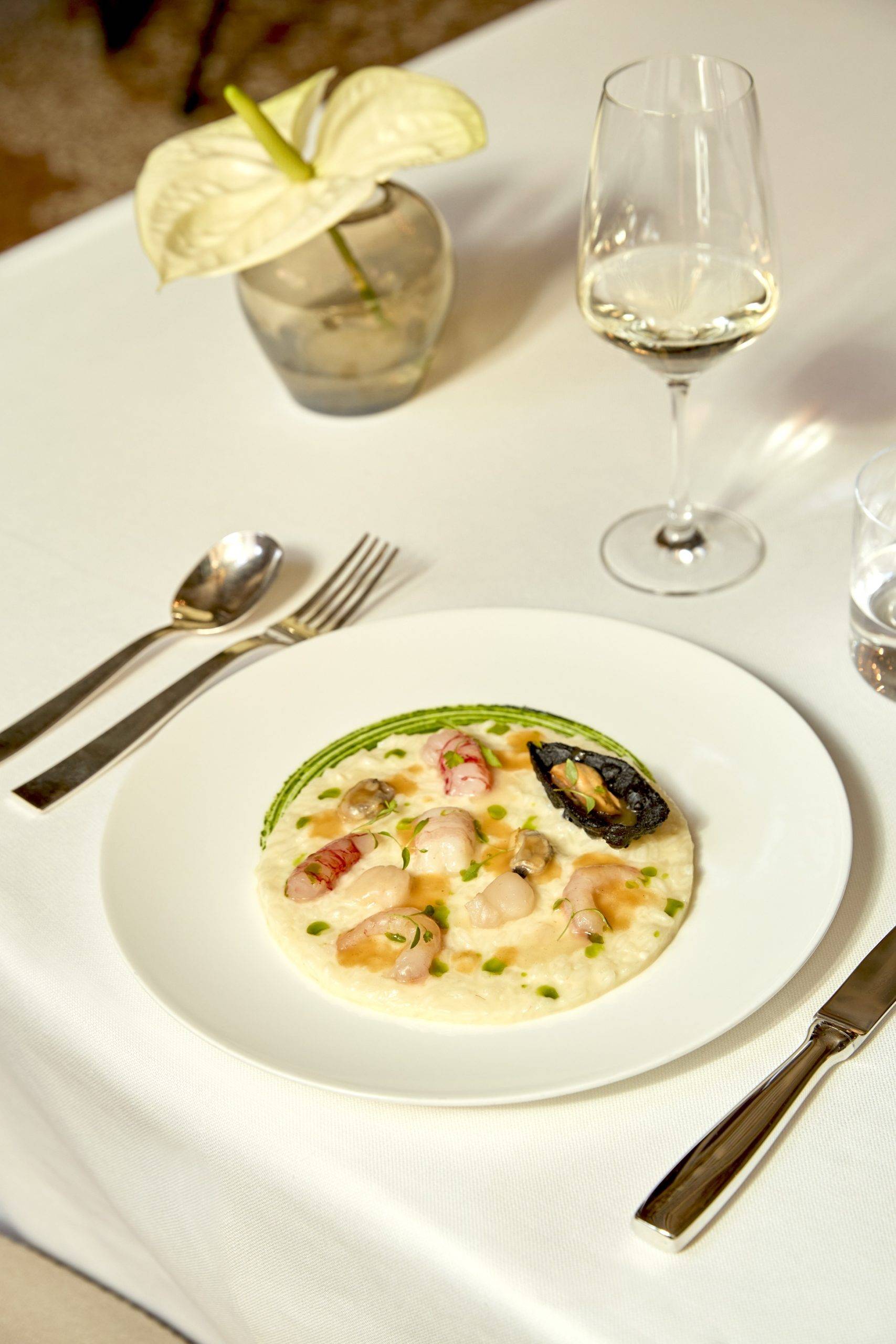
Dining at Aman Venice follows the same philosophy as the rest of the property: deeply rooted in place but elevated ever so gracefully. At Arva, Aman’s signature Italian restaurant set across the piano nobile, Executive Chef Matteo Panfilio works closely with seasonal ingredients and Venetian culinary traditions. Menus change with what nature offers on the day, drawing from locally caught seafood, regional produce, and the surrounding Veneto landscape. There is a welcome sense of connection to Venice beyond the dining room, too. The concierge offers cooking experiences that begin at Rialto Market, where guests walk among fishmongers and produce stalls before returning to the hotel’s kitchen to savour their bounty.
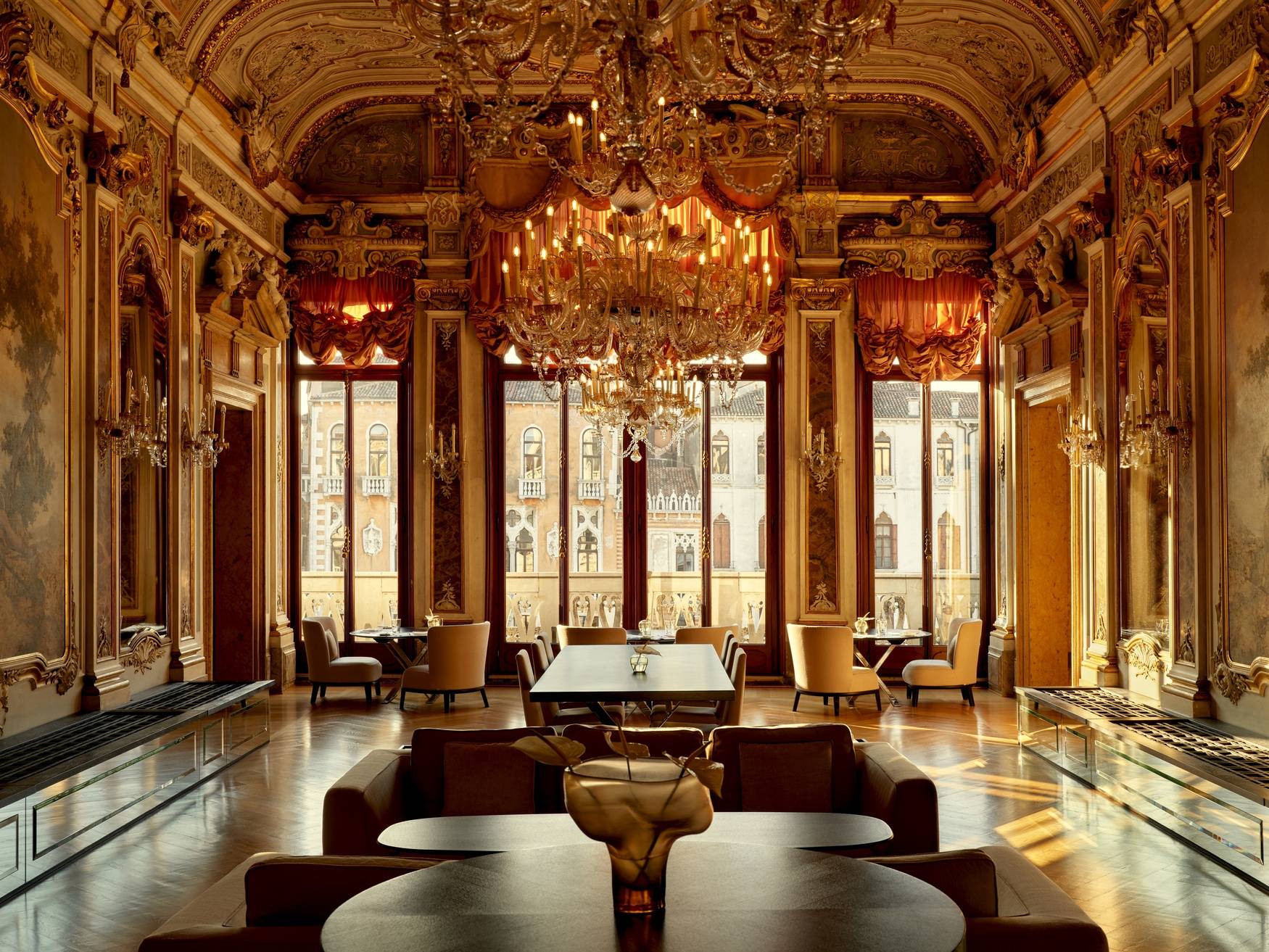
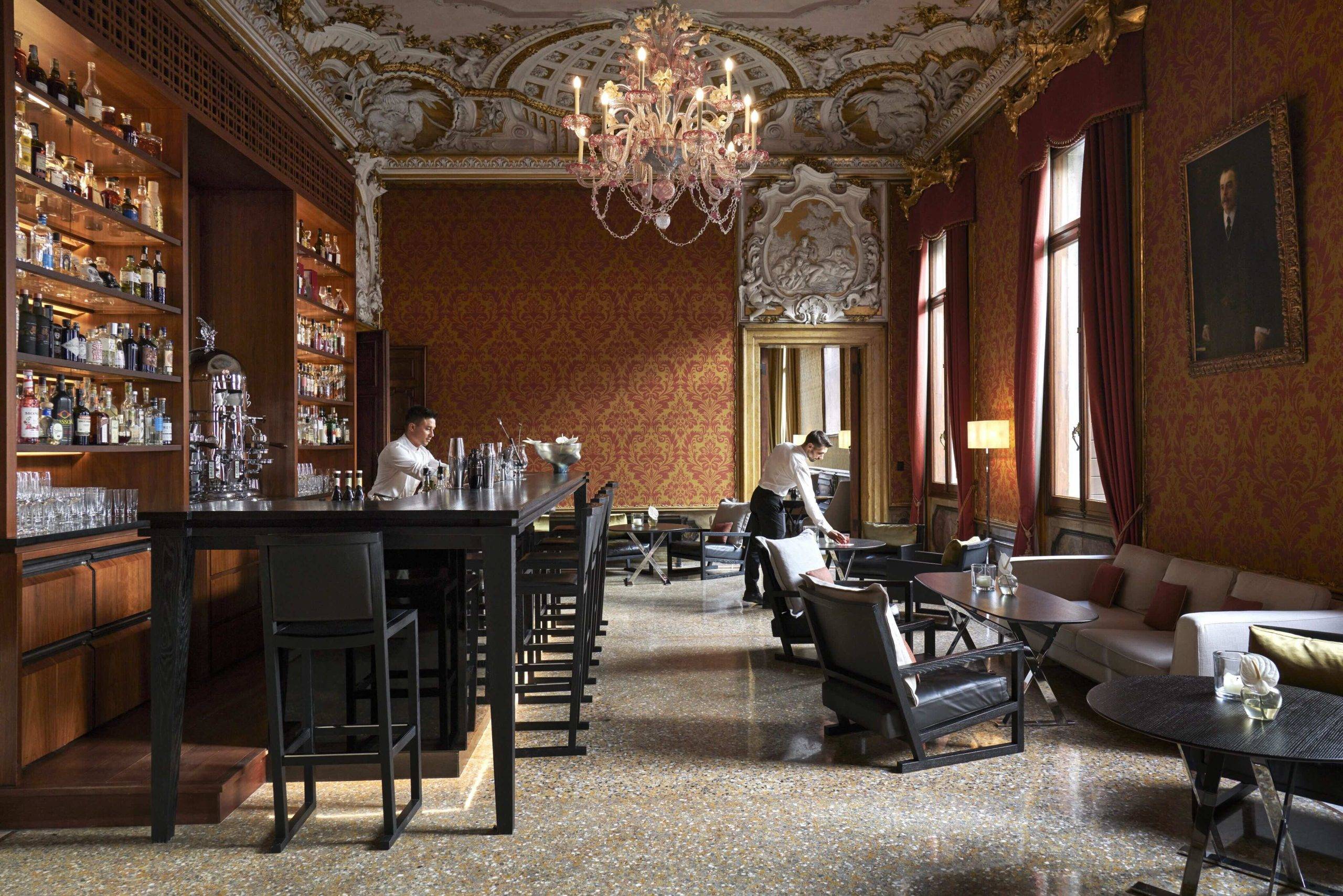
Naturally, as the day winds down, guests find themselves drawn to The Bar, housed within the richly atmospheric Red Room. Once used as the Salone Galleria to display contemporary artworks, the space still retains its majesty, with frescoed ceilings, elaborate stucco detailing, and a vintage piano framing the gardens below. Cocktails here take inspiration from the palazzo itself, translating its decorative language into flavour through carefully considered ingredients and house interpretations of Venetian classics, served alongside sophisticated cicchetti and smaller seasonal dishes.
For even quieter moments of indulgence, head to the spa hidden on the hotel’s upper floors. It may be small, but it punches well above its weight with expert treatments that draw on Italian thermal traditions and a well-equipped fitness studio overlooking the city’s terracotta rooftops.
Whether at dinner, over a drink, in the spa, or upon returning through the hotel’s doors after a day of sightseeing, the hospitality feels intuitive, warm, and welcoming, with a gentleness of service that suits the building beautifully. And this is precisely what gives Aman Venice its edge. It’s not a grand hotel that tries to compete with the city, nor does it feel completely removed from it. Instead, it lets guests step inside a living piece of Venetian history and experience it with the comfort, privacy, and calm of a private home
To find out more about Aman Venice and book, visit the links below:
Aman Venice
Palazzo Papadopoli
Calle Tiepolo, 1364
30215 Venezia
Veneto, Italy
Web: aman.com
Tel: +39 041 2707714
Email: amanvenice.res@aman.com
Instagram: @aman_venice
Necessary cookies are absolutely essential for the website to function properly. These cookies ensure basic functionalities and security features of the website, anonymously.
| Cookie | Duration | Description |
|---|---|---|
| __cfduid | 1 month | The cookie is used by cdn services like CloudFare to identify individual clients behind a shared IP address and apply security settings on a per-client basis. It does not correspond to any user ID in the web application and does not store any personally identifiable information. |
| _abck | 1 year | This cookie is used to detect and defend when a client attempt to replay a cookie.This cookie manages the interaction with online bots and takes the appropriate actions. |
| bm_sz | 4 hours | This cookie is set by the provider Akamai Bot Manager. This cookie is used to manage the interaction with the online bots. It also helps in fraud preventions |
| cookielawinfo-checbox-analytics | 11 months | This cookie is set by GDPR Cookie Consent plugin. The cookie is used to store the user consent for the cookies in the category "Analytics". |
| cookielawinfo-checbox-functional | 11 months | The cookie is set by GDPR cookie consent to record the user consent for the cookies in the category "Functional". |
| cookielawinfo-checbox-others | 11 months | This cookie is set by GDPR Cookie Consent plugin. The cookie is used to store the user consent for the cookies in the category "Other. |
| cookielawinfo-checkbox-advertisement | 1 year | The cookie is set by GDPR cookie consent to record the user consent for the cookies in the category "Advertisement". |
| cookielawinfo-checkbox-necessary | 11 months | This cookie is set by GDPR Cookie Consent plugin. The cookies is used to store the user consent for the cookies in the category "Necessary". |
| cookielawinfo-checkbox-performance | 11 months | This cookie is set by GDPR Cookie Consent plugin. The cookie is used to store the user consent for the cookies in the category "Performance". |
| ts | 3 years | This cookie is provided by the PayPal. It is used to support payment service in a website. |
| ts_c | 3 years | This cookie is provided by PayPal when a website is in association with PayPal payment function. This cookie is used to make safe payment through PayPal. |
| viewed_cookie_policy | 11 months | The cookie is set by the GDPR Cookie Consent plugin and is used to store whether or not user has consented to the use of cookies. It does not store any personal data. |
Functional cookies help to perform certain functionalities like sharing the content of the website on social media platforms, collect feedbacks, and other third-party features.
| Cookie | Duration | Description |
|---|---|---|
| akavpau_ppsd | session | This cookie is provided by Paypal. The cookie is used in context with transactions on the website. |
| nsid | This cookie is set by the provider PayPal. This cookie is used to enable the PayPal payment service in the website. | |
| tsrce | 3 days | This cookie is set by the provider PayPal. This cookie is used to enable the PayPal payment service in the website. |
| x-pp-s | session | This cookie is set by the provider PayPal. This cookie is used to process payments from the site. |
Performance cookies are used to understand and analyze the key performance indexes of the website which helps in delivering a better user experience for the visitors.
| Cookie | Duration | Description |
|---|---|---|
| YSC | session | This cookies is set by Youtube and is used to track the views of embedded videos. |
Analytical cookies are used to understand how visitors interact with the website. These cookies help provide information on metrics the number of visitors, bounce rate, traffic source, etc.
| Cookie | Duration | Description |
|---|---|---|
| _ga | 2 years | This cookie is installed by Google Analytics. The cookie is used to calculate visitor, session, campaign data and keep track of site usage for the site's analytics report. The cookies store information anonymously and assign a randomly generated number to identify unique visitors. |
| _gid | 1 day | This cookie is installed by Google Analytics. The cookie is used to store information of how visitors use a website and helps in creating an analytics report of how the website is doing. The data collected including the number visitors, the source where they have come from, and the pages visted in an anonymous form. |
Advertisement cookies are used to provide visitors with relevant ads and marketing campaigns. These cookies track visitors across websites and collect information to provide customized ads.
| Cookie | Duration | Description |
|---|---|---|
| _fbp | 3 months | This cookie is set by Facebook to deliver advertisement when they are on Facebook or a digital platform powered by Facebook advertising after visiting this website. |
| fr | 3 months | The cookie is set by Facebook to show relevant advertisments to the users and measure and improve the advertisements. The cookie also tracks the behavior of the user across the web on sites that have Facebook pixel or Facebook social plugin. |
| IDE | 1 year 24 days | Used by Google DoubleClick and stores information about how the user uses the website and any other advertisement before visiting the website. This is used to present users with ads that are relevant to them according to the user profile. |
| test_cookie | 15 minutes | This cookie is set by doubleclick.net. The purpose of the cookie is to determine if the user's browser supports cookies. |
| VISITOR_INFO1_LIVE | 5 months 27 days | This cookie is set by Youtube. Used to track the information of the embedded YouTube videos on a website. |
Other uncategorized cookies are those that are being analyzed and have not been classified into a category as yet.
| Cookie | Duration | Description |
|---|---|---|
| _gat_gtag_UA_120081375_1 | 1 minute | This cookie is installed by Google Analytics. The cookie is used to calculate visitor, session, campaign data and keep track of site usage for the site's analytics report. The cookies store information anonymously and assign a randomly generated number to identify unique visitors. |
| _gat_gtag_UA_83740222_1 | 1 minute | This cookie is installed by Google Analytics. The cookie is used to calculate visitor, session, campaign data and keep track of site usage for the site's analytics report. The cookies store information anonymously and assign a randomly generated number to identify unique visitors. |
| _mcid | 1 year | No description |
| ak_bmsc | 2 hours | No description |
| CONSENT | 16 years 9 months 2 days 6 hours | No description |
| ec_store_chameleon_font | session | This cookie is provided by Ecwid and it is used to save the font utilised in the website's online store. |
| enforce_policy | 1 year | No description |
| l7_az | 30 minutes | No description |
| LANG | 9 hours | No description |
| x-cdn | This cookie is provided by Paypal and is used in context with shopping transactions on the website's store. |