


Saints Hills: Croatia in Two Glasses
From the sun-struck slopes of Pelješac to the red earth of Istria, Saints Hills is a family winery shaped by place, patience and a deep affection for Croatian terroir.
There are wineries that belong to a region, and then there are wineries that seem to carry several landscapes within them. Saints Hills falls into the latter category. Founded by the Tolj family in 2006, this boutique Croatian winery has built its identity around the country’s native grape varieties, its most expressive vineyard sites, and a belief that wine should feel inseparable from the place in which it is grown.
Its story moves between two very different parts of Croatia. In Dalmatia, on the Pelješac peninsula, the landscape is dramatic and elemental: steep slopes, stone, sea air and Plavac Mali vines clinging to land that often has to be worked by hand. In Istria, the setting is softer. There are red soils, limestone, olive trees, and forests, with white wines shaped by Malvazija Istriana, Chardonnay, Sauvignon Blanc, and Semillon. Together, these two vineyard worlds give Saints Hills its character: southern intensity balanced by northern brightness.
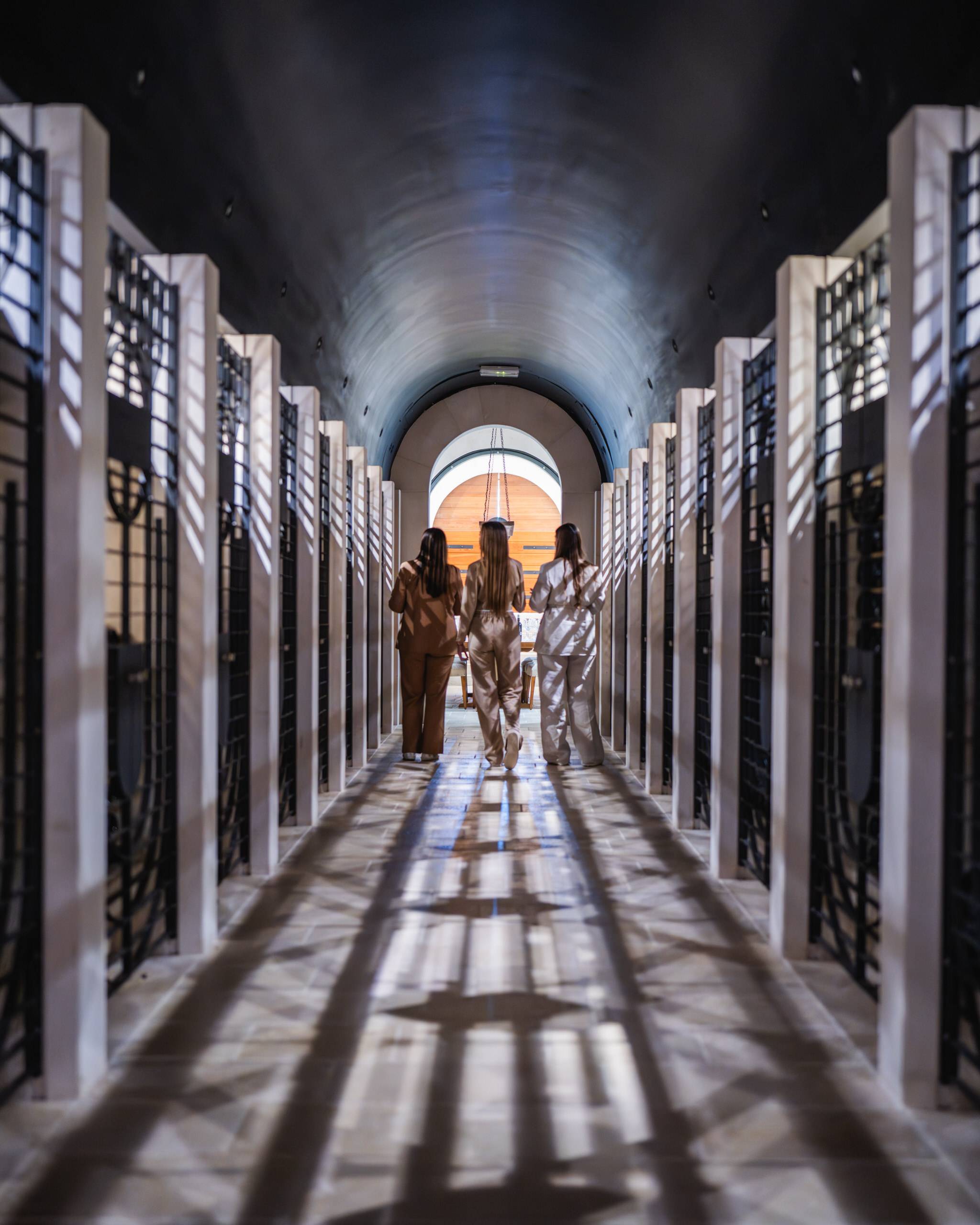
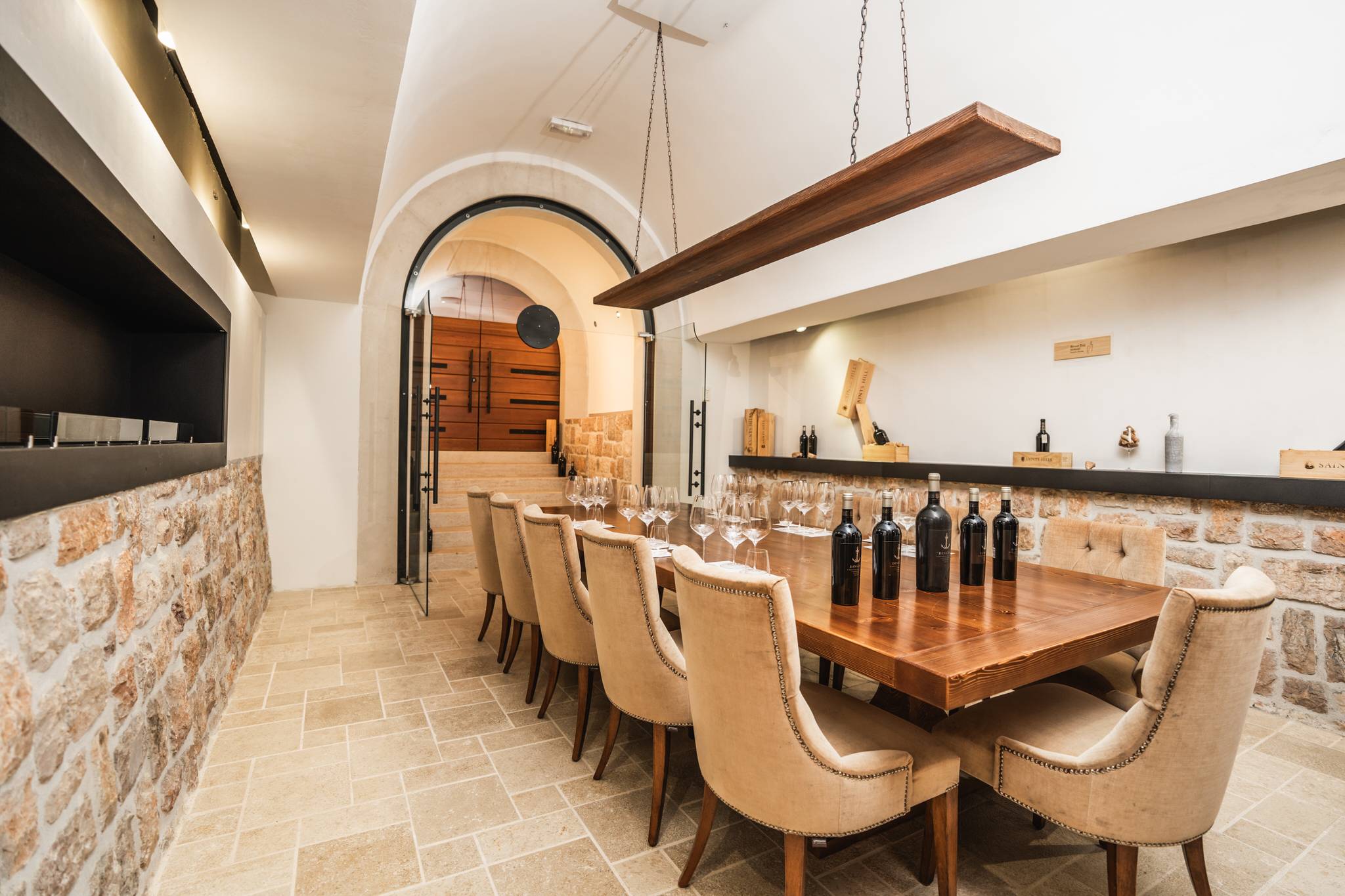
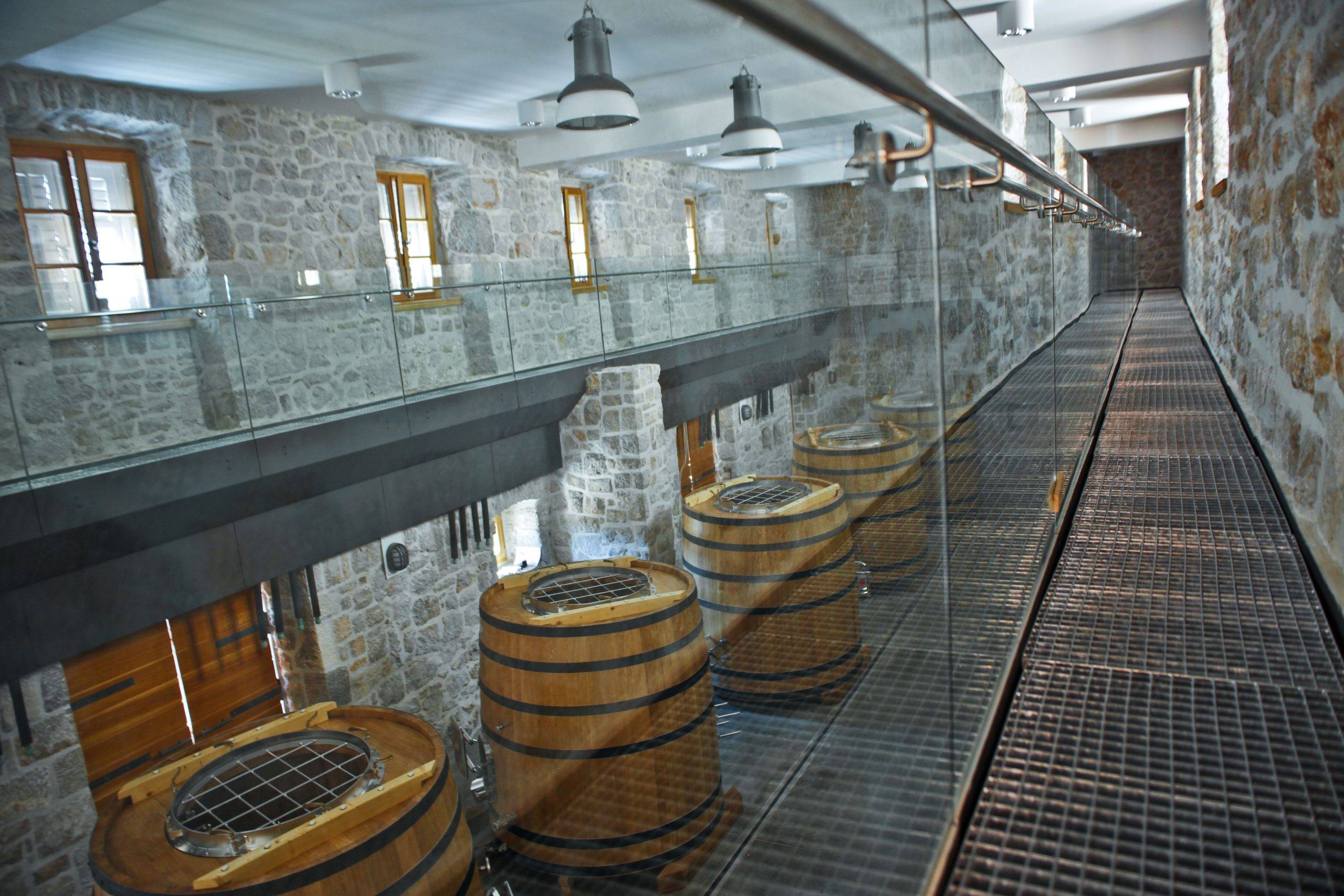
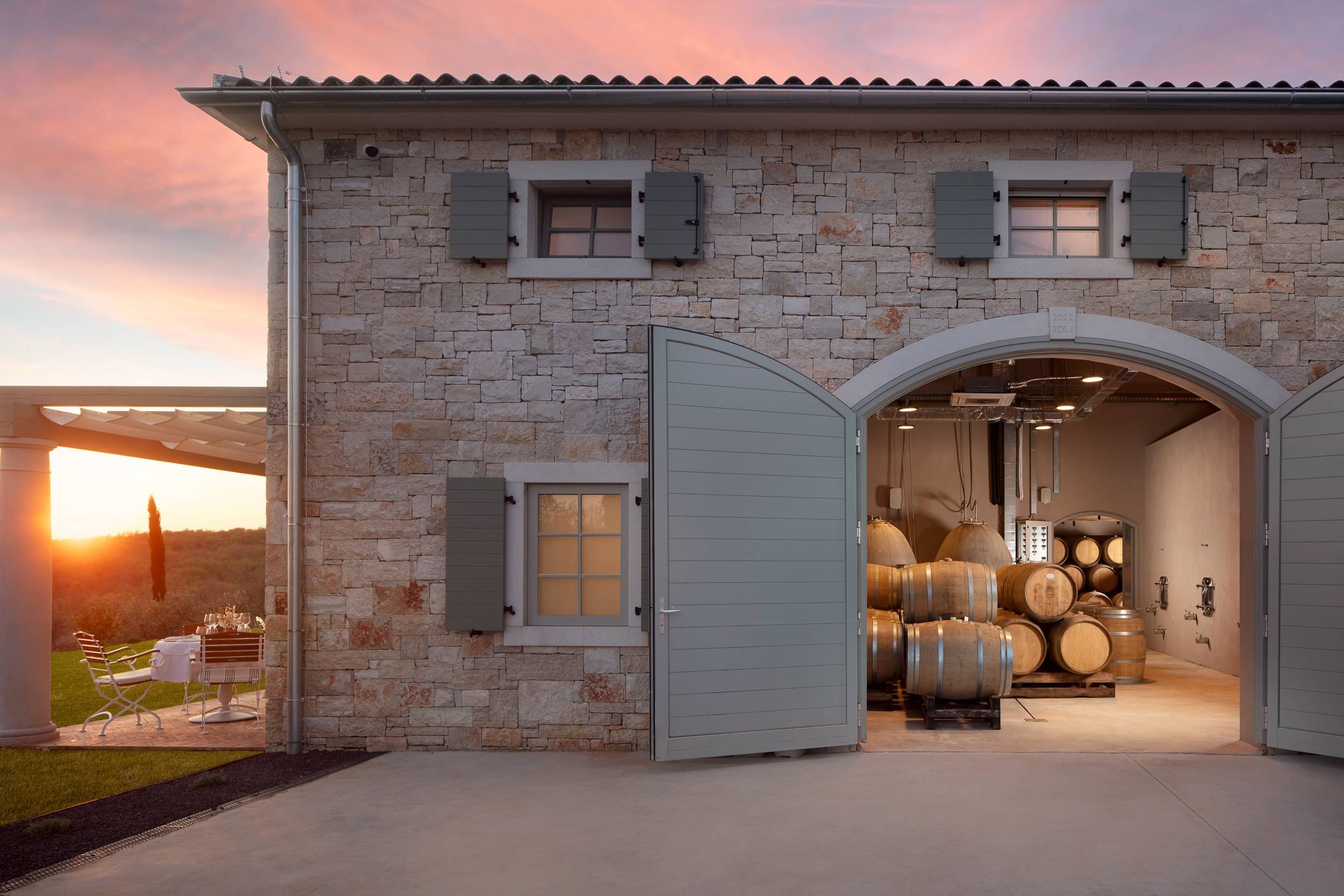
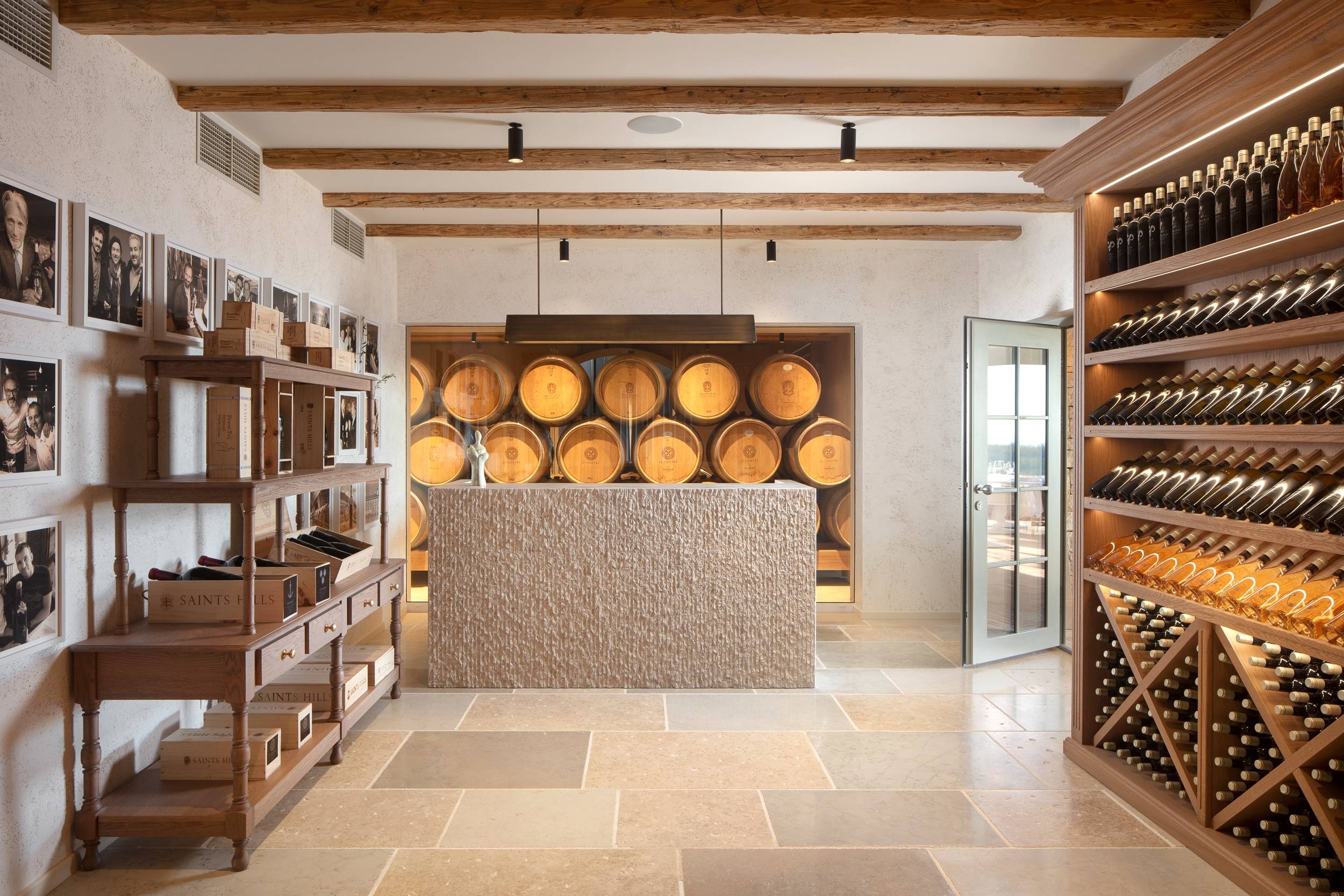
The Dalmatian heart of the estate lies on Pelješac, one of Croatia’s most picturesque wine regions. This is the home of Saints Hills’ Vinaria, set within an old stone house that was brought back to life after decades of silence. The building’s traditional bones remain part of its charm, but inside, the approach is modern and precise, combining old Dalmatian character with contemporary winemaking knowledge. This is where the family’s philosophy is most evident: honouring the past, understanding the land, and allowing the wine to express itself clearly.
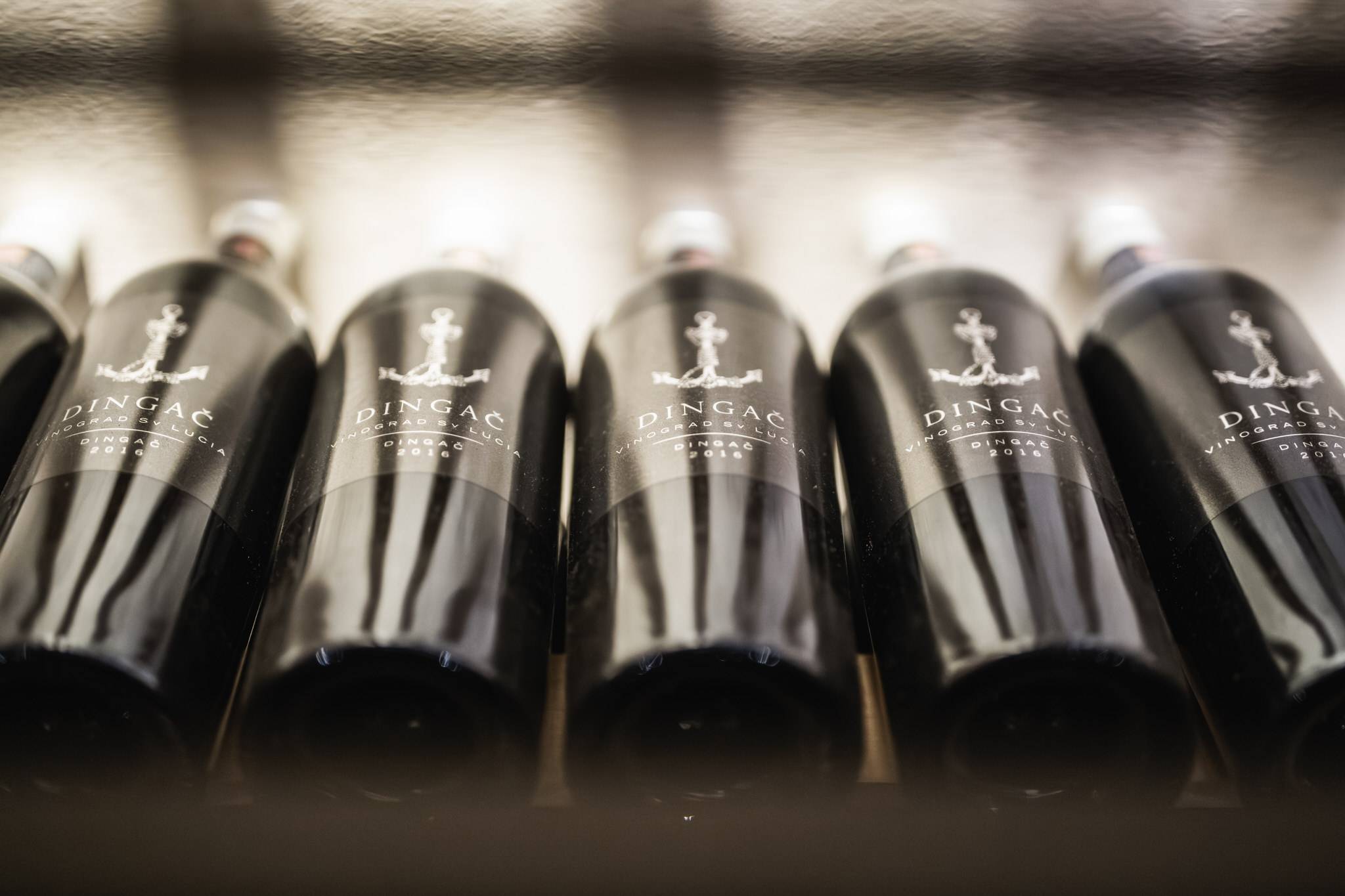
The vineyards around here do not lend themselves to shortcuts. On the famed slopes of Dingač, where the Saints Hills Sv. Lucia vines are planted, the landscape is demanding and beautiful in equal measure. Rooted in stony earth, the vineyards look out towards the Adriatic, exposed to sun and wind. Nature sets the terms here, and the wines carry that effort: ripe, structured and full of the warmth of the south. Saints Hills’ Dingač, made from 100% Plavac Mali, is the fullest expression of this site, a wine built around depth, concentration, and the distinctive identity of one of Croatia’s most important appellations.
Nearby, in Komarna, the Sv. Roko Vineyard offers a different embodiment of the same grape. Also planted with Plavac Mali, this south-facing, stone-rich site gives the winery a red wine with freshness, minerality and a more food-friendly character. Sv. Roko feels like the livelier counterpoint to Dingač: still unmistakably Dalmatian, but with a brightness that makes it particularly versatile at the table. Even the rosé, St Heels, comes from Plavac Mali grown on the Dingač slopes, made in a fresher, fruit-driven style that captures another side of the same rugged terrain.
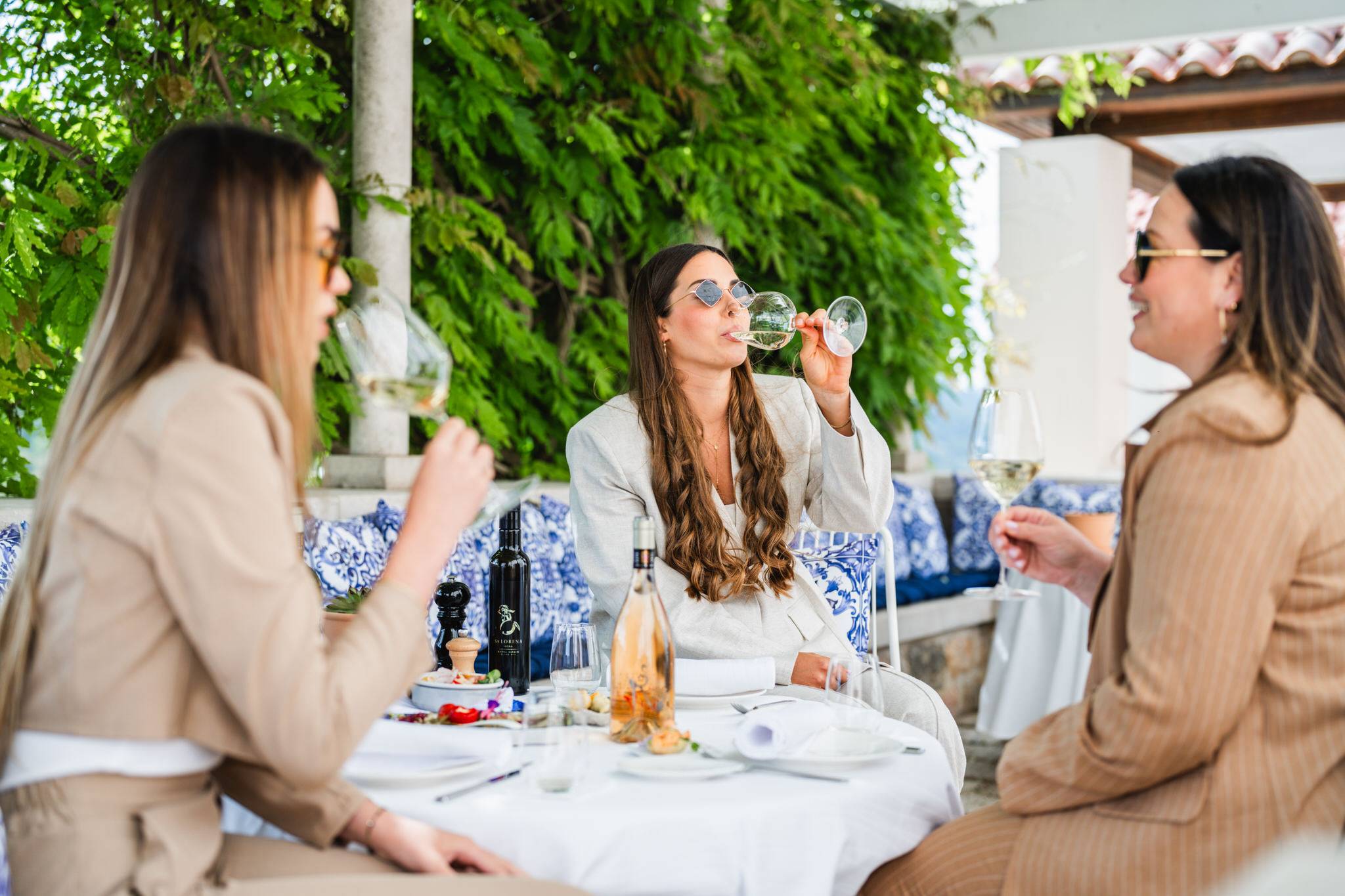
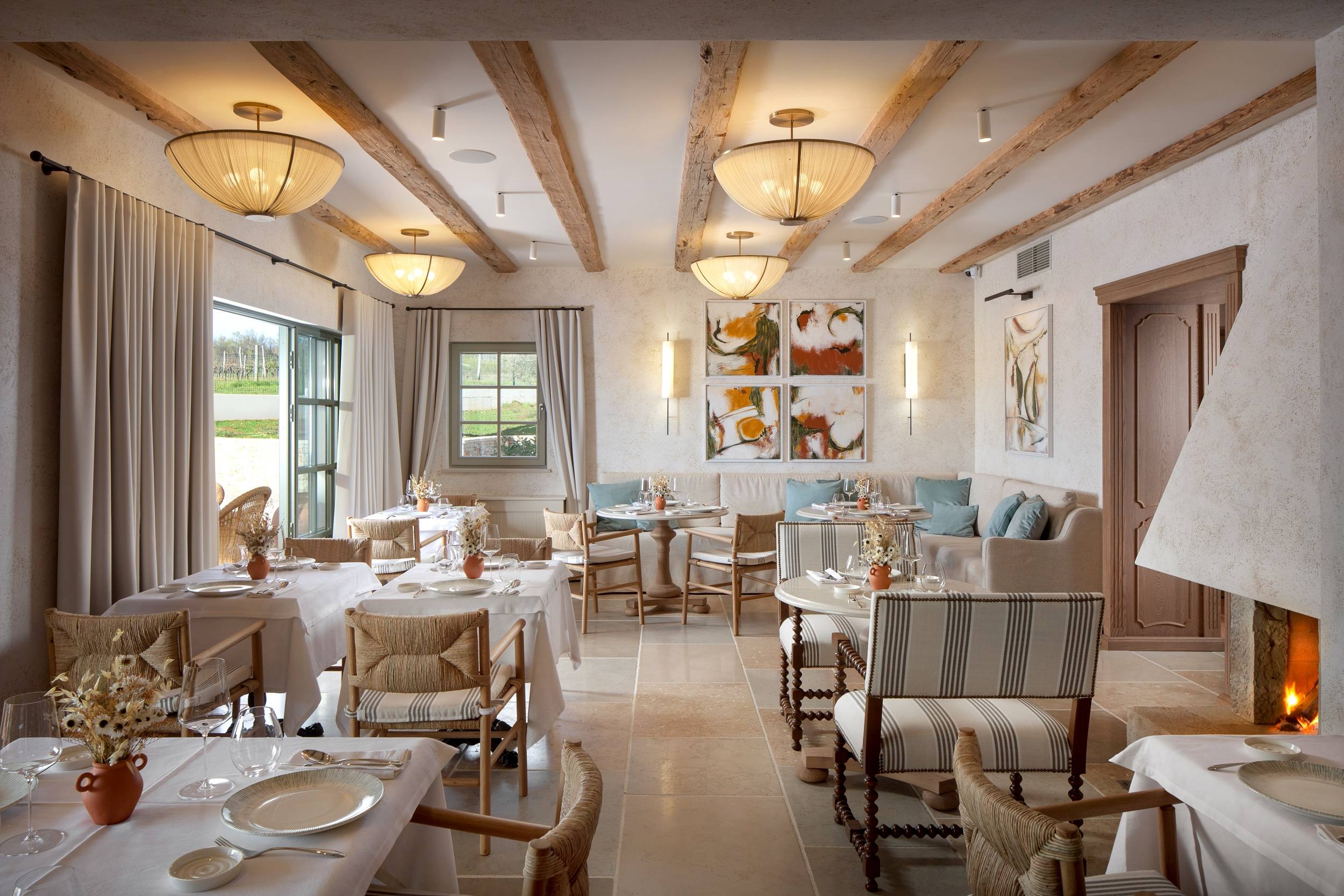
Food plays an important role at Vinaria, too. The restaurant follows the traditions of Dalmatian cooking, with fresh local ingredients, produce from the garden and authentic recipes given a lighter, more contemporary hand. It is the kind of setting where the wines make even more sense: Plavac Mali beside dishes rooted in the same region, stone walls around you, the peninsula just beyond the glass.
Yet to understand Saints Hills fully, one has to travel north to Istria. In many ways, this is where the story began. The first wine made under the Saints Hills name came from Istrian grapes, with Nevina 2007 produced from old vines on the land where the winery’s Istrian Cantina now stands. That early wine wasn’t produced for commercial release, but it established the foundation for an important part of the estate’s identity.
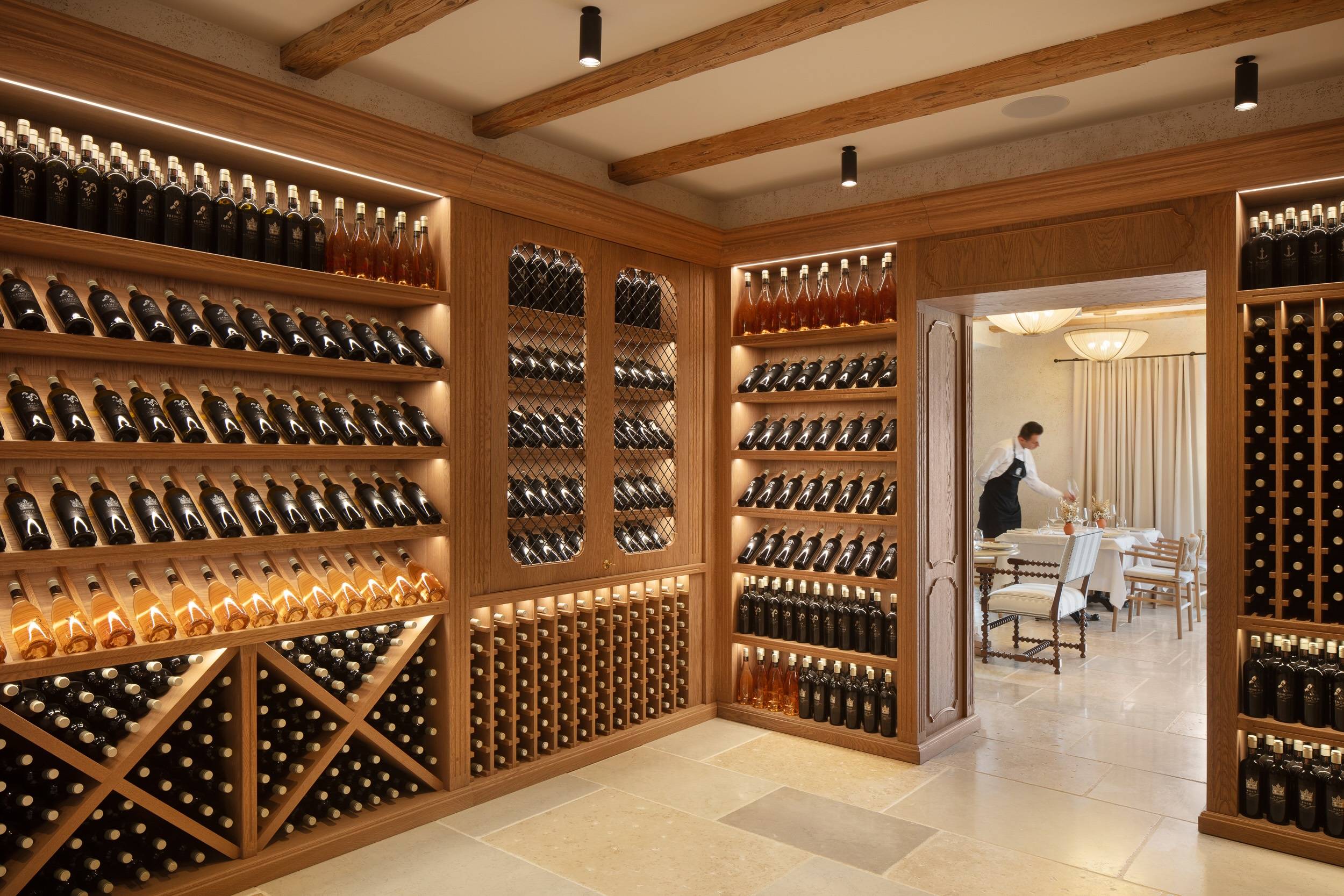
Today, the Sv. Ante vineyard in Radovani, near Višnjan and not far from Poreč, is the Istrian home of Saints Hills’ white wines. It is a very different landscape to Pelješac: green and plentiful, with red earth threaded with limestone and a gentle south-facing slope that suits white varieties beautifully. Here, Malvazija Istriana and Chardonnay form the backbone of Mala Nevina, while Sauvignon Blanc and Semillon come together in Frenchie. Le Chiffre, a 100% Chardonnay aged in new Burgundy barriques, shows a more layered and gastronomic side of the estate’s Istrian vineyard.
The opening of the Cantina has given this northern chapter its own physical home. Set among vineyards, olive trees and Istrian woodland, it was conceived as a tribute to the Istrian way of life: wine, food, nature and hospitality gathered together without fuss. The family describes themselves as Dalmatian at heart but at home in Istria, and that meeting of identities gives the place its warmth. At the Cantina, guests can taste the white wines where they are born, eat seasonal local food and stay in one of three apartments named after the estate’s Istrian wines: Mala, Frenchie and Le Chiffre.
What makes Saints Hills unique is not simply that it operates in two regions, but that it allows both to remain distinct. The Dalmatian vineyards bring sun, salt and the full-bodied strength of Plavac Mali; Istria, by contrast, adds freshness, texture and delicate aromatics. One is carved from stone and sea; the other rises from red earth and green abundance.
The family thread ties it all together. The vineyards themselves carry the names of the Tolj children: Lucia in Dingač, Roko in Komarna and Ante in Istria, while the youngest, Lorena, is linked to the estate’s olive trees. It is a personal detail, but one that says a great deal about the scale and spirit of Saints Hills. It is a family project, built across landscapes, generations and a very clear love for Croatia.
In a country whose wines are still being discovered by many international drinkers, Saints Hills offers a powerful introduction. Not because it simplifies Croatian wine, but because it shows how varied and expressive it can be. A glass of Dingač speaks of Pelješac in full sun. A glass of Mala Nevina brings Istria’s red soil and limestone into focus. Together, they highlight Croatia as a top wine destination in Europe and position Saints Hills as a key brand passionately sharing that story.
To find out more about Saints Hills and its wines, visit the website, Facebook page or Instagram profile…
Necessary cookies are absolutely essential for the website to function properly. These cookies ensure basic functionalities and security features of the website, anonymously.
| Cookie | Duration | Description |
|---|---|---|
| __cfduid | 1 month | The cookie is used by cdn services like CloudFare to identify individual clients behind a shared IP address and apply security settings on a per-client basis. It does not correspond to any user ID in the web application and does not store any personally identifiable information. |
| _abck | 1 year | This cookie is used to detect and defend when a client attempt to replay a cookie.This cookie manages the interaction with online bots and takes the appropriate actions. |
| bm_sz | 4 hours | This cookie is set by the provider Akamai Bot Manager. This cookie is used to manage the interaction with the online bots. It also helps in fraud preventions |
| cookielawinfo-checbox-analytics | 11 months | This cookie is set by GDPR Cookie Consent plugin. The cookie is used to store the user consent for the cookies in the category "Analytics". |
| cookielawinfo-checbox-functional | 11 months | The cookie is set by GDPR cookie consent to record the user consent for the cookies in the category "Functional". |
| cookielawinfo-checbox-others | 11 months | This cookie is set by GDPR Cookie Consent plugin. The cookie is used to store the user consent for the cookies in the category "Other. |
| cookielawinfo-checkbox-advertisement | 1 year | The cookie is set by GDPR cookie consent to record the user consent for the cookies in the category "Advertisement". |
| cookielawinfo-checkbox-necessary | 11 months | This cookie is set by GDPR Cookie Consent plugin. The cookies is used to store the user consent for the cookies in the category "Necessary". |
| cookielawinfo-checkbox-performance | 11 months | This cookie is set by GDPR Cookie Consent plugin. The cookie is used to store the user consent for the cookies in the category "Performance". |
| ts | 3 years | This cookie is provided by the PayPal. It is used to support payment service in a website. |
| ts_c | 3 years | This cookie is provided by PayPal when a website is in association with PayPal payment function. This cookie is used to make safe payment through PayPal. |
| viewed_cookie_policy | 11 months | The cookie is set by the GDPR Cookie Consent plugin and is used to store whether or not user has consented to the use of cookies. It does not store any personal data. |
Functional cookies help to perform certain functionalities like sharing the content of the website on social media platforms, collect feedbacks, and other third-party features.
| Cookie | Duration | Description |
|---|---|---|
| akavpau_ppsd | session | This cookie is provided by Paypal. The cookie is used in context with transactions on the website. |
| nsid | This cookie is set by the provider PayPal. This cookie is used to enable the PayPal payment service in the website. | |
| tsrce | 3 days | This cookie is set by the provider PayPal. This cookie is used to enable the PayPal payment service in the website. |
| x-pp-s | session | This cookie is set by the provider PayPal. This cookie is used to process payments from the site. |
Performance cookies are used to understand and analyze the key performance indexes of the website which helps in delivering a better user experience for the visitors.
| Cookie | Duration | Description |
|---|---|---|
| YSC | session | This cookies is set by Youtube and is used to track the views of embedded videos. |
Analytical cookies are used to understand how visitors interact with the website. These cookies help provide information on metrics the number of visitors, bounce rate, traffic source, etc.
| Cookie | Duration | Description |
|---|---|---|
| _ga | 2 years | This cookie is installed by Google Analytics. The cookie is used to calculate visitor, session, campaign data and keep track of site usage for the site's analytics report. The cookies store information anonymously and assign a randomly generated number to identify unique visitors. |
| _gid | 1 day | This cookie is installed by Google Analytics. The cookie is used to store information of how visitors use a website and helps in creating an analytics report of how the website is doing. The data collected including the number visitors, the source where they have come from, and the pages visted in an anonymous form. |
Advertisement cookies are used to provide visitors with relevant ads and marketing campaigns. These cookies track visitors across websites and collect information to provide customized ads.
| Cookie | Duration | Description |
|---|---|---|
| _fbp | 3 months | This cookie is set by Facebook to deliver advertisement when they are on Facebook or a digital platform powered by Facebook advertising after visiting this website. |
| fr | 3 months | The cookie is set by Facebook to show relevant advertisments to the users and measure and improve the advertisements. The cookie also tracks the behavior of the user across the web on sites that have Facebook pixel or Facebook social plugin. |
| IDE | 1 year 24 days | Used by Google DoubleClick and stores information about how the user uses the website and any other advertisement before visiting the website. This is used to present users with ads that are relevant to them according to the user profile. |
| test_cookie | 15 minutes | This cookie is set by doubleclick.net. The purpose of the cookie is to determine if the user's browser supports cookies. |
| VISITOR_INFO1_LIVE | 5 months 27 days | This cookie is set by Youtube. Used to track the information of the embedded YouTube videos on a website. |
Other uncategorized cookies are those that are being analyzed and have not been classified into a category as yet.
| Cookie | Duration | Description |
|---|---|---|
| _gat_gtag_UA_120081375_1 | 1 minute | This cookie is installed by Google Analytics. The cookie is used to calculate visitor, session, campaign data and keep track of site usage for the site's analytics report. The cookies store information anonymously and assign a randomly generated number to identify unique visitors. |
| _gat_gtag_UA_83740222_1 | 1 minute | This cookie is installed by Google Analytics. The cookie is used to calculate visitor, session, campaign data and keep track of site usage for the site's analytics report. The cookies store information anonymously and assign a randomly generated number to identify unique visitors. |
| _mcid | 1 year | No description |
| ak_bmsc | 2 hours | No description |
| CONSENT | 16 years 9 months 2 days 6 hours | No description |
| ec_store_chameleon_font | session | This cookie is provided by Ecwid and it is used to save the font utilised in the website's online store. |
| enforce_policy | 1 year | No description |
| l7_az | 30 minutes | No description |
| LANG | 9 hours | No description |
| x-cdn | This cookie is provided by Paypal and is used in context with shopping transactions on the website's store. |