


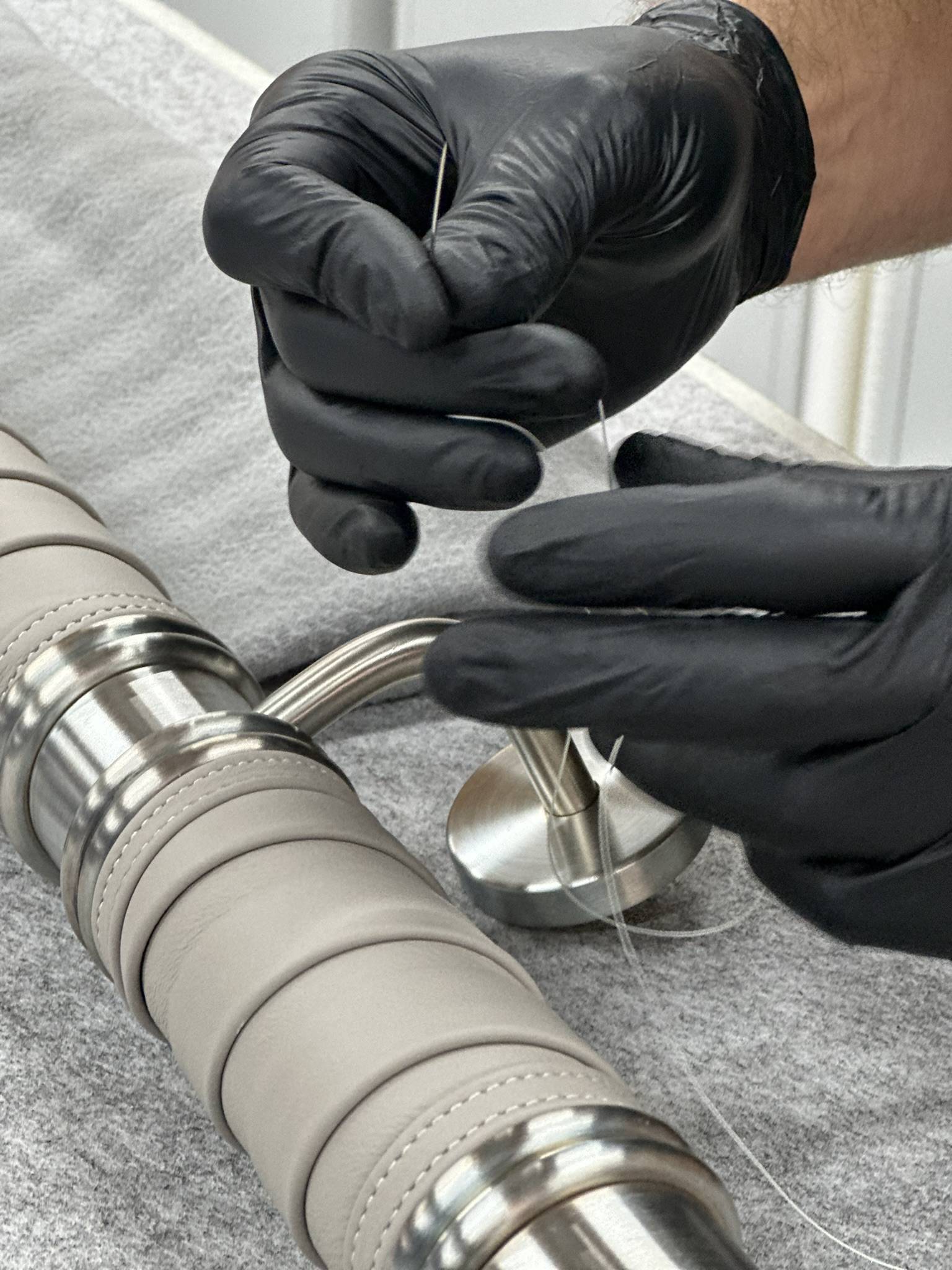
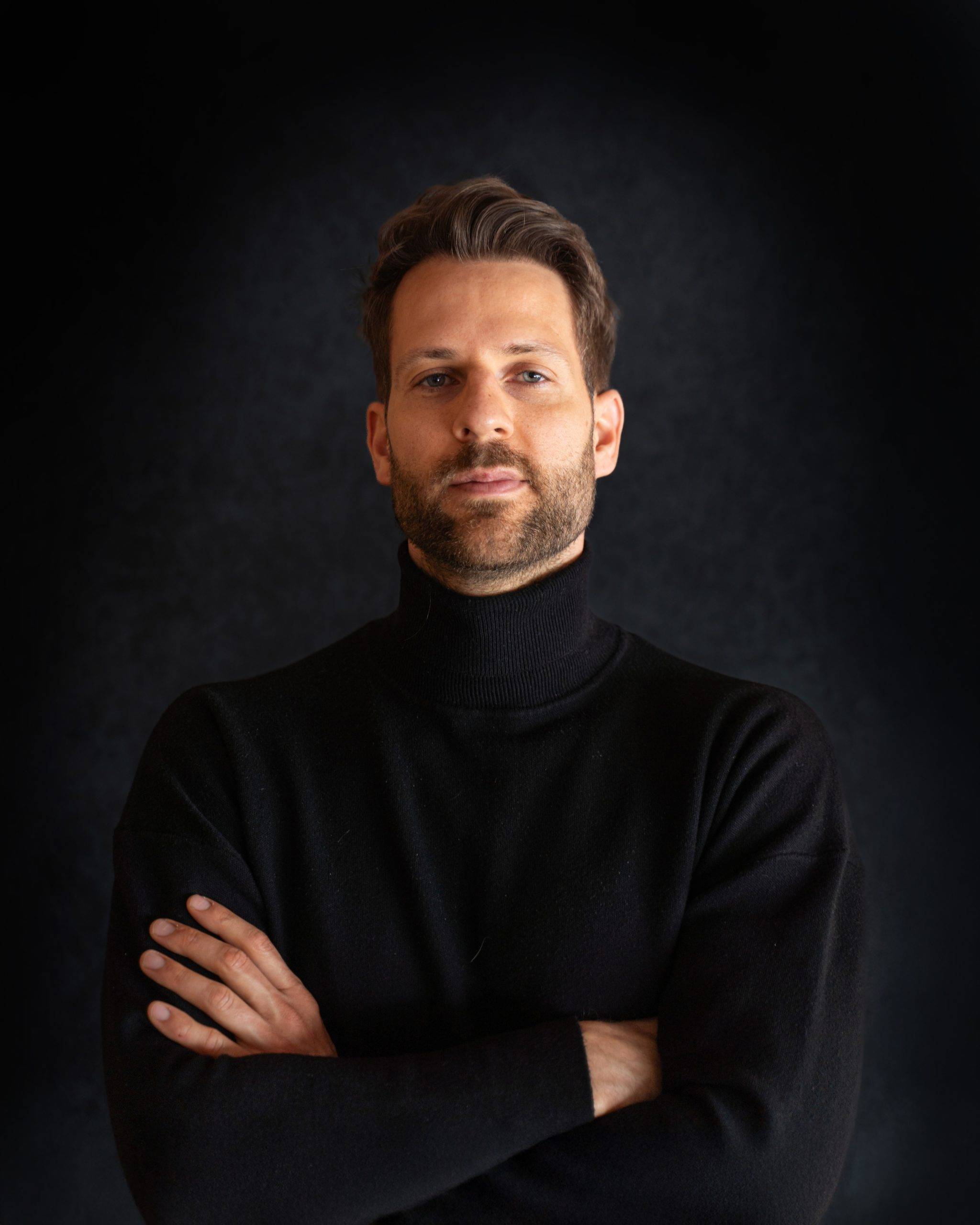
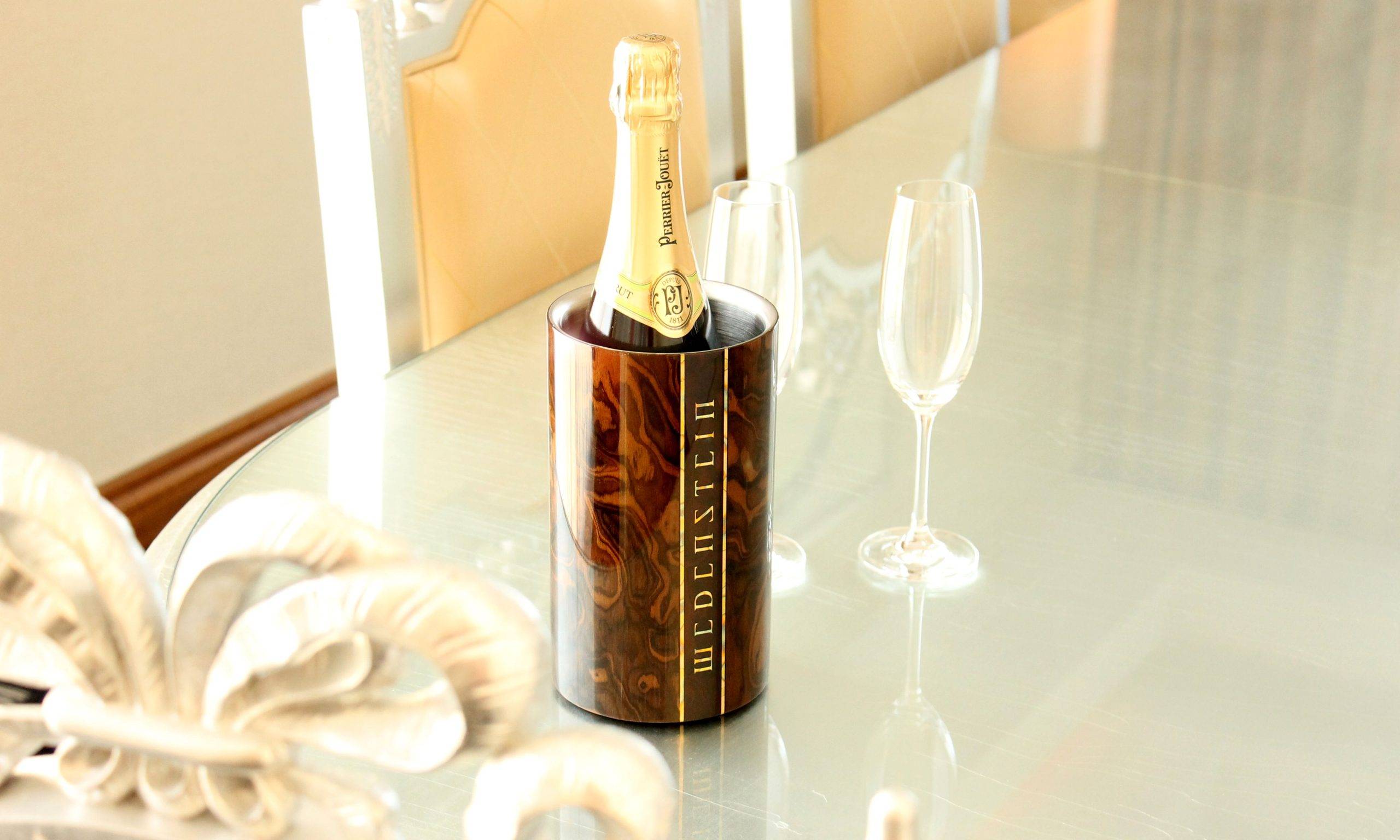
Founded in 2011, WEDENSTEIN began as Christoph Wedenstein’s way of bringing together two sides of himself: artist and engineer. Today, the Austrian atelier works across superyachts, private residences, bespoke furniture, decorative surfaces, and sculptural pieces, creating highly specialised interiors. Its identity lies not in a signature look, but in an ability to take on complex, often unusual commissions—the kind that demand imagination, patience, and exacting execution. Here, he shares how WEDENSTEIN has grown from a personal creative impulse into a specialist atelier for some of the world’s most demanding interiors…
Tell us more about how and why you founded WEDENSTEIN?
Both the how and the why make me grin a little, I have to say. It was quite an impulsive decision in November 2011. I was an artist at heart and an engineer by education, already working in both fields. I guess I just wanted to finally combine those two trades to feel whole and content in what I was doing. I was bloody young and naive, but already quite experienced in arts and crafts—I think there was also a component of “I can do this, and I’ll prove it”.
What are some of the company’s guiding principles, and what sets it apart in the world of high-end interiors?
We have some written-down principles in terms of what we don’t want to do, which mostly relate to ethical standards. Other than that, we welcome the challenges coming our way and decide whether this is something we should take on or not. We appreciate every single inquiry, but we look out more for unique jobs, putting ourselves in a field where the competition doesn’t follow.
To set oneself apart in terms of quality nowadays is an illusion. There are unbelievable professional high-quality suppliers out there, and we respect all of them enormously. For us, the USP is more in the field of creativity. Jobs that require complex combinations of materials and trades that normally have nothing to do with each other are our playground.
WEDENSTEIN brings together traditional craftsmanship and modern engineering. How do those two sides of the business work together in practice?
I think it is the perfect symbiosis. The dry, calculative side of the engineering brings the right dose of sobriety to the game, while the influences of art and craftsmanship add light-footedness and joy. Without one or the other, I wouldn’t function properly, and the company wouldn’t function properly either. The megayacht business requires the highest level of professionalism. The people involved are in desperate need of a creative approach and a tiny bit of humour. Playing both instruments is very fulfilling.
What first drew you personally to craftsmanship, materials, and bespoke interior detailing? How has that passion evolved in the business over the last couple of years?
What a great question. I think that to put yourself into that field for the long term, you have to be a bit of a maniac and obsessive. Curiosity is what makes you touch the water; stubbornness keeps you going; and bulletproof, iron dedication is what brings you close to the (moving) target from time to time. You have to be, or become, a very tough cookie. For the first 10 years in the creative field, I did not grant myself a single day off. I was passion-driven to the core. Over the years, the passion naturally fades a bit as you implement business structures and operate a bit more calculatedly.
If the passion were to disappear one day, I’d quit immediately. I’ve been close to that point twice because of an overwhelming workload. Now I’m quite confident I can keep it balanced for a few more decades.
As an owner-driven Austrian company, how does that shape the way you approach projects and client relationships?
I think that growing up in this beautiful country gave me a lot of good traits and many other traits. Austrian people can be very stubborn and prone to complaining about tiny things, too. Well, here we are—not always the best framework for social interactions, but the perfect premise for creating impossibly detailed work.
Despite all their unique characteristics, Austrians are appreciated around the world and respected for their accuracy in executing and managing things. I quickly found out that everywhere I go, a collective reputation already awaits me there. Especially because my generation did nothing to build that, I am really grateful and try to live up to that whenever possible.
Tell us more about how your process works from start to finish—who and what does it involve?
This depends very much on the project. The requirements differ so much each time that there is no daily business or recurring routine. We could easily specialise in a smaller field, but I never wanted to; it would bore the hell out of me.
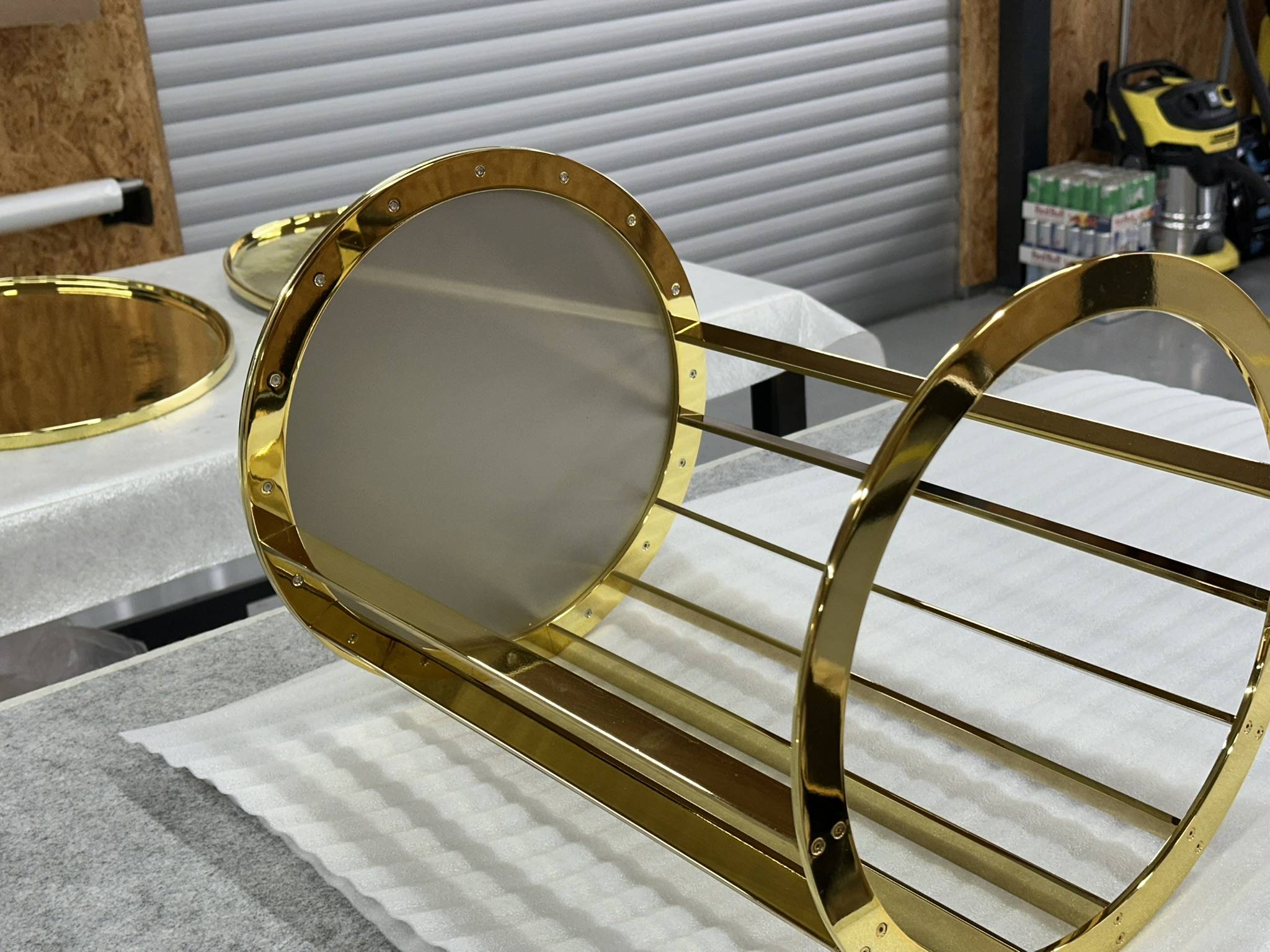
To give you an idea: in one project, we are executing a package of loose furniture, combining wood, metals, leather and fabrics with high-quality hardware. Our performance starts with shop drawings, mostly following the visuals of an interior designer, and ends with gently packing the furniture after a final inspection with the owner for test-seating, etc.
In another project, we are called by a superyacht agency. We visit the vessel and evaluate the problem with the Interior Management or the Chief Stewardess. After the quoting and planning stage, we set up a team to dismantle the specific area, ship everything to Austria, rebuild all parts, and install them again in the final phase.
In another project, we design, plan and execute complex artworks and sculptures together with owners and their representatives. Not many rules, just pure creativity and a very close, trusting relationship with the client.
As you can see, the approach varies significantly, always focusing on the highest satisfaction of the client and leaving behind zero claims or deficits. It involves me personally in all cases and across different roles. Apart from that, up to 30 professionals, including artists, engineers, craftsmen, installation experts, project managers, etc.
Your work spans yachts, residences, private interiors, and highly specialist decorative solutions. What kind of project tends to challenge and inspire you most?
Everything you deliver at that level of complexity is an inspiration in itself. At the beginning, it seems pretty much impossible to execute so often. When you receive a client rendering and, after 12 weeks of hard work, you`re standing in front of the realised piece, that’s priceless.
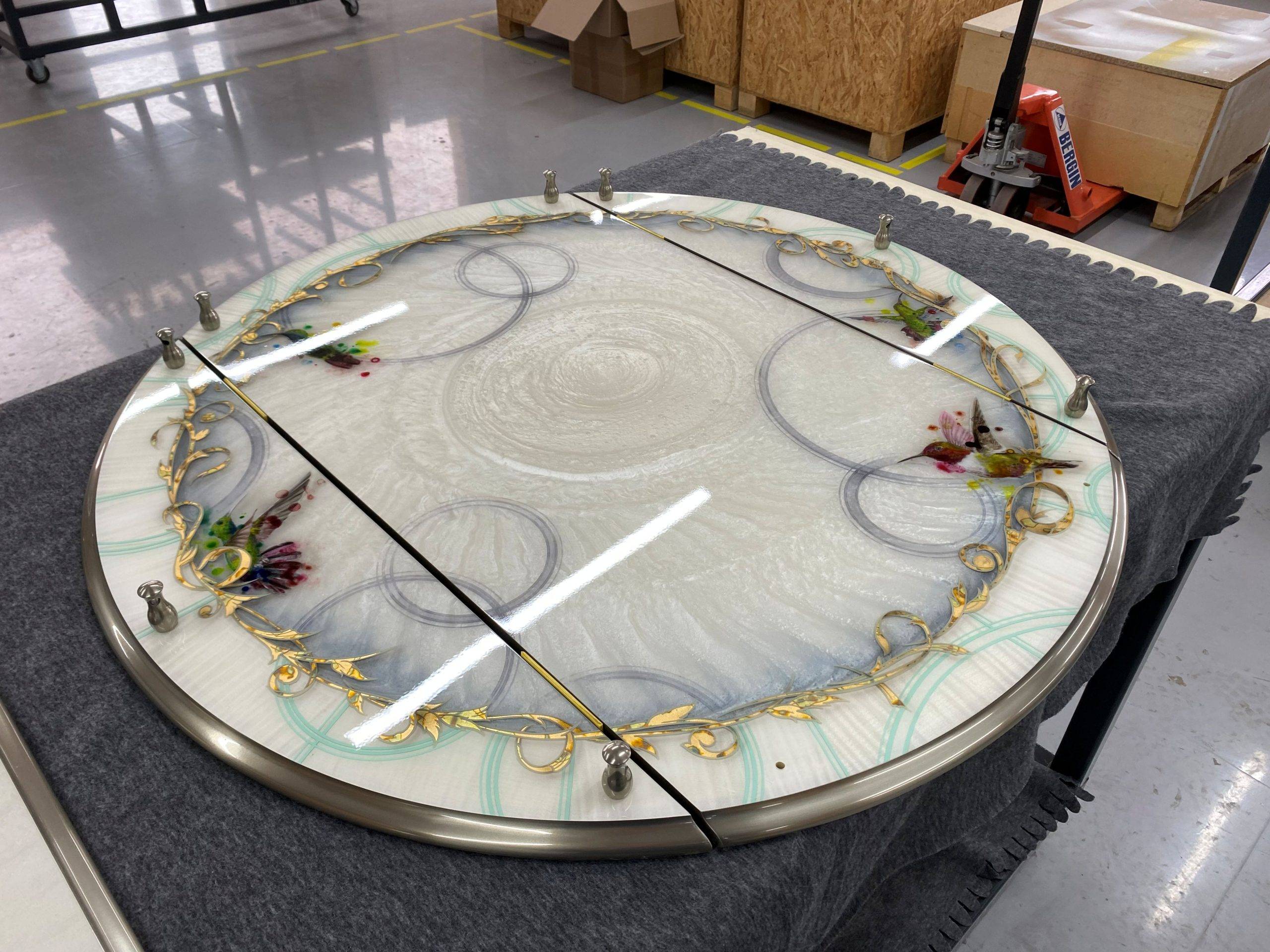
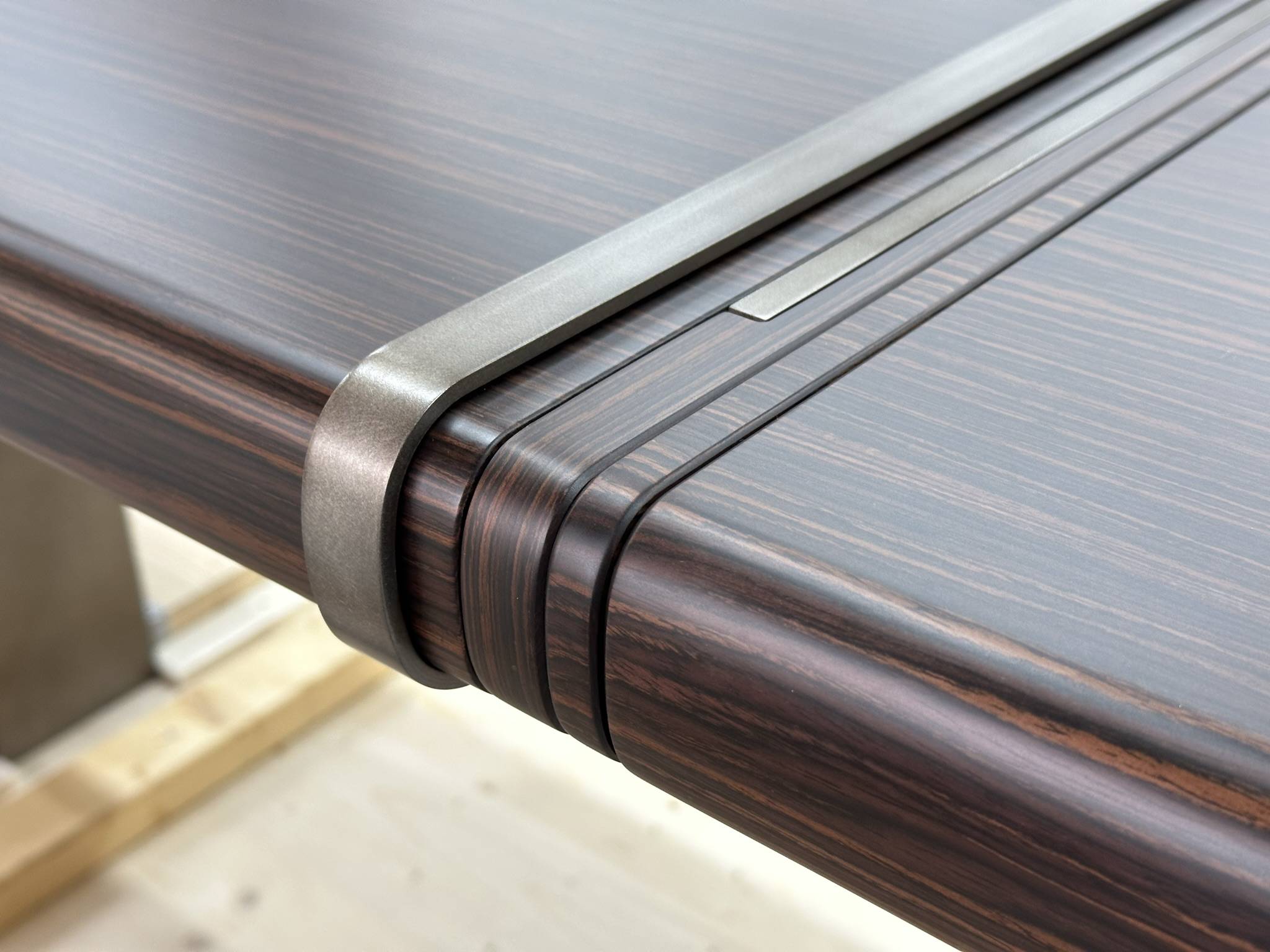
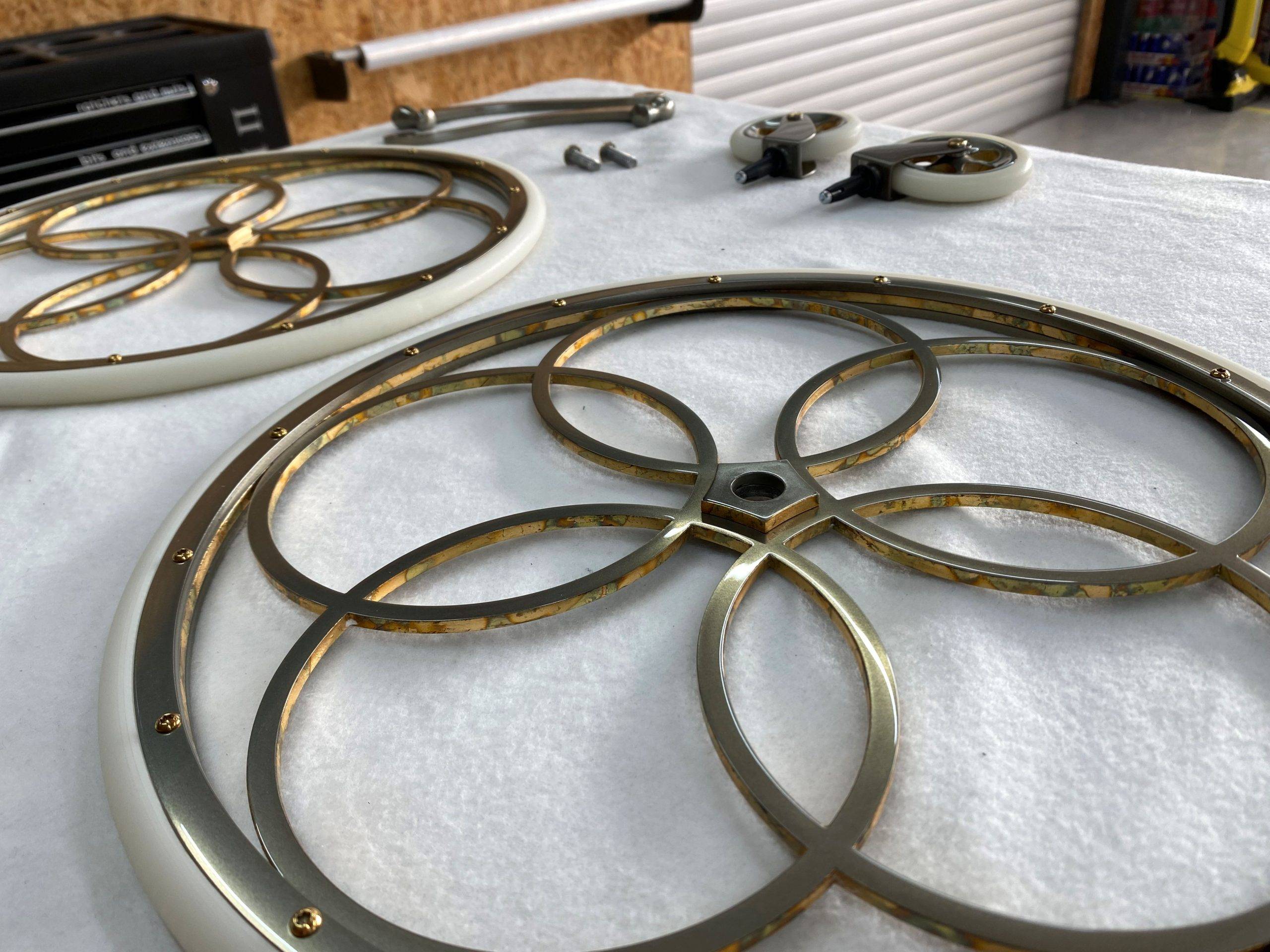
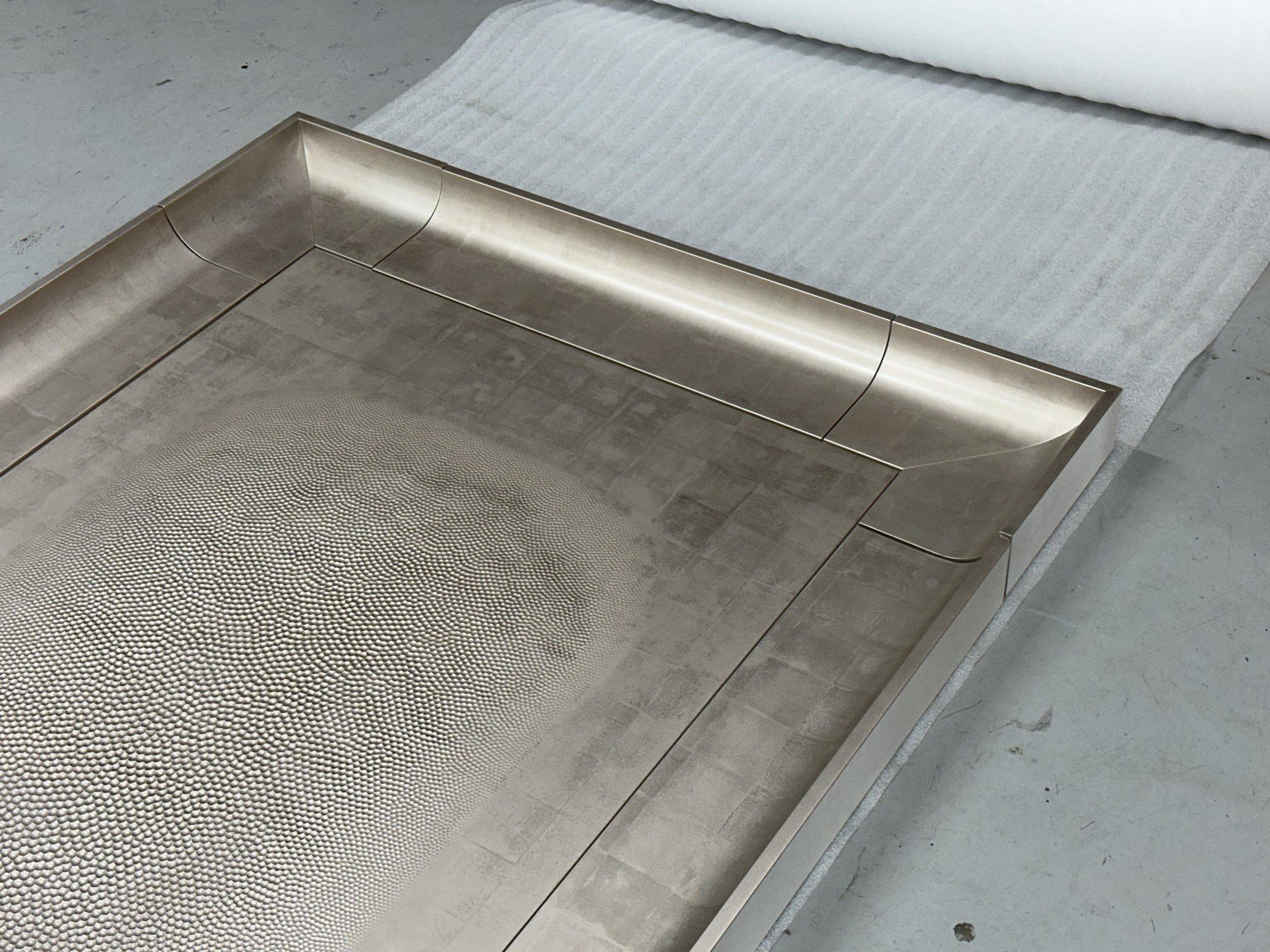
The most fascinating jobs for me are large-scale artworks, 3-dimensional carved metal surfaces, or complex compounds of several materials, mixed with artisanal handicraft, that make the observer question whether they are real.
How important is material experimentation to WEDENSTEIN’s work?
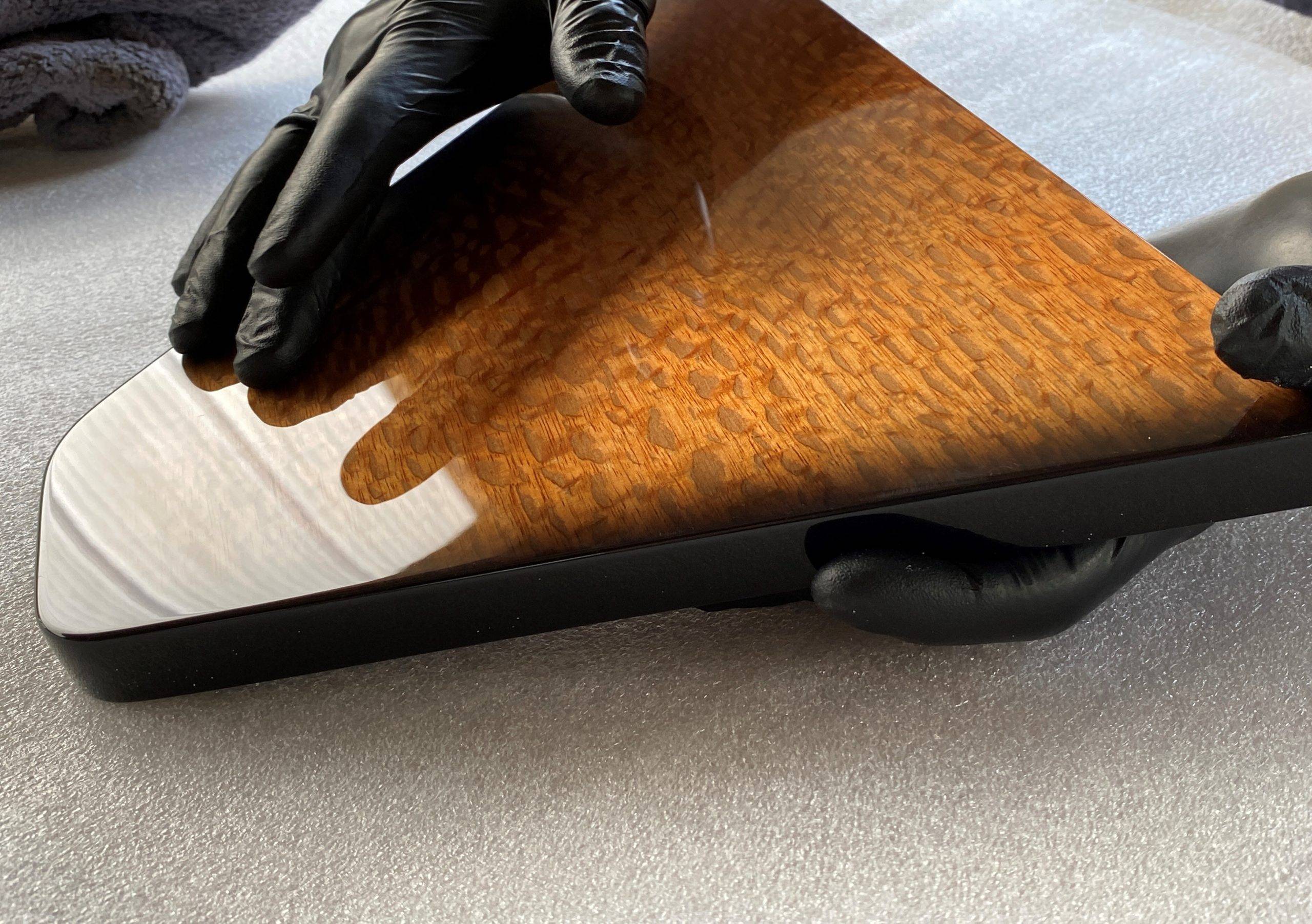
I spent many years in the workshop, experimenting with pretty much everything that can stick together. It’s of utmost importance to do that. In the most intense phases of our existence, we have produced 1,000 samples in a year and gifted most of them to famous designers to inspire them and secure our spot on their office shelves. I think people greatly underestimate the kind of effort and capital that goes into that. It mostly starts playfully, and it has to end very professionally and be feasible to potentially install on a megayacht. And there we are again—I do personally have a very comfortable advantage due to my mechanical engineering background. It answers so many questions right away, before solid problems come into play. Highly decorative options still have to come with reliable usability and durability.
What, in your view, makes a surface, finish, or interior detail truly exceptional?
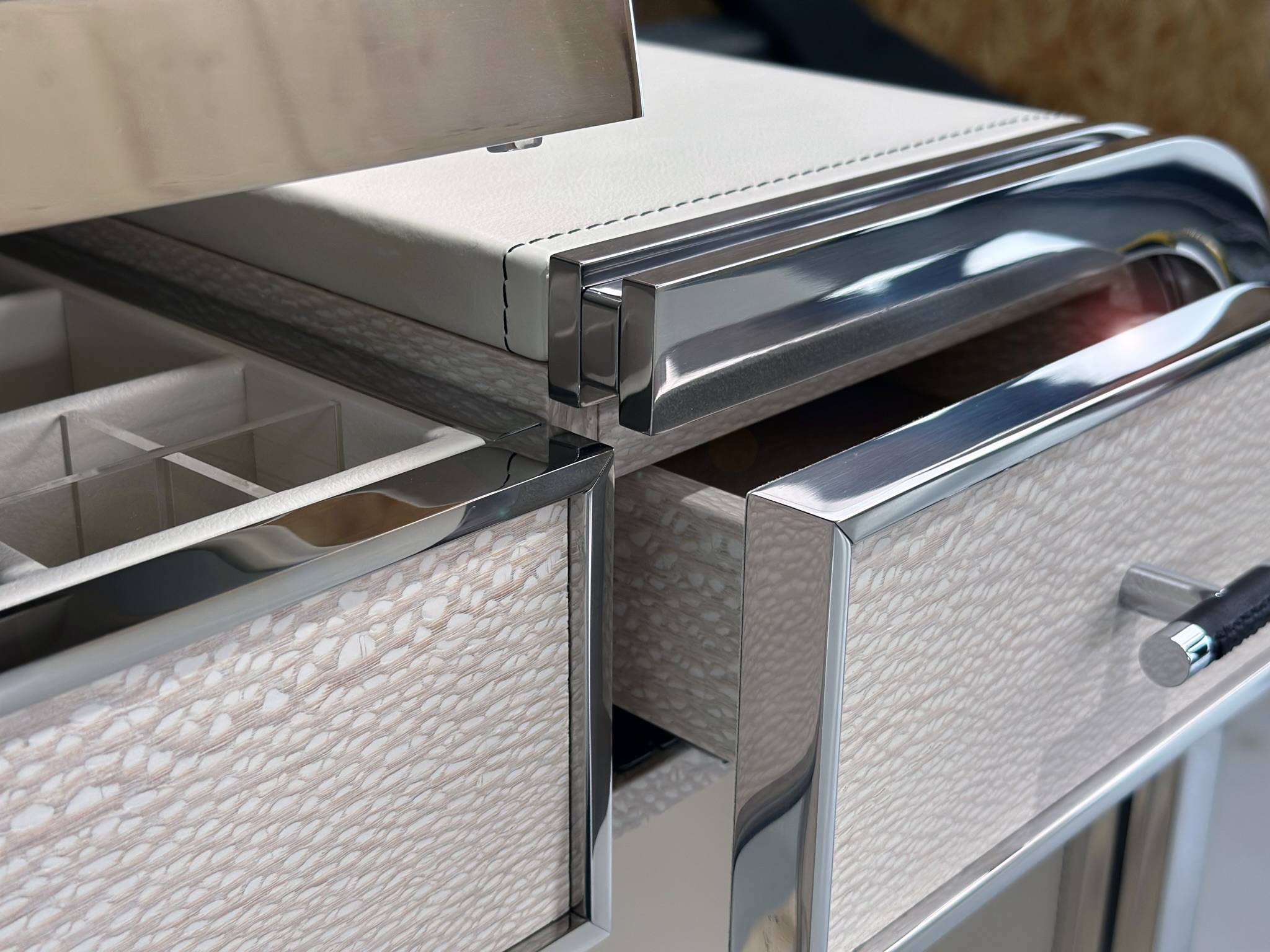
I would say that if you can immediately see and feel that it took a lot of effort to create and execute it, that’s the impression of an expensive piece or finish, even if you can’t say what makes you feel that way.
Much of great craftsmanship is not immediately visible. How important is the technical side of the work behind the finished result?
Both the mechanical (invisible) part and the decorative part are of equal importance. One can’t exist without the other. The owner wants an item to look and feel good. The shipyard wants to be sure it will be durable, properly sea-fastened, and that you’ll come back if something goes wrong.
How do you balance handcraft with technology such as CNC production and advanced prototyping?
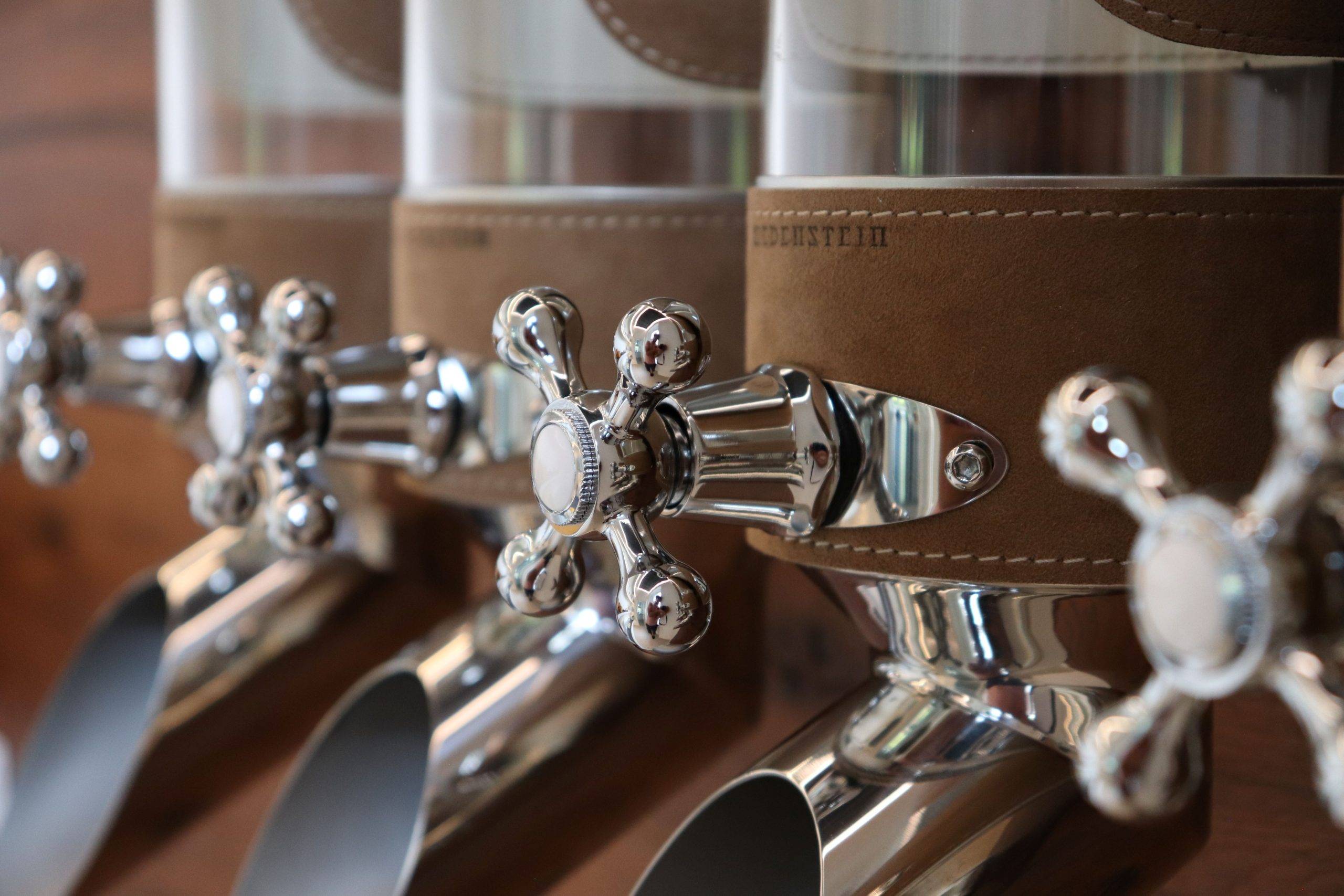
In our case, the focus is always a bit more on the handicraft side. If we weren’t wired that way, we wouldn’t have our standing and would have to compete with all the bigger companies. The beautiful thing is that we receive a good amount of enquiries, which allows us to merge our own ideas with market demands. We have grown into the market, and we grow with the market. It’s a never-ending dance.
WEDENSTEIN often works with designers, shipyards, outfitters, and private clients. What makes a collaboration successful from your perspective?
Mutual respect for each other. Common respect for the project. And barrier-free communication on an equal footing. If one of the latter is missing, you’ll experience problems.
How do you interpret a client’s vision when they may know the feeling they want to create, but not yet the technical solution?
With the traits described above, this can be the basis for a very joyful ride for both the client and us, as a provider of products. You have to lead a client. This can only be done with a particular amount of experience. The respect and trust it requires from a client’s side have to be earned; there is no shortcut to that position.
A smart client knows he called you for a reason. He wants a reliable professional, someone who delivers solutions and handles all side effects himself. If you have the “Go”, it’s on you to deliver at least what is expected. Furthermore, every project in that field is some kind of prototyping. You have to find the courage to dig yourself deep into the rabbit hole, over and over again.
In a market where the word luxury is used so often, what does true luxury mean to you?
The word luxury is very inflationary. It has been misused for decades now. For me personally, the highest form of luxury is spending time with my daughter, with no urgent meetings on my calendar.
Are there any projects that hold a particularly special place in your heart? If so, which one(s) and why?
Over the years, we have realised a little over 100 superyacht and residential projects. I would say every one of them holds a place in my heart. Some because the hardships left scars, some because they brought pure joy, and some because they brought me together with beautiful people. I think that’s more of a thing I remember in the long term. Material comes and goes. People with their (sometimes touching) stories stay.
Looking ahead, how do you see the future of specialist craftsmanship evolving in luxury interiors?
The only thing I can say is: the future looks bright. Scarce qualities have always been highly sought-after. Now, in real time, this is evolving exponentially. The number of companies and individuals willing and able to play their part in such a highly demanding industry is decreasing every year. On the other hand, demand for limited goods and services at a very high level is growing every year.
People at the top of the economic food chain want things that not everyone can have. They also want the stories behind them. They want to witness the process. I am still flabbergasted when ultra-rich people tell me they envy me for my skills and passion. And this happens surprisingly often.
To find out more about WEDENSTEIN and its projects, visit the links below…
WEDENSTEIN GmbH
Judendorf 7
9360 Friesach
Austria
Web: wedenstein.com
Tel: +43 664 14 22 436
Email: office@wedenstein.com
Instagram: @wedenstein