


Back in the Saddle: The Imperial Riding School Vienna Returns
In Vienna’s third district, a storied building returns to hospitality, with 342 rooms, a rare inner-city garden, and a design approach that nods to its past with a modern perspective. Introducing the new Imperial Riding School, Austria’s first Autograph Collection property.
Vienna has a way of keeping its past close without turning it into a museum. You see it in the city’s grand façades, in the etiquette of old cafés, and in the poise with which new places take over historic addresses. The Imperial Riding School, Autograph Collection, sits squarely in that tradition. Set back on a quiet stretch of Ungargasse in Landstraße, the third district, it occupies a historic building that has lived many lives over the past three centuries and has now returned, once again, to hospitality.
The story begins long before hotel keys and check-in desks. The site traces its roots to the 18th-century Palais Harrach, a Baroque residence designed by Johann Lukas von Hildebrandt (the architect behind the Belvedere Palace), which once played a role in Vienna’s cultural life. Later, under Emperor Franz Joseph I, it became a military riding school—formally a training institute for army riding instructors, with the riding hall serving as a symbol of Austria’s military tradition. During the Austro-Prussian War of 1866, it even functioned as a field hospital for wounded soldiers.
After the Habsburg monarchy fell in 1918, the riding school was dissolved, and the hall began a very different chapter as the EOS Lichtspieltheater—one of Vienna’s largest cinemas, screening silent films with live accompaniment by a 60-piece orchestra. Sadly, the Second World War left the building badly damaged, and it later became a depot for the Austrian postal administration’s buses. In the late 1980s, parts of the historic remains were knocked down, but the portico and staircase survived—details that still tie the building to its earlier life. The property began welcoming guests as a hotel in 1988, before closing after the Covid lockdowns. Following 4 years of vacancy and around 18 months of construction, it reopened in 2024 as the Imperial Riding School, joining Marriott’s Autograph Collection as the brand’s first hotel in Austria.
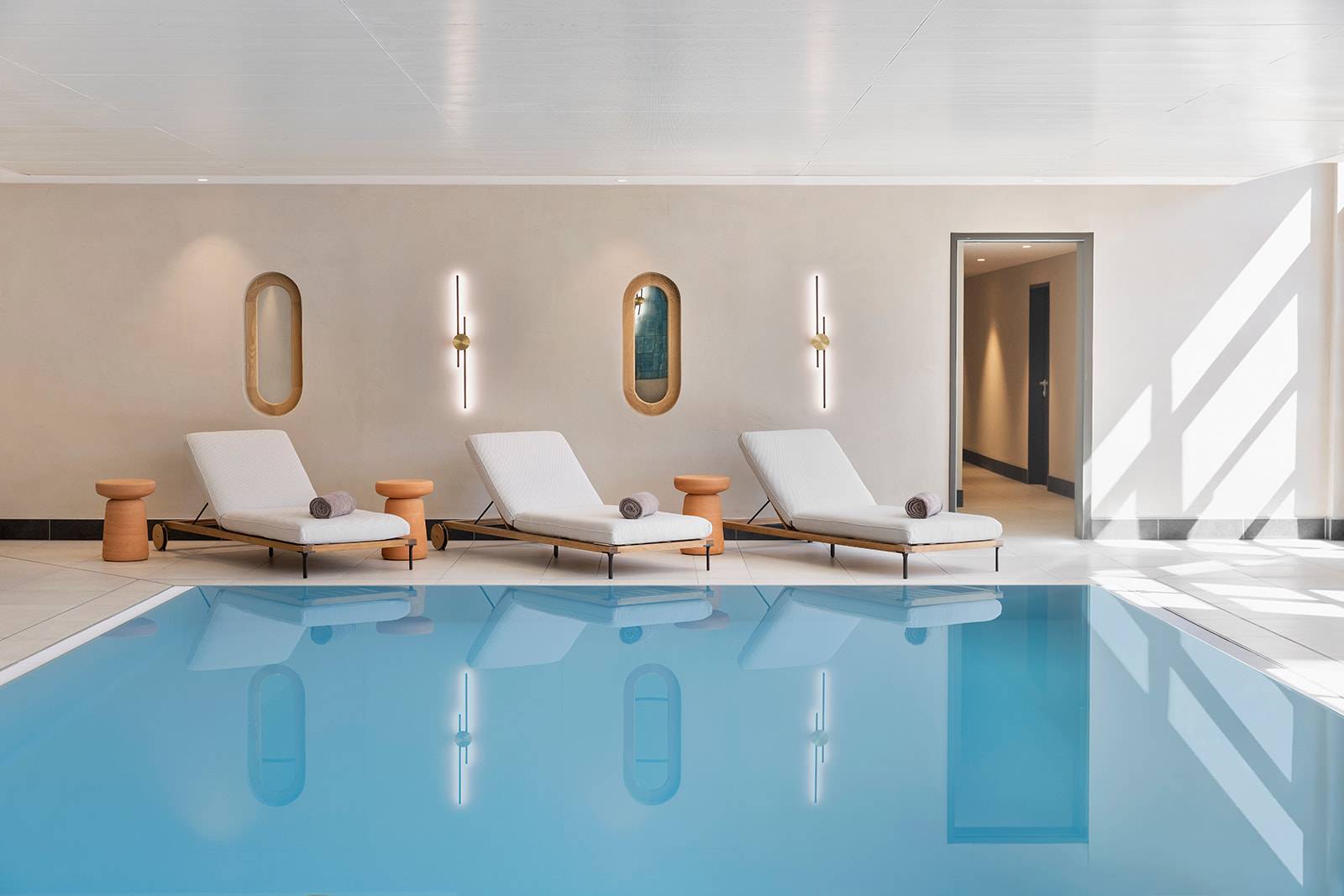
Today’s Imperial Riding School is a large operation—342 rooms and suites, a 450 m² wellness area with a gym and pool, and 13 function rooms for everything from meetings to weddings. Around €45 million was invested in the redesign, with London-based studio Goddard Littlefair responsible for the interiors, BWM Designers & Architects handling the architecture and structural planning, and Lindle+Bukor shaping the exterior landscape concept.
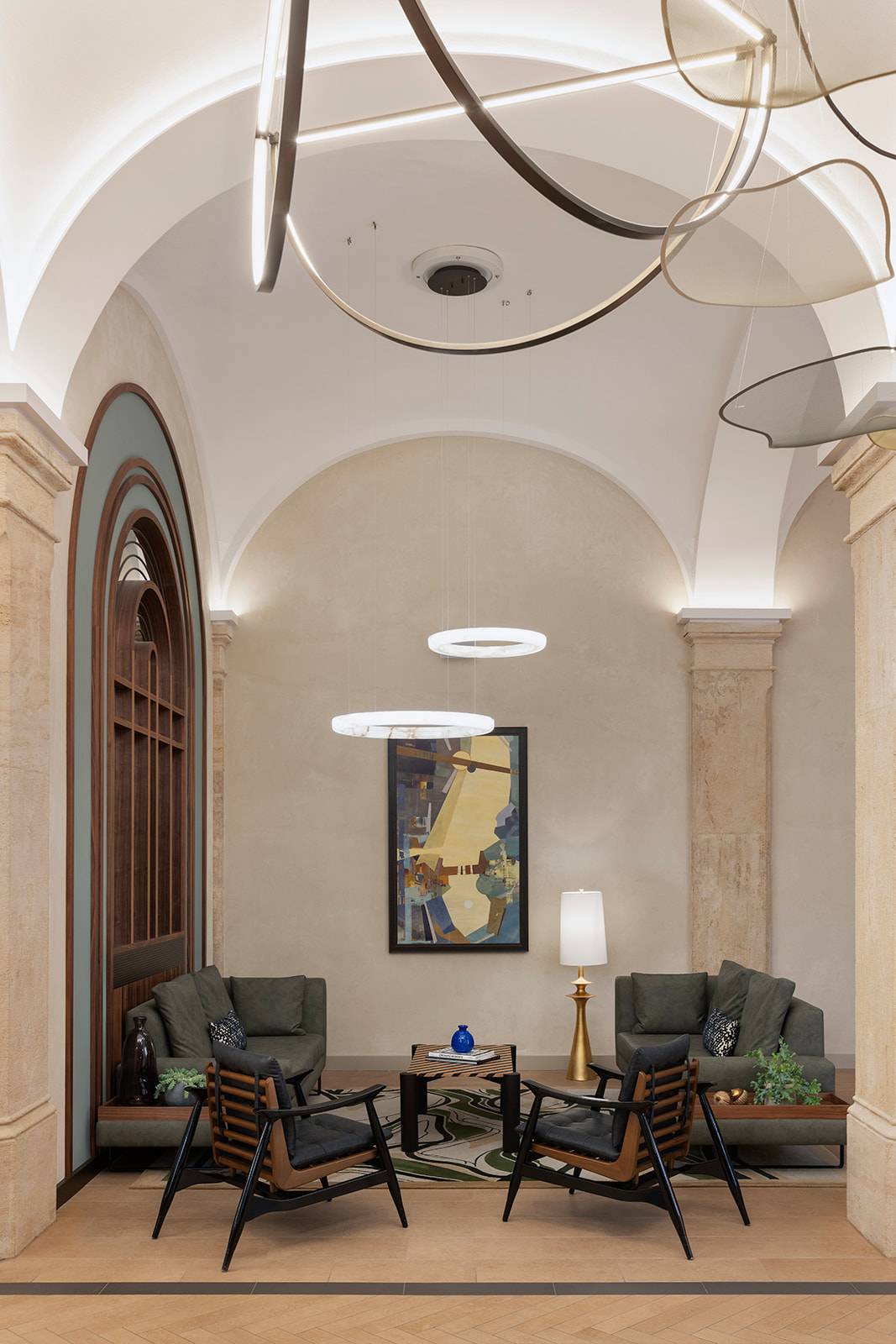
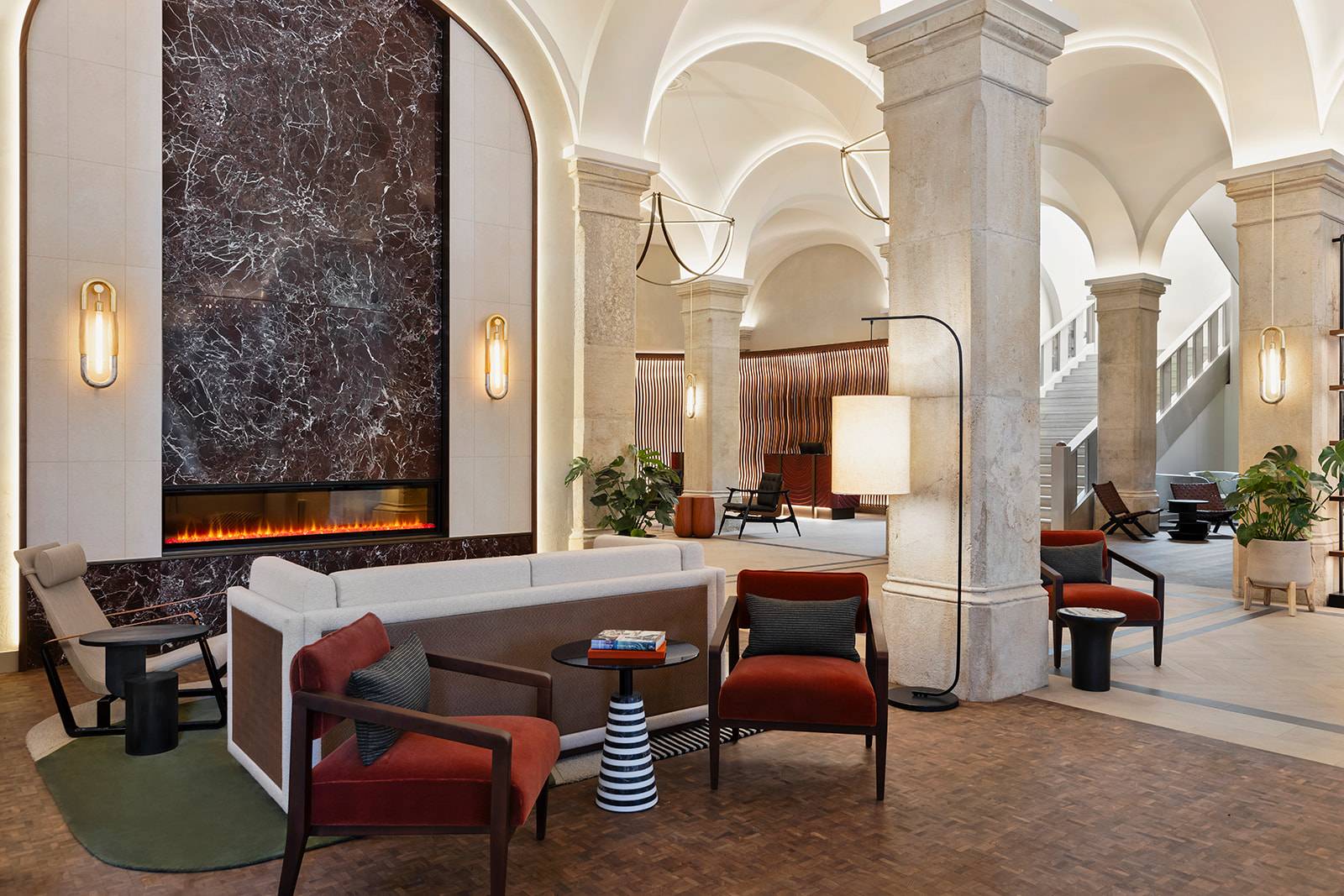
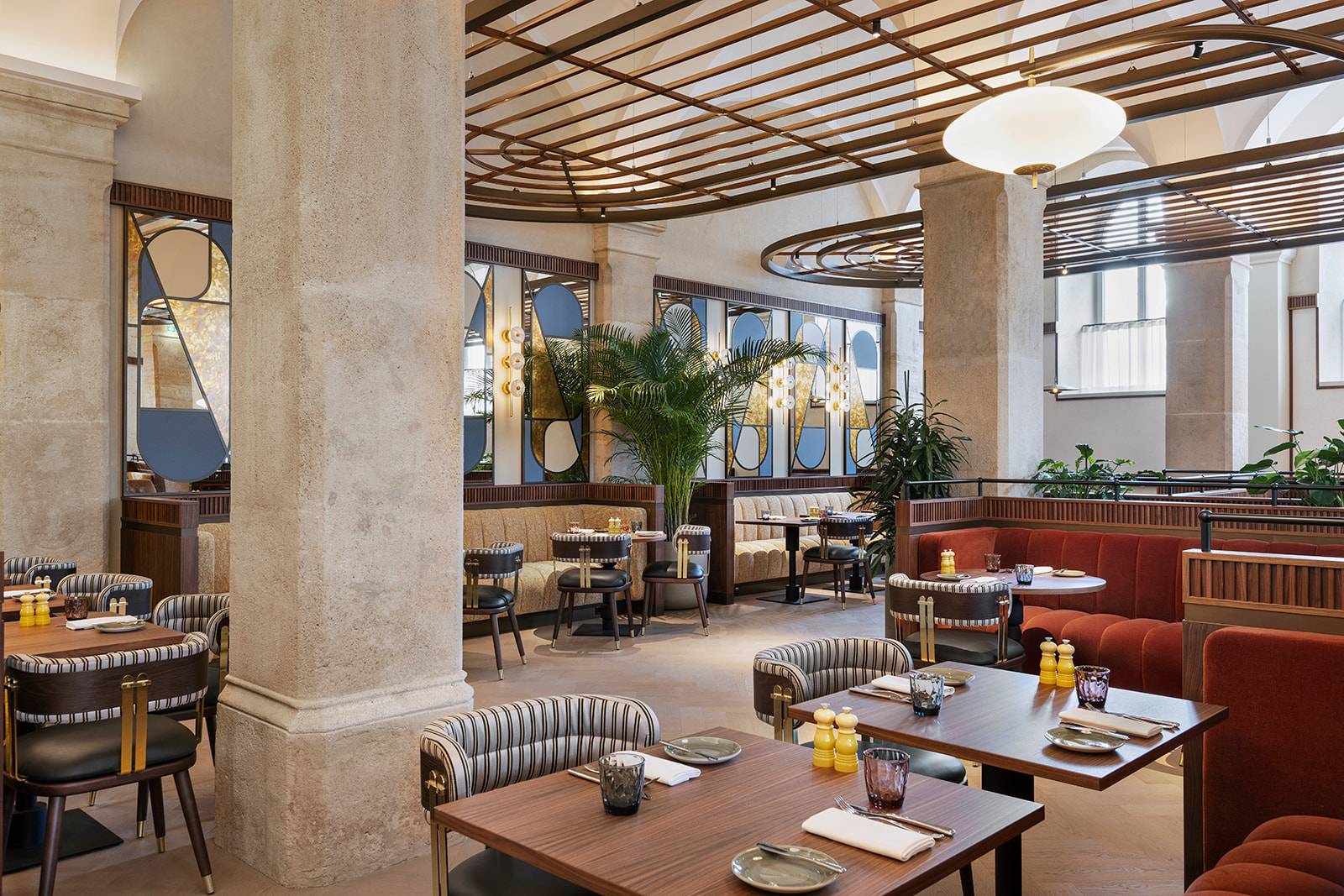
That mix of international and local design expertise is felt throughout the property. Original columns remain in the lobby; vaulted ceilings recall the former riding halls; and floors reference the timber blocks once used in the stables, while bespoke lighting and contemporary artworks gently pull the space into the present. Goddard Littlefair describe the approach simply: “Respecting the building’s illustrious past and heritage while navigating the constraints of a classical property was paramount in our approach. By carefully preserving the architectural integrity and infusing it with contemporary elements, we’ve honoured the legacy of the Imperial Riding School, ensuring its continued relevance and splendour for generations to come.”
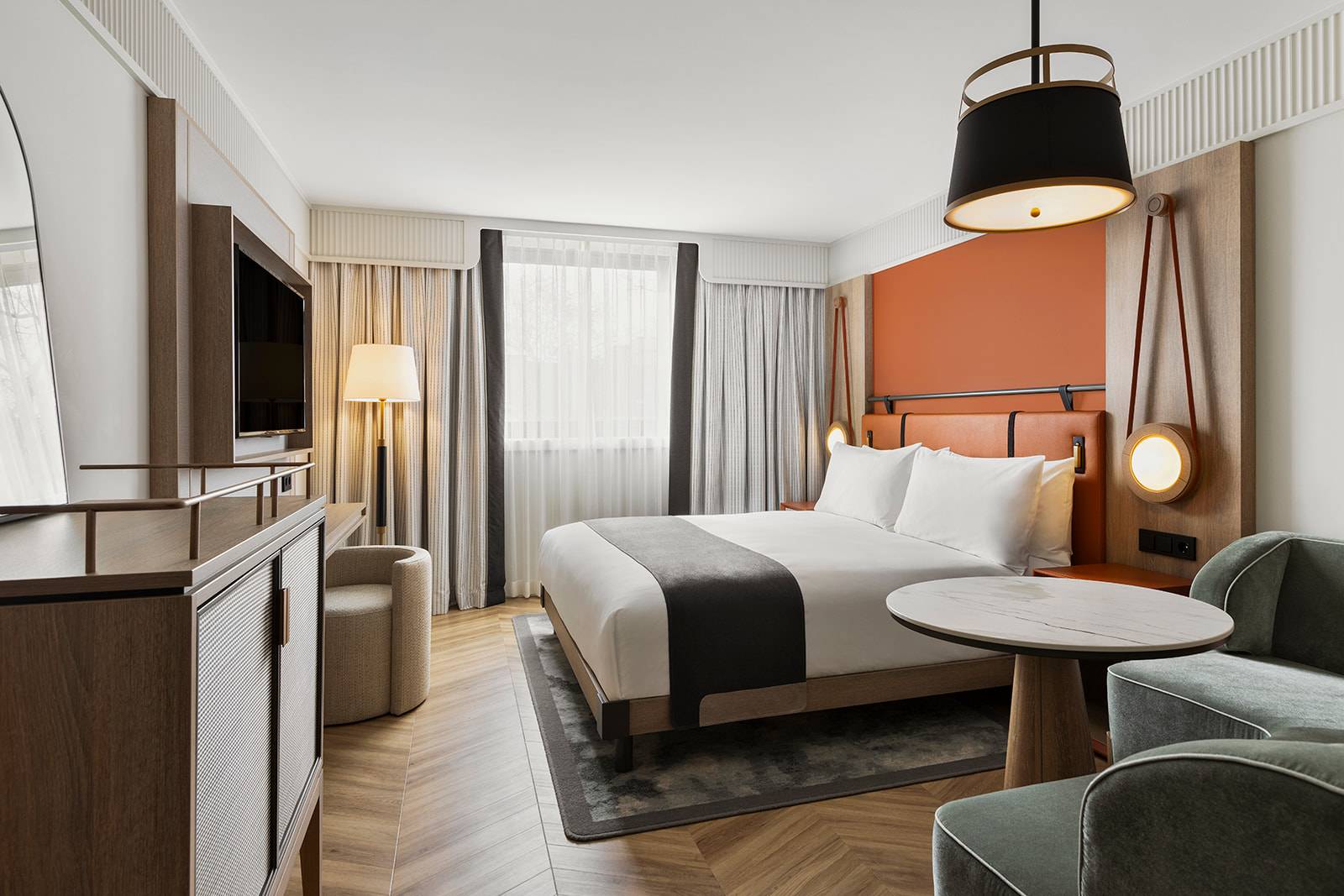
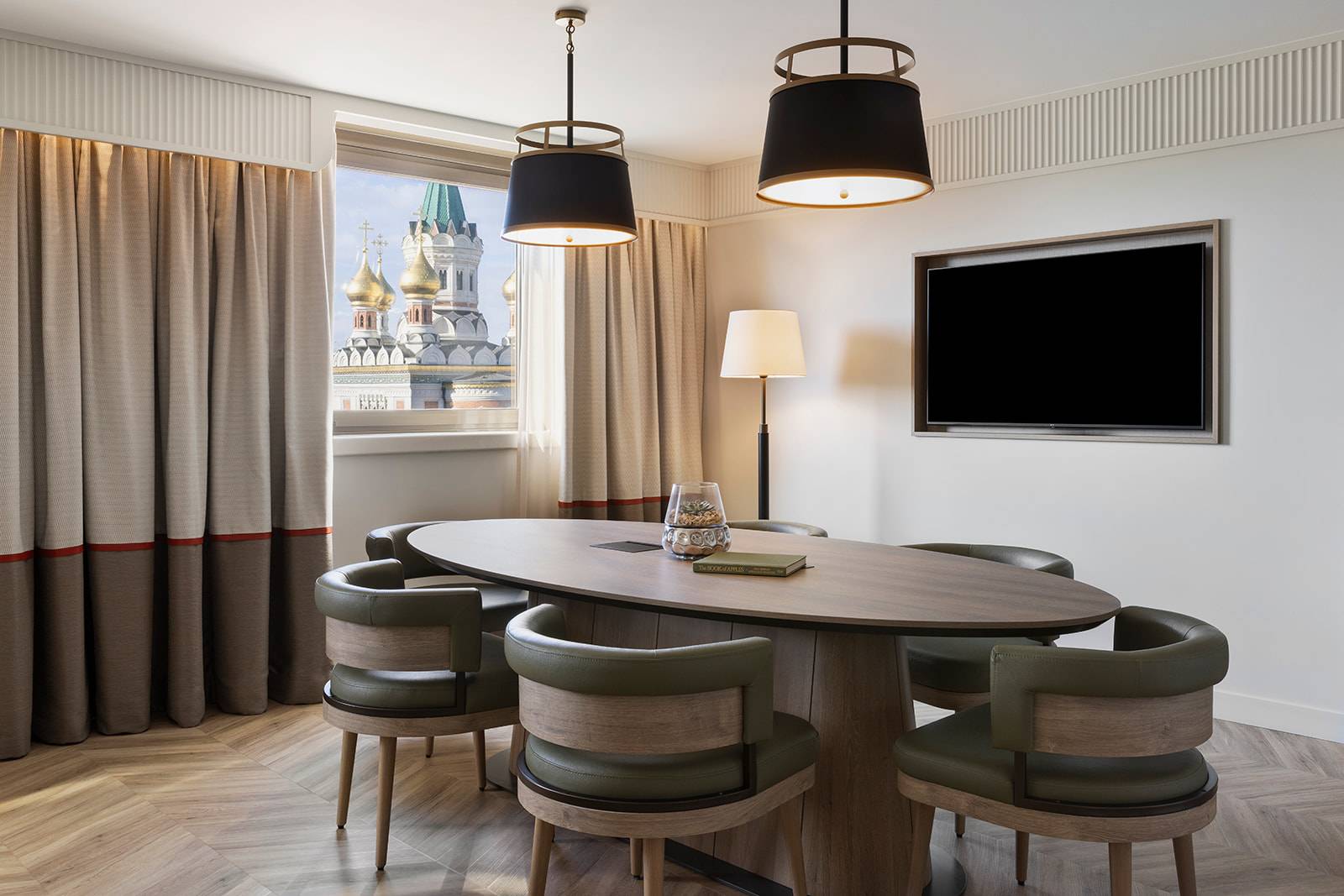
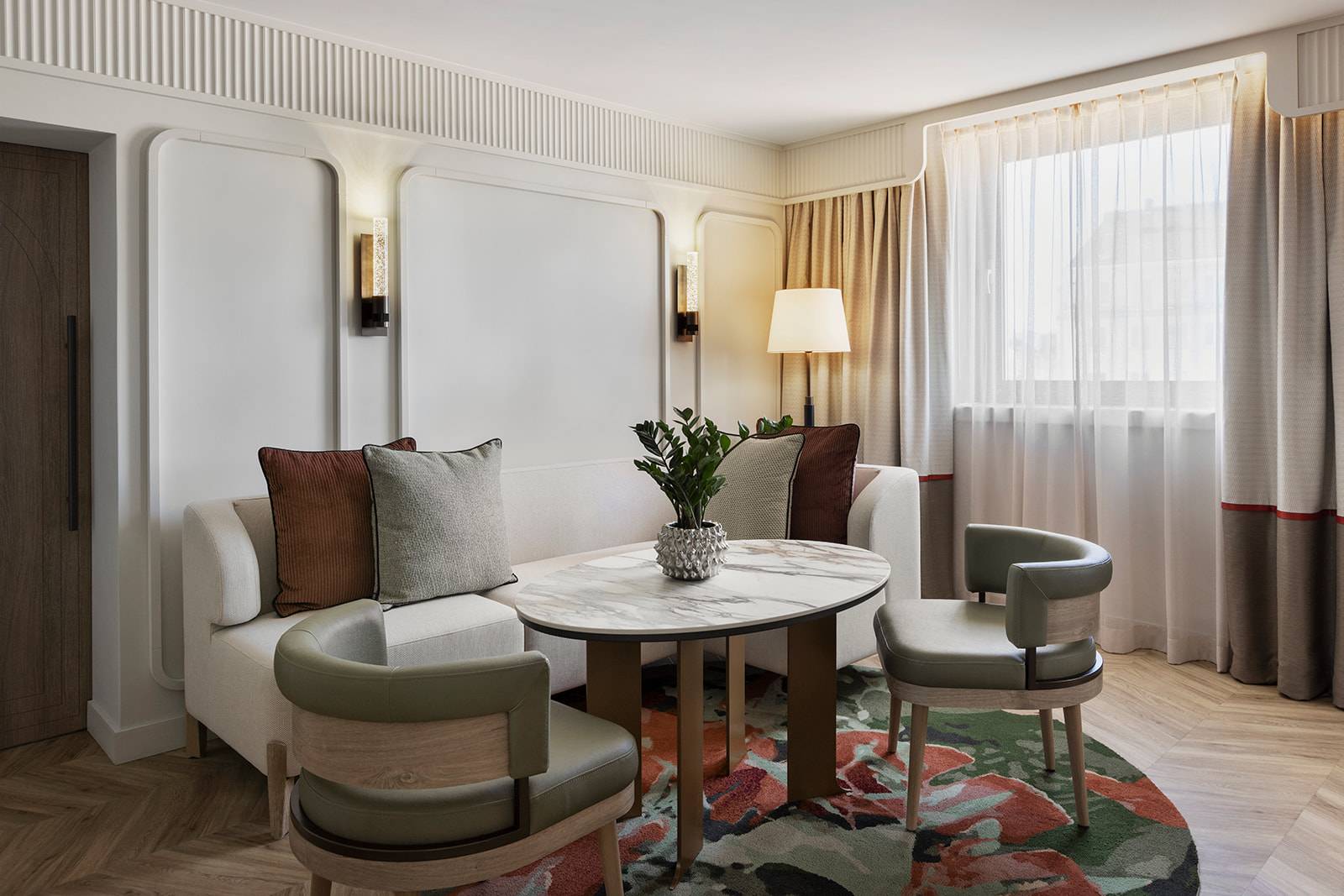
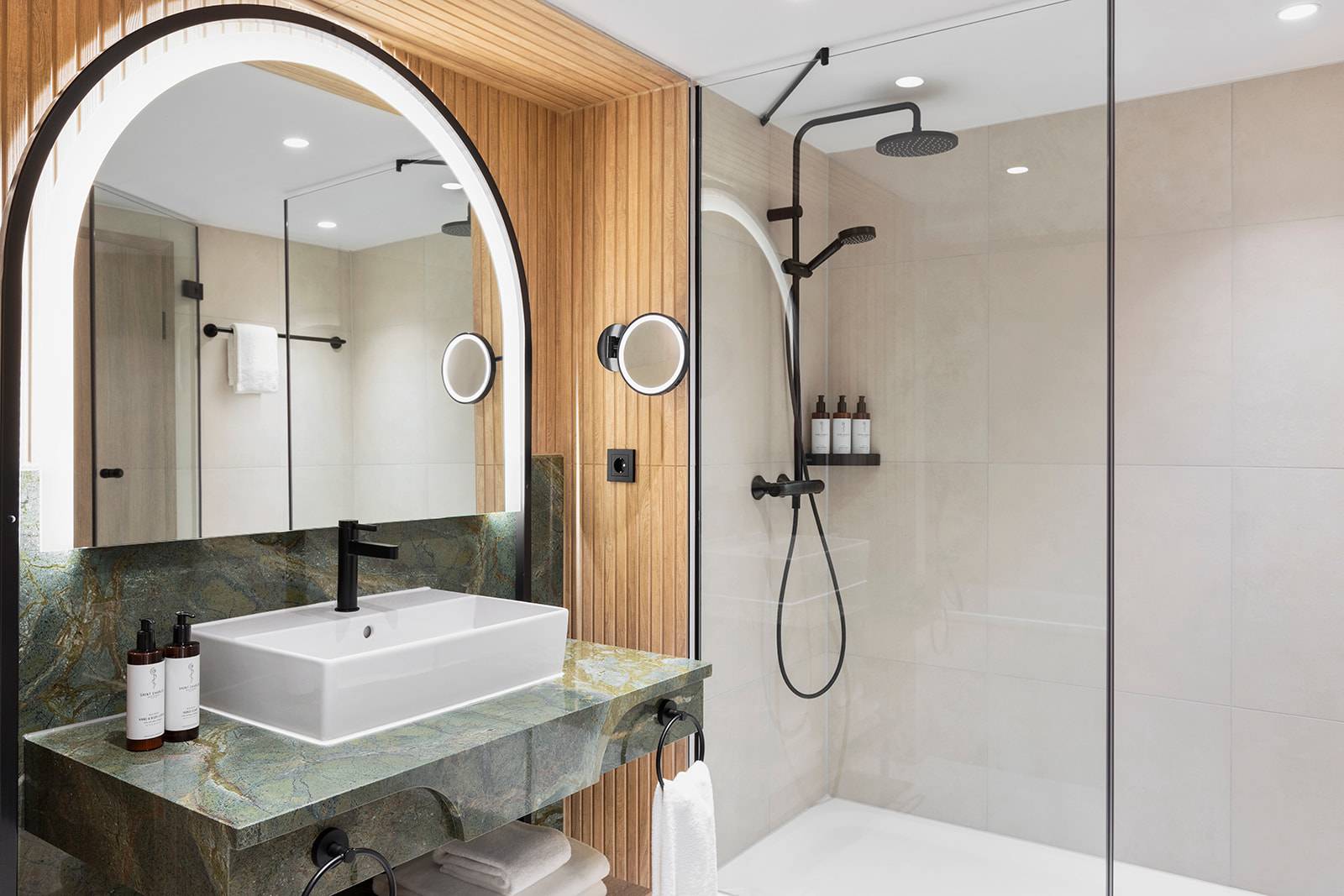
Look closer, and you’ll find the equestrian theme subtly incorporated throughout the guest spaces: the corridors are carpeted with patterns that suggest dressage hooves, and the rooms feature woven leather accents, horsehair panels, wooden finishes, and soft, impressionistic watercolour details. Calm and comfortable, the rooms are generous by city standards, with clear layouts and modern bathrooms stocked with products from Vienna’s Saint Charles Apothecary. Many look out across the garden or towards the neighbouring Russian Orthodox Cathedral, keeping a sense of place firmly in view.
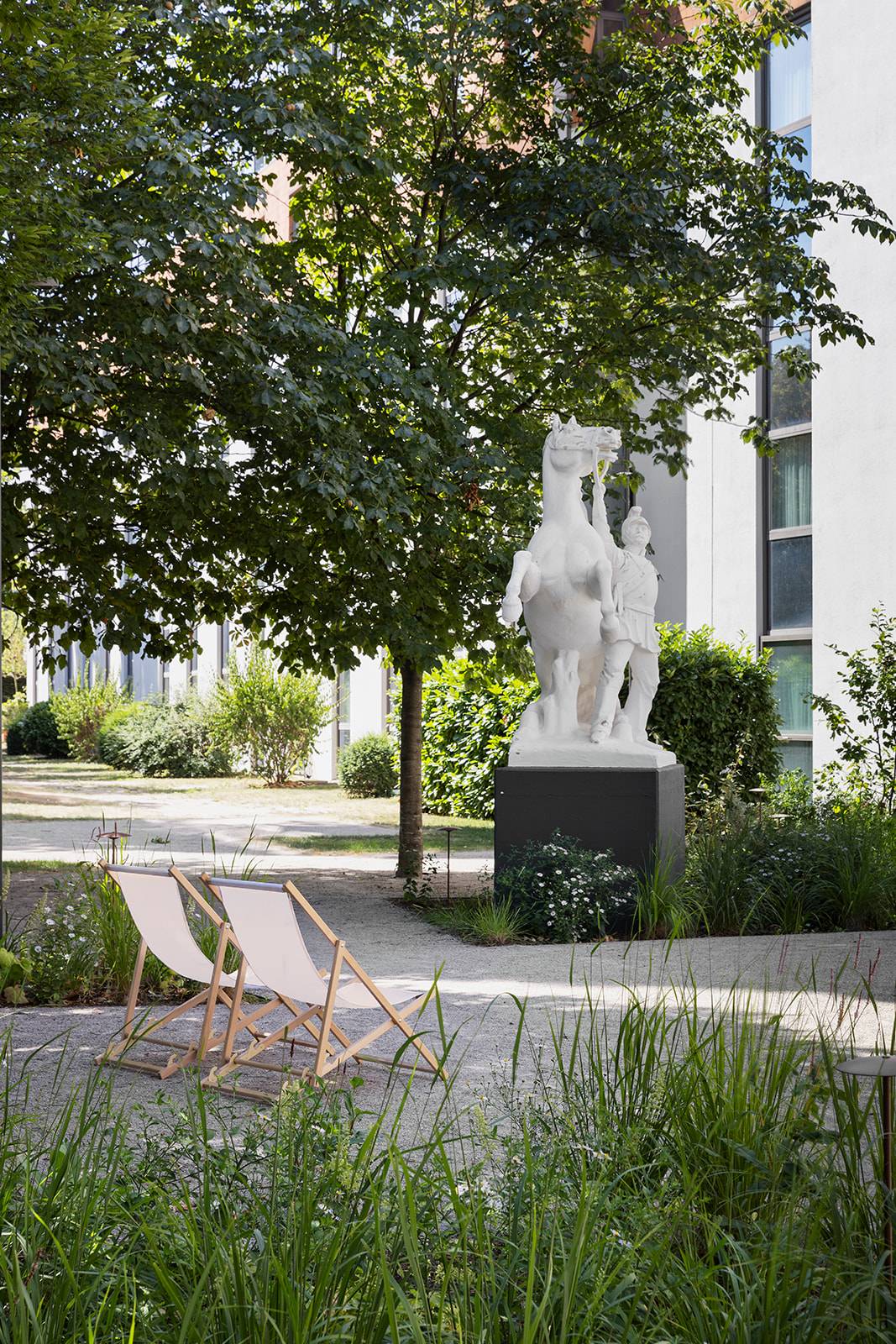
One of the hotel’s most unexpected features sits beyond the main building. Hidden behind the preserved façade is one of Vienna’s largest private inner-city gardens—about 2,000 m²—shaped by its past as an imperial orchard. Emperor Franz Joseph I planted apple trees here to supply the imperial court with fresh fruit; the reference isn’t romanticised so much as carried forward through naming and atmosphere. At the centre stands a 150-year-old plane tree known as the “Old Lady”, one of the city’s oldest trees and the natural heart of the garden space. In warmer months, the garden is both a refuge and a social hub—used for long lunches, evening drinks, and summer gatherings that feel far removed from the city streets outside.
Dining plays an important role in reconnecting the hotel to Vienna. Elstar, the main 140-seat restaurant that opens onto the garden, takes its name from an apple variety once grown here and offers a modern interpretation of Viennese cuisine, drawing on regional traditions with subtle Eastern European influences and an emphasis on mostly local ingredients. The menu moves between familiar comforts and lighter, greener ideas: Elstar’s Garden Salad with apple and pear; Szegedin goulash made with Mangalitsa pork cheeks; vegan plates like roasted green asparagus with strawberry sofrito and pistachio hummus. Dessert is where the orchard theme comes into focus, with a signature layered caramelised apple strudel served with vanilla cream and Marchfeld strawberries.
For travellers who like structure, Elstar also offers a business lunch and a 4- or 5-course sharing menu designed for 2 or more people. Drinks lean Austrian first—think a Wiener Dirndl Spritzer as an aperitif, or a plum eau-de-vie from the Hans Reisetbauer distillery—then broaden into a wine list that includes French, Italian and Spanish bottles alongside local picks.
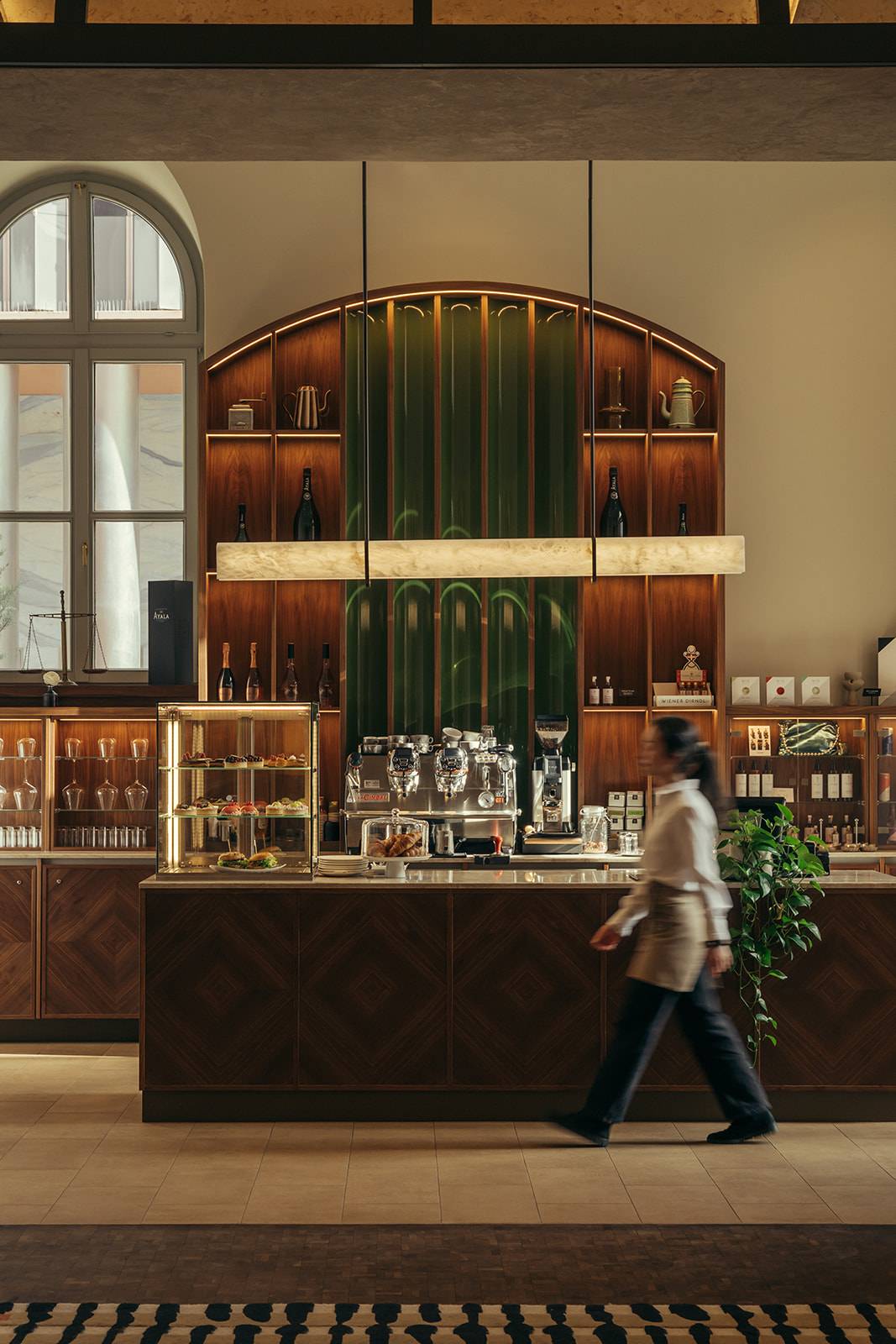
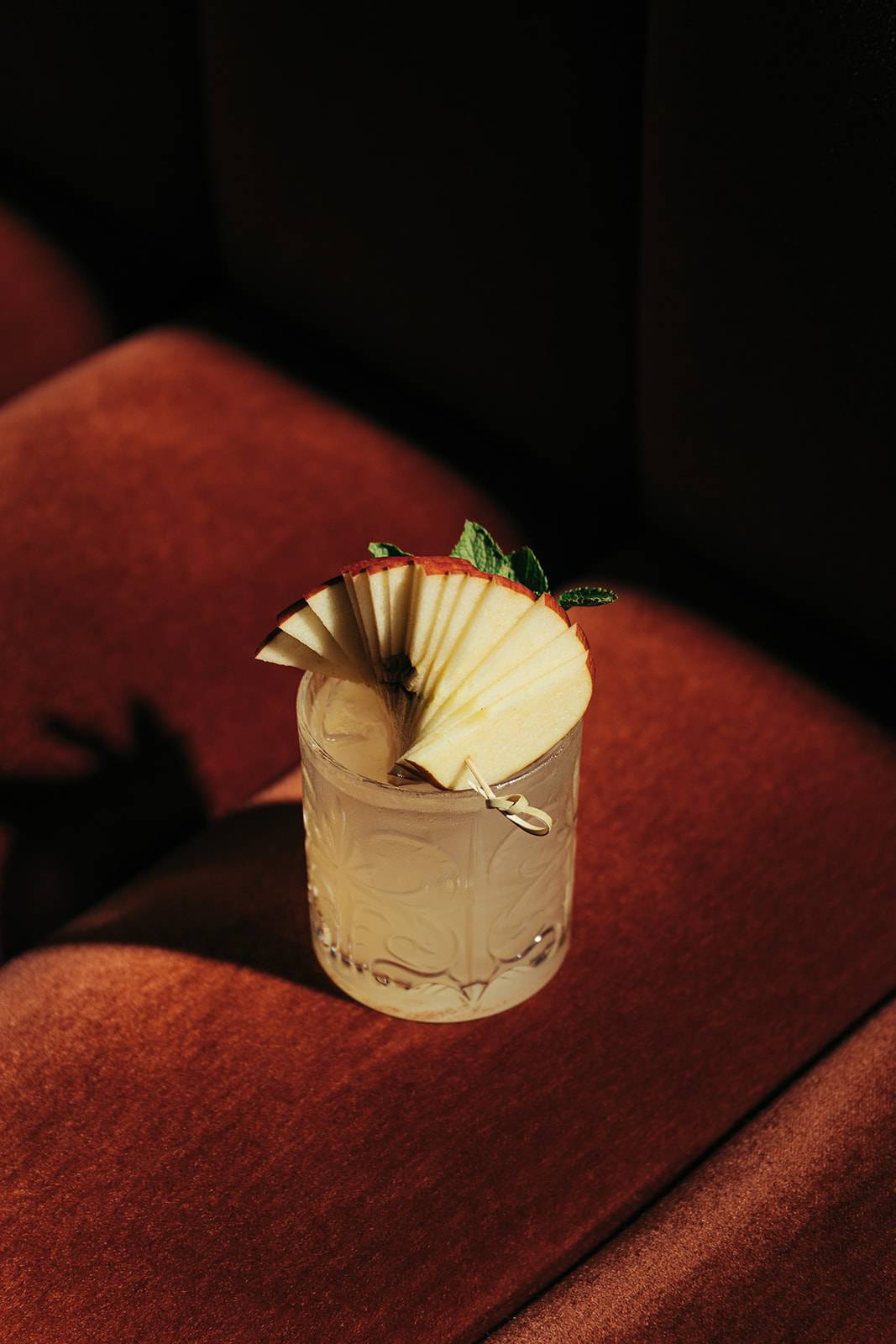
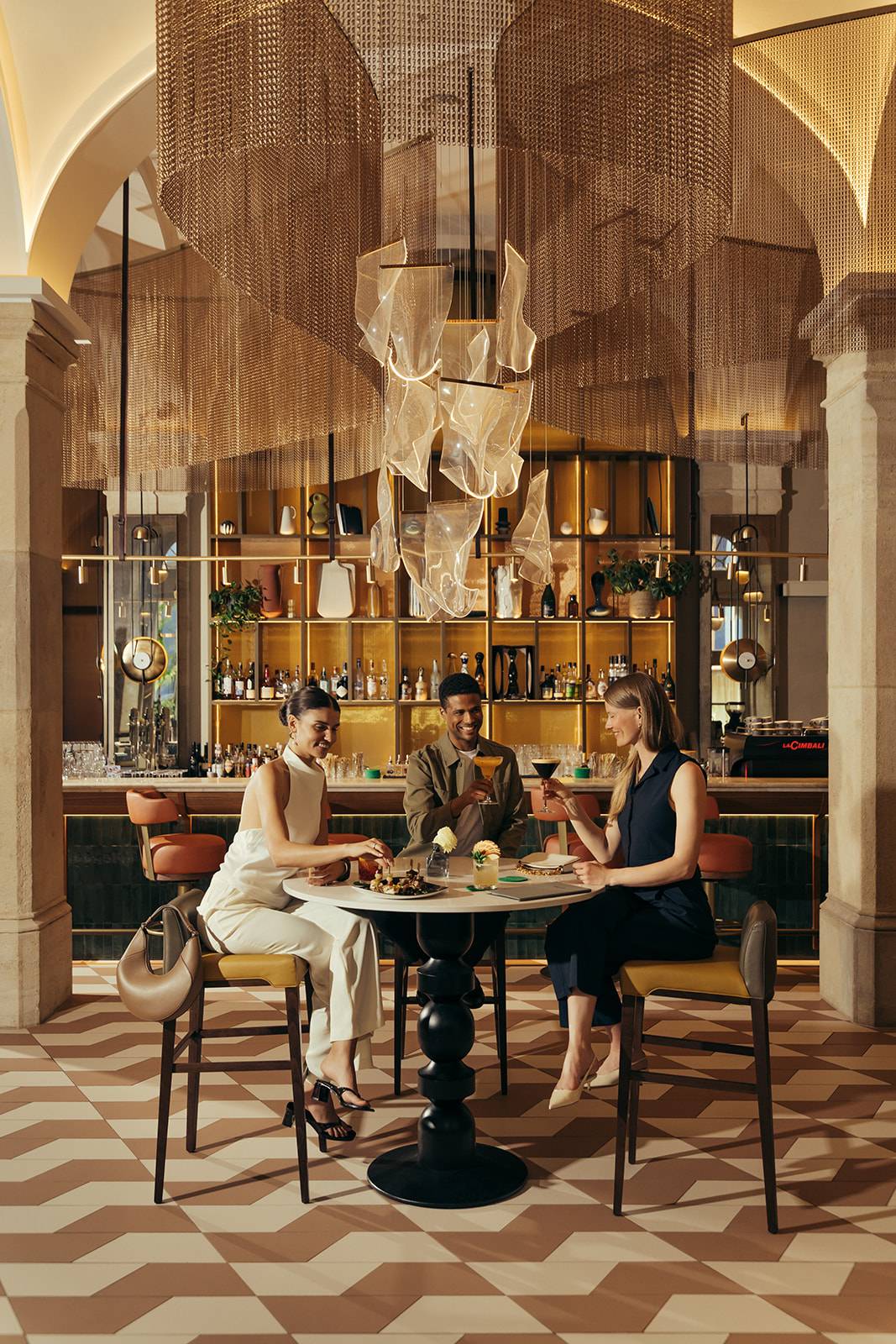
Next door, The Farrier, set in the former riding hall, shifts mood as the day changes: coffeehouse from sunrise to sunset, then a classic cocktail bar in the evening. It’s the kind of place designed for an early aperitif that easily turns into “one more”, with cocktails that keep things playful—Fresh and Cloudy (ginger-lemongrass infused vodka, elderberry, apple juice, lemon) or the Pferdebändiger (“Horse Tamer”) with Reisetbauer gin, grapefruit juice, Ramazzotti Rosato and peach. There’s proper bar food too, from sourdough lángos with rotating toppings to a beef burger with apple and onion chutney, plus a vegan “Green Equerry” version built around sweet potato and lentils. And for something quick on the way out, Cameo—a small takeaway spot near the S-Bahn route—stocks sweet and savoury snacks and gifts, a wink to the building’s cinema years (the name is a nod to cameo appearances in film and TV).
The reopening also comes with a more practical, modern agenda. The hotel outlines a sustainability programme that includes updated building management, room sensors to reduce unnecessary energy use, certified furniture materials, and 10 e-charging stations, which are up-and-running—part of an investment of nearly €7 million in sustainability measures. As General Manager Jürgen Fleischhacker puts it, “The newly reopened Imperial Riding School Hotel represents a fusion of historical elegance and modern lifestyle.” And it’s delivering this with a finesse that feels true to Vienna. Add to this its convenient location near the Belvedere Palace, and it’s an ideal base for exploring some of the city’s best parts.
To find out more about Imperial Riding School Vienna and book, visit the links below:
Imperial Riding School Vienna, Autograph Collection
Ungargasse 60
1030 Vienna
Austria
Web: imperialridingschool.com
Tel: +43 1 711750
Email: info@ImperialRidingSchool-Vienna.com
Instagram: @imperialridingschoolvienna
Necessary cookies are absolutely essential for the website to function properly. These cookies ensure basic functionalities and security features of the website, anonymously.
| Cookie | Duration | Description |
|---|---|---|
| __cfduid | 1 month | The cookie is used by cdn services like CloudFare to identify individual clients behind a shared IP address and apply security settings on a per-client basis. It does not correspond to any user ID in the web application and does not store any personally identifiable information. |
| _abck | 1 year | This cookie is used to detect and defend when a client attempt to replay a cookie.This cookie manages the interaction with online bots and takes the appropriate actions. |
| bm_sz | 4 hours | This cookie is set by the provider Akamai Bot Manager. This cookie is used to manage the interaction with the online bots. It also helps in fraud preventions |
| cookielawinfo-checbox-analytics | 11 months | This cookie is set by GDPR Cookie Consent plugin. The cookie is used to store the user consent for the cookies in the category "Analytics". |
| cookielawinfo-checbox-functional | 11 months | The cookie is set by GDPR cookie consent to record the user consent for the cookies in the category "Functional". |
| cookielawinfo-checbox-others | 11 months | This cookie is set by GDPR Cookie Consent plugin. The cookie is used to store the user consent for the cookies in the category "Other. |
| cookielawinfo-checkbox-advertisement | 1 year | The cookie is set by GDPR cookie consent to record the user consent for the cookies in the category "Advertisement". |
| cookielawinfo-checkbox-necessary | 11 months | This cookie is set by GDPR Cookie Consent plugin. The cookies is used to store the user consent for the cookies in the category "Necessary". |
| cookielawinfo-checkbox-performance | 11 months | This cookie is set by GDPR Cookie Consent plugin. The cookie is used to store the user consent for the cookies in the category "Performance". |
| ts | 3 years | This cookie is provided by the PayPal. It is used to support payment service in a website. |
| ts_c | 3 years | This cookie is provided by PayPal when a website is in association with PayPal payment function. This cookie is used to make safe payment through PayPal. |
| viewed_cookie_policy | 11 months | The cookie is set by the GDPR Cookie Consent plugin and is used to store whether or not user has consented to the use of cookies. It does not store any personal data. |
Functional cookies help to perform certain functionalities like sharing the content of the website on social media platforms, collect feedbacks, and other third-party features.
| Cookie | Duration | Description |
|---|---|---|
| akavpau_ppsd | session | This cookie is provided by Paypal. The cookie is used in context with transactions on the website. |
| nsid | This cookie is set by the provider PayPal. This cookie is used to enable the PayPal payment service in the website. | |
| tsrce | 3 days | This cookie is set by the provider PayPal. This cookie is used to enable the PayPal payment service in the website. |
| x-pp-s | session | This cookie is set by the provider PayPal. This cookie is used to process payments from the site. |
Performance cookies are used to understand and analyze the key performance indexes of the website which helps in delivering a better user experience for the visitors.
| Cookie | Duration | Description |
|---|---|---|
| YSC | session | This cookies is set by Youtube and is used to track the views of embedded videos. |
Analytical cookies are used to understand how visitors interact with the website. These cookies help provide information on metrics the number of visitors, bounce rate, traffic source, etc.
| Cookie | Duration | Description |
|---|---|---|
| _ga | 2 years | This cookie is installed by Google Analytics. The cookie is used to calculate visitor, session, campaign data and keep track of site usage for the site's analytics report. The cookies store information anonymously and assign a randomly generated number to identify unique visitors. |
| _gid | 1 day | This cookie is installed by Google Analytics. The cookie is used to store information of how visitors use a website and helps in creating an analytics report of how the website is doing. The data collected including the number visitors, the source where they have come from, and the pages visted in an anonymous form. |
Advertisement cookies are used to provide visitors with relevant ads and marketing campaigns. These cookies track visitors across websites and collect information to provide customized ads.
| Cookie | Duration | Description |
|---|---|---|
| _fbp | 3 months | This cookie is set by Facebook to deliver advertisement when they are on Facebook or a digital platform powered by Facebook advertising after visiting this website. |
| fr | 3 months | The cookie is set by Facebook to show relevant advertisments to the users and measure and improve the advertisements. The cookie also tracks the behavior of the user across the web on sites that have Facebook pixel or Facebook social plugin. |
| IDE | 1 year 24 days | Used by Google DoubleClick and stores information about how the user uses the website and any other advertisement before visiting the website. This is used to present users with ads that are relevant to them according to the user profile. |
| test_cookie | 15 minutes | This cookie is set by doubleclick.net. The purpose of the cookie is to determine if the user's browser supports cookies. |
| VISITOR_INFO1_LIVE | 5 months 27 days | This cookie is set by Youtube. Used to track the information of the embedded YouTube videos on a website. |
Other uncategorized cookies are those that are being analyzed and have not been classified into a category as yet.
| Cookie | Duration | Description |
|---|---|---|
| _gat_gtag_UA_120081375_1 | 1 minute | This cookie is installed by Google Analytics. The cookie is used to calculate visitor, session, campaign data and keep track of site usage for the site's analytics report. The cookies store information anonymously and assign a randomly generated number to identify unique visitors. |
| _gat_gtag_UA_83740222_1 | 1 minute | This cookie is installed by Google Analytics. The cookie is used to calculate visitor, session, campaign data and keep track of site usage for the site's analytics report. The cookies store information anonymously and assign a randomly generated number to identify unique visitors. |
| _mcid | 1 year | No description |
| ak_bmsc | 2 hours | No description |
| CONSENT | 16 years 9 months 2 days 6 hours | No description |
| ec_store_chameleon_font | session | This cookie is provided by Ecwid and it is used to save the font utilised in the website's online store. |
| enforce_policy | 1 year | No description |
| l7_az | 30 minutes | No description |
| LANG | 9 hours | No description |
| x-cdn | This cookie is provided by Paypal and is used in context with shopping transactions on the website's store. |