


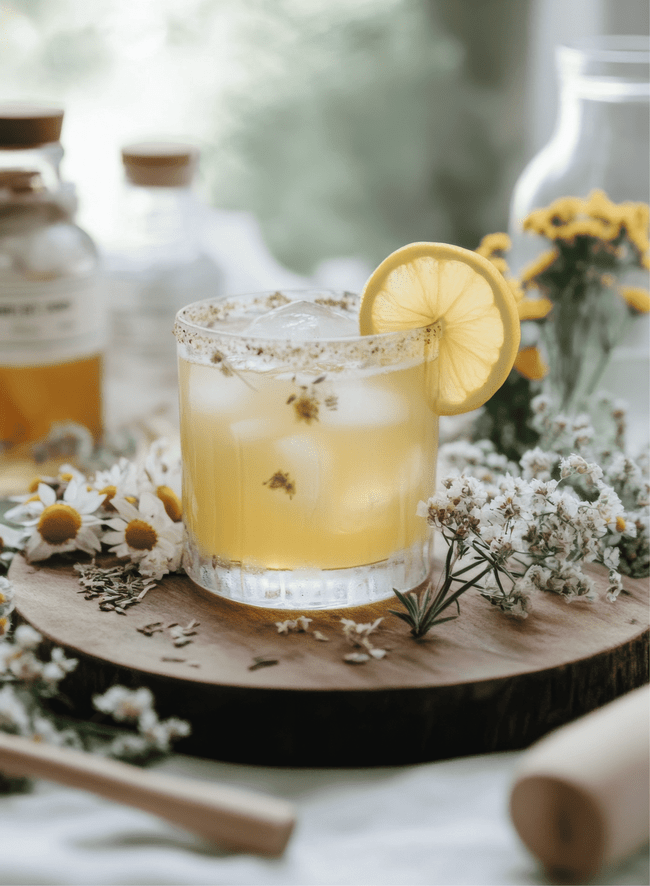
In recent years, cocktail culture has taken a transformative turn. The contents of our drinks glasses have been put under the microscope, and what was once an evening of alcohol-fuelled revelry has evolved into a curated wellness experience—one that nourishes the mind and body. Welcome to the era of metabolic mixology.
An emerging movement that blends the worlds of nutrition science and high-end mixology, metabolic mixology is pushing beverages beyond buzz and refreshment into the world of therapeutic function. From adaptogenic negronis that support stress resilience to sparkling tonics that promote microbiome health, the bar is no longer just a place for indulgence but a site for intentional consumption.
At the heart of metabolic mixology is a simple premise: what we drink should nourish us. Whether you’re sipping a zero-proof spritz infused with schisandra berries or a biodynamic wine blended with herbal bitters, the emphasis is on supporting the body’s metabolic processes—from hormone regulation and liver detoxification to blood sugar stability and gut integrity.
The idea is not entirely new. Across cultures and centuries, traditional tonics and elixirs have been revered for their healing properties. What’s changed is the sophistication of today’s offerings. Thanks to an explosion of interest in nutraceuticals and functional foods, a new generation of wellness-conscious bartenders and beverage formulators is leveraging ancient botanicals and cutting-edge science to reimagine the drinking experience. Think saffron-infused kombucha, ashwagandha espresso martinis, or collagen-spiked matcha mojitos.
A cornerstone of this trend is the adaptogen—a class of herbs and fungi known for their ability to help the body manage stress. Once relegated to tinctures and health food aisles, ingredients like ashwagandha, rhodiola, holy basil and reishi are now finding their way into finely crafted drinks with unexpected finesse.
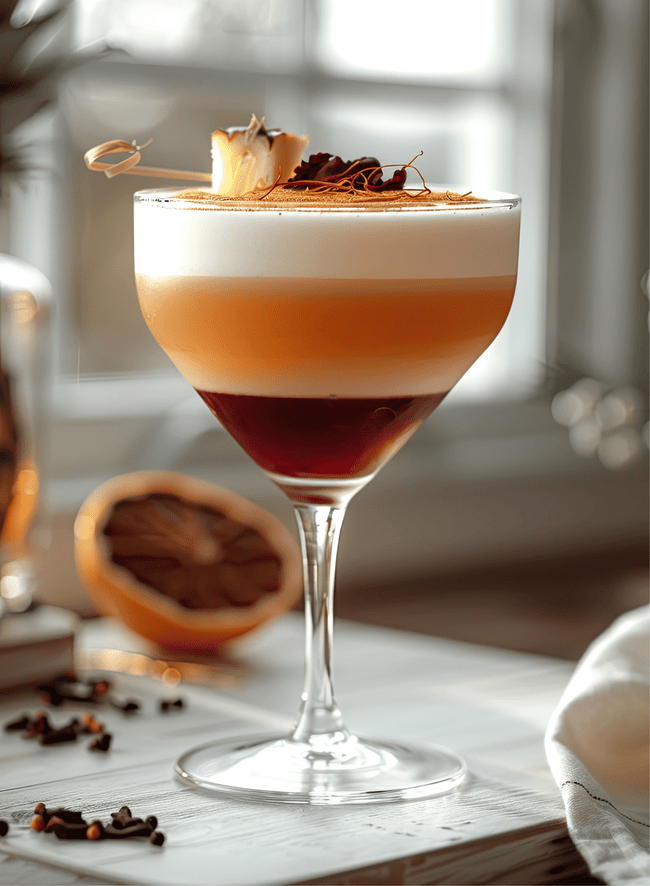
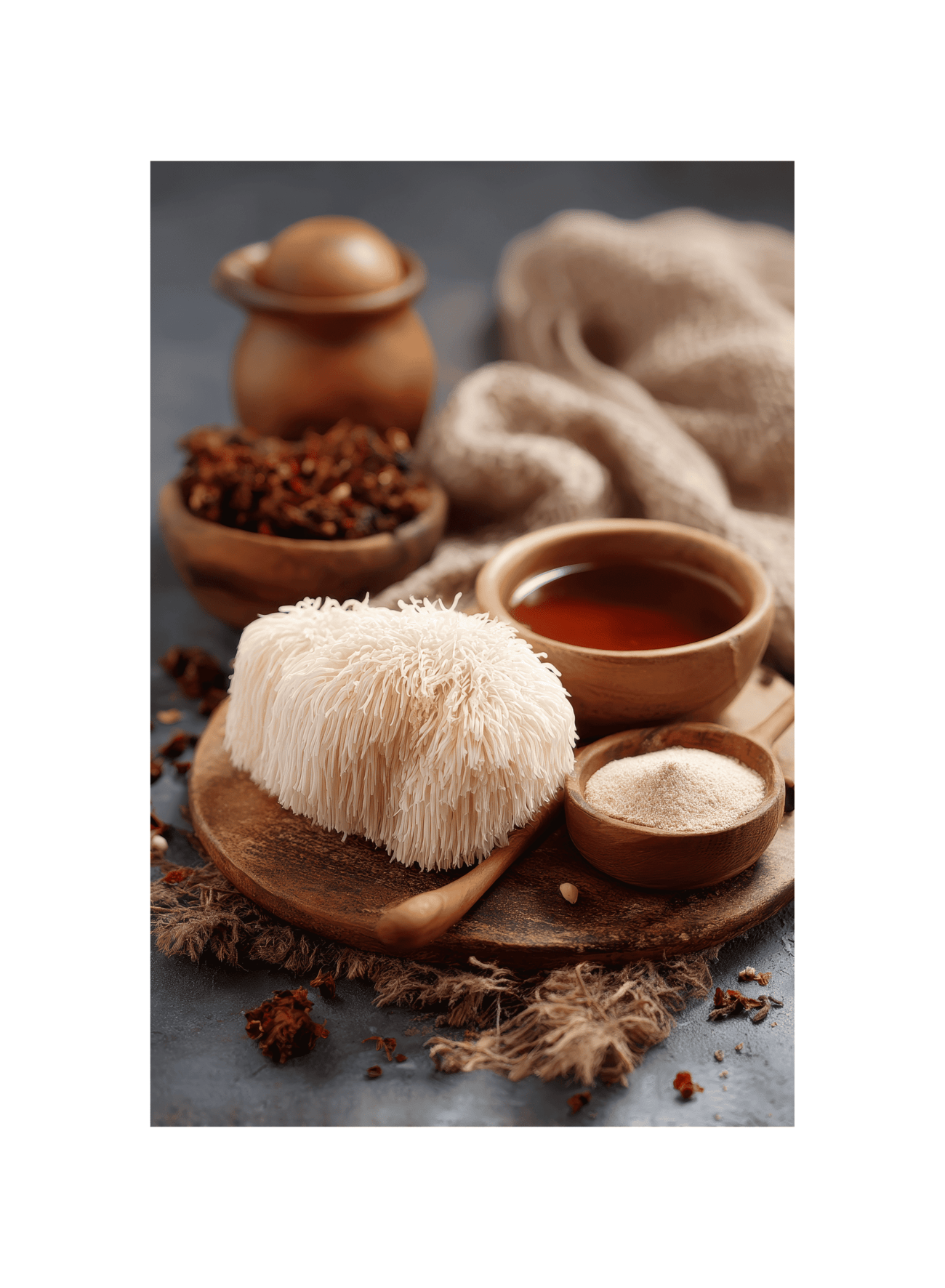
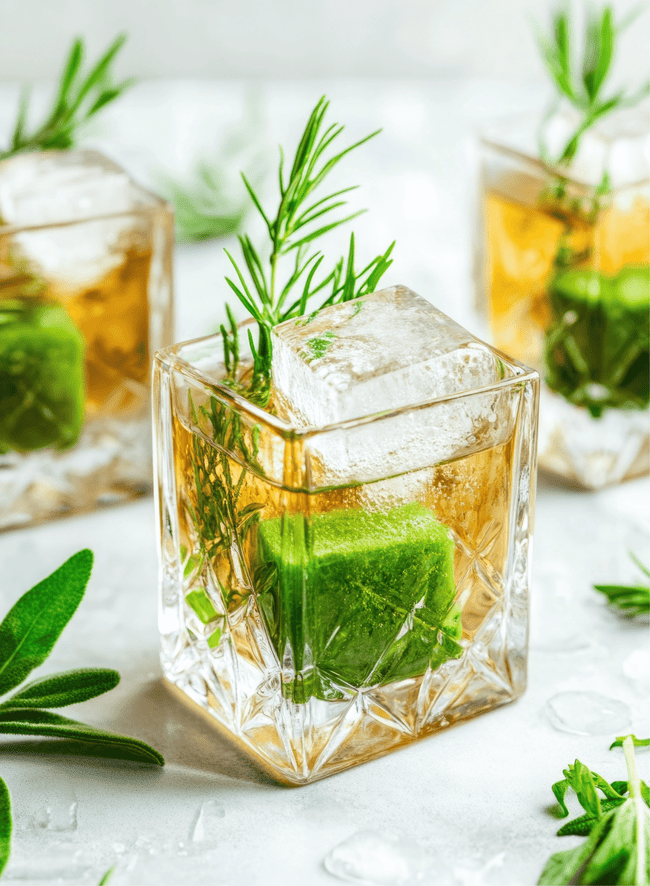
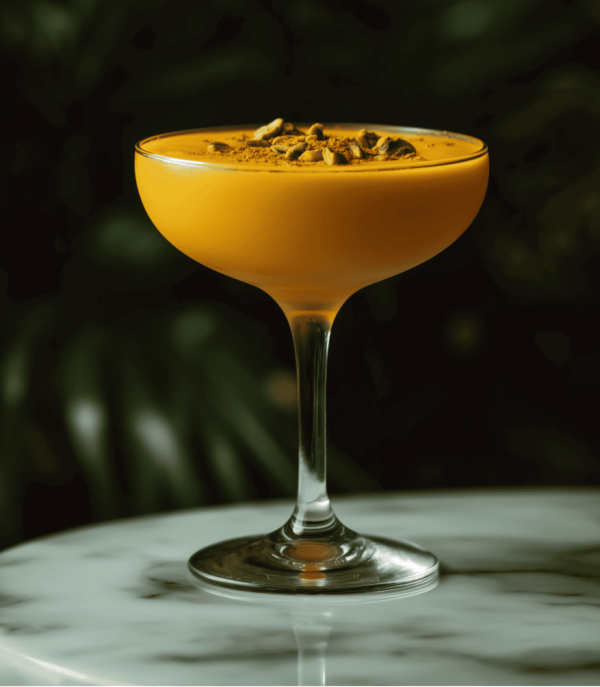
The movement isn’t confined to alcohol. Non-alcoholic alternatives—once an afterthought—are now central to the conversation. Brands are successfully pioneering spirit-free elixirs that mimic the complexity of alcohol while incorporating ingredients such as lion’s mane mushroom, green tea L-theanine, and prebiotic fibres. These beverages promise a new kind of social buzz—one rooted in clarity, vitality, and gut-brain harmony.
Indeed, gut health is another key focus. Digestive tonics, once confined to wellness retreats, are being recast in stylish bottles and served at upscale venues. Fermented bases like kefir and shrub, paired with botanicals such as gentian root, dandelion, or artichoke leaf, offer both a flavourful edge and microbiome support. Many of these drinks double as apertifs, designed not just to stimulate appetite but to gently awaken the digestive tract.
There’s also a growing interest in metabolic support through blood sugar regulation. Natural sweeteners with a low glycaemic load—such as monk fruit or yacón syrup—are replacing sugar-laden syrups in cocktails and mocktails alike. Functional additions like cinnamon, chromium, and bitter melon are being discreetly incorporated into blends that help moderate insulin spikes, reduce inflammation, and support overall energy levels.
The appeal of metabolic mixology lies not just in its health claims but in its sensorial beauty. These drinks are vibrant, textured, and complex—designed to delight the palate as much as to restore the body. Many draw on the aesthetics of fine dining, where layered flavours, dramatic presentation, and seasonal ingredients elevate the experience from healthful to hedonistic.
However, what is perhaps most compelling is the shift in attitude. Wellness is no longer synonymous with abstinence or discipline; it’s being redefined through pleasure, experimentation, and curiosity. A drink is not simply “good for you” because it’s low-calorie or alcohol-free—it’s good because it aligns with your physiology, your mood, and your moment.
Metabolic mixology invites us to be more intentional with what we consume and why. In doing so, it challenges us to rethink rituals that were once passive—raising the glass, taking a sip—and make them active, informed, and nourishing. Whether it’s a night out or a quiet evening in, the future of drinking looks to be as functional as it is flavourful.