


The Man Behind Ōre: Bangkok’s Most Elusive 6-Seat Restaurant
With a reverence for simplicity, an obsession with detail, and a defiant embrace of ingredients others overlook, chef Dimitrios Moudios is forging a culinary experience that cannot be replicated—only remembered.
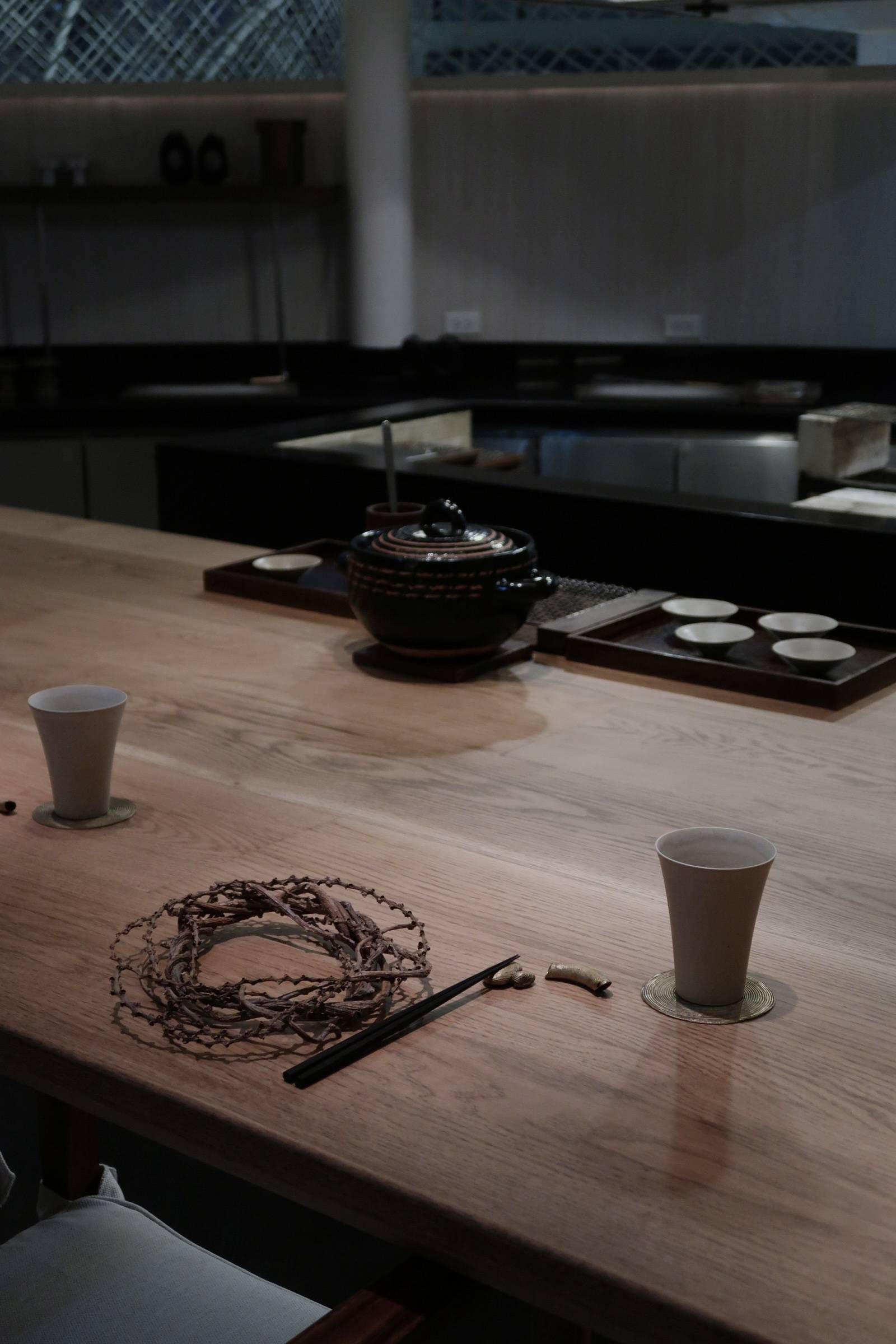
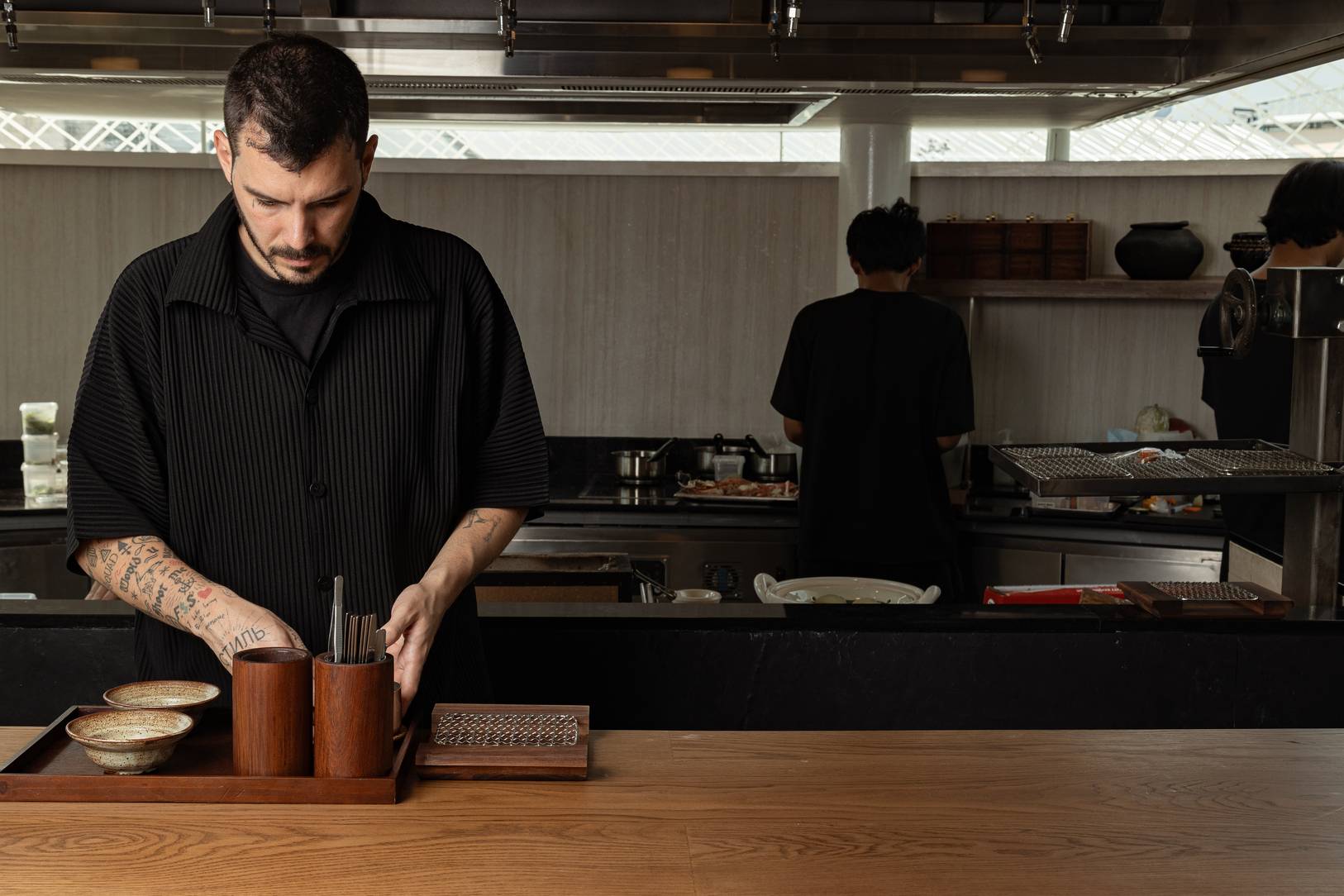
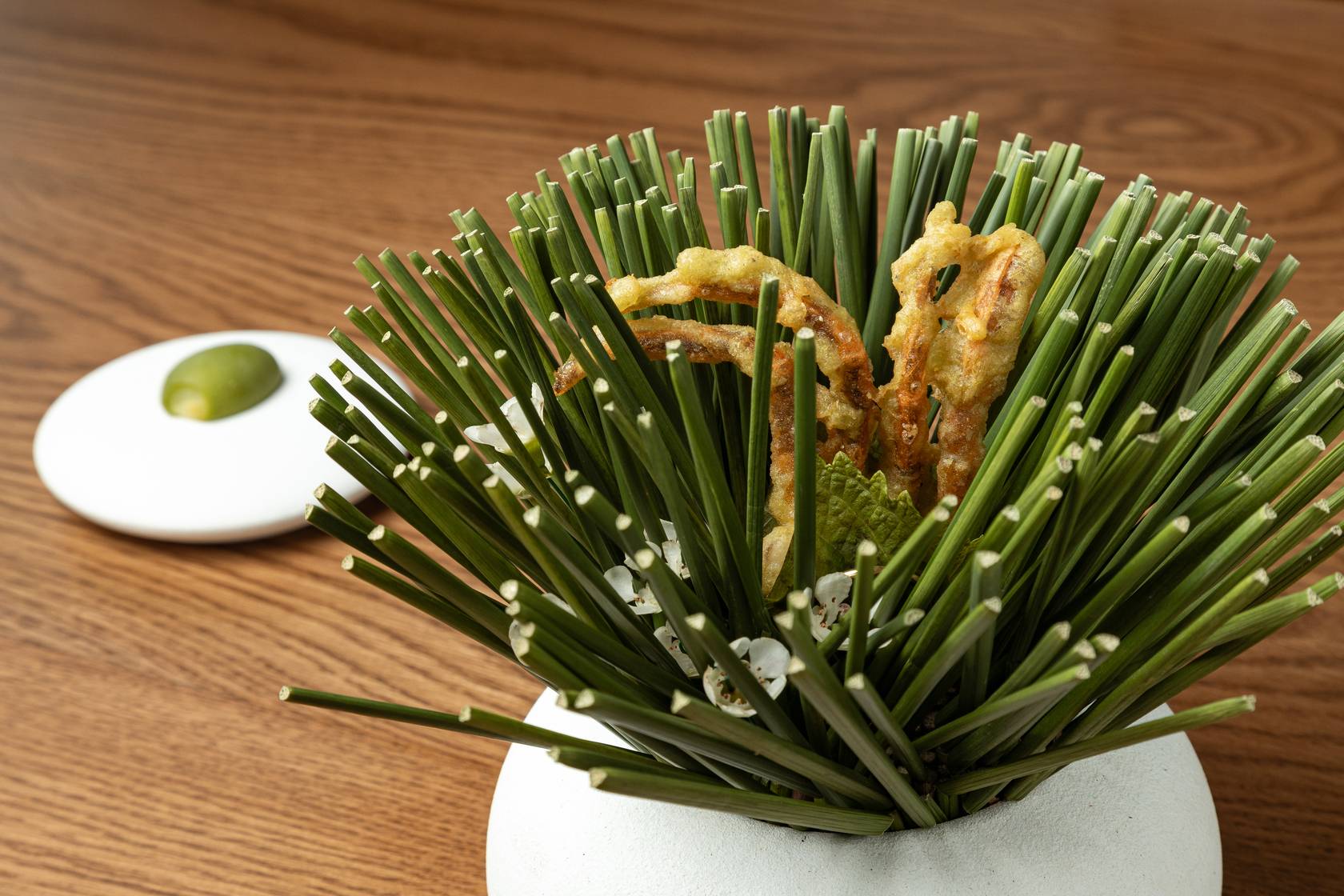
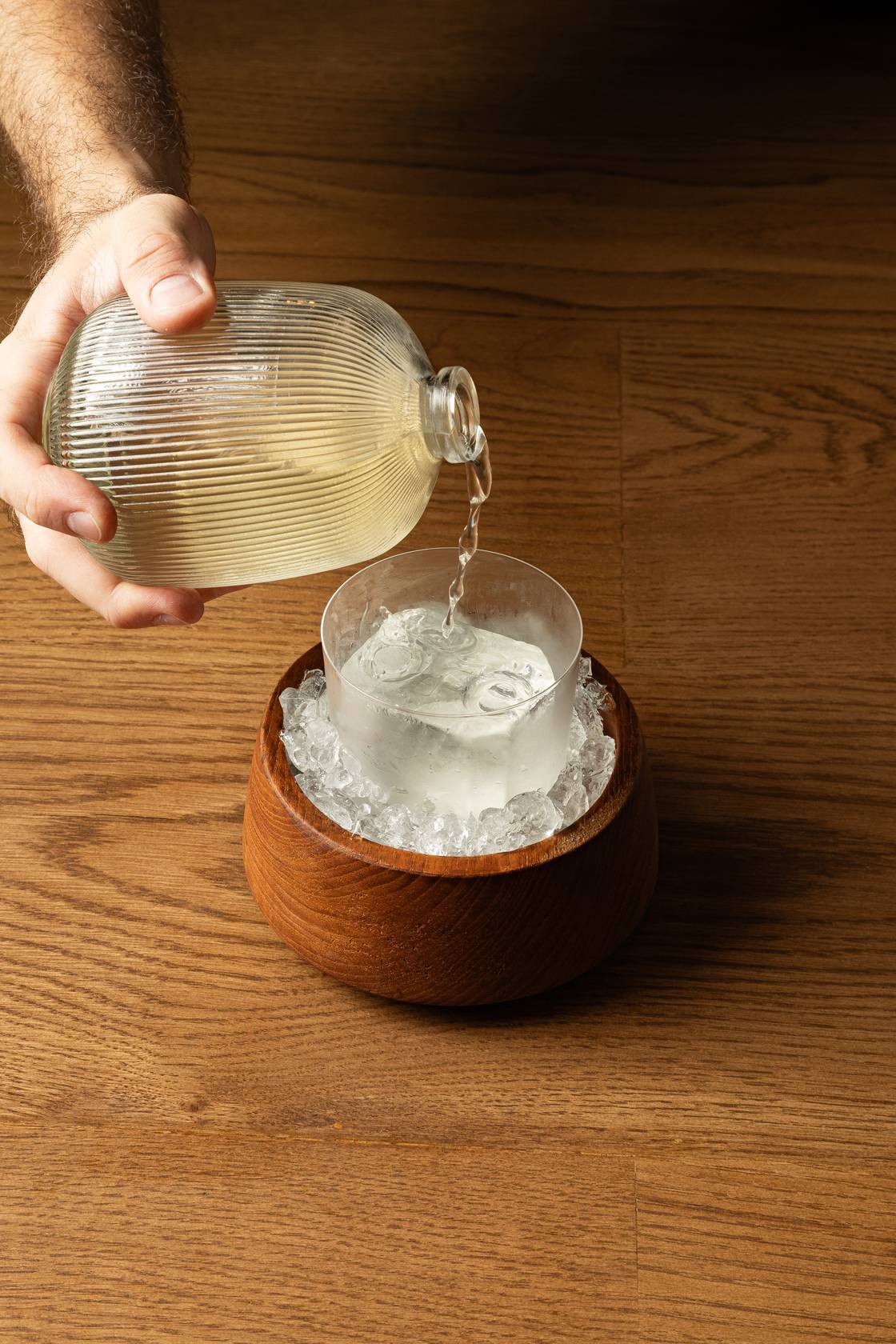
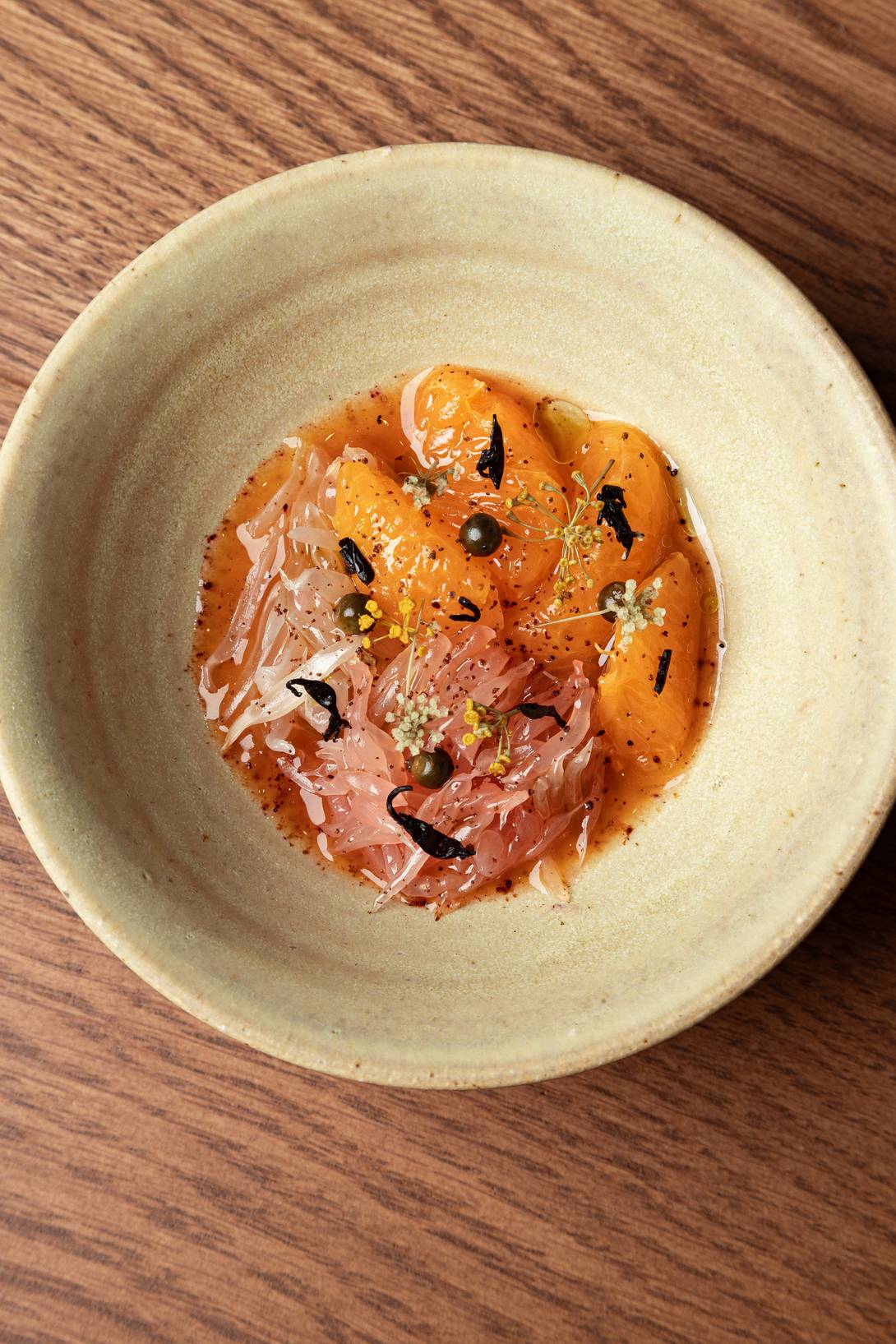
At Ōre, the senses are reset before the first bite. A cup of unfiltered spring water from a remote Thai waterfall is served in silence, inviting guests to consider not just flavour but origin. It’s a telling prologue to the philosophy of chef Dimitrios Moudios, who co-owns and leads this intimate Bangkok restaurant named after the Greek word for “something you like”. Moudios, who trained at Michelin-starred kitchens across Europe and headed research at the avant-garde Boragò in Chile, doesn’t chase trends. Instead, he returns to elemental forms—water and fire—using rare, organic Thai produce and ancient techniques to coax complexity from simplicity. Each night, just 12 diners witness this quiet alchemy unfold, dish by dish, in a space as minimal as the food is masterful.
FOUR sits down with the chef to find out more…
What inspired you to become a chef, and how did your journey in the culinary world begin?
Everything happened in its own kind of way as an accident. I moved to Germany in order to play football professionally. This didn’t work out as planned, so I decided that I needed to find something else to do with my life, since I was also very young. Back then, I was cooking at home for myself in order to keep up with training and everything I needed to eat. And somehow that is how the idea started.
How has your Greek heritage influenced your approach to cooking and restaurant design?
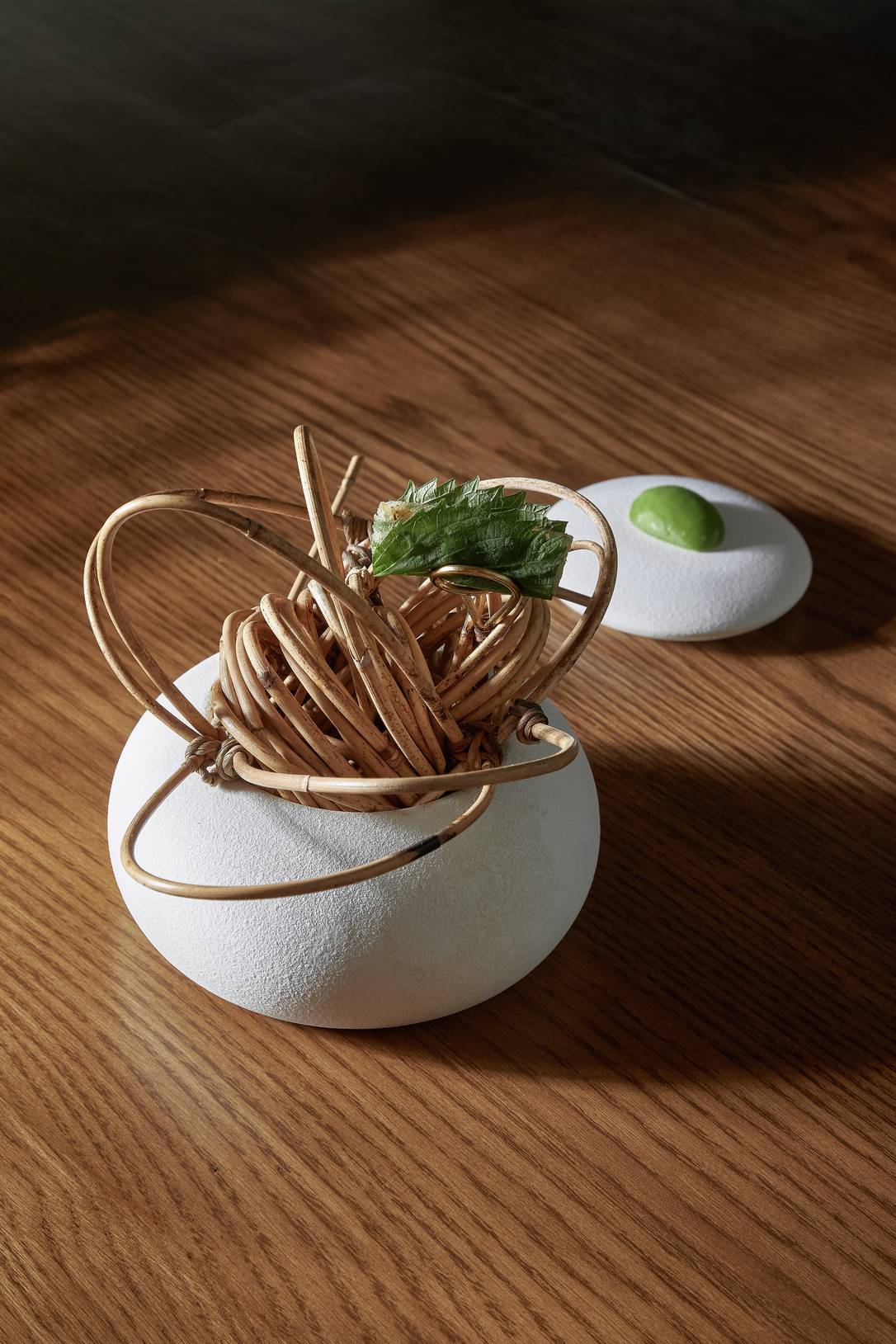
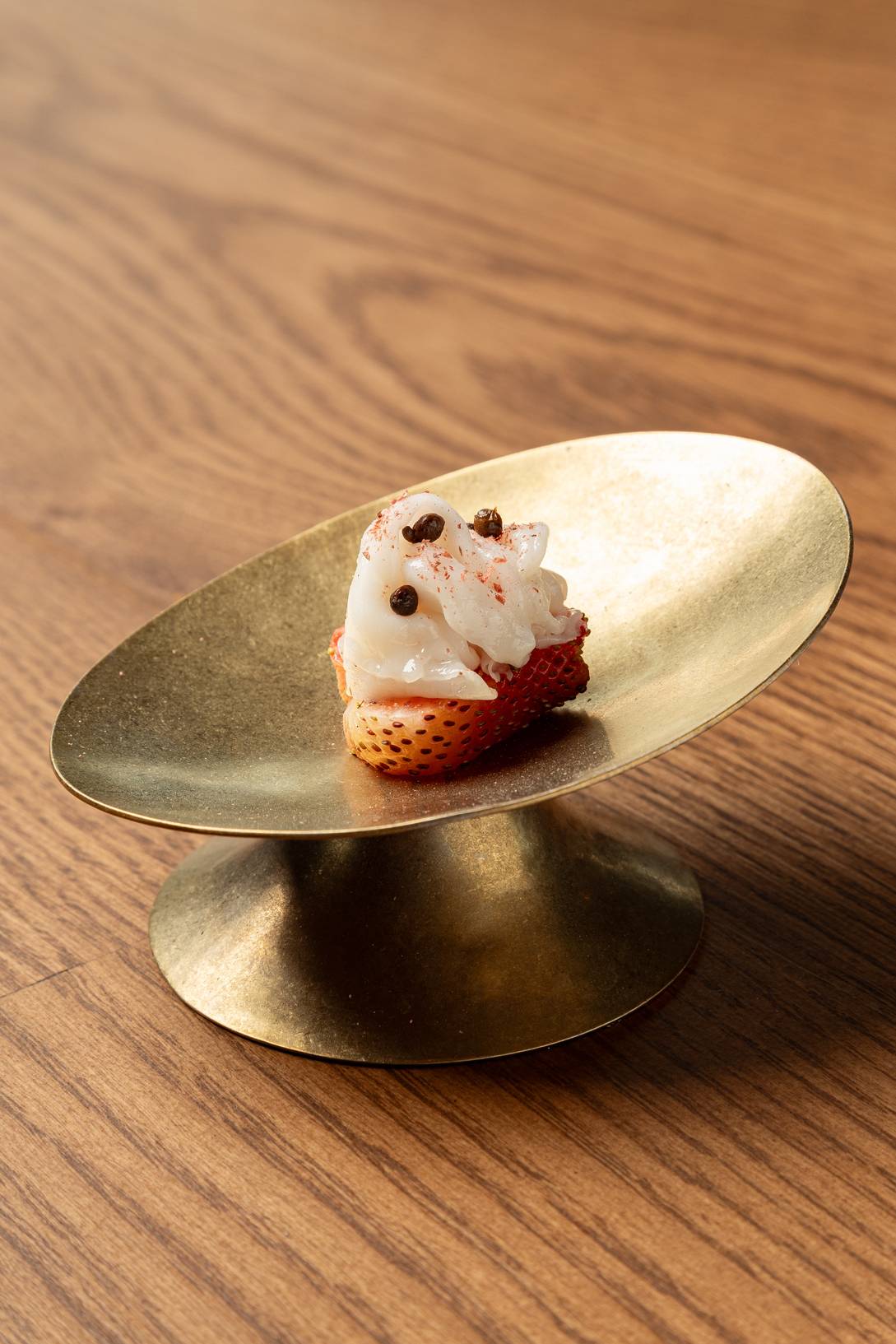
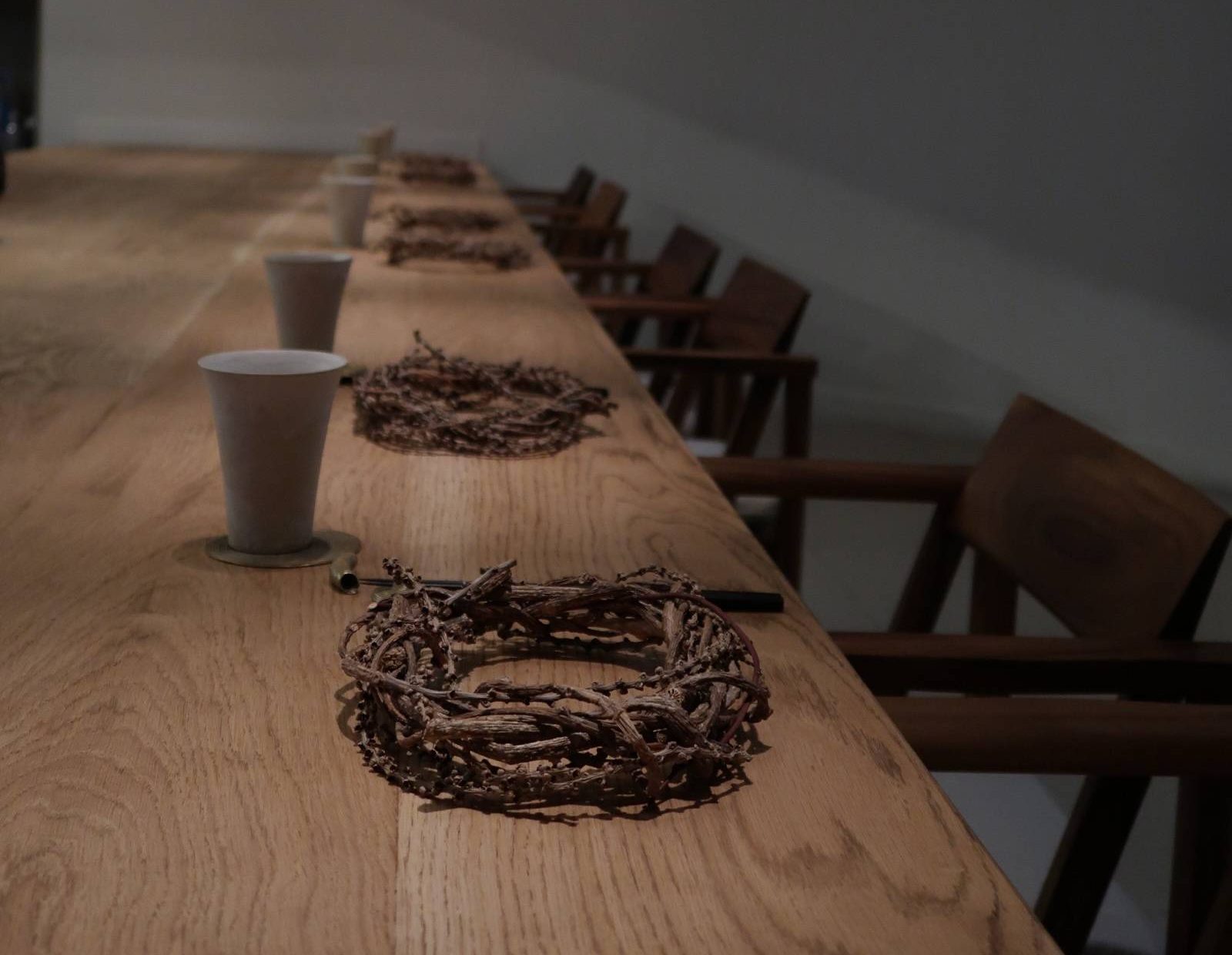
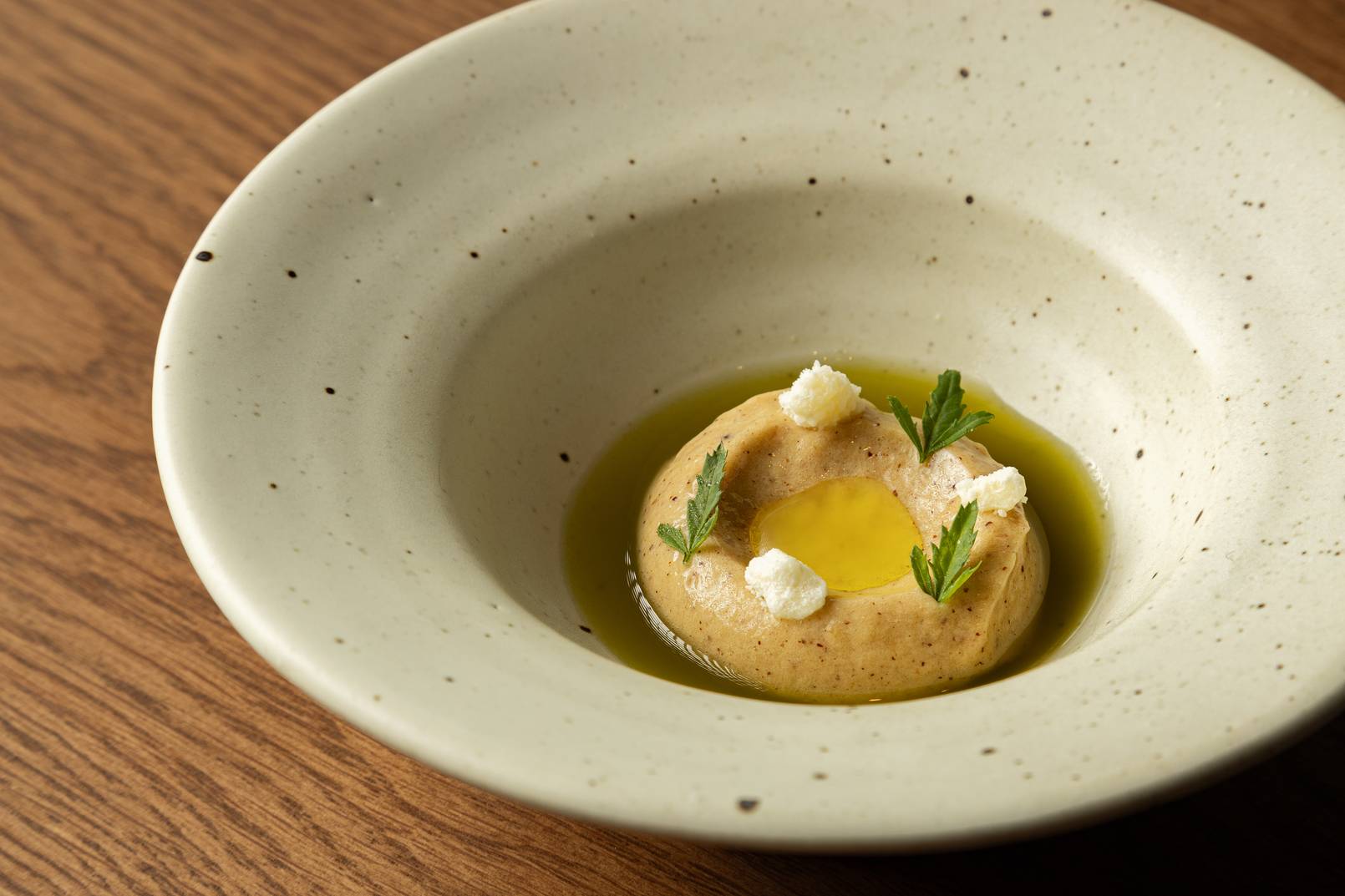
I moved out of Greece when I was still underage, so I never really got to work in Greece, and that’s the reason that I feel like my food isn’t Greek at all, maybe if you dig very deeply into some dishes, there is going to be something inspired by it, but I think this happens mostly without me even noticing while making a dish. As far as restaurant design, all of our plates are inspired by Ancient Greek ceramics from 4-5 thousand years ago, because to me it’s really fascinating how something that existed so long ago can be done in a very modern way.
You’ve worked in some of the most renowned kitchens, including Atelier in Munich, Ernst in Berlin, and Boragò. What are some key lessons you took away from those experiences?
Working in some of the best restaurants in the world really teaches you what is important for a restaurant, as well as sometimes what is not. No restaurant in the world is perfect, and it’s great as a chef to be able to recognise what you like and what you do not, in order to take all the positives out of every experience. The older I became, the more able I was to do that, and I think that is the reason why I was able to create such a distinctive style from so early on.
What drives your passion for working with overlooked or challenging ingredients?
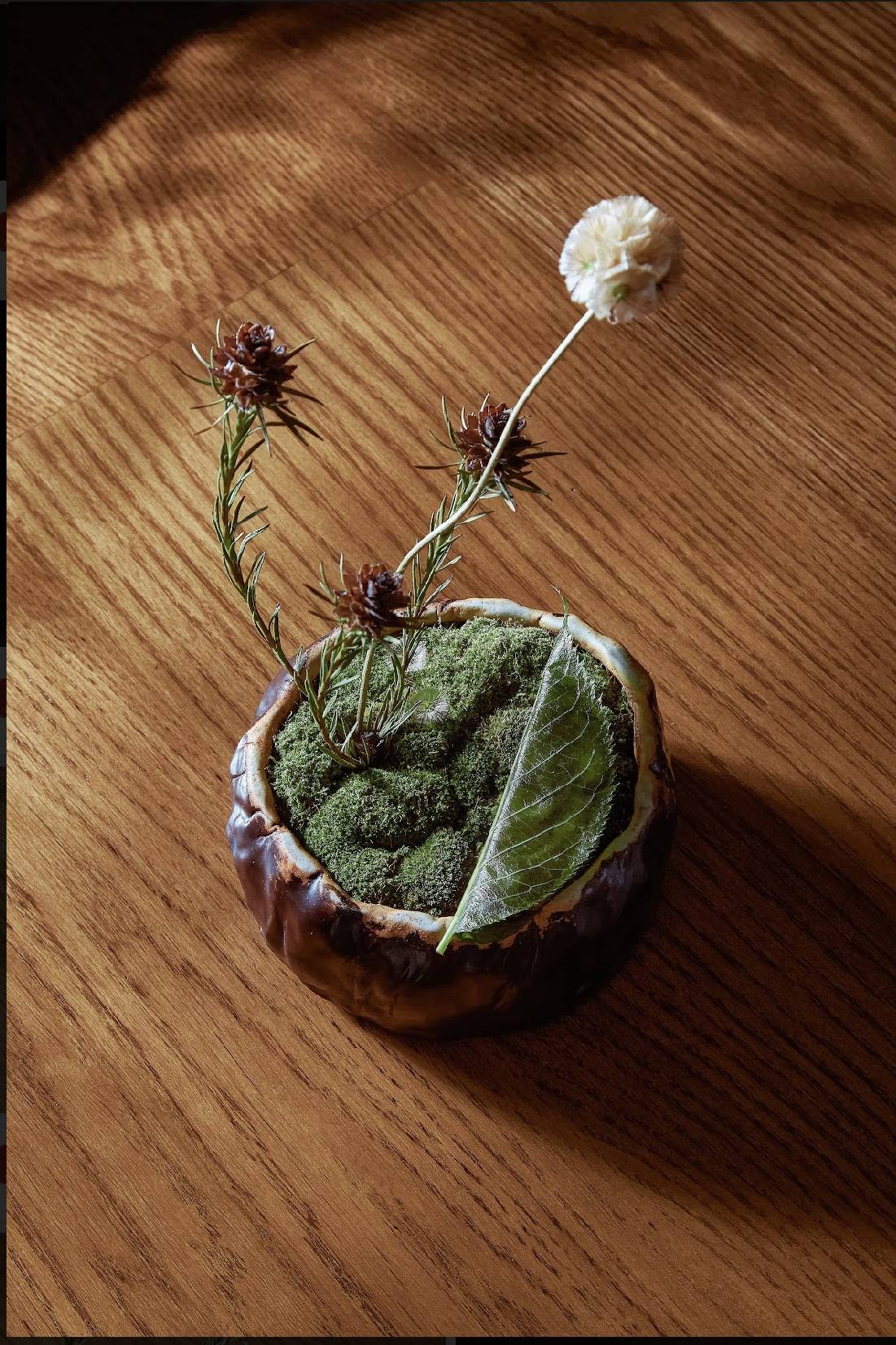
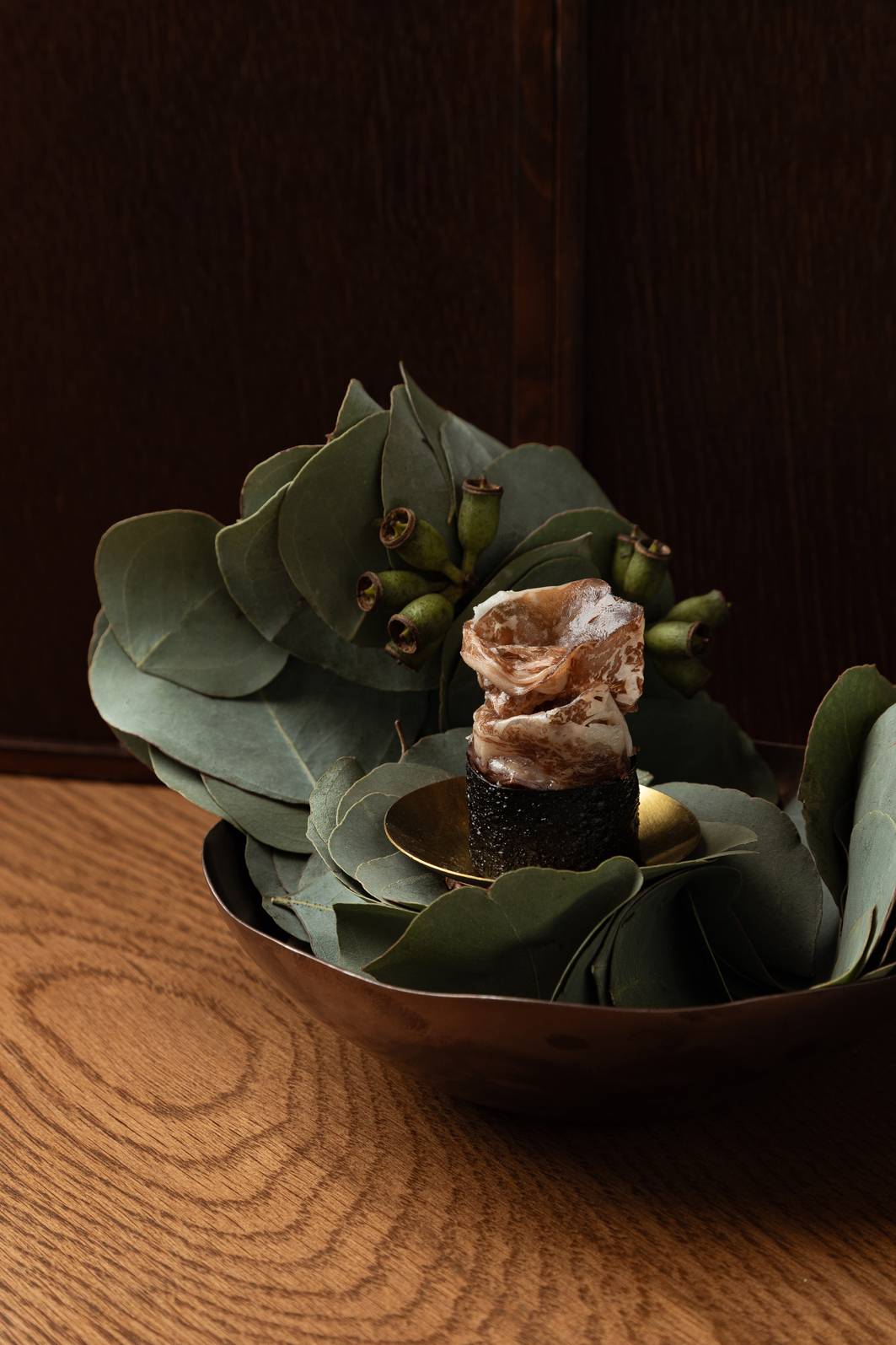
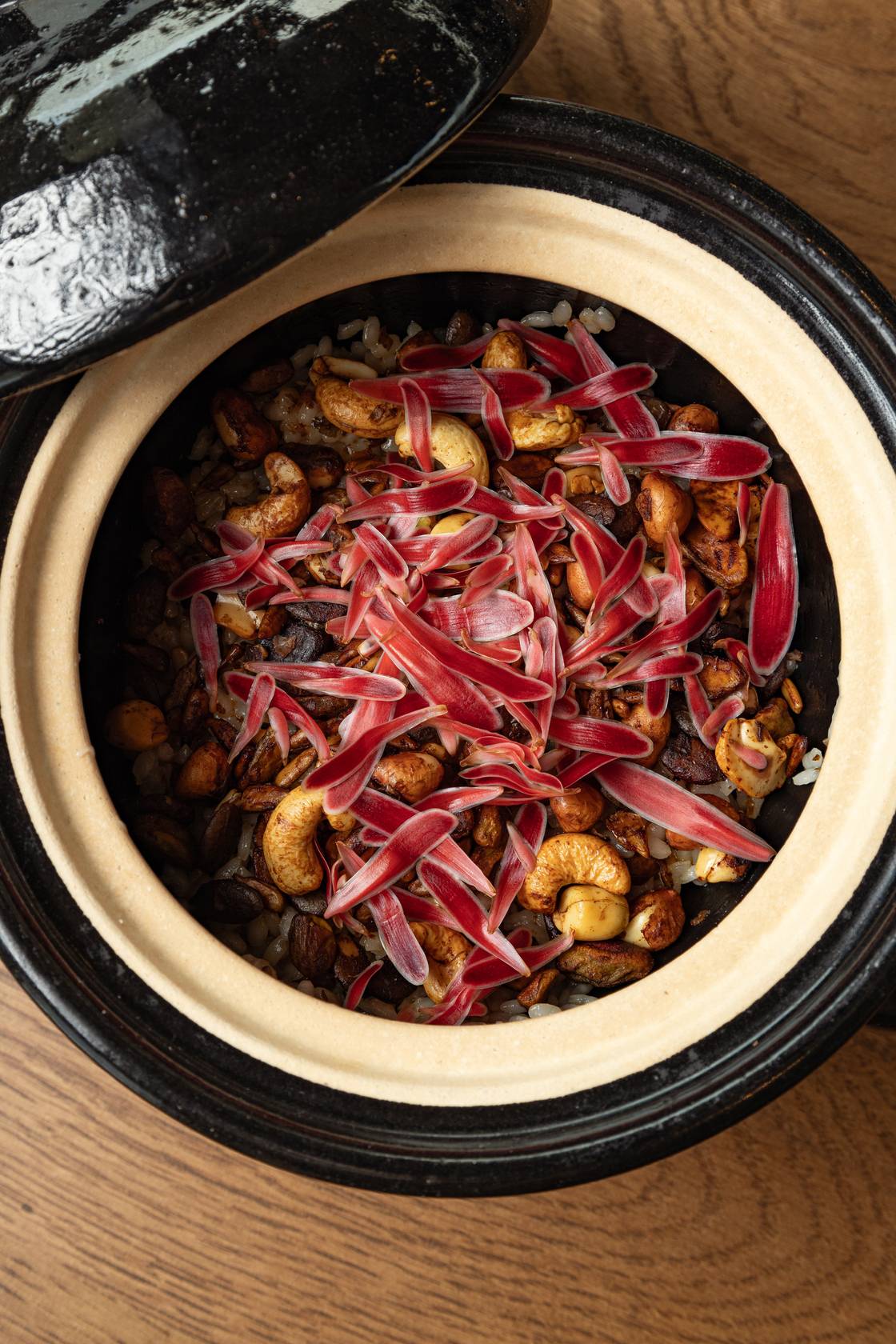
It’s not really a passion, I would just say it’s more curiosity in order to create something new. We are really trying to create a restaurant that stays away from trends and Instagrammable food, and the only way in my mind to achieve that is by doing something that hasn’t been done before. We do this often with ingredients that are not commonly used, but still, all the ingredients need to make sense. We don’t really like to use an ingredient just to use it if there is no meaning or sense behind it.
Sourcing plays a huge role in your cooking—why is using organic vegetables, wild-caught seafood, and spring water so important to you?
It is important to me that the ingredients are presented in as natural a form as possible. Starting with something that isn’t good quality or tasty by itself wouldn’t work in that kind of concept, as the amount of spices and techniques that would need to be used to cover a not-so-nice raw ingredient would not really fit the concept of what we are trying to do.
What was the inspiration behind Ōre, and what does the name mean to you personally?
I really wanted to create something that represents me and my personality. The name was probably the most difficult thing we had to choose before opening the restaurant, and the struggle was real, as it took us over 6 months to come up with it. The meaning is basically something I used to say as a kid when I liked something.
How would you describe the philosophy behind the menu at Ōre, particularly the focus on water and fire?
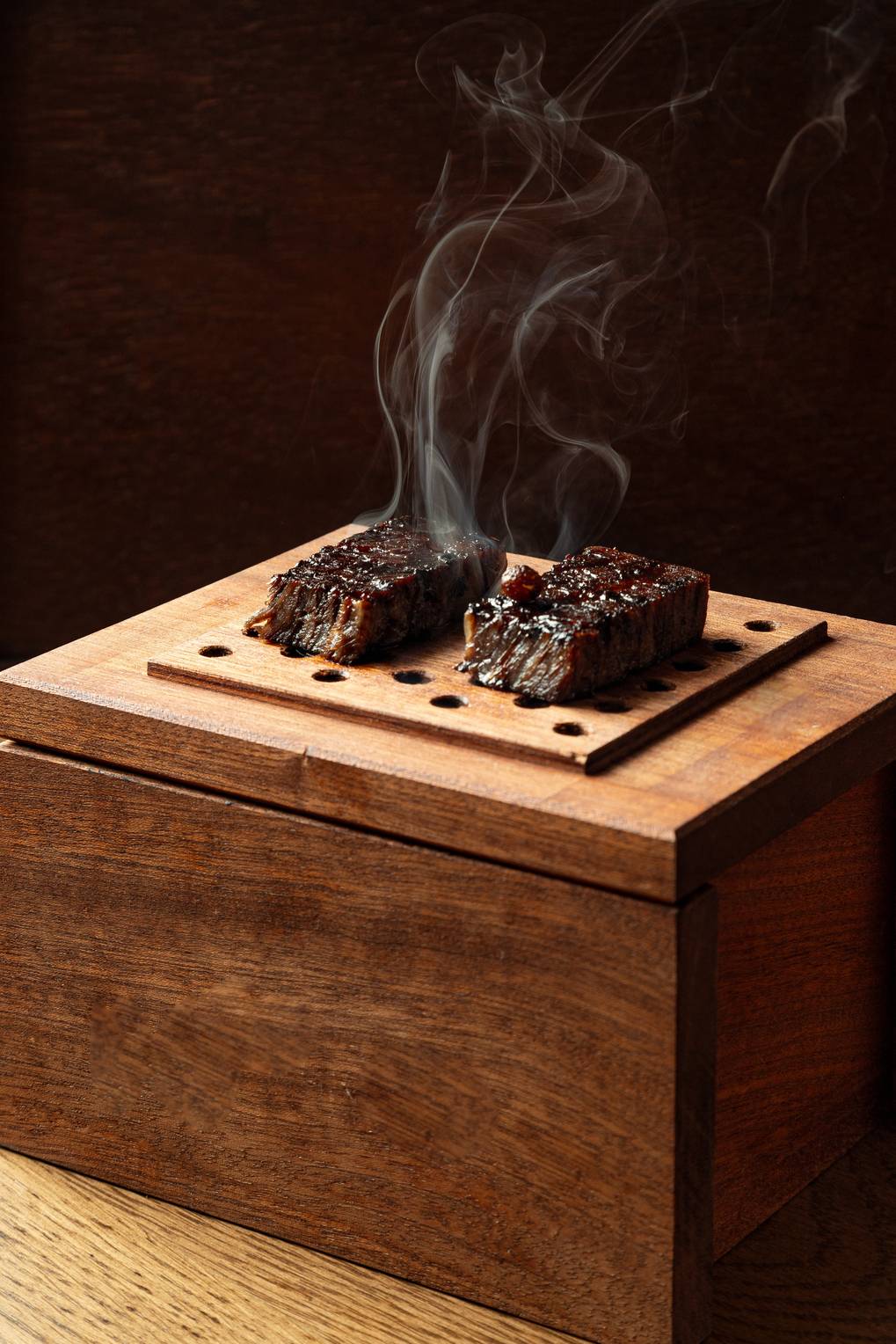
We focus a lot on how to present ingredients as close to their pure form as possible, while still doing something cutting-edge and creative. All of our sauces are based on water (and, of course, another ingredient depending on the dish). Nothing is being reduced, and for that reason, water plays a huge role in the end result. Also, water was the first thing we sourced before going into menu development. Fire is something that brings out the best in each ingredient, and we are trying to use it as much as possible just to add more layers and natural nuances to our food.
You go to great lengths to procure special ingredients like unfiltered spring water from Sai Yok Yai Waterfall and yuzu charcoal. How do these contribute to the overall dining experience?
Since we source everything with purpose, it just makes sense to use this beautiful, unfiltered water; it is so pure and plays a big role in my kitchen. Using yuzu and yangon wood for charcoal follows that same philosophy. It honours our terroir, it is local and, to me, it is the most logical choice.
You’ve said that creating a “sense of place and time” is more important than just making good food. How do you achieve this at Ōre?
That’s our biggest goal, especially now that we have already been open for over a year. I really try to focus on indigenous produce in many of the dishes, so that when someone asks me to create Ōre somewhere else, it’s impossible for me to do so. I want someone who has a meal at Ōre to really feel like they are in Thailand, at that specific time of the year, without needing to cook traditional Thai food.
The restaurant accommodates just 12 guests per night in an intimate open-kitchen setting. How does this influence the way you interact with your guests?
We basically have 2 seatings, both with a maximum of 6 seats capacity. The intimacy that is being created through that is extraordinary and unique, and probably something that can’t be recreated anywhere else in the world. Of course, guests play a huge role in the end product of the experience, as they are part of something that is very similar to an interactive play. The mood, not only of ourselves but also of the guests, can really make the experience great.
What do you want diners to take away from their experience at Ōre?
I want guests to really try and let themselves loose, to be in the moment and to love the experience. I don’t want them to just come for the food and the drinks. I want them to be there in order to see what Dimitrios has to say as a cook, as a personality, and as someone who is really showing the last 15 years of his life through a dining experience.
Ōre’s dishes focus on just two or three key elements. How do you ensure that simplicity translates to depth and complexity in flavour?
The depth of flavour is really ensured by the sourcing and the ingredient itself. When an ingredient is the best there is and it’s treated with the utmost respect possible, nothing can really go wrong. As far as complexity, we are not really trying to imply that all of our dishes have complexity and a deep flavour meaning behind them, which guests will need to answer. We really want the ingredients to shine, and if that is by doing something very simple, then that is the way we are going to do it.
You incorporate techniques like fermentation, pickling, and ageing. What role do these play in your cooking?
We use these techniques mostly to either get the best out of a single ingredient or preserve it for the future, since some of the ingredients we use, due to the insane amount of heat here in Thailand, have a very, very short season.
Could you share an example of a dish on your menu that embodies your philosophy and explain its creative process?
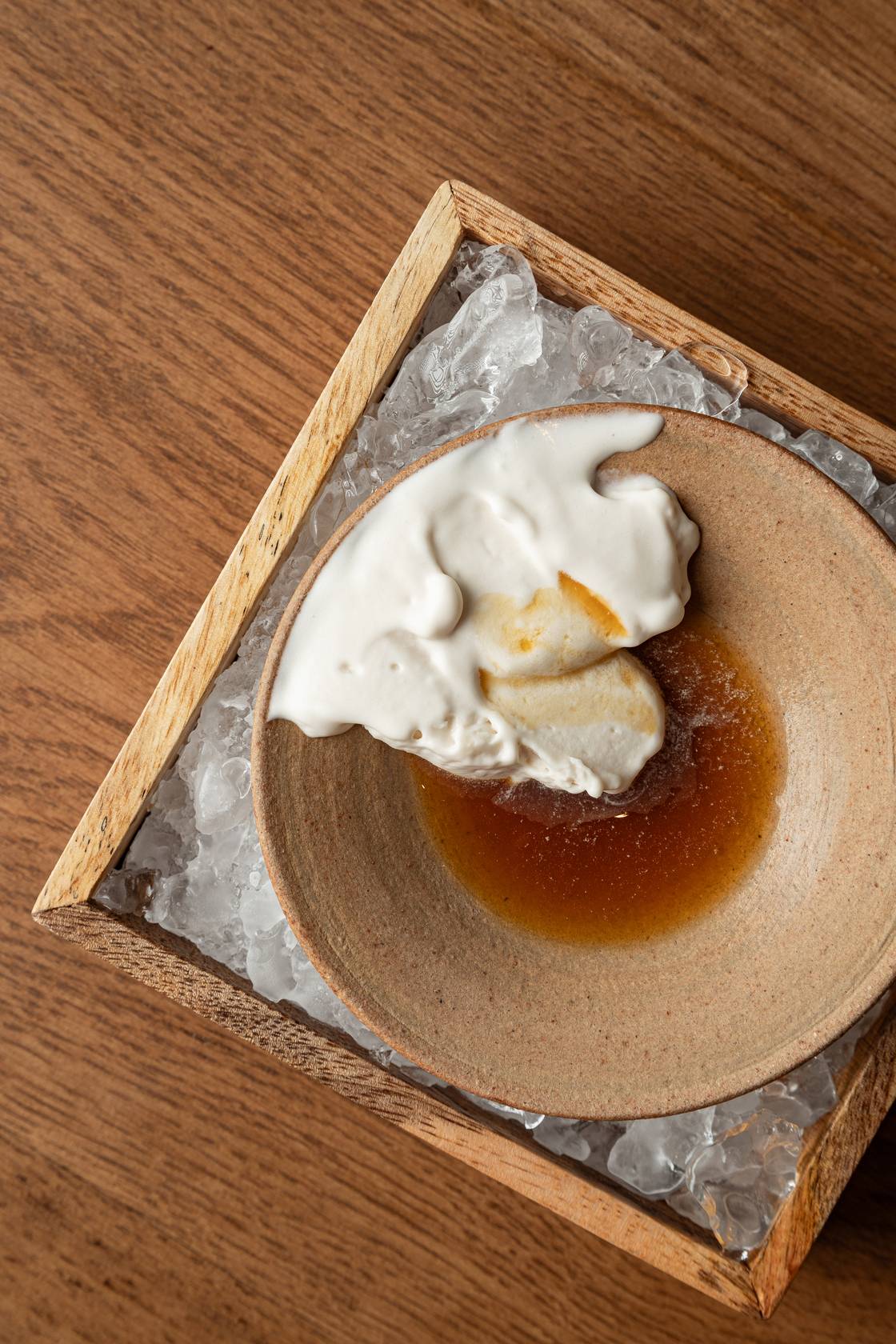
We currently have a fig dish on the menu. We basically hollow out a fig and stuff it with cake and a cream filled with fig leaves, and then close it again with the interior flesh that we hollowed out, so at this point, you have something that looks just like half a fig. We top it off with a fig wood ice cream. We just basically use every single thing that comes out of the tree to create a dish. Most of the ideas come very randomly to me in my head; we don’t really try to force anything by sitting down and discussing new dishes with the team. Whenever the idea is there, we just try it.
Within less than a year of opening, Ōre was named “restaurant opening of the year” by the Michelin Guide. What does this recognition mean to you?
It’s a lot of hard work from the team that pays off. Recognition is always good when it comes, but that is definitely not the reason why the team and I are putting in the work every single day. Having said that, it is a great honour to be recognised by Michelin.
You also oversee Lahnyai. How does its concept differ from Ōre’s?
It’s a completely different project, way more trendy and mainstream. It’s based on traditional Thai recipes from the cookbooks from the palace here in Thailand, over the last 140 years. Everything is presented in a very modern environment, and it’s something that most people can understand and enjoy, which does make me happy to be able to also put things out to guests that are just very tasty without needing to be conceptual about something.
What’s next for you? Do you have any future projects or visions you’re working on?
For now, I am focusing on Ōre; it is, of course, something more than a project—it’s my life, and hopefully, something that will open in another place in the world at some point. But definitely not now; we belong in Bangkok and love it.
To find out more about Ōre and book, visit the links below…
Ōre Restaurant
1131 Sathu Pradit Road
Chong Nonsi, Yan Nawa
Bangkok 10120
Thailand
Web: orerestaurant.com
Email: reservations@orerestaurant.com
Instagram: @ore.bkk | @dmoudios
All images © Ōre Restaurant
Necessary cookies are absolutely essential for the website to function properly. These cookies ensure basic functionalities and security features of the website, anonymously.
| Cookie | Duration | Description |
|---|---|---|
| __cfduid | 1 month | The cookie is used by cdn services like CloudFare to identify individual clients behind a shared IP address and apply security settings on a per-client basis. It does not correspond to any user ID in the web application and does not store any personally identifiable information. |
| _abck | 1 year | This cookie is used to detect and defend when a client attempt to replay a cookie.This cookie manages the interaction with online bots and takes the appropriate actions. |
| bm_sz | 4 hours | This cookie is set by the provider Akamai Bot Manager. This cookie is used to manage the interaction with the online bots. It also helps in fraud preventions |
| cookielawinfo-checbox-analytics | 11 months | This cookie is set by GDPR Cookie Consent plugin. The cookie is used to store the user consent for the cookies in the category "Analytics". |
| cookielawinfo-checbox-functional | 11 months | The cookie is set by GDPR cookie consent to record the user consent for the cookies in the category "Functional". |
| cookielawinfo-checbox-others | 11 months | This cookie is set by GDPR Cookie Consent plugin. The cookie is used to store the user consent for the cookies in the category "Other. |
| cookielawinfo-checkbox-advertisement | 1 year | The cookie is set by GDPR cookie consent to record the user consent for the cookies in the category "Advertisement". |
| cookielawinfo-checkbox-necessary | 11 months | This cookie is set by GDPR Cookie Consent plugin. The cookies is used to store the user consent for the cookies in the category "Necessary". |
| cookielawinfo-checkbox-performance | 11 months | This cookie is set by GDPR Cookie Consent plugin. The cookie is used to store the user consent for the cookies in the category "Performance". |
| ts | 3 years | This cookie is provided by the PayPal. It is used to support payment service in a website. |
| ts_c | 3 years | This cookie is provided by PayPal when a website is in association with PayPal payment function. This cookie is used to make safe payment through PayPal. |
| viewed_cookie_policy | 11 months | The cookie is set by the GDPR Cookie Consent plugin and is used to store whether or not user has consented to the use of cookies. It does not store any personal data. |
Functional cookies help to perform certain functionalities like sharing the content of the website on social media platforms, collect feedbacks, and other third-party features.
| Cookie | Duration | Description |
|---|---|---|
| akavpau_ppsd | session | This cookie is provided by Paypal. The cookie is used in context with transactions on the website. |
| nsid | This cookie is set by the provider PayPal. This cookie is used to enable the PayPal payment service in the website. | |
| tsrce | 3 days | This cookie is set by the provider PayPal. This cookie is used to enable the PayPal payment service in the website. |
| x-pp-s | session | This cookie is set by the provider PayPal. This cookie is used to process payments from the site. |
Performance cookies are used to understand and analyze the key performance indexes of the website which helps in delivering a better user experience for the visitors.
| Cookie | Duration | Description |
|---|---|---|
| YSC | session | This cookies is set by Youtube and is used to track the views of embedded videos. |
Analytical cookies are used to understand how visitors interact with the website. These cookies help provide information on metrics the number of visitors, bounce rate, traffic source, etc.
| Cookie | Duration | Description |
|---|---|---|
| _ga | 2 years | This cookie is installed by Google Analytics. The cookie is used to calculate visitor, session, campaign data and keep track of site usage for the site's analytics report. The cookies store information anonymously and assign a randomly generated number to identify unique visitors. |
| _gid | 1 day | This cookie is installed by Google Analytics. The cookie is used to store information of how visitors use a website and helps in creating an analytics report of how the website is doing. The data collected including the number visitors, the source where they have come from, and the pages visted in an anonymous form. |
Advertisement cookies are used to provide visitors with relevant ads and marketing campaigns. These cookies track visitors across websites and collect information to provide customized ads.
| Cookie | Duration | Description |
|---|---|---|
| _fbp | 3 months | This cookie is set by Facebook to deliver advertisement when they are on Facebook or a digital platform powered by Facebook advertising after visiting this website. |
| fr | 3 months | The cookie is set by Facebook to show relevant advertisments to the users and measure and improve the advertisements. The cookie also tracks the behavior of the user across the web on sites that have Facebook pixel or Facebook social plugin. |
| IDE | 1 year 24 days | Used by Google DoubleClick and stores information about how the user uses the website and any other advertisement before visiting the website. This is used to present users with ads that are relevant to them according to the user profile. |
| test_cookie | 15 minutes | This cookie is set by doubleclick.net. The purpose of the cookie is to determine if the user's browser supports cookies. |
| VISITOR_INFO1_LIVE | 5 months 27 days | This cookie is set by Youtube. Used to track the information of the embedded YouTube videos on a website. |
Other uncategorized cookies are those that are being analyzed and have not been classified into a category as yet.
| Cookie | Duration | Description |
|---|---|---|
| _gat_gtag_UA_120081375_1 | 1 minute | This cookie is installed by Google Analytics. The cookie is used to calculate visitor, session, campaign data and keep track of site usage for the site's analytics report. The cookies store information anonymously and assign a randomly generated number to identify unique visitors. |
| _gat_gtag_UA_83740222_1 | 1 minute | This cookie is installed by Google Analytics. The cookie is used to calculate visitor, session, campaign data and keep track of site usage for the site's analytics report. The cookies store information anonymously and assign a randomly generated number to identify unique visitors. |
| _mcid | 1 year | No description |
| ak_bmsc | 2 hours | No description |
| CONSENT | 16 years 9 months 2 days 6 hours | No description |
| ec_store_chameleon_font | session | This cookie is provided by Ecwid and it is used to save the font utilised in the website's online store. |
| enforce_policy | 1 year | No description |
| l7_az | 30 minutes | No description |
| LANG | 9 hours | No description |
| x-cdn | This cookie is provided by Paypal and is used in context with shopping transactions on the website's store. |